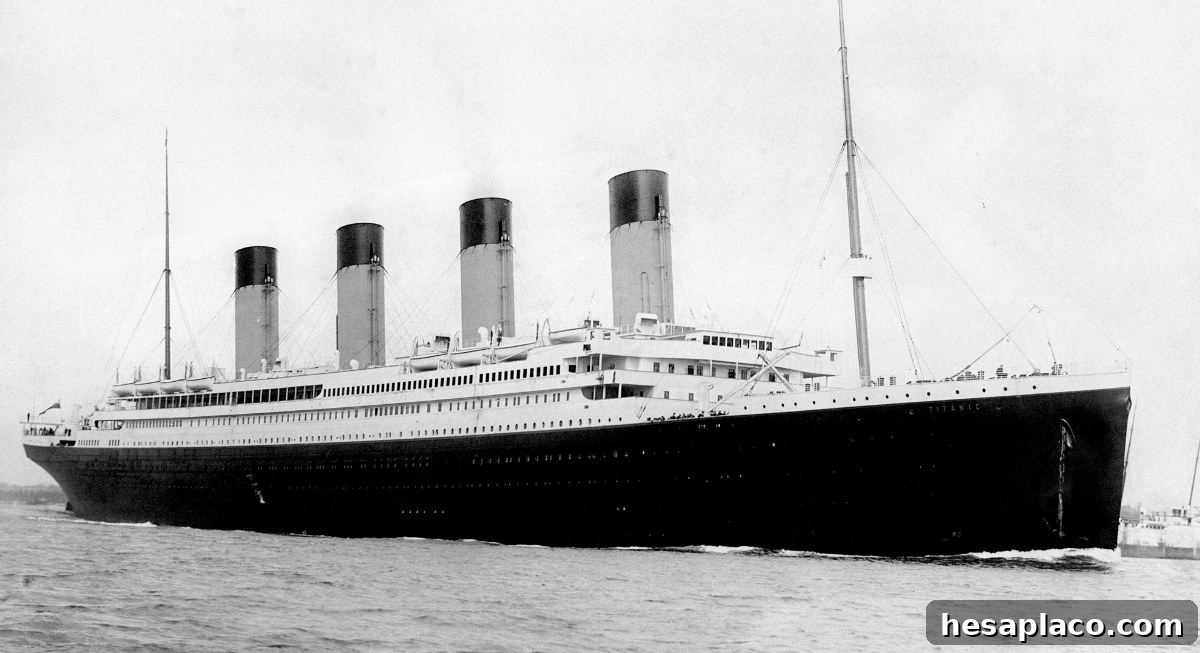
When the Titanic sank in April 1912, more than 1,500 people died and countless valuables plunged to the ocean floor. The ship carried many of the era’s wealthiest passengers, and by the time insurance claims were settled the total losses equated to hundreds of millions of dollars in today’s currency. Much of that property remains on the seabed, lost beneath miles of water and sediment.
La Circassienne Au Bain

Credit: Wikimedia Commons
A large neoclassical painting by French artist Merry-Joseph Blondel, titled La Circassienne au Bain, went down with the ship. Valued at roughly $3.3 million in today’s terms, the canvas showed a Circassian woman climbing into a bath. Swedish businessman Mauritz Håkan Björnström-Steffansson had it aboard en route to America; he survived by leaping into Collapsible D, one of the last lifeboats, just minutes before the ship sank.
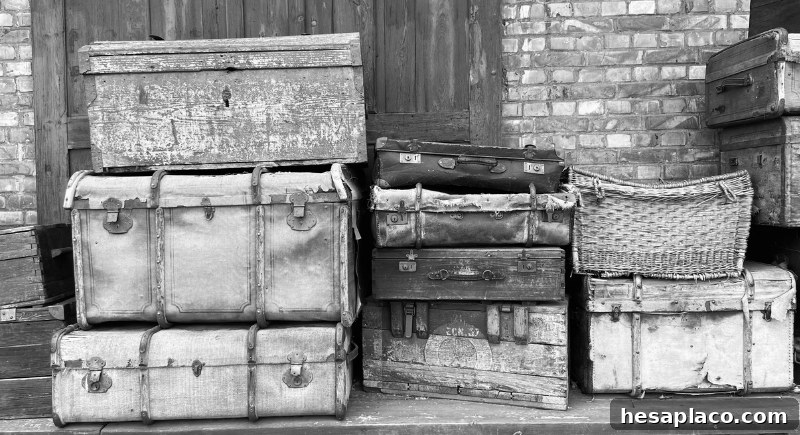
Charlotte Cardeza’s Trunks and Crates
Credit: pexels
American heiress Charlotte Cardeza traveled with a remarkable amount of luggage: 14 trunks, four suitcases, and three crates. Her insurance claim amounted to $177,352.75 at the time—about $5.8 million today. Cardeza survived the disaster and later filed one of the largest personal property claims against the White Star Line for the lost belongings.
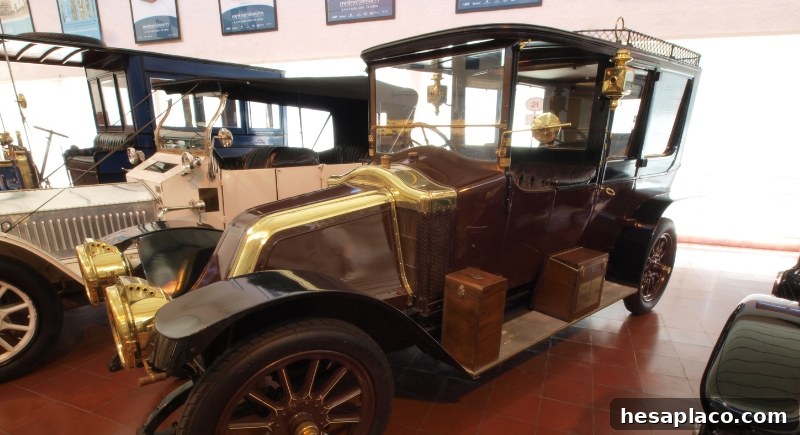
The Renault Type CB Coupé de Ville
Credit: Wikimedia Commons
William Carter, an American millionaire and passionate polo player, had bought a 1912 Renault Type CB Coupé de Ville while in Europe. Valued at about $5,000 then—roughly $162,000 today—the car was likely crated in steerage. Carter survived by boarding Collapsible C as water rose onto the forecastle deck. The Renault, however, lies somewhere in the Titanic’s debris field.
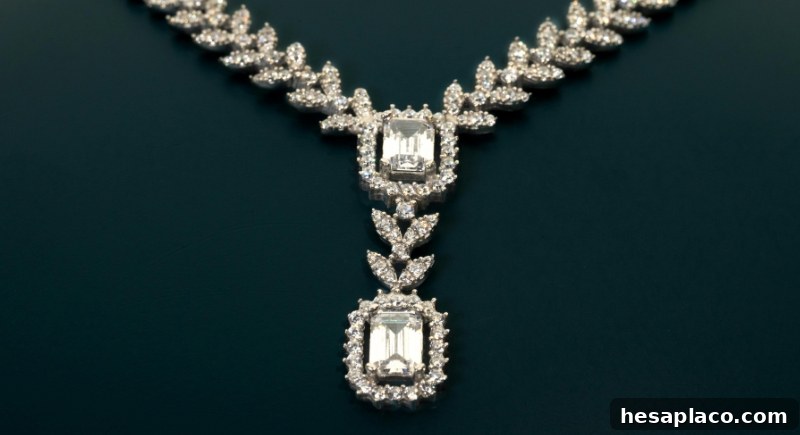
Margaret Brown’s Diamond Necklace
Credit: pexels
Margaret “Molly” Brown lost several valuables in the sinking, including a diamond necklace worth about $7,000 in 1912—approximately $230,000 today. Returning from Egypt with artifacts intended for a Denver museum, she managed to save a small Egyptian statue by slipping it into her pocket before boarding a lifeboat; she later gifted that keepsake to Arthur Rostron, captain of the ship that rescued survivors.
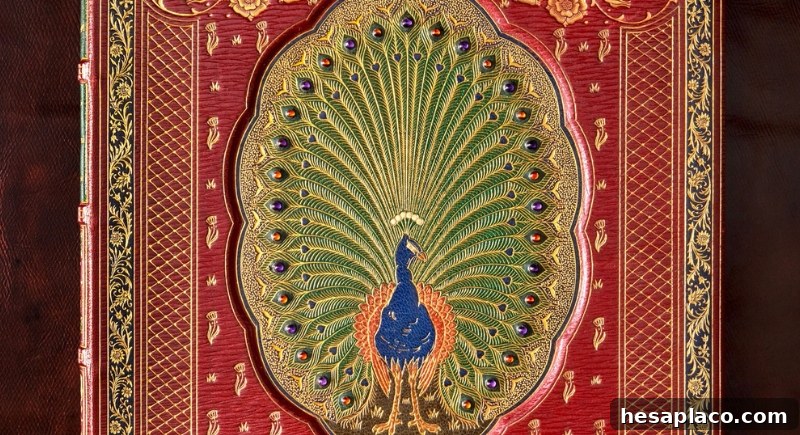
The Jeweled Rubáiyát of Omar Khayyám
Credit: Instagram
Binder Francis Sangorski spent two years creating an opulent edition of the Rubáiyát of Omar Khayyám, embedding it with around a thousand jewels and sheets of gold leaf. Purchased at auction by an agent for Gabriel Wells for £405, the book missed its intended sailing and was placed aboard the Titanic instead. The unique, jeweled binding was lost when the ship sank; today the work’s value is estimated in the millions.
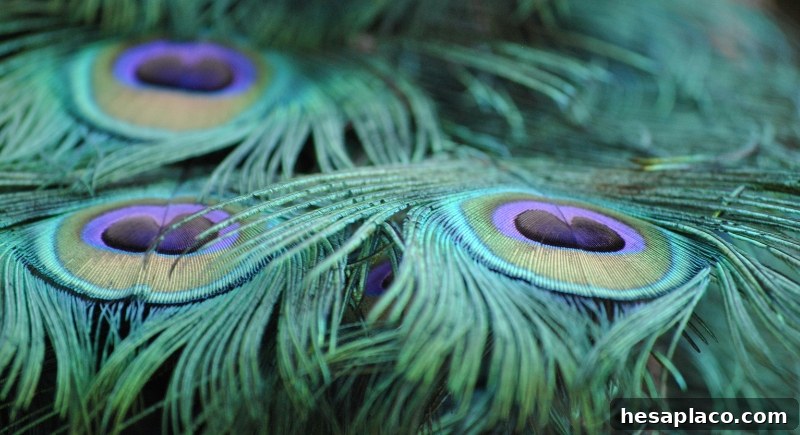
Exotic Feathers
Credit: pexels
A consignment of rare feathers destined for fashion houses sank with the Titanic. Valued at roughly $2.3 million in today’s dollars, these exotic plumes were highly sought after for the millinery trade, which drove the popularity of elaborate hats. The demand was so intense that hunters in remote regions sometimes killed birds solely for their feathers. The loss represented a substantial financial setback to importers and designers of the era.
A 110,000-Foot Film Reel Collection

Credit: Wikimedia Commons
Motion-picture pioneer William Harbeck was transporting more than 110,000 feet of film when the Titanic sank. His reels included promotional footage and personal projects intended for American audiences. With early cinema still in its formative years, original film reels had both cultural and commercial value. Neither Harbeck nor his films survived, and whatever motion pictures those reels contained were lost to history.
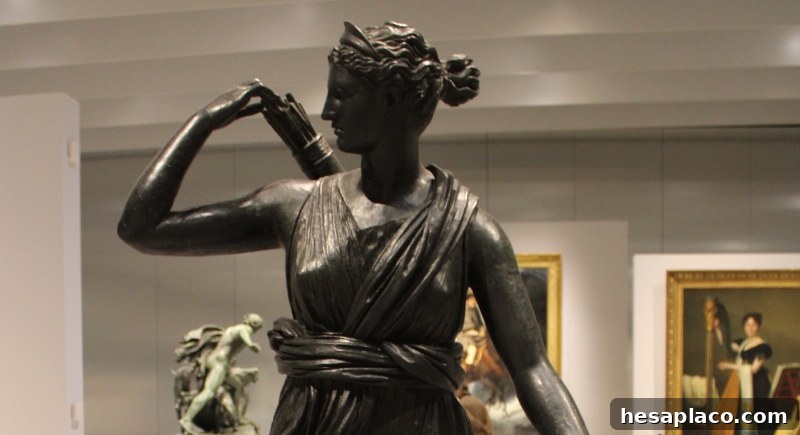
The Diana of Versailles Bronze Statuette
Credit: Wikimedia Commons
A two-foot bronze copy of the Diana of Versailles once adorned the first-class lounge mantel. Modeled after the famous marble in the Louvre, the statuette was long assumed lost or illegally salvaged. In 2024, a team from RMS Titanic Inc. located the bronze during a three-week expedition; it was partially buried in sediment on the seabed, though it has not been recovered.
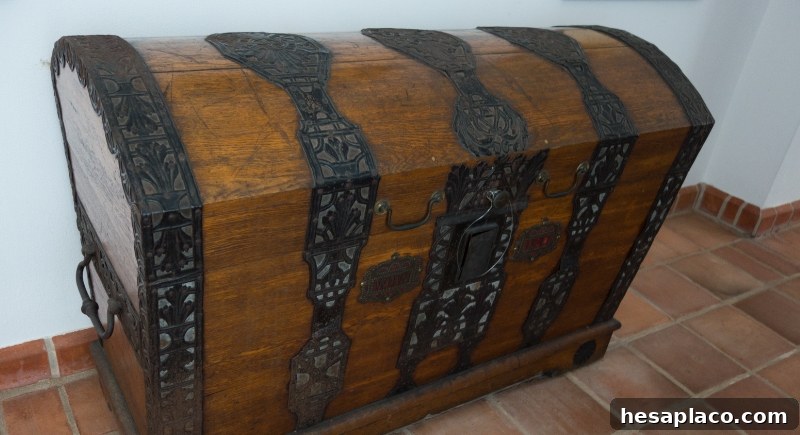
Edith Rosenbaum’s Fashion Samples
Credit: Wikimedia Commons
Fashion journalist Edith Rosenbaum survived the sinking and became known for a small musical toy pig she carried, which played the “Maxixe” when wound. That pig featured in interviews and lectures she gave for decades, but many of Rosenbaum’s trunks containing Paris fashion samples were lost. Those garments and swatches represented contemporary haute couture and would have been valuable artifacts today.
John Jacob Astor IV’s Personal Effects
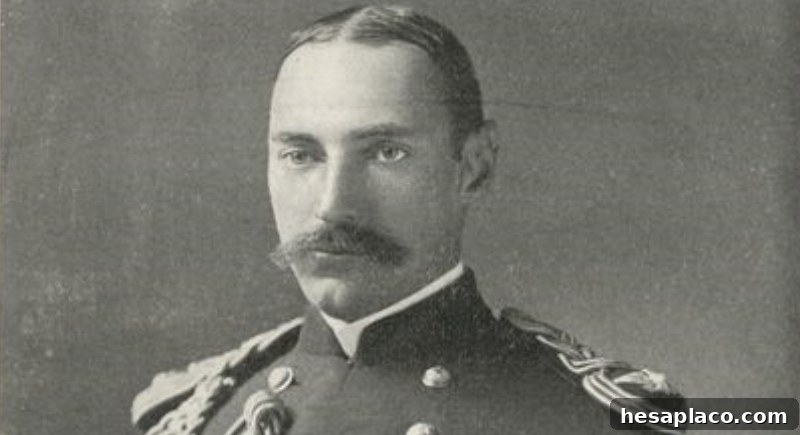
Credit: Wikimedia Commons
John Jacob Astor IV, the wealthiest passenger aboard the Titanic, perished with the ship. Adjusted for inflation, his wealth would exceed $2.8 billion today. When his body was recovered days later, he still wore a gold pocket watch and cufflinks and carried a diamond ring and cash. Astor had been traveling through Europe and Egypt with his young wife, Madeline, and many of the items they purchased on their trip were lost in the wreck.