
Most people desperately seek the secret to work-life balance, but the truth is there’s no universal solution. Modern life—and the constant presence of technology—adds complexity, keeping us available to employers, colleagues, and clients around the clock while we also feel pressure to perform at home.
Experts frequently recommend practicing presence or mindfulness, yet that can feel impossible when there’s a mountain of laundry and an overflowing inbox. Still, professionals say excelling at work and connecting with loved ones at home don’t have to be mutually exclusive.
Below are practical strategies to help you manage both realms more effectively.
Dedicate Screen-Free Time at Home
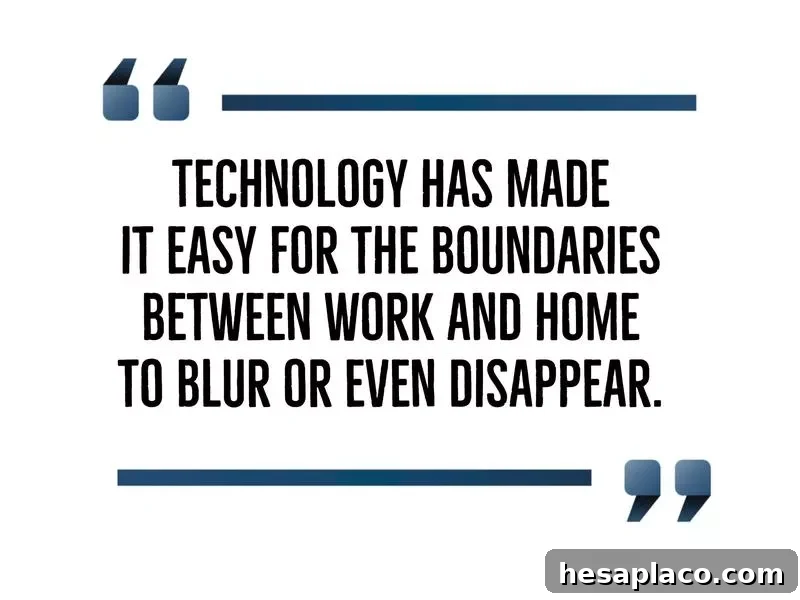
Technology has blurred—and sometimes erased—the boundaries between work and home. As accessibility and expectations for quick responses have shifted, many people feel compelled to bring work into their personal lives in ways previous generations didn’t. That calls for new strategies to manage multiple roles without burning out.
Pick specific windows to disconnect from screens: a short period in the morning before the day begins, family dinners, or a set block in the evening after work. It’s hard at first because checking devices is a deeply ingrained habit. If an urgent work matter requires attention, step away to handle it and then return only when you can give your family your full attention. Kids can be confused by parents who are physically present but mentally absent.
Set Up Safeguards

Some parents find it necessary to turn off or hide devices to focus on children—not out of reluctance to engage, but because screens are too tempting. Treat family time as sacred by creating predictable no-electronics periods for evenings or weekends.
Children (and adults) are conditioned to reach for a screen when bored or uncomfortable. Designate tech-free intervals to talk, play, and build meaningful connection. Busy-ness can become an avoidance strategy; regular safeguards help reveal what we might be escaping from and encourage more intentional presence.
Test Your Intentions and Feelings

Ask yourself: “If I put down my phone or laptop, or walk away from my desk, I would have to (blank), and I don’t want to do that because (blank).” Honest answers often surface uncomfortable feelings—loneliness, regret about missed moments, or anxieties we’ve been avoiding.
Work can become a form of numbing. Achieving healthier balance requires a readiness to engage with life, not just hide in tasks. Recognizing what you avoid helps you make more deliberate choices.
Keep Work at Work, Be Home at Home
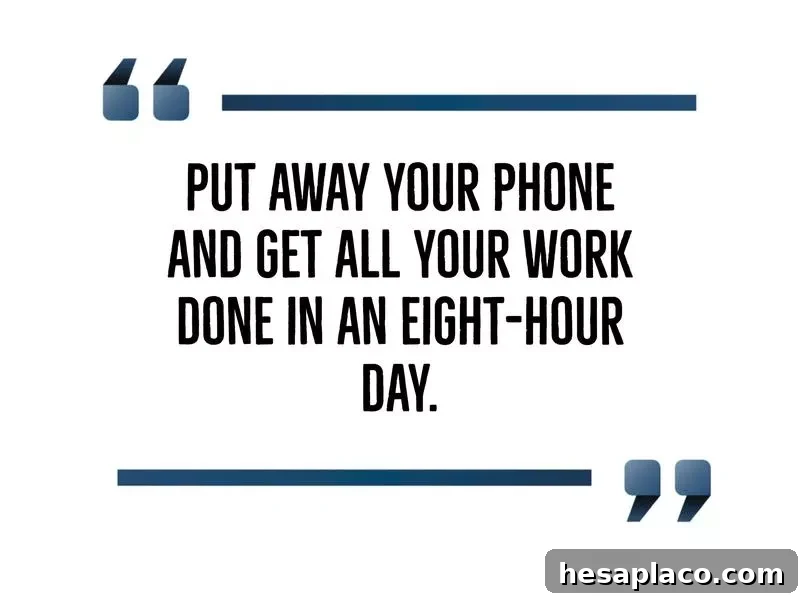
Differentiate between work and home and build transition time. If you commute, use that period to mentally shift from one role to the other. Once you’re home, try to disconnect from technology until the next workday. When total disconnection isn’t realistic, set specific times to check voicemail and emails and allocate limited blocks to finish tasks—then set a timer and focus solely on that work until it’s done.
Setting Boundaries Protects Your Priorities
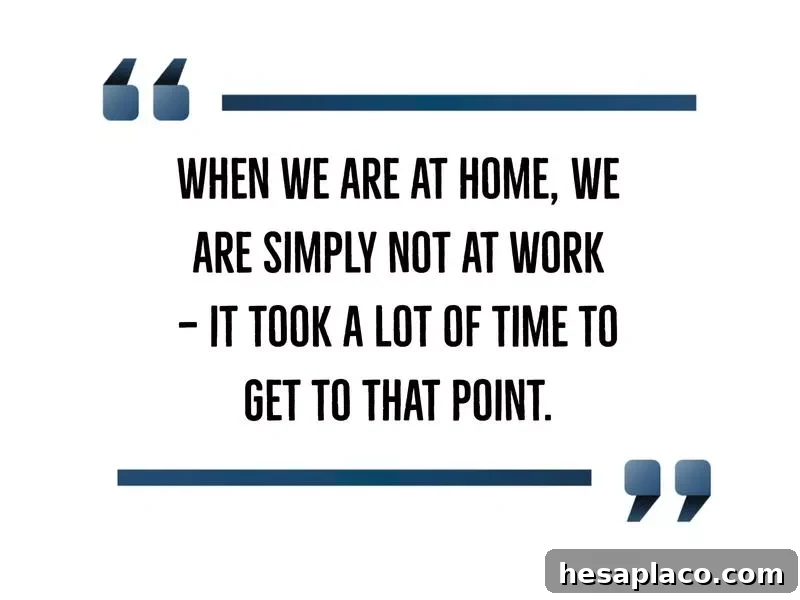
Structured schedules can help: some people answer emails early in the morning or late at night to preserve daytime family hours. Others recommend the opposite—focus intensively during the workday and keep evenings off. What matters is choosing the approach that protects your priorities.
Boundaries create space for what matters. Saying no to work during family time can initially feel risky, but often it earns respect and reinforces the separation between work and home. Scheduling unstructured “nothing” time is valid and often essential for family wellbeing.
Don’t Multitask

Multitasking usually reduces effectiveness and presence. A simple mantra—wherever you are, be there—helps: participate fully at work and fully at home. If you need to pause your workday to handle family matters, do that intentionally. One task at a time yields better outcomes and less stress.
Direct Your Attention

Single-tasking improves focus and presence. Identify one small daily habit—such as ending a call before entering the house—so you can greet loved ones fully present. Give each activity your full attention, and then switch gears with intention. Divided attention diminishes the quality of both work and relationships and leaves you feeling like you’re doing everything poorly instead of doing specific things well.
No One Is the ‘Perfect’ Parent or Employee

Perfection is unrealistic. Cut yourself some slack. In partnerships, leaning on each other to manage work-life pressures allows both people to thrive and can strengthen intimacy. Parenthood often brings higher distraction for couples; open communication about needs and shared responsibilities can create a new rhythm that supports both relationship and family life.
Avoid the Guilt Trap

Don’t guilt yourself for not being instantly available to your children. Periods away from direct caregiving offer kids valuable opportunities: learning to govern play, manage boredom, and foster independence. Over time, children also see parents as role models who productively engage in diverse activities.
Delegating tasks and relying on support can significantly reduce stress. You don’t need to perform perfectly in every arena all the time.
Weigh Each ‘No’ and ‘Yes’

Saying yes to one thing means saying no to another. Tie decisions to your priorities and values so choices become clearer. Verbally acknowledging trade-offs—“I’m not playing with my son because I’m scrolling social media” or “I’m skipping chores to meet a deadline”—can expose whether the choice aligns with what matters most.
For many, leaving a legacy of being present for family outweighs short-term work gains. Use that perspective to guide choices in stressful periods.
Be Directed and Devoted

Avoid “rogue” priorities—activities that steal time but hold little real value. Clarify what truly deserves your time and energy. When priorities are clear, you can devote appropriate attention to work, family, or both, and let less important things fall away. Priorities change over time, and accepting that shift can ease pressure to do everything at once.
Make the Choice

Life is inherently difficult; we can’t avoid challenges or be perfect at everything. What we can do is decide which discomforts we are willing to accept and choose accordingly. In moments that require choosing between work and family, consider the consequences and decide which discomfort you prefer to live with.
Start Small

Change takes time. Don’t expect immediate perfection—if you need to take a call during family dinner on occasion, don’t let that derail progress. Make small, sustainable changes you can commit to. Think of this as a shuffle rather than perfect balance: balance implies equal time and energy, which is often unrealistic. Define what being a good parent, partner, or professional means to you, and measure success against your own values rather than others’ expectations.
Begin with one small habit, protect your priorities, and give yourself permission to adjust as life shifts. Over time, intentional choices and clearer boundaries will make it easier to be both effective at work and present at home.