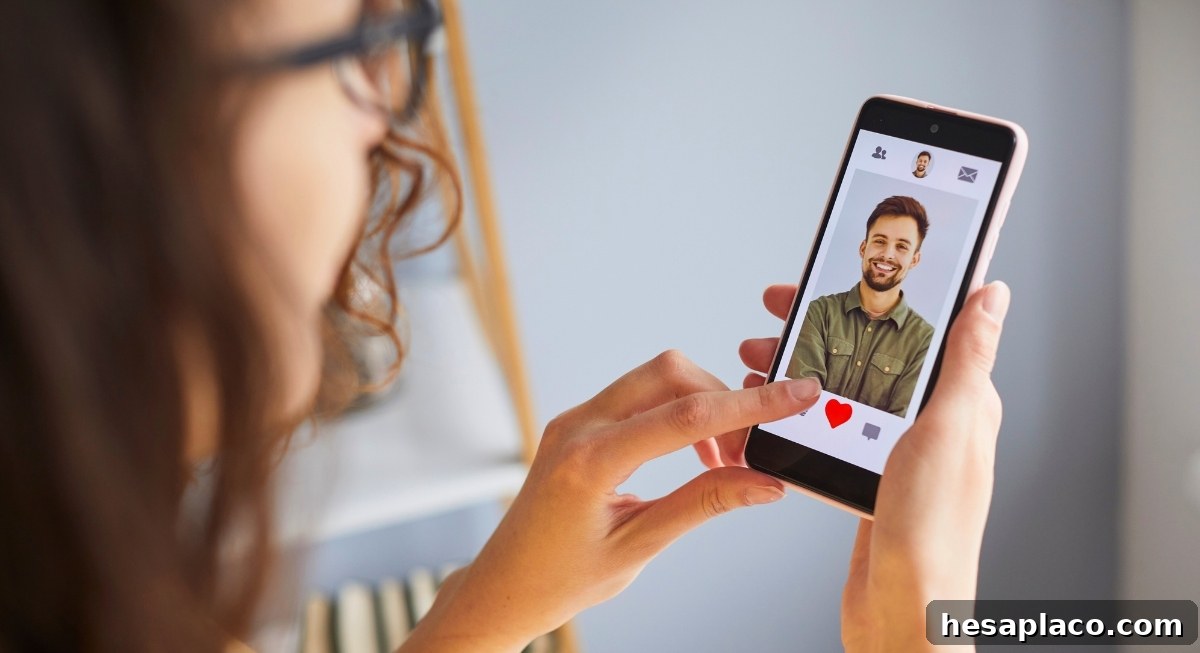
Dating apps have become a marketplace where people seek everything from genuine connection to quick validation. Swiping has largely replaced meeting people in person, and interacting through a screen is now a normal part of daily life. A new concern is emerging, however, one that is not about catfishing or romantic dishonesty but about marketing tactics that exploit dating platforms.
Across TikTok and Reddit, users have shared stories of being matched with profiles that turned out to be marketing schemes. In many cases, the person on the other end was not a real potential partner but a promotional account created to draw customers to a restaurant.
This tactic—sometimes called “food digging”—uses dating apps to direct people to restaurants instead of to romantic encounters. It blends digital marketing with modern dating in a way that raises ethical questions about how far some businesses will go to attract patrons.
How Restaurants Are Pulling It Off
The basic approach is simple. A dating profile matches with someone, arranges a dinner, and then disappears before the date. Left at the table, many people stay and order food or drinks rather than leave empty-handed, effectively turning the would-be date into a paying customer.
Reports of the practice first surfaced in India, where users noticed suspicious profiles that consistently suggested the same restaurant. People who arrived at the venue found themselves stood up, and online conversations soon revealed multiple users being directed to the same establishments through similar fake accounts.
By late 2023, similar stories appeared in the United States. TikTok creators reported being matched by profiles that scheduled dinner plans and then unmatched or went silent after confirming the date. In some incidents, different victims later realized they had been steered to the same venue after exchanging nearly identical messages with those accounts.
Cybersecurity experts point to the tactic’s effectiveness: it relies on predictable human behavior. When someone has made the effort to show up dressed and ready, many prefer to stay and order something rather than walk out embarrassed. The rise of AI tools has made the setup easier to execute, since realistic photos and convincing profile content can be generated rapidly. In some variants, a real person pressures the match to order an expensive meal and then vanishes before paying.
Safety specialists advise watching for clear warning signs. Accounts that insist on meeting at a single specific spot immediately, or profiles that use heavily edited or inconsistent photos, can be red flags. Users should take screenshots of conversations, report suspicious profiles to the app, and avoid confirming plans that feel scripted or unusually specific.
Marketing Disguised as Romance
While standing out in a competitive restaurant market is important, creating fake dating profiles to funnel customers raises serious ethical concerns. Dating platforms are already rife with fake accounts and algorithmic manipulation; turning romantic interactions into covert advertising risks further undermining trust among users who expect sincerity when they use these services.
The tactic highlights how easily personal online spaces can be repurposed for commercial gain. For some, the idea of being tricked into dinner is an amusing anecdote; for many others, it is a frustrating or even disturbing violation of the trust that users place in dating apps. As this practice gains attention, users, platforms, and regulators may need to consider new measures to protect people from marketing disguised as romance.