
Selling a home is stressful. On average, it takes buyers about 2.8 months from the time a property is listed to closing. More than 30 percent of sellers temporarily take their home off the market during that process. They hold about 1.9 open houses on average and receive only around 2.5 offers. According to a Zillow Group report, at least one of those offers will often fall through. Many homeowners accept whatever offer they can get just to finish the process. But some sellers get a pleasant surprise: their home ultimately sells for more than the original asking price.
Starting a Bidding War
Selling a home above the list price isn’t just about luck or finding one highly motivated buyer at the right moment. A Zillow report from October 2016 found that sellers who achieved sales two percent or more above list price shared common strategies. Real estate agents also recommend specific steps homeowners can take to encourage competitive offers. Achieving a sale above list price usually reflects careful planning and actions that remove buyer reservations and stimulate demand.
Below are the tactics Zillow surveyed sellers used—and additional tips agents recommend—to help you attract the best possible offers for your property.
Figure Out What Your Home Is Worth
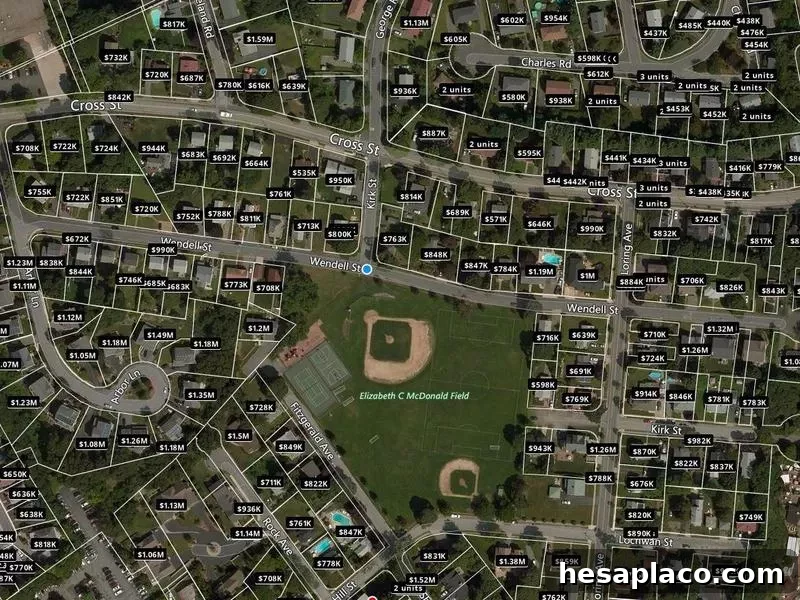
Websites, including Zillow and Trulia, let you see estimated home values on a local map. Zillow
Seventy-one percent of sellers who sold above list price planned ahead. They researched the local market, consulted neighbors and recent buyers, and spoke with real estate professionals to understand what the market would bear before setting a list price. Many used online valuation tools, and 31 percent hired an appraiser to obtain an accurate valuation before listing.
Hire an Agent

Getty Images
Ninety percent of sellers who achieved above-list sales used an agent. They didn’t just pick the first agent available—68 percent interviewed at least two agents and researched their recent sales and local reputations. Choosing an experienced, well-connected agent can make a significant difference in pricing strategy, marketing, and negotiating offers.
Pay for a Preemptive Inspection
Getty Images
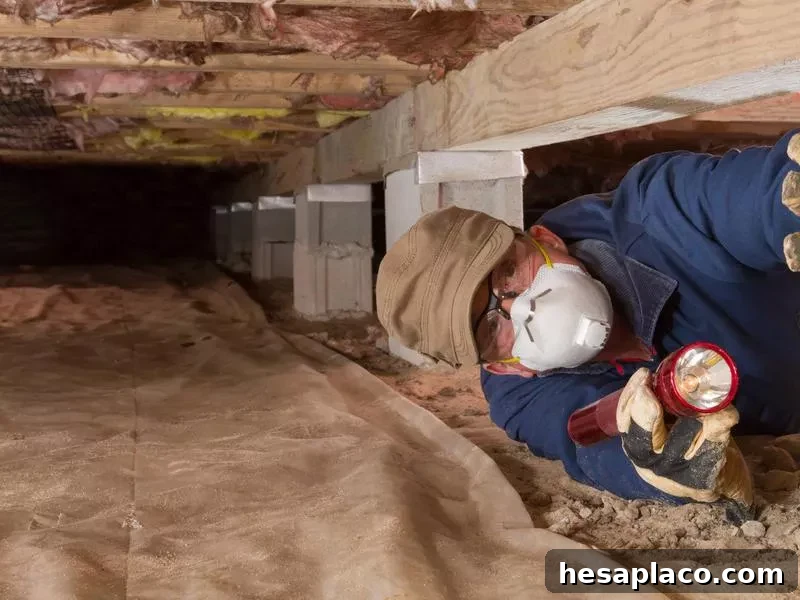
Hiring a home inspector before listing can identify issues that might derail a buyer’s loan approval or lead to renegotiation. Preemptive inspections expose problems early so you can repair them or disclose them upfront, reducing buyer hesitation and last-minute surprises. Notably, 86 percent of buyers in above-list sales still ordered an inspection before closing, so addressing major concerns in advance helps maintain buyer confidence.
Make Meaningful Updates
Getty Images
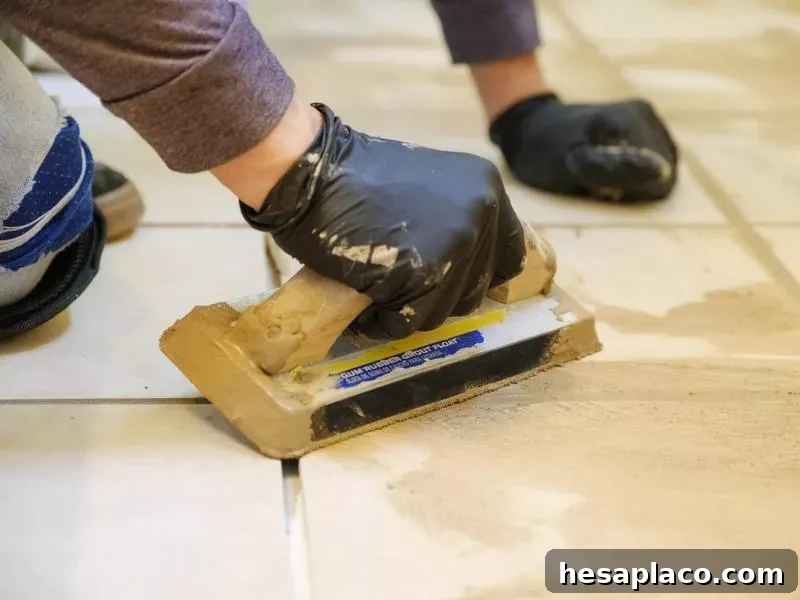
While some sellers leave outdated features for the buyer to handle, Zillow found that homes selling above list price were 50 percent more likely to have had renovations. Sellers who updated kitchens, repaired roofs, or modernized bathrooms tended to attract higher offers. Buyers are more inclined to pay a premium for move-in-ready homes rather than offering a lower price to cover renovation costs.
Keep Up With Routine Maintenance

Getty Images
Sellers often prioritize big projects but neglect daily upkeep. Small issues—overgrown landscaping, a dripping faucet, or clogged gutters—signal neglect and can raise doubts about deeper problems. Basic maintenance and curb appeal matter: neat landscaping, trimmed shrubs, and a freshly painted front door make a strong first impression. Many real estate professionals note that buyers form an opinion about a home within moments of entering it, so attention to small details matters.
Online Appeal Is the New Curb Appeal
Zillow
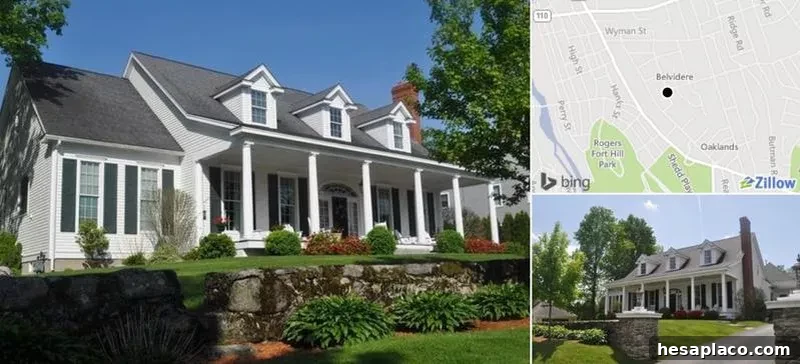
Most buyers begin their search online, so strong digital presentation is critical. Professional photography, virtual tours, and even drone footage can significantly increase interest. Investing in high-quality visuals helps your listing stand out and convinces potential buyers to schedule an in-person showing.
Use Quality Photography

Getty Images
Professional photography can be a smart investment. While some sellers take their own pictures, professional photos typically present your home at its best and can attract more viewers. If you do take your own photos, avoid smartphone flash, shoot at times when natural light flatters rooms, and take multiple shots to capture the best angles.
Stage the Home

Getty Images
About 26 percent of sellers who received above-list offers paid for professional staging. Stagers arrange furnishings, select neutral colors, and remove clutter to highlight a home’s strengths and help buyers envision themselves living there. Staging can be especially effective for vacant properties, where well-placed furniture and accents create a sense of warmth and scale.
Take Control of the Process
Getty Images
Of sellers who achieved above-asking offers, 82 percent held at least one open house. Some sellers also took the home off the market and relisted to refresh interest—26 percent did so at least once. You don’t need multiple offers to exceed list price: 27 percent of these sellers received only one offer, while 24 percent received four or more. Strategic marketing, timing, and presentation can yield strong results even without a full bidding war.
Be Counterintuitive with Pricing
Pricing a home slightly below market value—typically five to ten percent lower—can generate more interest and create a competitive atmosphere that leads to multiple offers. That competition can push the final sale price above market value. However, this tactic depends on local market conditions. In hot markets, underpricing may spur a bidding frenzy; in cooling markets, it may result in lower-than-expected outcomes. Always consult local market data and an experienced agent before choosing a pricing strategy.
In sum, selling above list price usually results from preparation, presentation, and strategy: knowing your home’s value, hiring a knowledgeable agent, addressing inspection issues early, investing in meaningful updates and staging, maintaining curb appeal, and using compelling online marketing. When sellers take deliberate steps to reduce buyer uncertainty and increase perceived value, they’re much more likely to attract competitive offers and secure a favorable final sale price.