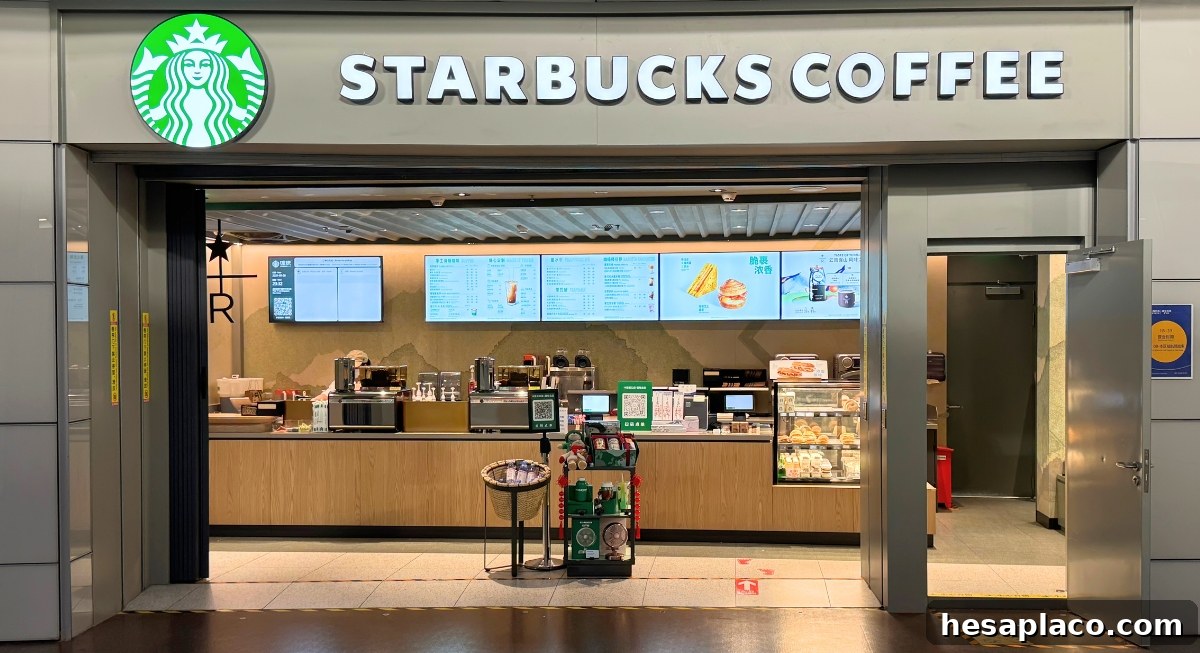
Starbucks is undergoing one of its most significant reorganizations in years. CEO Brian Niccol, who assumed leadership in 2024 after a successful run at Chipotle, has unveiled a $1 billion restructuring plan. As part of that plan, the company confirmed it will close about 1% of its North American locations in fiscal year 2025, reducing its footprint to roughly 18,300 stores across the U.S. and Canada. Hundreds of cafés will be shuttered, with closures focused on underperforming locations or sites that the company says no longer provide the experience customers expect.
In addition to store closures, Starbucks plans to cut about 900 non-retail corporate roles. This follows earlier reductions, including 1,100 corporate layoffs announced in February and a voluntary separation program offered in July that provided departing employees with payouts ranging from $20,000 to $100,000. Affected employees will receive severance and extended benefits. According to the company’s SEC filing, total restructuring costs are expected to be about $1 billion, with roughly $150 million earmarked for severance and approximately $450 million related to lease obligations. Most of these costs are expected to be borne by the North American business.
Remodeling Amid Competition and Customer Frustration
Image via iStockphoto/AlxeyPnferov
Store closures do not mean Starbucks is retreating everywhere. The company intends to remodel more than 1,000 locations over the next year, adding features such as enhanced seating and more power outlets. Starbucks also expects to open additional stores in fiscal year 2026. International expansion remains a priority: the company plans to open 80 new stores in the U.K. and 150 across Europe, the Middle East, and Africa. Still, the portfolio review also identified closures in several overseas markets, including the U.K., Switzerland, and Austria.
North America, however, is the most challenged region. Starbucks has reported six consecutive quarters of declining same-store sales in its largest market. In the third quarter of fiscal 2025, total revenue rose slightly to $9.456 billion, but same-store sales fell by 2%. Guests are spending a bit more per visit, yet fewer customers are coming in, leading to a 3% decline in transaction volumes. Operating profit in North America dropped 36%, and the company’s overall net profit fell nearly 47% compared with the same period the prior year. Analysts point to growing competition from faster drive-through competitors and say Starbucks’ brand strength has weakened relative to rivals.
The “Return to Starbucks” Gamble
Niccol has framed the initiative as a “Return to Starbucks” effort designed to bring customers back and make stores more welcoming. Tactics include reinstating self-serve condiment bars, simplifying the U.S. menu, and introducing new beverages such as a protein cold foam offering with 15 grams of protein and no added sugar. Niccol’s stated ambition is for each store to feel warm and inviting, offering seating suited to a variety of occasions—an aim that has faced skepticism amid reports of understaffed locations and long wait times.
Workers United, the union representing employees at more than 600 company-owned U.S. stores, criticized the restructuring plan, arguing that baristas were not consulted about decisions affecting their work and warning that workloads are already excessive. Starbucks has acknowledged the disruption but maintains that the changes are necessary to reset the business and restore service standards.
The Future of Starbucks
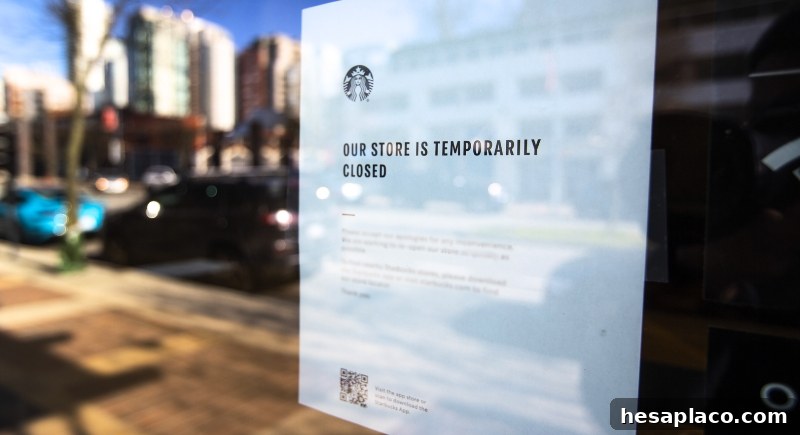
Image via Wikimedia Commons/GoToVan
The restructuring puts Starbucks in a difficult but transitional position. The company is taking on significant one-time costs to close stores and reduce headcount while promising widespread store upgrades, continued international expansion, and a renewed effort to drive growth in North America. Investors have noticed the turbulence—shares have fallen more than 8% so far this year—and customers are watching to see whether the promised changes translate into a better in-store experience.
Meanwhile, Starbucks’ operations in China are moving on a distinct path. Same-store sales in China rose in the third quarter, and the company is nearing a decision on the potential sale of its Chinese business. Potential bidders include Boyu Capital, Carlyle Group, EQT, and Sequoia China, with a decision expected by the end of October 2025. Completion of such a transaction would reshape Starbucks’ global strategy at the same time that Niccol’s restructuring is reshaping the company’s North American business.