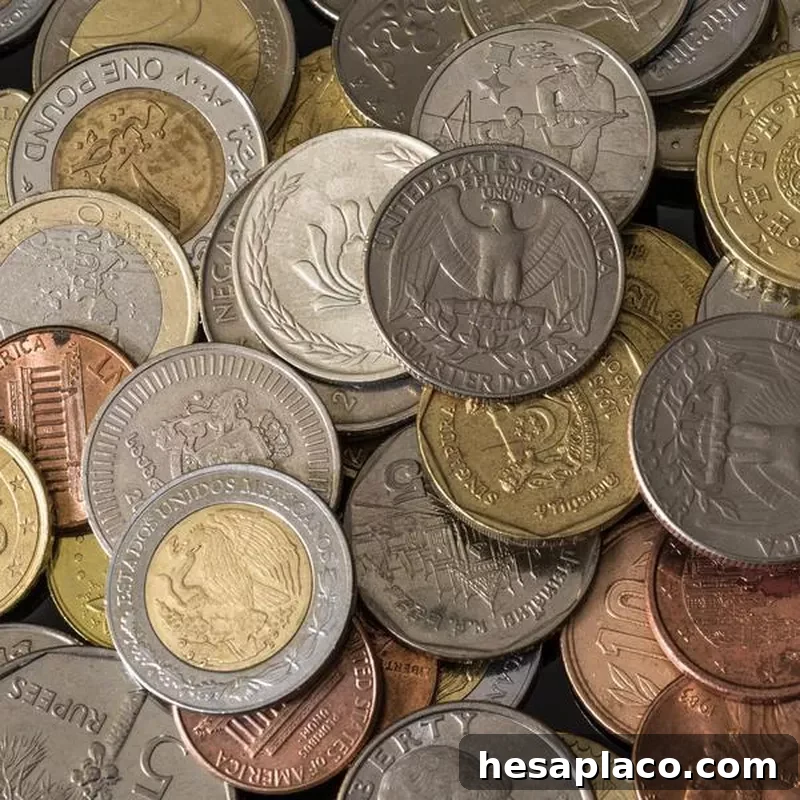
Few people become wealthy from selling coins. Although some coins fetch millions, most valuable pieces are not found in pocket change. The highest-priced coins were typically acquired as investments and preserved in pristine condition. Many coins are produced specifically as collectibles rather than for circulation, often released as themed sets.
There are exceptions: circulated coins can be valuable when minting errors are discovered after release or when low-mintage issues are hoarded by collectors. Auction records are usually held by uncirculated pieces, but even lower-grade coins of rare types can sell for many times face value.
Check your pocket change—you might own a coin worth more than its face value. Below are rare coins from around the world, all minted since 1995, that have fetched notable prices.
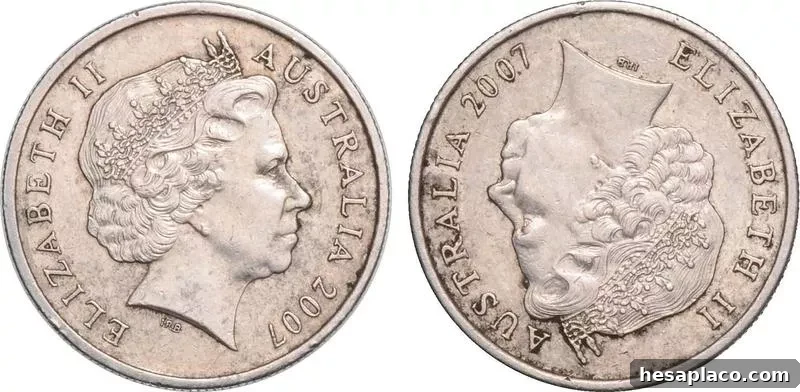
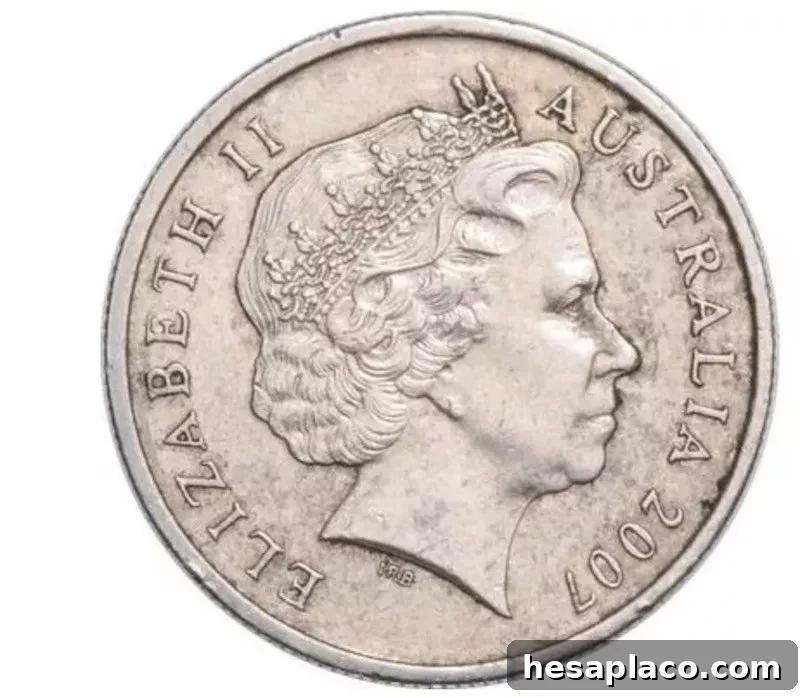
20. 2007 Australian Double Obverse 5 Cent
Downies
Sold on eBay: $46
Bottom Line: 2007 Australian Double Obverse 5 Cent
Downies
This error coin resulted from two obverse dies being paired together instead of an obverse and a reverse. The total number struck is uncertain, but estimates suggest up to several thousand may exist.
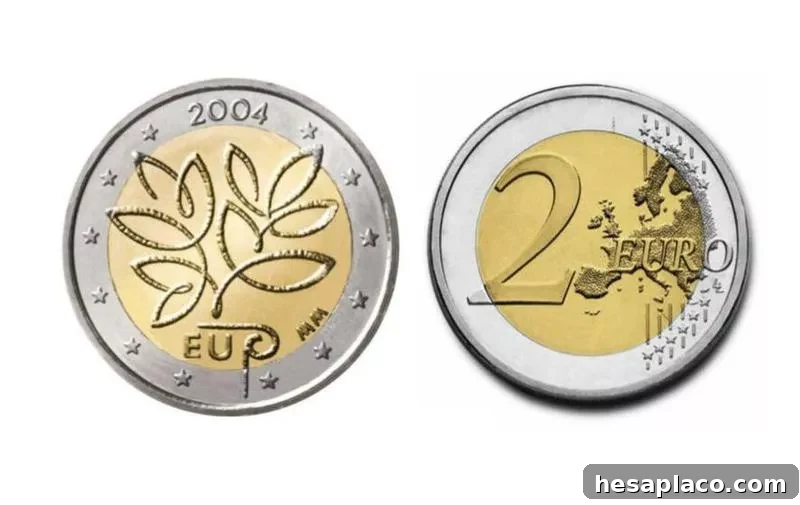
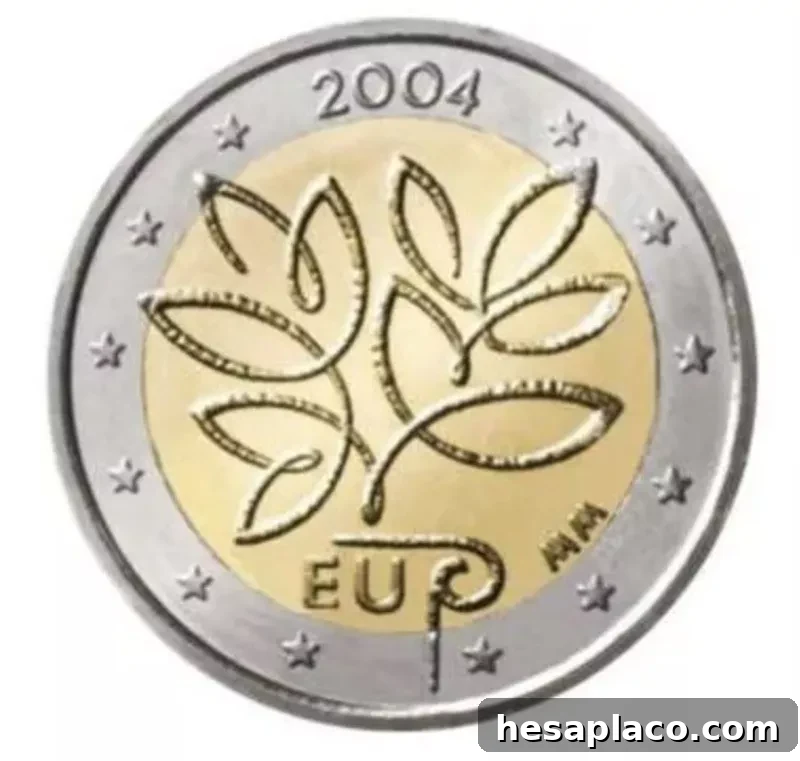
19. 2004 Finland 2 Euro
eBay
Sold on eBay: $50
Bottom Line: 2004 Finland 2 Euro
eBay
This coin commemorated the 2004 expansion of the European Union. Finland was the only country to produce a coin for this occasion, and almost one million pieces were minted in June and July 2004.
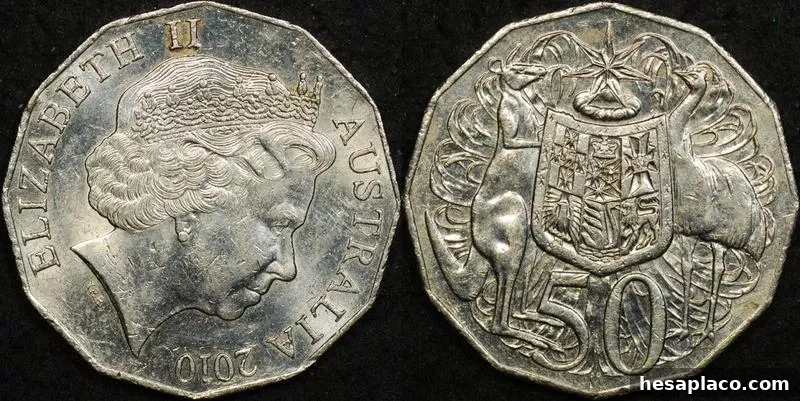
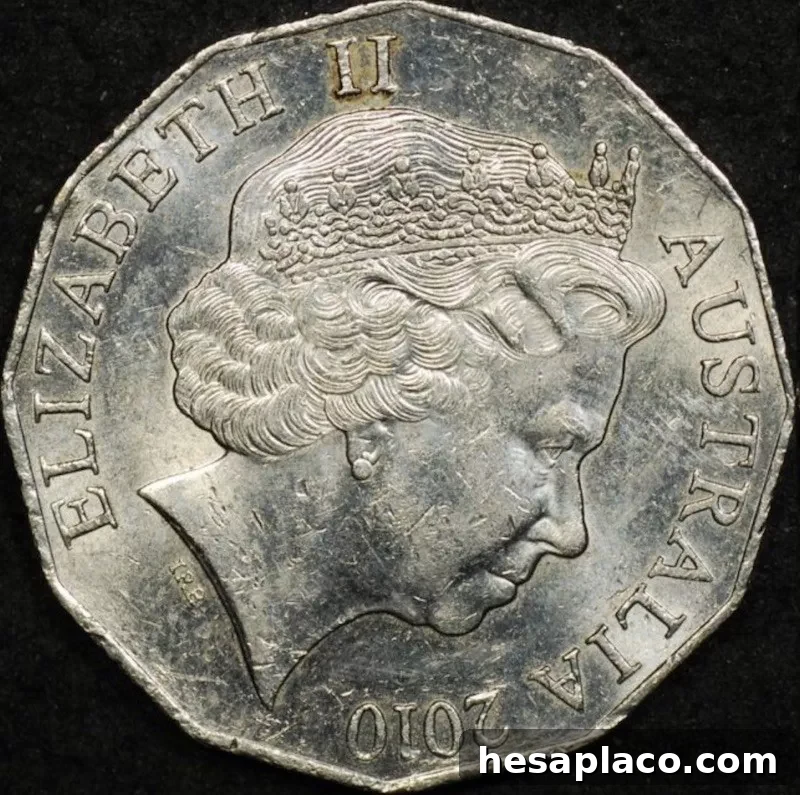
18. 2010 Australian Upset 50 Cent
Australian Coin Wiki
Sold on eBay: $80
Bottom Line: 2010 Australian Upset 50 Cent
Australian Coin Wiki
The obverse and reverse dies on this coin were offset by about 30 degrees. The cause is unclear, but the error appears limited—perhaps 200,000 or fewer coins exist.
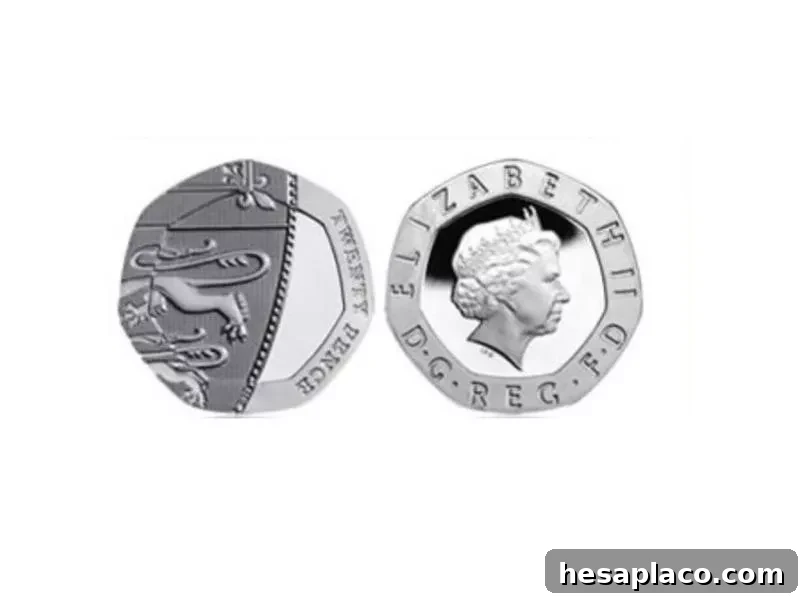
17. 2008 U.K. Undated 20p Coin
The Royal Mint
Sold on eBay: £72 ($91)
Bottom Line: 2008 U.K. Undated 20p Coin
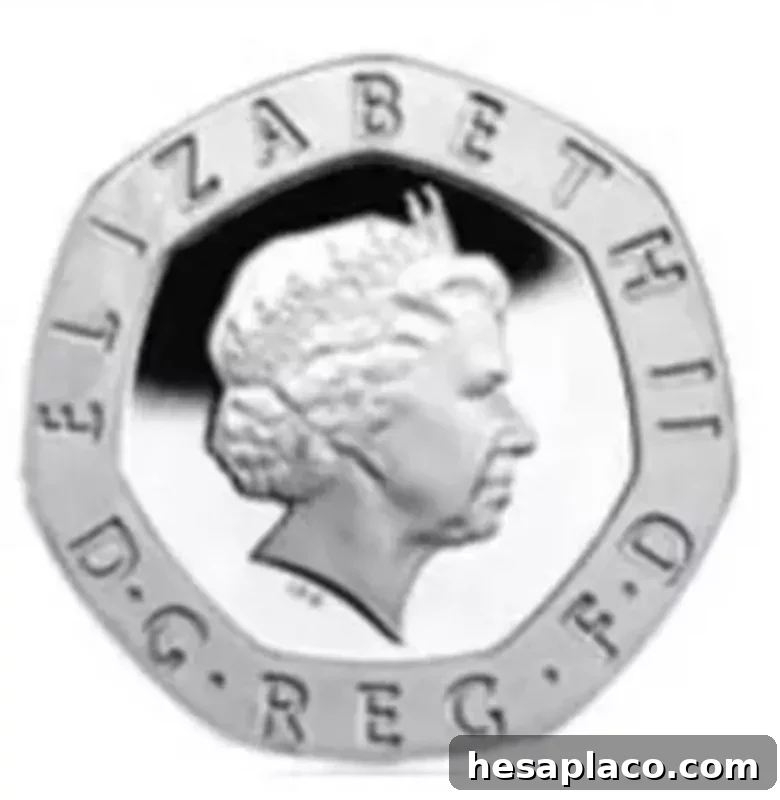
The Royal Mint
When the 20p coin design moved the date from the reverse to the obverse, a production mistake occurred: a 2008 reverse die was paired with a 2007 obverse die. This produced coins without a date. Between 50,000 and 200,000 of these undated 20p coins were struck.
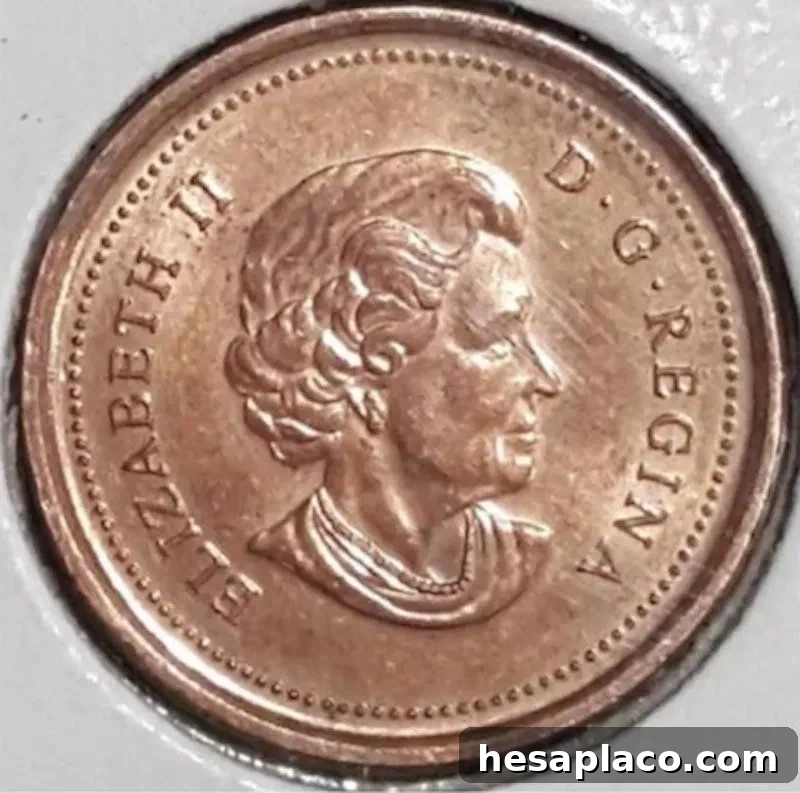
16. 2006 Canadian Magnetic No Logo/No P Penny
Collectors.com
Sold on eBay: $140
Bottom Line: 2006 Canadian Magnetic No Logo/No P Penny
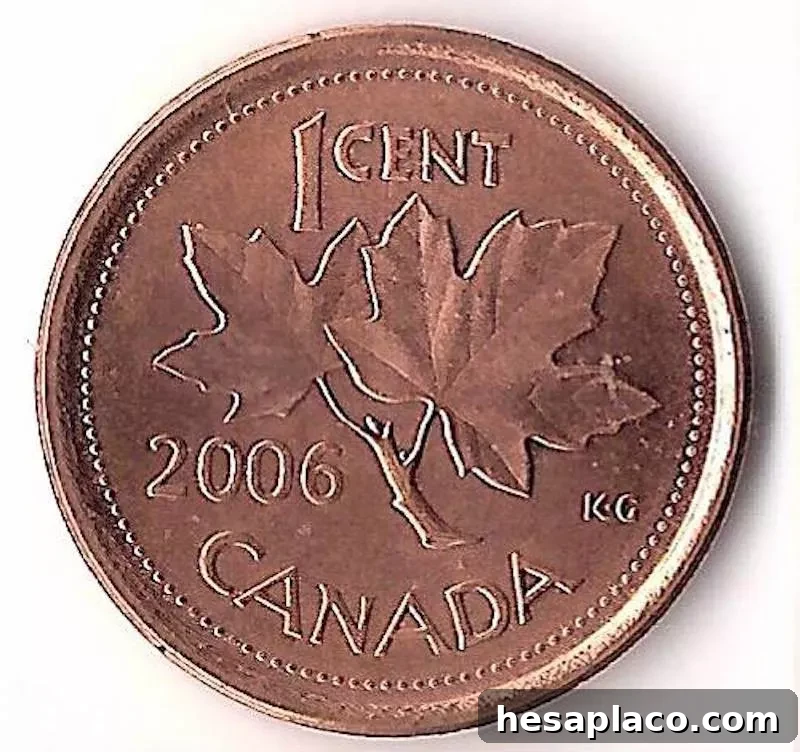
Coin Community
In 2006 Canada produced pennies with two different cores: zinc (non-magnetic) and steel (magnetic). The magnetic coins were supposed to include a small mark on the obverse—a P or the new Royal Canadian Mint crown/maple leaf logo—under the Queen’s portrait. Some magnetic pennies were produced without either mark, creating a sought-after variety.
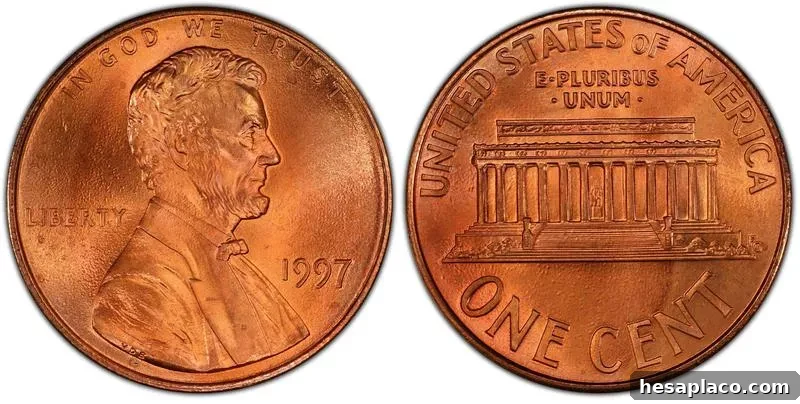
15. 1997 U.S. Double Ear Lincoln Penny
PCGS
Sold at auction: $404
Bottom Line: 1997 U.S. Double Ear Lincoln Penny
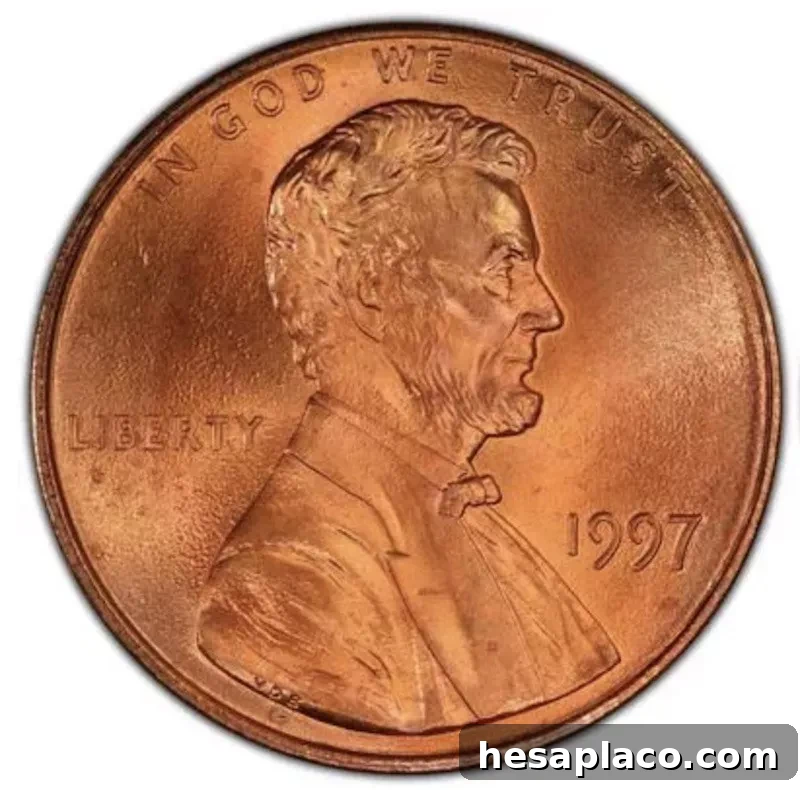
PCGS
A striking error produced doubling on the obverse, creating the appearance of two earlobes on Lincoln. This doubling makes the coin collectible.
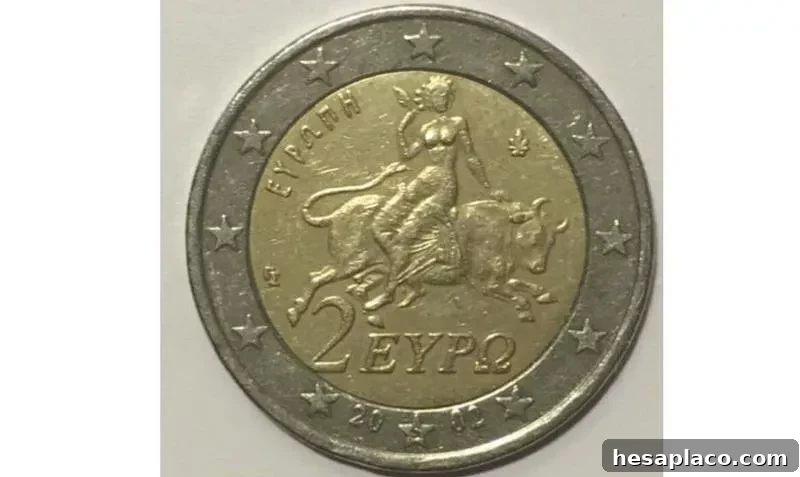
14. 2002 Greek 2 Euro
eBay
Sold on eBay: $500
Bottom Line: 2002 Greek 2 Euro
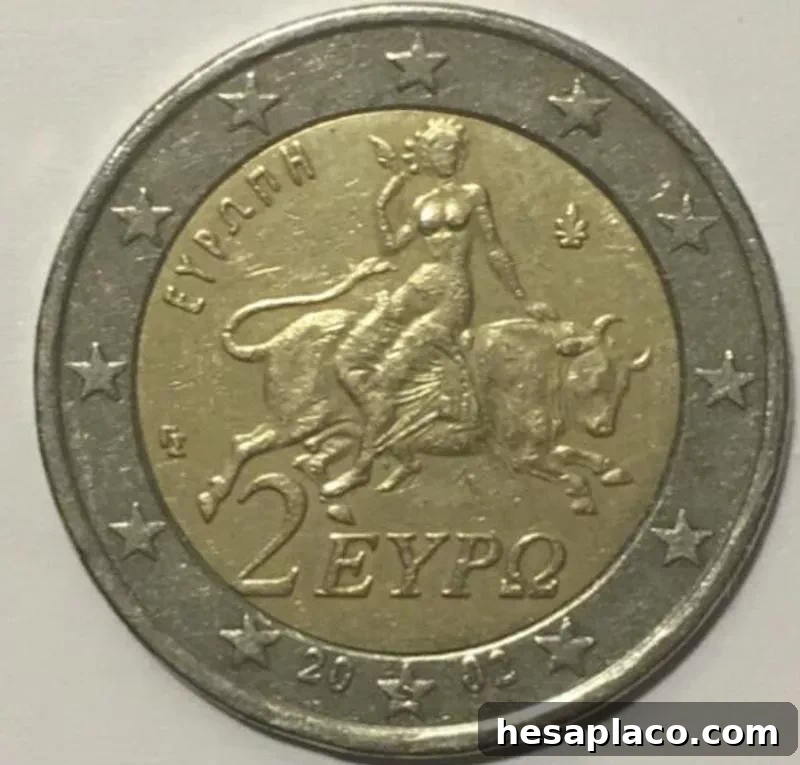
eBay
Some examples of this 2 euro coin show a small “S” inside one of the stars—indicating they were minted in Suomi (Finland) rather than Athens. That mintmark makes these examples rarer and more valuable.
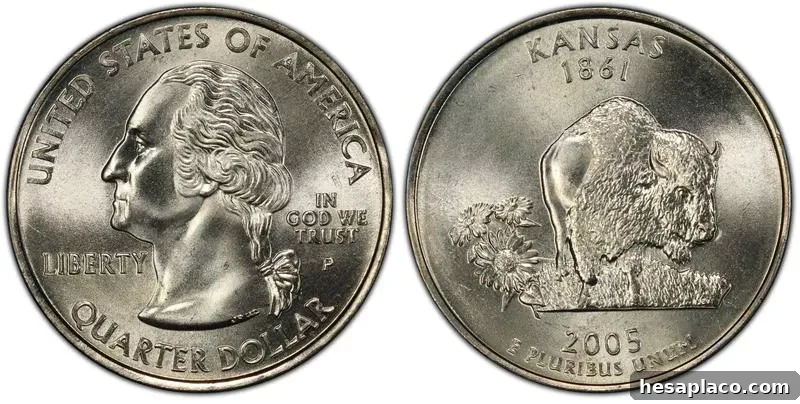
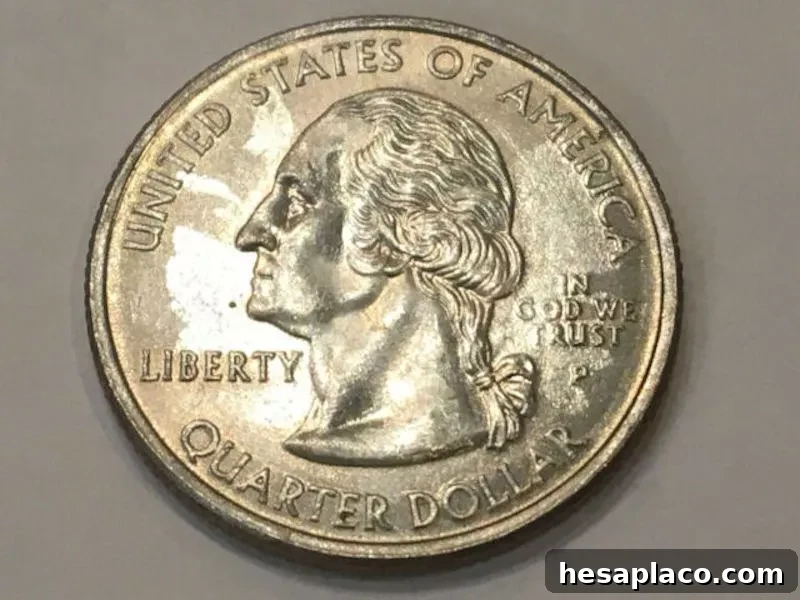
13. 2005 U.S. Filled Die Kansas State Quarter
PCGS
Sold at auction: $518
Bottom Line: 2005 U.S. Filled Die Kansas State Quarter
eBay
Known as the “In God We Rust” variety, this Kansas quarter shows a filled die error caused by grease or debris on the die surface. That buildup altered the appearance of the design; on close inspection the letter T in “Trust” remains but is obscured by the error.
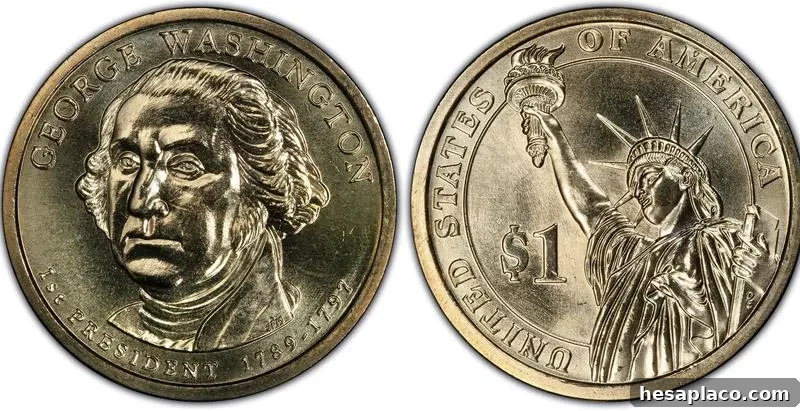
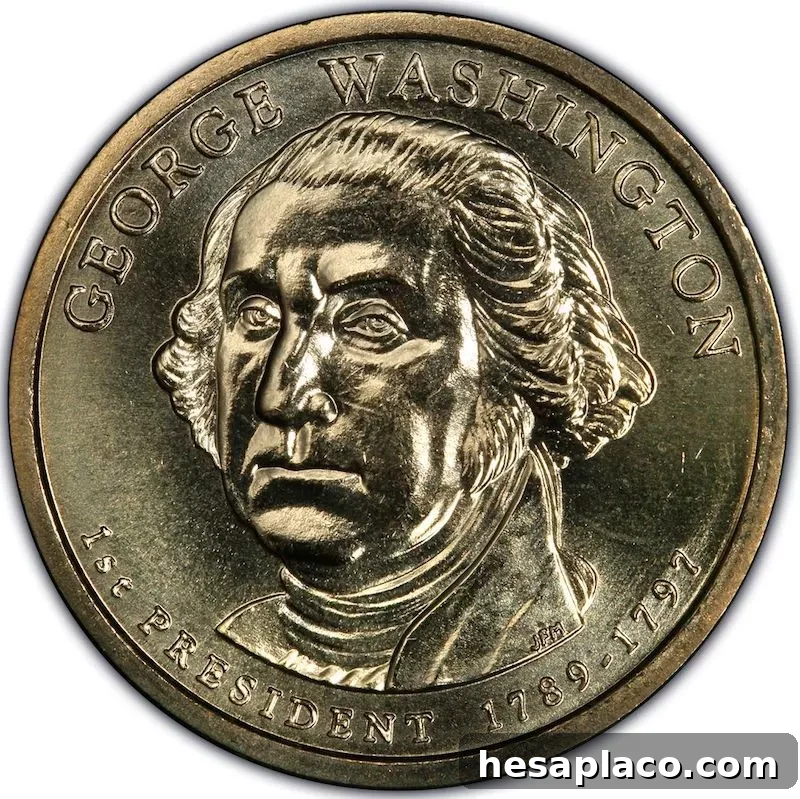
12. 2007 U.S. Missing Edge Lettering Presidential Dollar
PCGS
Sold at auction: $1,007
Bottom Line: 2007 U.S. Missing Edge Lettering Presidential Dollar
PCGS
Some George Washington presidential dollars from 2007 were struck without the edge inscription “In God We Trust,” earning the nickname “godless presidential dollars.” Although about 300 million presidential dollars were produced that year, the missing-edge-inscription errors appear limited to Philadelphia strikes. Estimates suggest roughly 50,000 error coins exist; most trade around $50, though higher-grade examples command more.
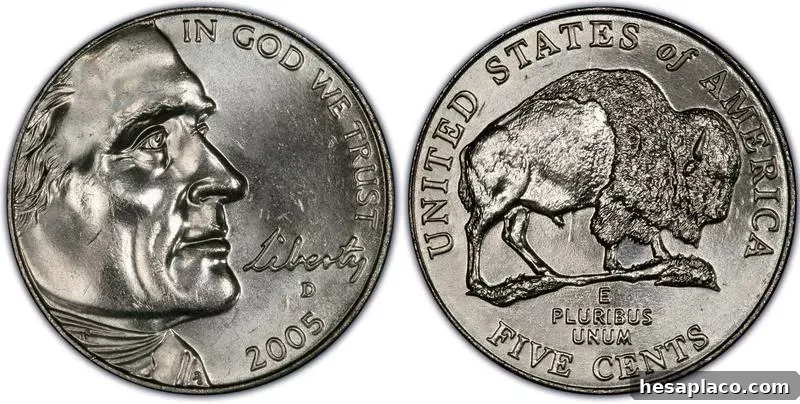
11. 2005-D U.S. Jefferson Bison Nickel
PCGS
Sold at auction: $1,265
Bottom Line: 2005-D U.S. Jefferson Bison Nickel
PCGS
A large die gouge created a distinctive mark along the bison’s back, dubbed the “Speared Bison.” Mint-state 2005 nickels are scarce because many planchets showed die gouges, nicks, and scratches; some struck pieces also display irregular color or luster from alloy mixing issues.
10. 2012 U.K. Olympic Swimming 50p
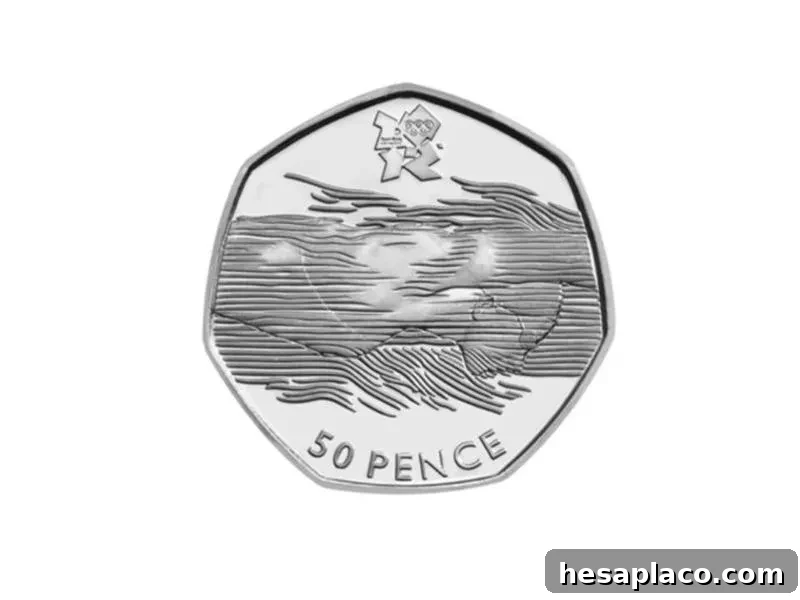
Change Checker
Sold on eBay: £820 ($1,353)
Bottom Line: 2012 U.K. Olympic Swimming 50p
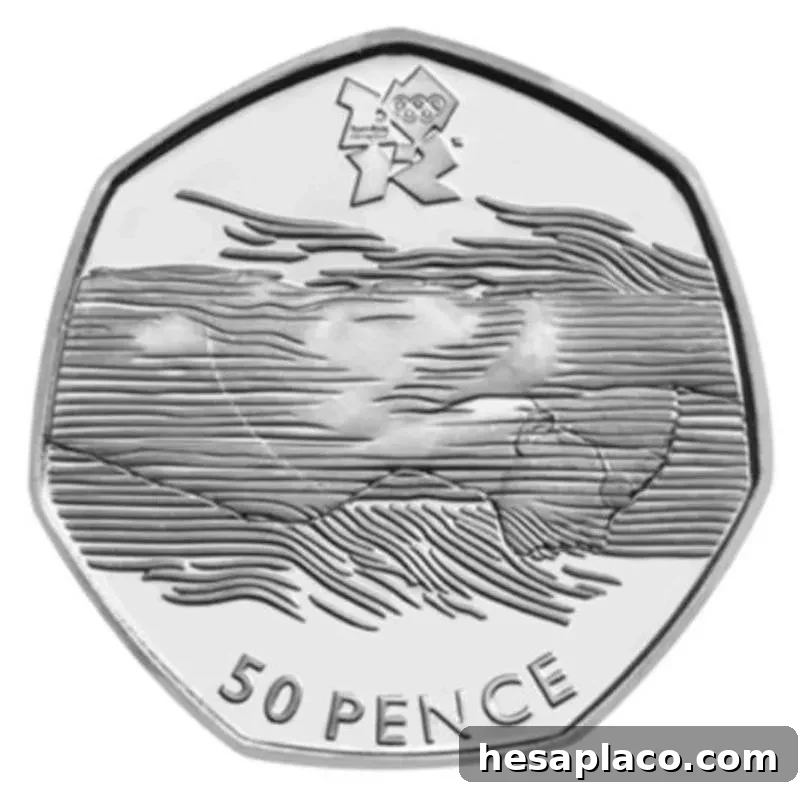
Change Checker
The Royal Mint released 29 distinct 50p designs to commemorate the 2012 London Olympics. The first batch of the swimming design had a minting flaw that made the swimmer’s face appear covered in water. The error was caught early, but roughly 600 error coins entered circulation, making them highly collectible.
9. 2000 Australian $1/10 Mule
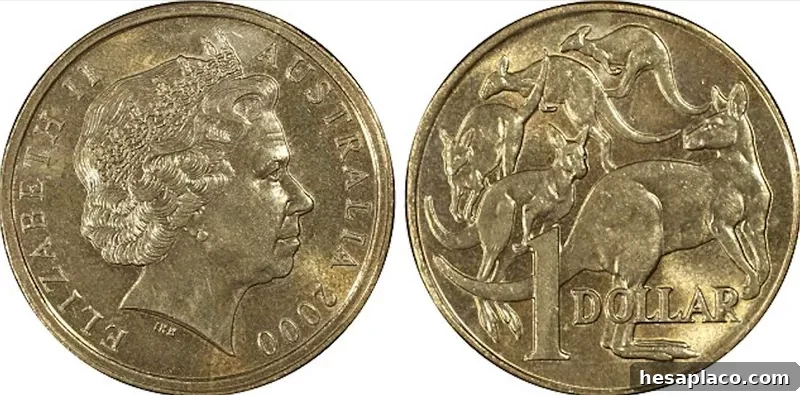
Sold on eBay: $1,507
Bottom Line: 2000 Australian $1/10 Mule
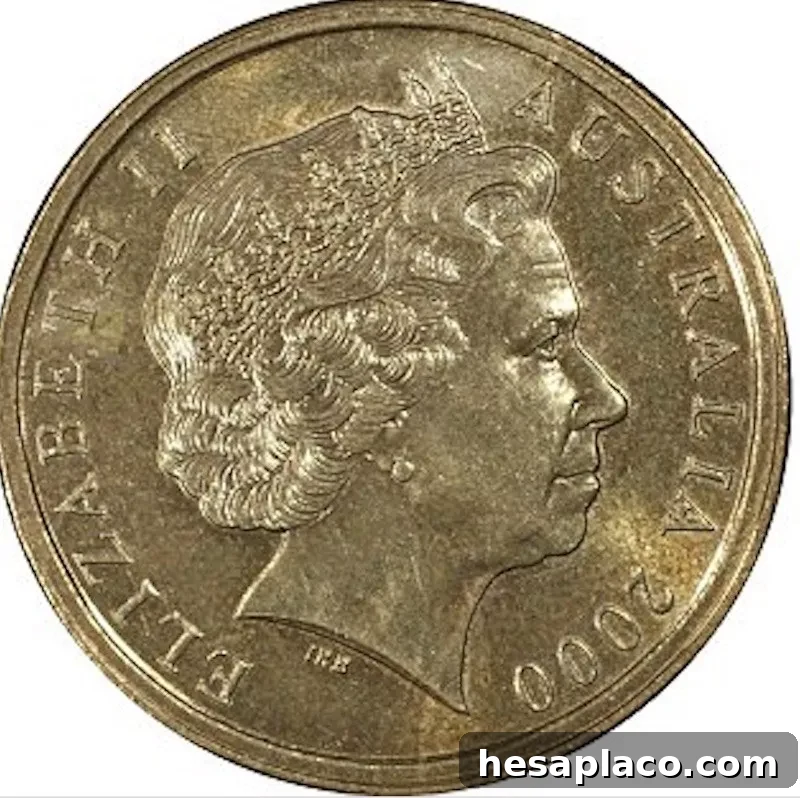
An accidental pairing of the Mob of Roos dollar reverse with a 10-cent obverse featuring the queen’s head created a mule. This produced a double rim on the queen’s side and an unusually thick coin.
8. 1999 U.S. Wide “AM” Reverse Lincoln Penny
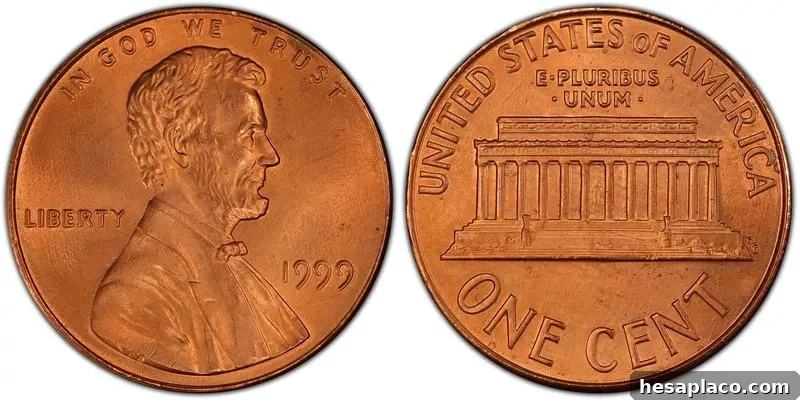
PCGS
Sold at auction: $2,300
Bottom Line: 1999 U.S. Wide “AM” Reverse Lincoln Penny
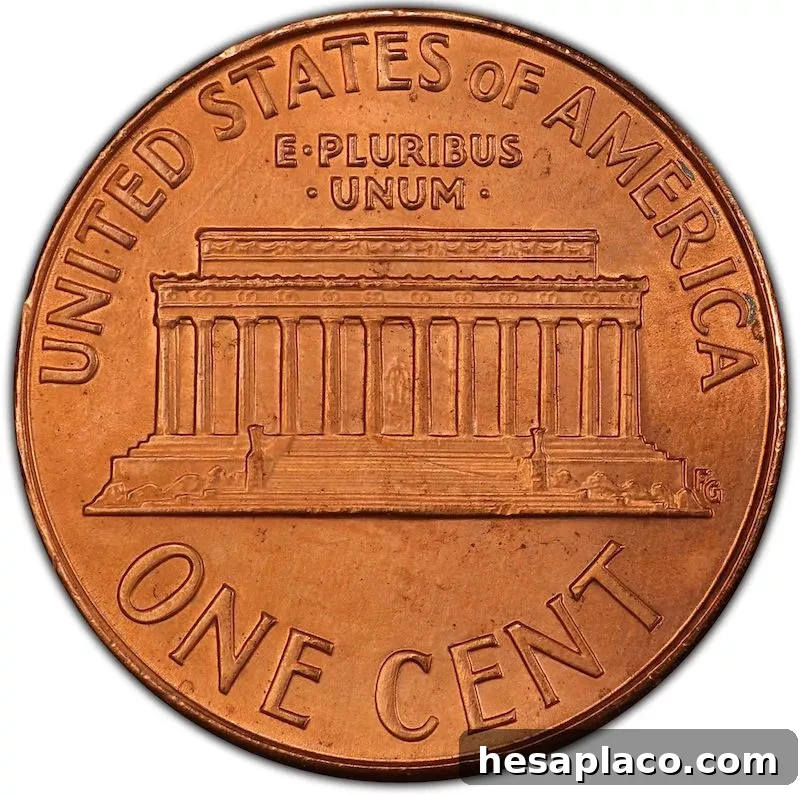
PCGS
A calibration error left a wider-than-normal gap between the letters A and M in “AMERICA” on the reverse. Similar errors occurred in 1998 and 2000, but the 1999 wide-AM variety is the rarest. At least 1,000 examples are known; those in circulation are worth more than face value, while higher-grade specimens can command significant premiums.
7. 2009 Lincoln Presidency Cent
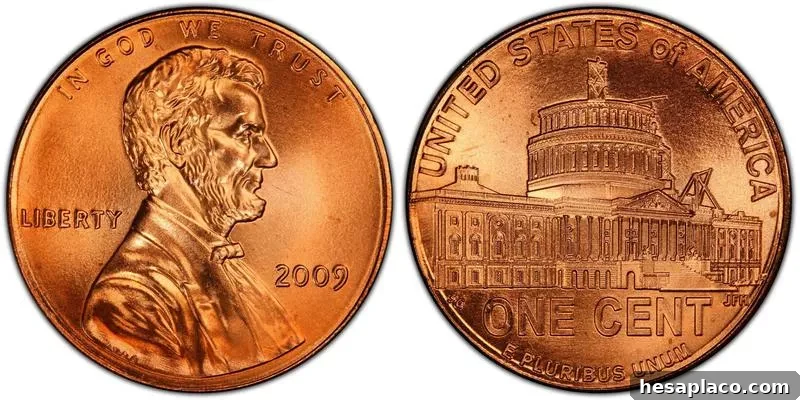
PCGS
Sold on eBay: $2,650
Bottom Line: 2009 Lincoln Presidency Cent
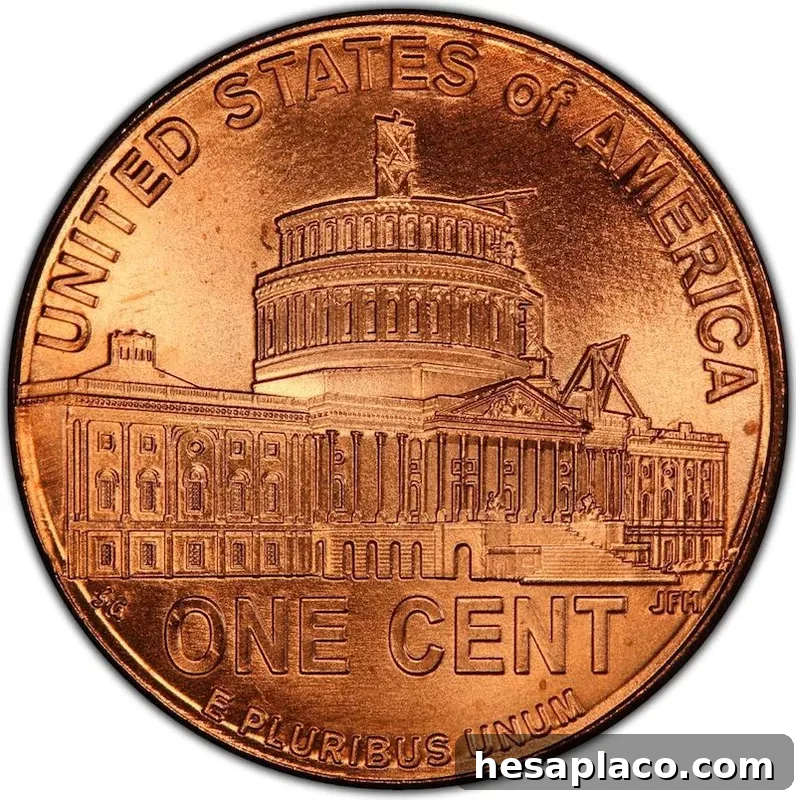
PCGS
In 2009 four reverse designs were released for the Lincoln cent. The Presidency design, depicting the Capitol Dome during Lincoln’s presidency, has the smallest mintage of the set: under 130 million pieces from Philadelphia and 198 million from Denver. Exceptionally well-preserved Philadelphia examples are especially valuable; lower-grade pieces typically sell for under $10.
6. 2008-W U.S. Reverse of 2007 Silver Eagle Dollar
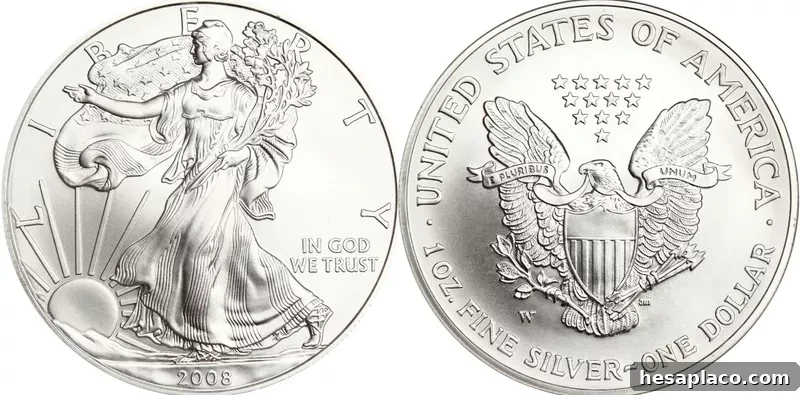
MA Shops
Sold at auction: $2,900
Bottom Line: 2008-W U.S. Reverse of 2007 Silver Eagle Dollar
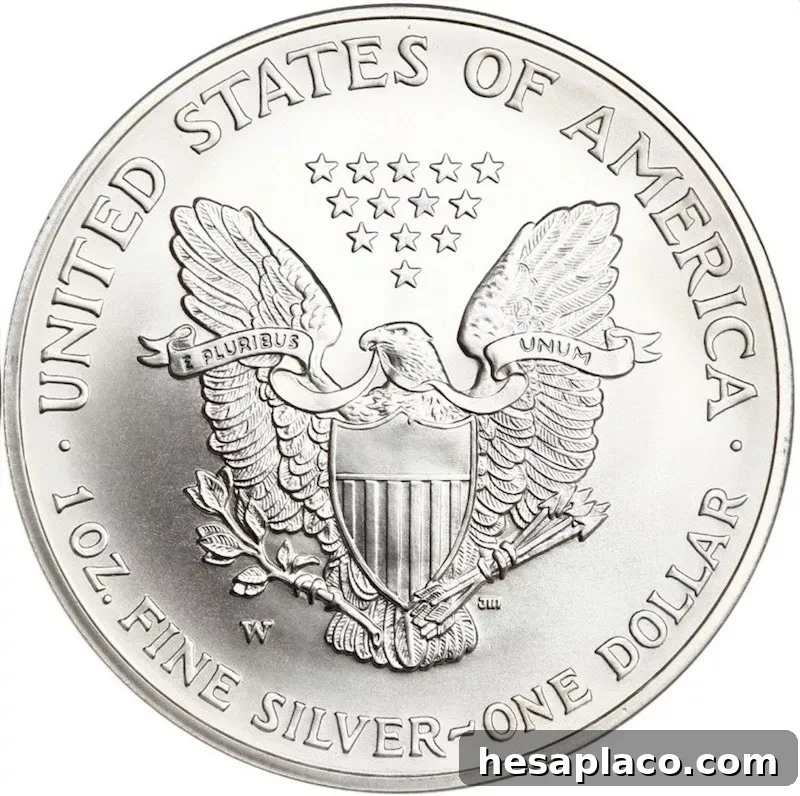
MA Shops
The Mint altered the Silver Eagle reverse design slightly for 2008. During the transition, some coins were struck with the pre-2008 reverse. More than 45,000 of these transitional pieces were produced before the error was identified. They are recognizable by subtle design differences, such as a missing serif on the lower right of the letter U, and first-strike, perfect-condition examples command strong prices.
5. 2004-D U.S. Wisconsin Extra Leaf Quarter
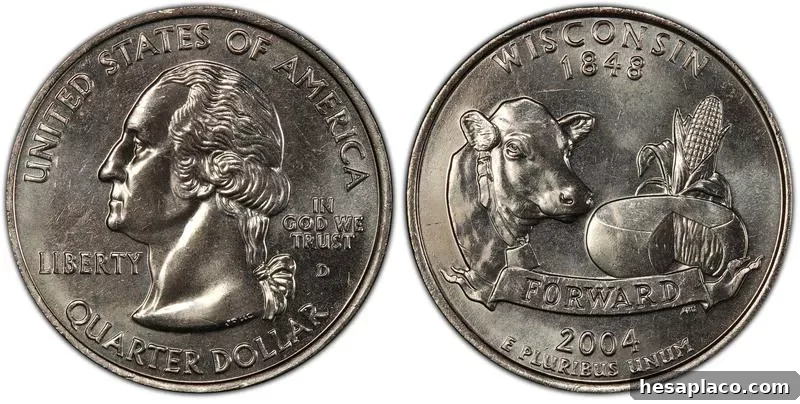
PCGS
Sold at auction: $3,450
Bottom Line: 2004-D U.S. Wisconsin Extra Leaf Quarter
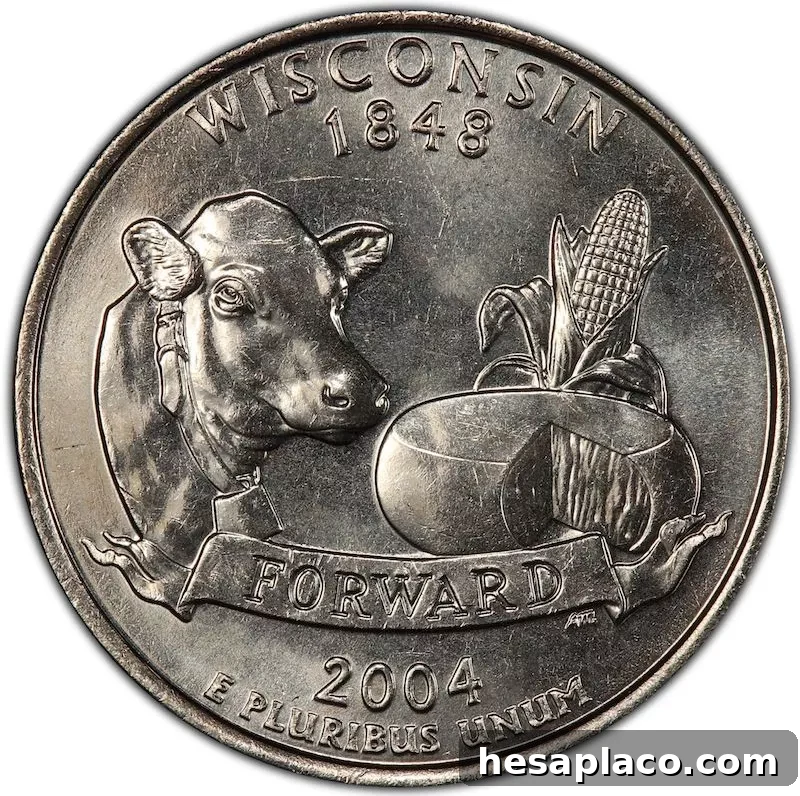
PCGS
In December 2004 a collector discovered an extra leaf on the ear of corn shown on the Wisconsin state quarter’s reverse. Two varieties were identified: “extra leaf low” and “extra leaf high.” While the origin of the difference is debated, it appears all extra-leaf coins were struck from the same die. Roughly 8,000 Extra Leaf quarters are believed to exist.
4. 1995 U.S. Doubled Die Obverse Penny
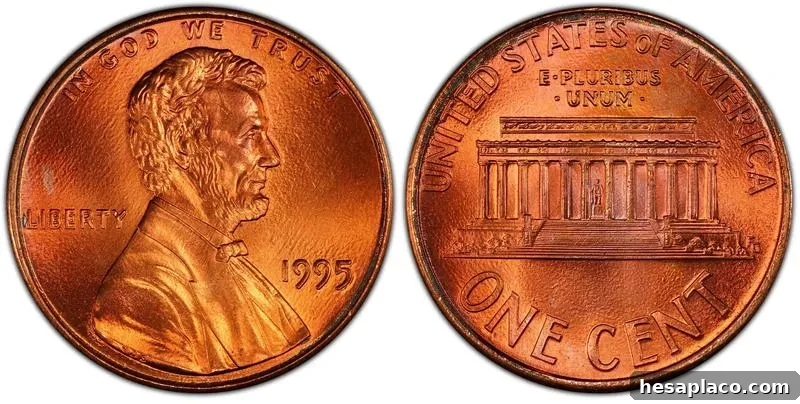
PCGS
Sold at auction: $5,053
Bottom Line: 1995 U.S. Doubled Die Obverse Penny
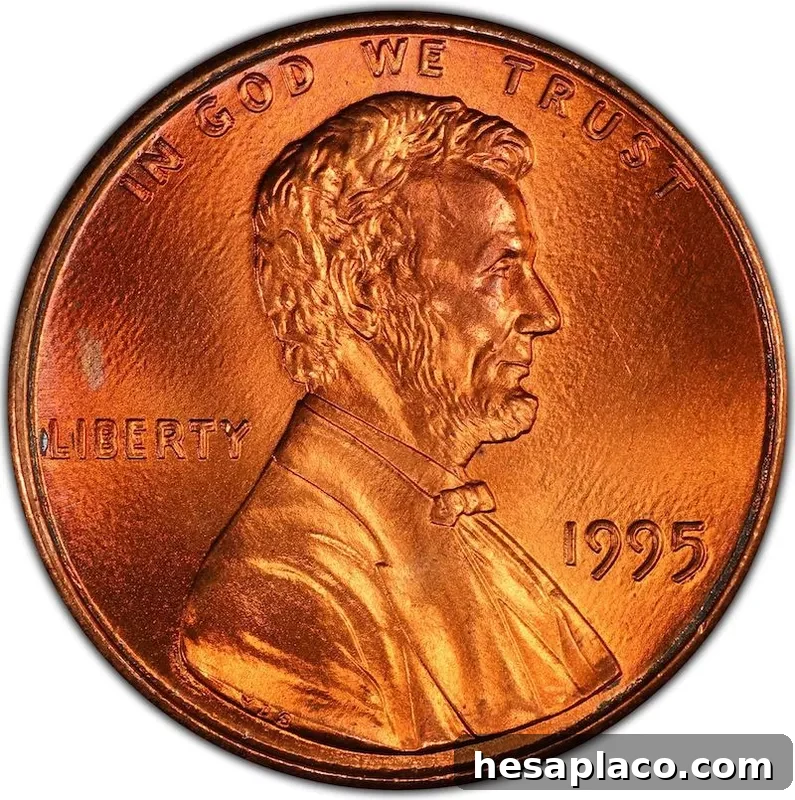
PCGS
This 1995 doubled-die obverse penny is notable as the last U.S. doubled-die cent. After 1995 the Philadelphia and Denver Mints adopted a single-hub method that eliminated doubled-die errors. The doubling is most apparent in “LIBERTY” and “IN GOD WE.” About 40,000 were produced before the doubling was discovered; roughly 24,000 were released into circulation.
3. 2000-P U.S. ‘Cheerios’ Sacagawea Dollar
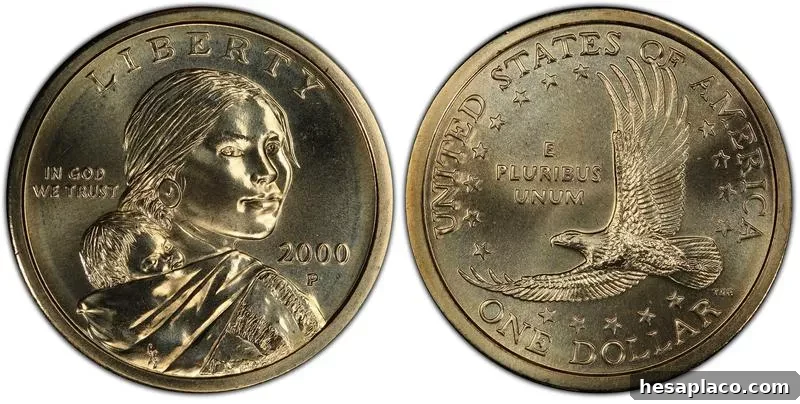
PCGS
Sold at auction: $7,500
Bottom Line: 2000-P U.S. ‘Cheerios’ Sacagawea Dollar
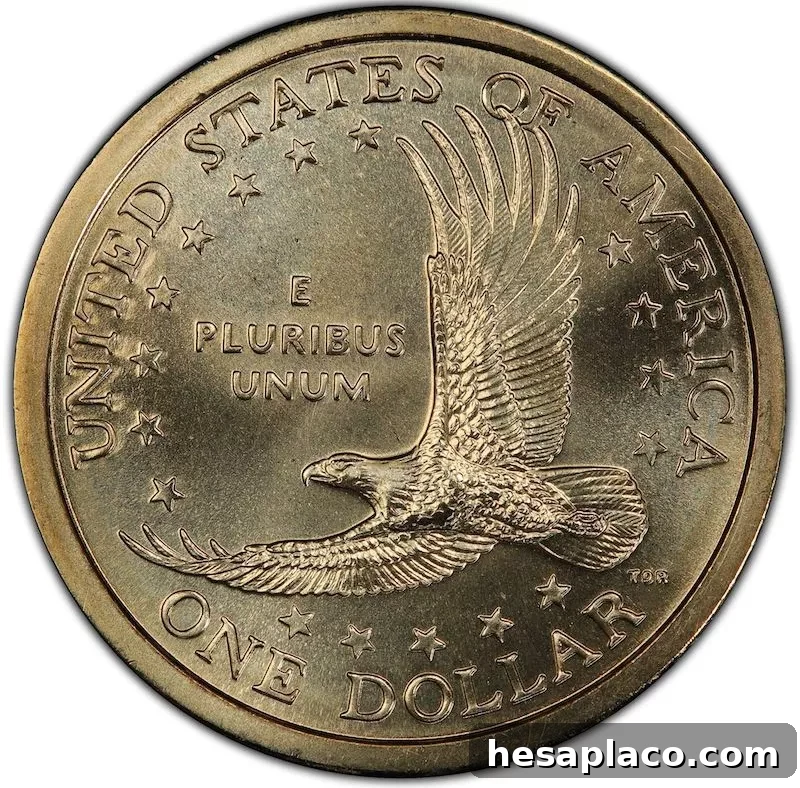
PCGS
The Mint produced 5,500 Sacagawea dollars as part of a promotion with General Mills, placing one in every 2,000th box of Cheerios. In 2005 collectors discovered that some Cheerios-distributed coins have an alternate reverse where the eagle’s tail feathers show detailed veins. That reverse variety appears only on coins from Cheerios boxes, making them especially collectible.
2. 2002 Italian 2 Cent
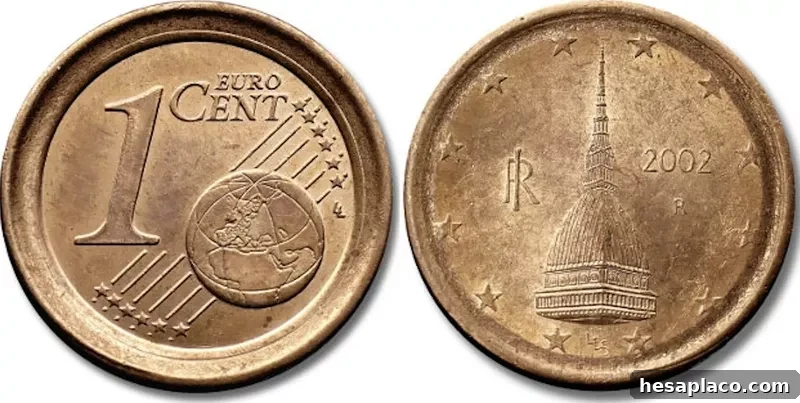
Sold at auction: €6,600 ($7,564)
Bottom Line: 2002 Italian 2 Cent
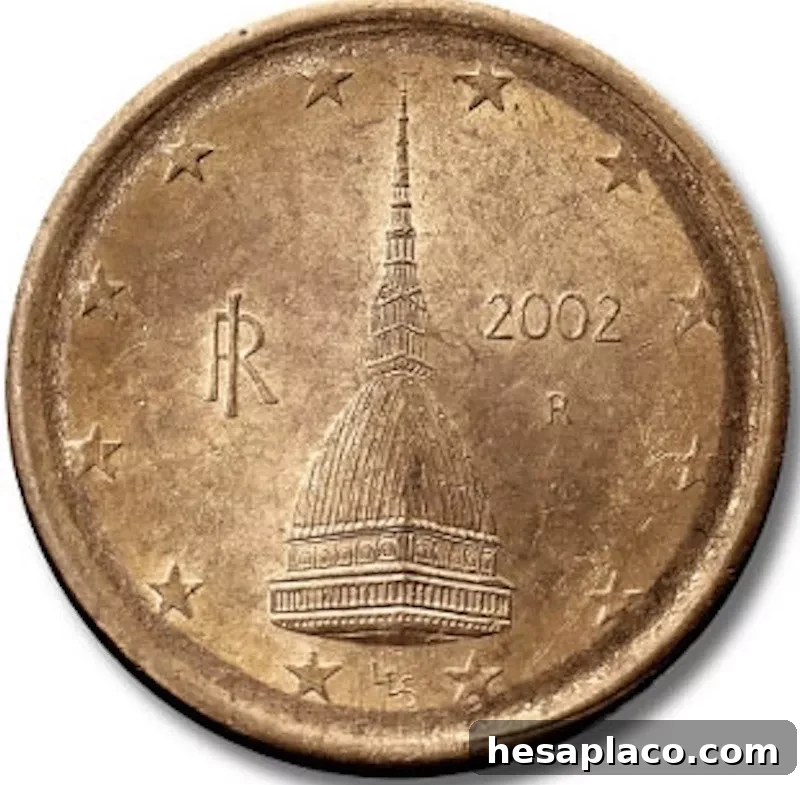
Approximately 7,000 coins were accidentally struck on two-cent blanks, producing 2-cent pieces with the reverse design of a one-cent coin. Only about a dozen have appeared at auction. These coins show Turin’s Mole Antonelliana on the reverse rather than the intended Castel del Monte.
1. 2000-P U.S. Sacagawea Dollars With Transitional Errors
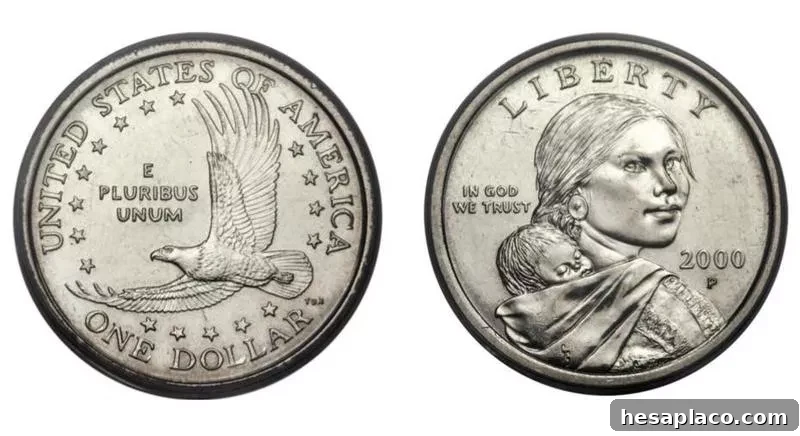
Heritage Auctions
Sold at auction: $7,637
Bottom Line: 2000-P U.S. Sacagawea Dollars With Transitional Errors
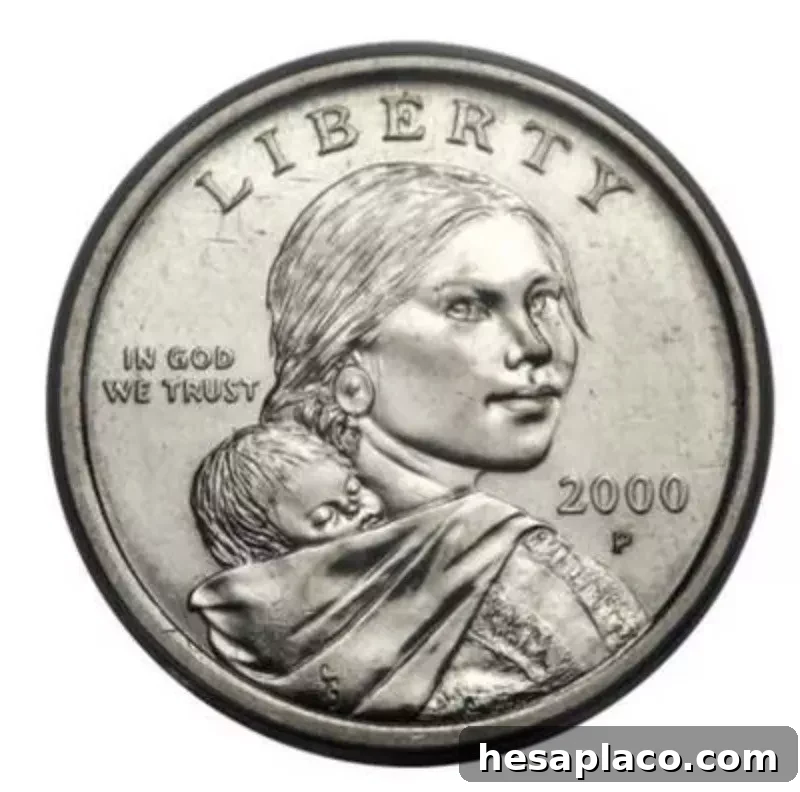
Heritage Auctions
At least four Sacagawea dollars have been found with transitional errors: they were struck on copper-nickel planchets intended for Susan B. Anthony dollars rather than the manganese-bronze planchets used for Sacagawea dollars, which give them a golden color. Because these transitional strikes are rare and visually distinct, they are highly sought by collectors.