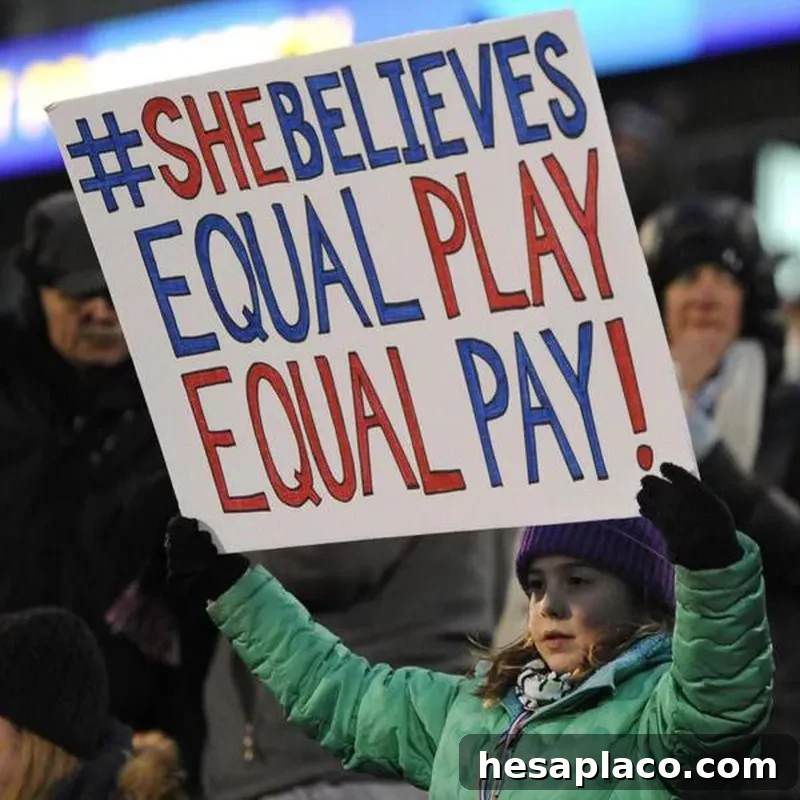
Women continue to earn less than men for the same work — a longstanding problem that remains far from resolved.
Recent coverage of the U.S. Women’s National Soccer Team highlighted the disparity: despite winning four World Cups compared with the men’s team’s zero, the women receive far lower pay. Reporting from The Wall Street Journal also showed that, over a recent three-year period, women’s matches produced more profit than the men’s, strengthening the case for pay equity.
But the pay gap extends well beyond sports. U.S. Senator Kamala Harris (D-CA) has proposed an “Equal Pay Certification” designed to address entrenched inequality across employers.
Overall progress has been made over time, yet significant disparities persist. According to EqualPayToday.org, women currently earn about 80 cents for every dollar a man makes for comparable work. The following timeline highlights key moments in the struggle for pay equality and how far—and how unevenly—we’ve come.
1869 — The First Public Complaint
The first known public protest over pay disparity appeared in an 1869 letter to the New York Times, which argued that “equal work should command equal pay without regard to the sex of the laborer.” The letter cited female clerks in the U.S. Treasury, noting women earning $900 a year for work paid at $1,800 for men, many of the women supporting families after the Civil War.
1883 — A Strike for Equal Pay

In 1883, Western Union telegraph operators, a workforce that included many women, struck for better conditions and demanded equal pay among other changes. The strike failed and operators did not secure the pay equity they sought, but the action marked an early collective challenge to wage discrimination.
1911 — A Mayor Keeps a Promise

At the turn of the 20th century, New York City teachers faced significant disparities. By 1900, male teachers earned $900 annually while female teachers earned $600, and annual raises favored men heavily. In 1911, a newly elected mayor who had campaigned on equal pay enacted a law to equalize teacher pay, though it only applied to teachers hired in 1912 or later.
1942 — WWII and a Voluntary Suggestion
During World War II, women filled labor shortages while men served overseas, yet they were often paid less. The National War Labor Board urged employers to voluntarily pay women equally to maintain production and labor peace, but many employers ignored that recommendation and pay disparities continued.
1945 — The First Equal Pay Bill (Fails)
Congress introduced the Women’s Equal Pay Act in 1945 to make it unlawful to pay women less than men for comparable work. The bill was a strong statement, but it failed to pass at that time, leaving the status quo in place.
1963 — The Equal Pay Act
Momentum grew in the 1960s. In 1963, Congress passed the Equal Pay Act as an amendment to the Fair Labor Standards Act, requiring equal pay for jobs requiring equal skill, effort, and responsibility performed under similar conditions. While a major step forward, the law still placed the burden on employees to challenge employers through complaints or lawsuits — a limitation that persists in many cases today.
The 1970s — Legal Clarifications and Protections
The 1970s produced influential court rulings and laws that strengthened pay-equality protections. In Schultz v. Wheaton Glass Co. (1970), courts broadened equal-pay comparisons to “substantially equal” work, preventing employers from disguising inequality through minor title or duty changes. Corning Glass Works v. Brennan (1974) required equal wages for day and night shift inspectors doing the same work. The Pregnancy Discrimination Act of 1978 ensured pregnant workers must be treated like other employees and applicants. These developments marked a decade of meaningful progress.
April 6, 1996 — Equal Payday
To raise public awareness about the wage gap, the National Committee on Pay Equity established “Equal Payday” in 1996. The symbolic date represents how far into the year the average woman must work to earn what the average man earned the previous year. The observance continues annually to highlight the ongoing disparity.
2009 — The Lilly Ledbetter Fair Pay Act

Lilly Ledbetter sued Goodyear after discovering she had been paid less than male counterparts. Her claim initially failed because she had not filed within a strict deadline tied to when discrimination first began. In response, Congress passed the Lilly Ledbetter Fair Pay Act in 2009, signed by President Obama, which clarified that each discriminatory paycheck resets the statute of limitations, allowing employees 180 days from the most recent discriminatory payment to file a claim.
2019 and Beyond — Progress, but Gaps Persist
Although the overt pay disparities of a century ago are less common, inequities remain. Research from the American Association of University Women (AAUW) finds that women are less likely than men to negotiate higher pay. Some states now ban employers from asking job applicants about previous salaries to prevent past lower pay from influencing new offers — a practice that perpetuates wage gaps. The AAUW also notes that because women earn less on average, they often carry more student debt and have fewer resources to repay it.
Pay Gaps Are Worse for Women of Color
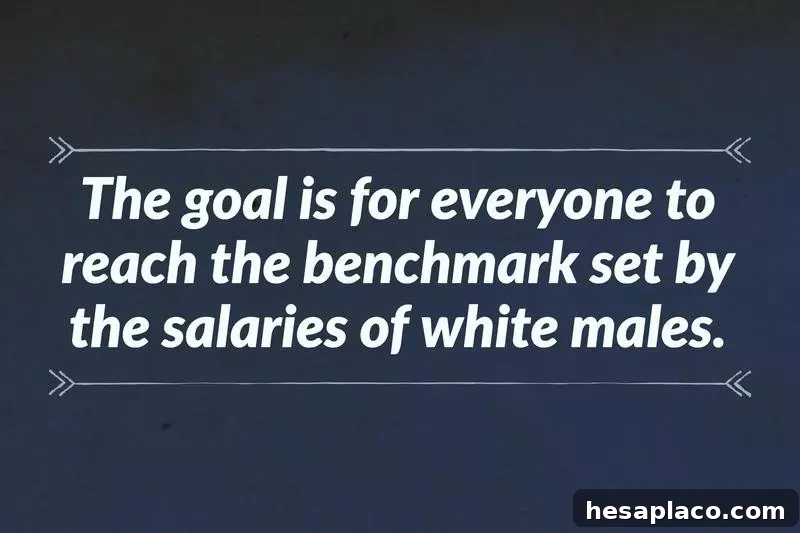
The gender pay gap disproportionately affects women of color. Compared to white men’s earnings, average pay rates are significantly lower for many groups:
- Black women — about 65.3 percent
- Hispanic women — about 61.6 percent
- White women — about 81.5 percent
Asian women on average earn closer to parity, around 93.5 percent of white men’s earnings, but disparities still exist across and within demographic groups.
The Motherhood Penalty
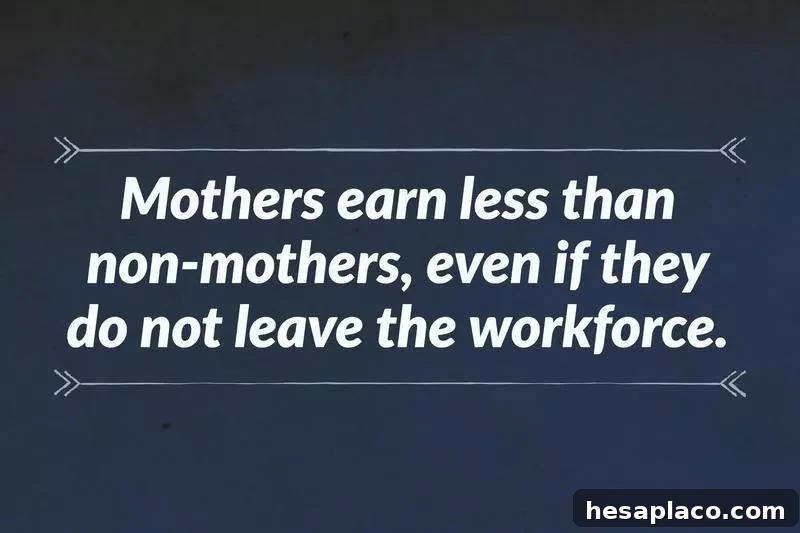
Research shows mothers often earn less than non-mothers even when they remain in the workforce — a gap not seen to the same extent for fathers. Mothers also face greater hiring discrimination. Yvonne Marsh, a Certified Financial Planner, explains that career interruptions for childcare can have lasting effects on earnings and advancement. Even parents who remain continuously employed may miss opportunities for promotions or raises due to time taken for children’s needs.
Solutions: Parental Leave and Childcare Support
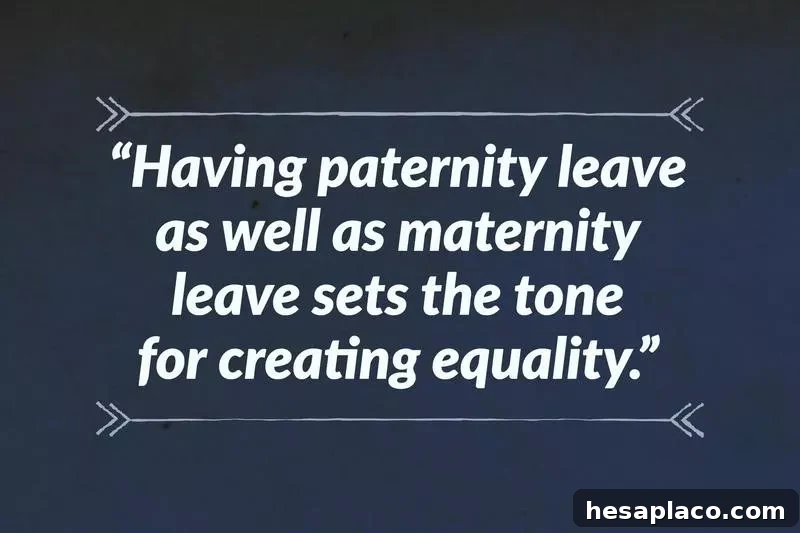
Marsh suggests employers can reduce the motherhood penalty by offering paternity leave alongside maternity leave, which helps normalize shared caregiving responsibilities, and by providing subsidized childcare and supportive benefits that make it easier for parents to remain on career tracks without stepping away.
Senator Harris’ Equal Pay Certification Plan
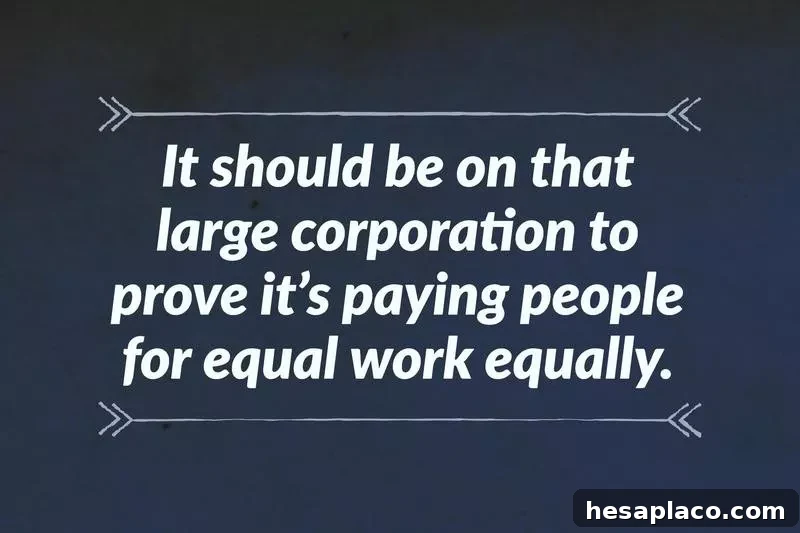
The proposed plan would require businesses to obtain “Equal Pay Certification” or face penalties. Employers with 100 or more employees would have three years to achieve certification from the Equal Employment Opportunity Commission; those with 500 or more would have two years. Certified companies must demonstrate the absence of gender-based pay disparities or provide legitimate, non-discriminatory explanations related to job duties or hazards. Companies that fail to certify would face a financial penalty tied to their profit level — a 1 percent fine on profits for every 1 percent of pay gap identified.
Senator Harris has framed the proposal as a shift in burden: rather than expecting individual workers to prove discrimination, large employers would be required to demonstrate they pay equally for equal work.
If enacted, the plan would be a notably assertive federal approach to closing the gender pay gap. Whether it will succeed remains to be seen, but the proposal adds momentum to ongoing efforts to achieve pay equity for all workers.