
Retirement can mean different things to different people: wide-open spaces, easier access to healthcare, lower taxes, or simply a peaceful lifestyle. Yet some U.S. states consistently stand out for offering safety, reliable services, and a high quality of life for older adults. The states below combine strong healthcare systems, supportive community services, and sensible policies that help seniors stay healthy, engaged, and financially secure.
Pennsylvania

Credit: Getty Images
Pennsylvania draws retirees with tax-friendly treatment of retirement income, but its real strength lies in healthcare and community integration. Cities like Pittsburgh and Lancaster offer affordable living paired with well-regarded hospitals and coordinated community programs. Seniors have ample opportunities to stay socially active without searching extensively for services or events.
Montana

Credit: Getty Images
Montana appeals to seniors who prefer a slower, quieter life without sacrificing essential care. The state performs well in rural health and long-term services, and its open spaces and low population density attract retirees who value tranquility and outdoor living while still having access to dependable healthcare.
Maine

Credit: Getty Images
Maine stands out for resources focused on seniors’ emotional and mental well-being. Low crime rates and elder-centered planning ensure that even residents of more remote towns can access structured daily support, mental health services, and community activities that contribute to a secure, balanced retirement.
Arizona

Credit: Getty Images
Arizona’s dry climate is a draw for many retirees, but its elder-focused healthcare infrastructure is the main advantage. Cities like Prescott and Tucson have dense senior populations and medical services tailored to aging needs. Tax incentives and a busy community event calendar make it easy for older adults to remain active and socially connected.
North Dakota

Credit: Getty Images
Although it’s not a typical retirement destination, North Dakota excels in logistics of elder care. Its hospital and emergency systems provide reliable access across the state, and the low crime rate combined with strong long-term care maintenance—even in rural areas—gives seniors peace of mind.
Virginia

Credit: Getty Images
Virginia combines quality healthcare, moderate tax pressure, and geographic variety—from urban centers to quieter towns. Seniors benefit from excellent hospitals, effective emergency response systems, and a range of elder services that provide flexibility and reliability without feeling restrictive.
Vermont
Credit: Getty Images
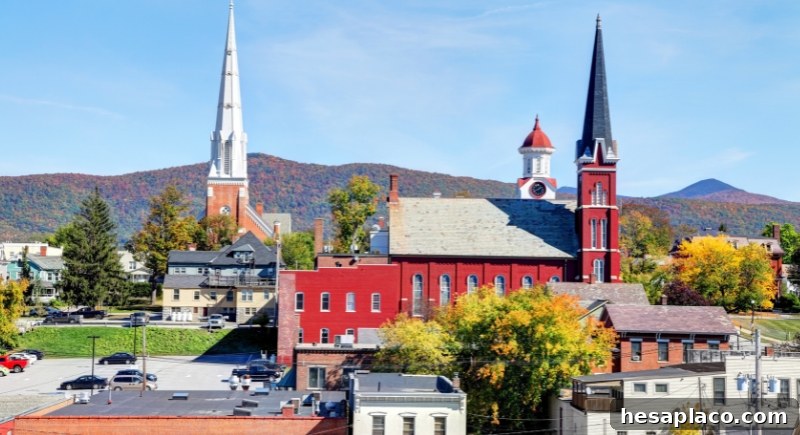
Vermont focuses on practical supports that help seniors remain in their homes longer. Local programs such as meal delivery, visiting nurse services, and steady funding for community assistance reduce the burden on families and promote public health initiatives that keep older adults connected and well cared for.
Delaware

Credit: Getty Images
Despite its small size, Delaware offers notable advantages for retirees: no sales tax, relatively low property taxes, and convenient access to major metropolitan hospitals without big-city living costs. This combination makes Delaware a manageable option for seniors seeking low-stress routines and financial predictability.
Wyoming

Credit: Getty Images
Wyoming’s lack of state income tax and lower cost of living relieve financial pressure for retirees. Smaller communities can foster strong local support systems, and while services may be spread out geographically, healthcare quality remains consistent and crime rates are generally low, contributing to a calm retirement environment.
Iowa
Credit: Getty Images
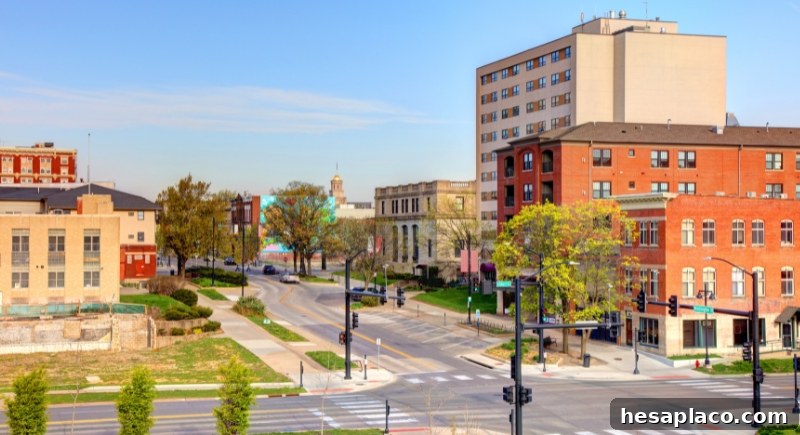
Iowa is practical and dependable for retirement. The state offers affordable assisted living and long-term care without sacrificing quality. Smaller cities often host excellent nursing facilities, and the rural healthcare network is more robust than many expect—making Iowa a solid choice for seniors focused on stability and financial clarity.
Colorado

Credit: Getty Images
Colorado encourages active aging through abundant senior wellness programs, trails, and outdoor opportunities. Denver and Boulder provide top-rated hospitals, and the state emphasizes a holistic approach to aging that balances physical mobility, social engagement, and access to quality healthcare—helping retirees stay healthy and involved.
South Dakota

Credit: Getty Images
South Dakota helps seniors maintain independence through reliable emergency services, no state income tax, and affordable living. The healthcare system emphasizes elder agency and involvement, so retirees are partners in their care plans rather than passive recipients—contributing to longer, more independent living.
New Hampshire
Credit: Getty Images
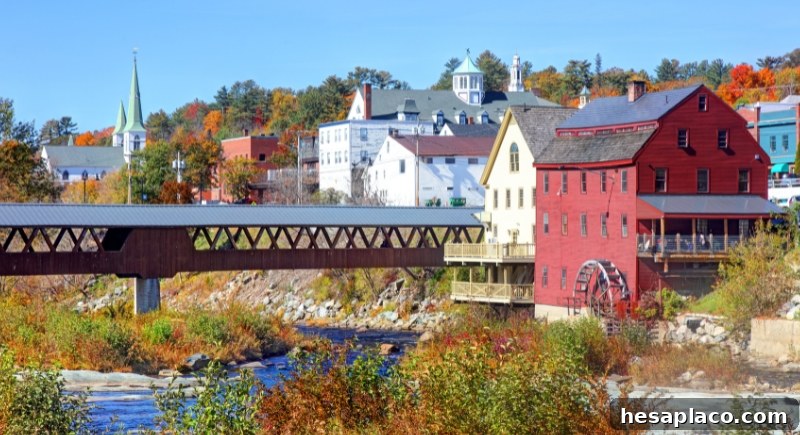
New Hampshire provides clear financial advantages for budget-conscious retirees: no state income or sales tax, paired with strong healthcare access and quality. Transportation to appointments tends to be straightforward even for those outside urban areas, and active local groups help seniors maintain social engagement and a peaceful pace of life.
Minnesota

Credit: Getty Images
Minnesota is widely recognized for top-tier healthcare quality. Beyond excellent hospitals, seniors benefit from robust preventive care, public health initiatives, and coordinated services that support dignified aging. Despite long winters, Minnesota remains a leading choice for structured, well-supported retirement living.
Utah

Credit: Getty Images
Utah appeals to retirees who want structure and community without hassle. The state offers strong healthcare options, neighborhood networks that watch out for one another, and a smooth daily rhythm whether living in a city or a rural area. Low crime and an engaged sense of community help seniors settle in and maintain social ties as they age.
Choosing where to retire depends on personal priorities—climate, taxes, proximity to family, or access to specialized medical care. The states listed here consistently support older adults with thoughtful policies, reliable healthcare, and community services that help seniors age with independence and dignity.