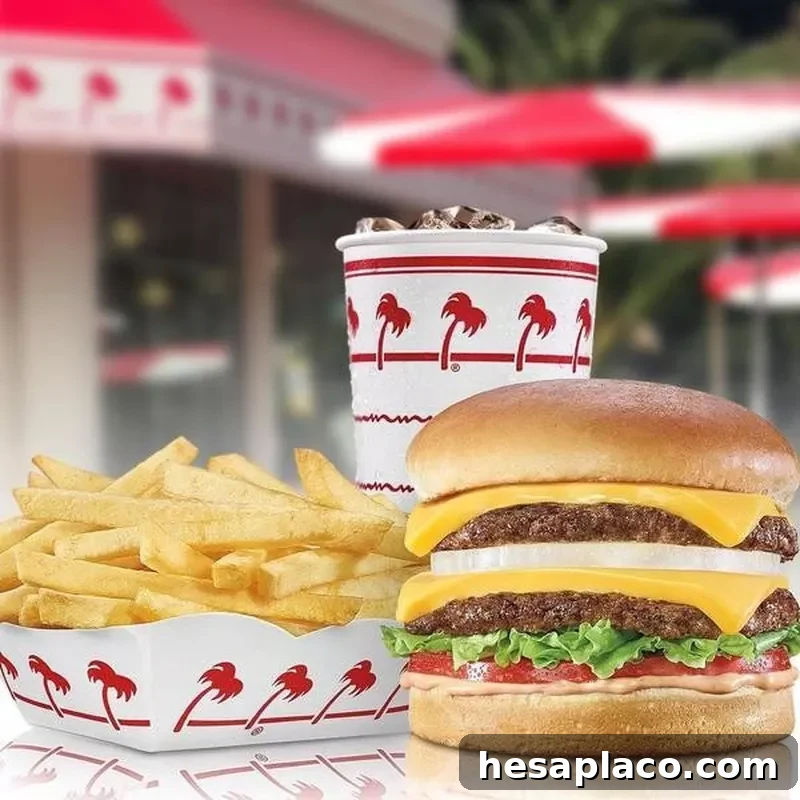
Americans consume roughly 50 billion hamburgers each year. That breaks down to about three burgers per week for every man, woman and child in the country—roughly 153 burgers per person annually. The hamburger is a quintessentially American food, but its influence has gone global, with major U.S. chains found around the world.
Although the hamburger has roots in Europe, it was Americans who perfected and industrialized it. Today, burgers make up around 40 percent of all sandwiches sold in the U.S., from the bite-size sliders at the nation’s oldest burger chain to the mass-produced staples served by global franchises.
QSR, a food industry trade journal, ranks the largest fast-food chains each year. We selected 16 chains that primarily make their revenue from burgers, ranked them by U.S. sales for 2019, and examined the factors that contributed to their success. The top names will be familiar, but further down the list you’ll find regional favorites and innovative upstarts that may be new to you.
16. White Castle
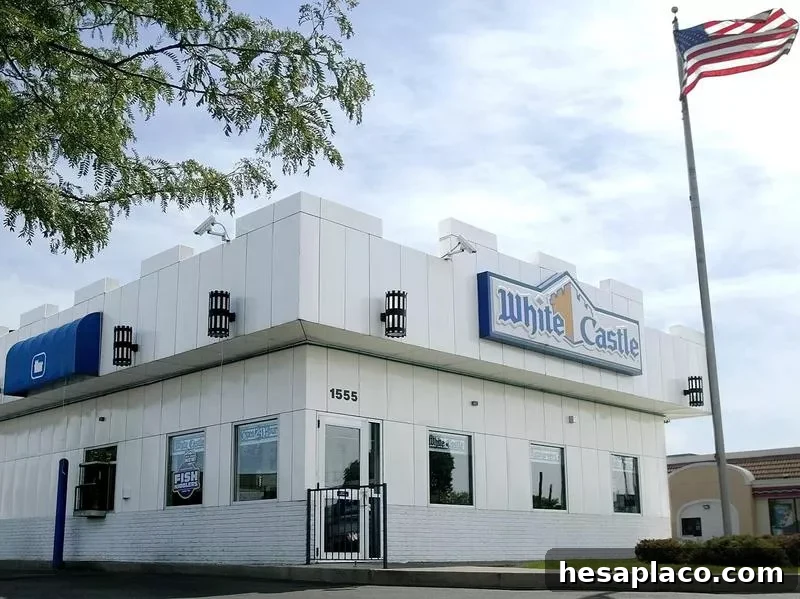
A White Castle restaurant in Columbus, Ohio. Jay LaPrete / AP Photo
U.S. sales: $556 million
Signature burger: The Original Slider
White Castle History
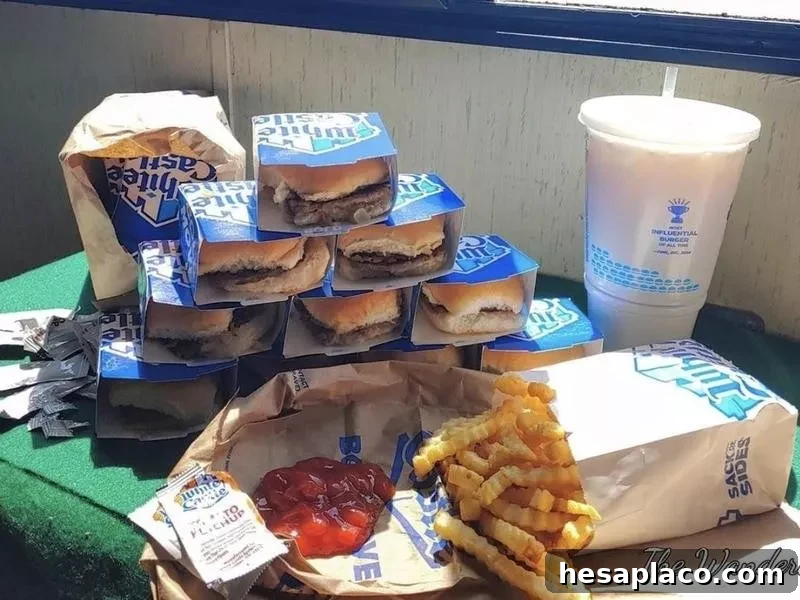
Bold move. whitecastle
Year founded: 1921
First location: Wichita, Kansas
Bottom Line: White Castle
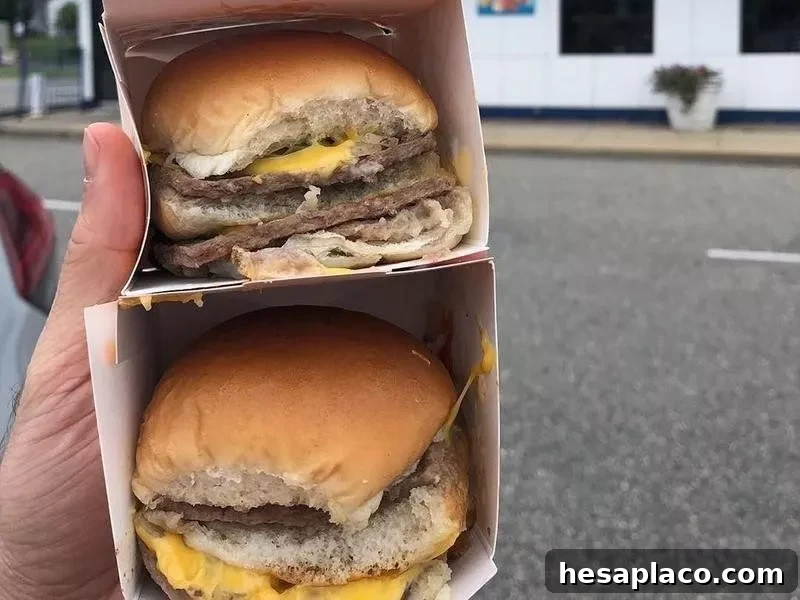
White Castle is famous for its sliders.
White Castle claims the title of the oldest burger chain in the United States. Founder Walter Anderson reportedly discovered the idea for the small, smashed patties while working as a short-order cook—frustrated by meat that stuck to the griddle, he pressed it flat with his spatula. At the time, public trust in meat processing was low after exposés like Upton Sinclair’s The Jungle. Anderson chose the name “White Castle” to evoke cleanliness and permanence as a way to reassure customers.
15. Shake Shack
A Shake Shack in the New York-New York Hotel and Casino in Las Vegas. John Locher / AP Photo
U.S. sales: $630 million
Signature burger: ShackBurger
Shake Shack History
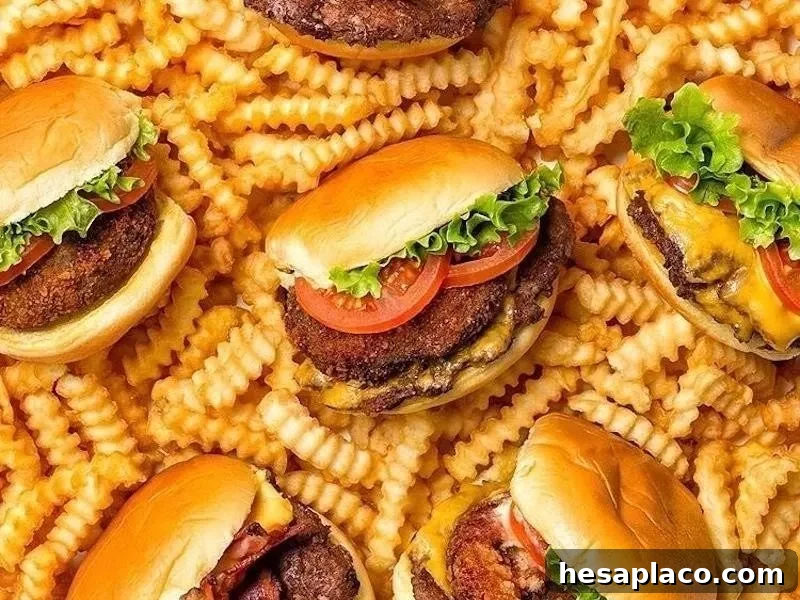
A balanced meal.
Year founded: 2001
First location: New York City, New York
Bottom Line: Shake Shack
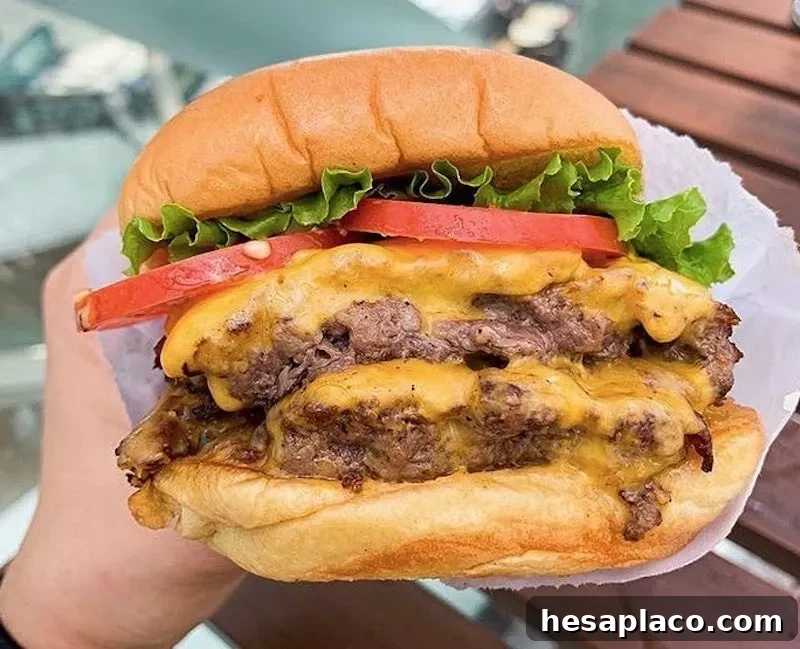
Bring your appetite.
Shake Shack began as a hot dog stand that was part of a 2001 public-art installation in Madison Square Park. Restaurateur Danny Meyer staffed the stand with employees from his higher-end restaurants during the off season. The stand was so popular that Meyer secured a permanent concession and developed a focused menu inspired by the burger stands he remembered from his youth. The original menu was reportedly sketched on a napkin and remains part of the brand’s lore. Notably, bacon was not added as a burger option until several years after the stand became a restaurant.
14. Checkers/Rally’s
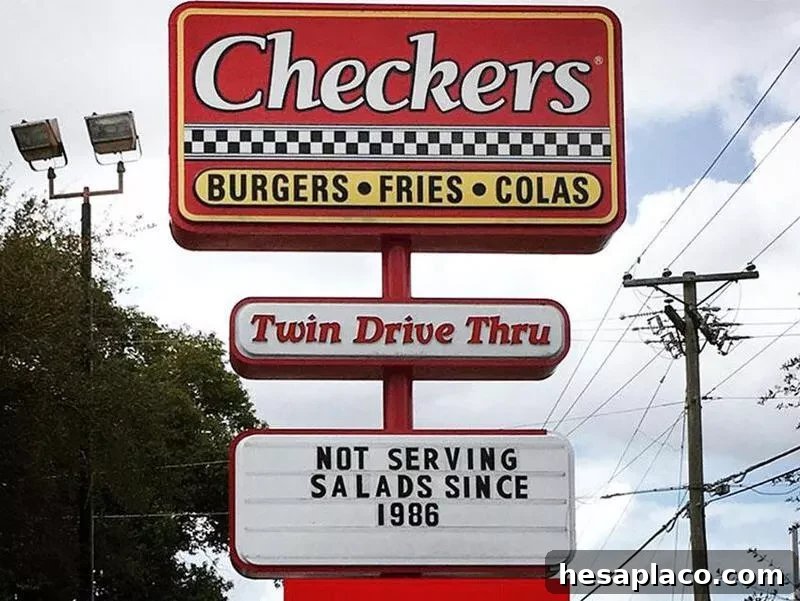
Checkers/Rally’s is proud of its stance on salads.
U.S. sales: $862 million
Signature burgers: Rallyburger, Checkerburger
Checkers/Rally’s History
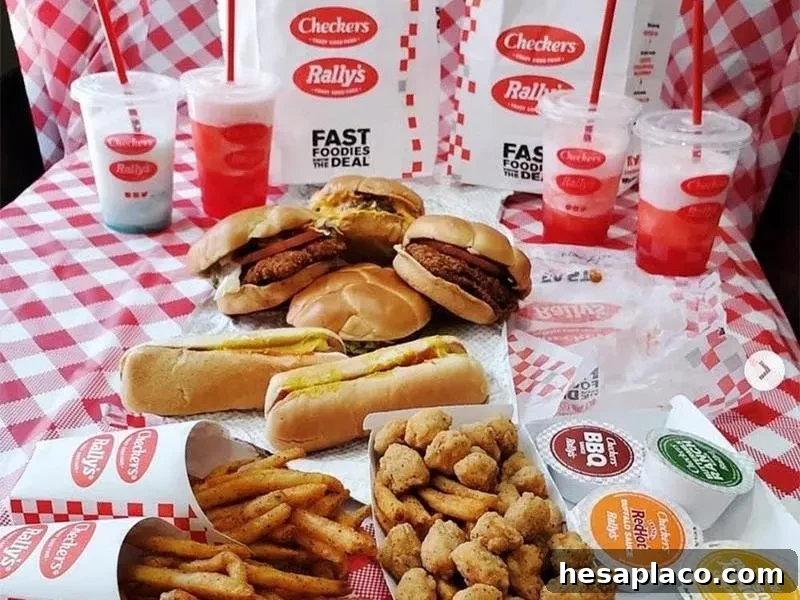
Something for everyone.
Year founded: 1985 (Rally’s), 1986 (Checkers); merged 1999
First location: Louisville, Kentucky (Rally’s); Mobile, Alabama (Checkers)
Bottom Line: Checkers/Rally’s
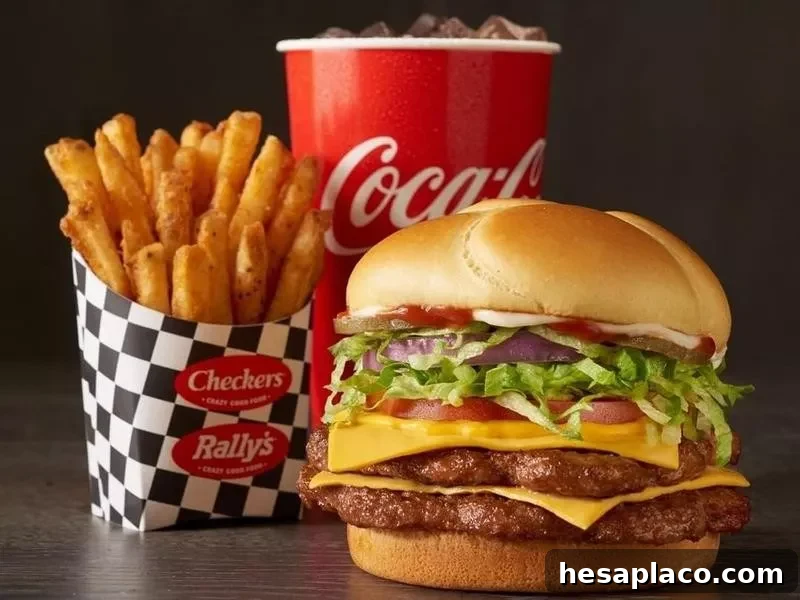
Order up.
Checkers and Rally’s operated in different regions before merging in 1999; Checkers was concentrated in the Southeast while Rally’s focused on the Midwest. Their menus are similar despite the separate branding. Jim Mattei, the founder of Checkers, emphasized made-to-order burgers at a time when many competitors relied on premade patties. Under CEO Frances Allen, who joined in 2020, the chain has been modernizing equipment and adopting technology at drive-thrus to improve operations and financial performance.
13. Steak ‘n Shake
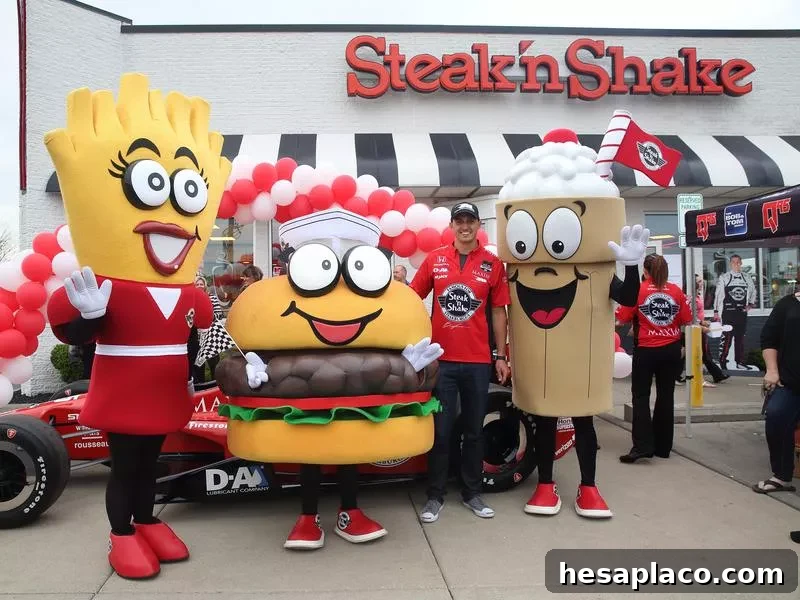
Indy car driver Graham Rahal poses with Steak ‘n Shake mascots in 2015.
U.S. sales: $932 million
Signature burger: Steakburger
Steak ‘n Shake History
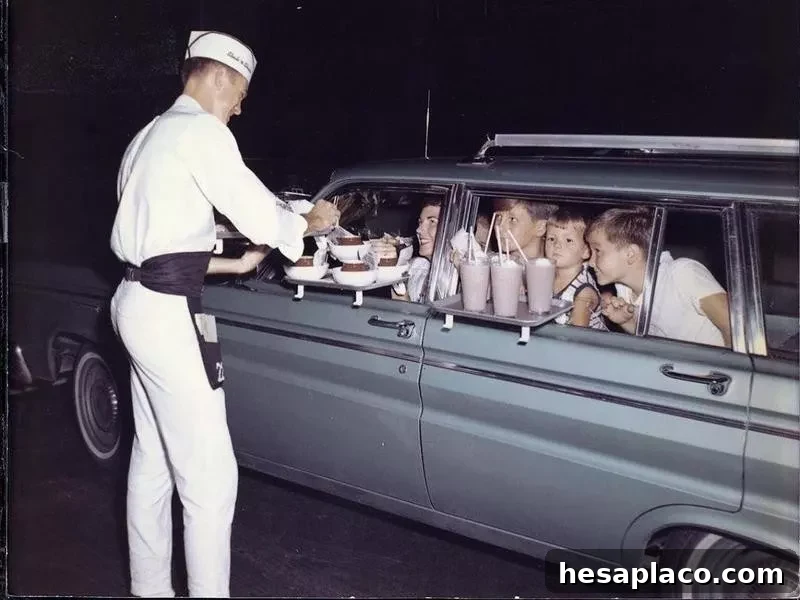
The good old days.
Year founded: 1934
First location: Normal, Illinois
Bottom Line: Steak ‘n Shake
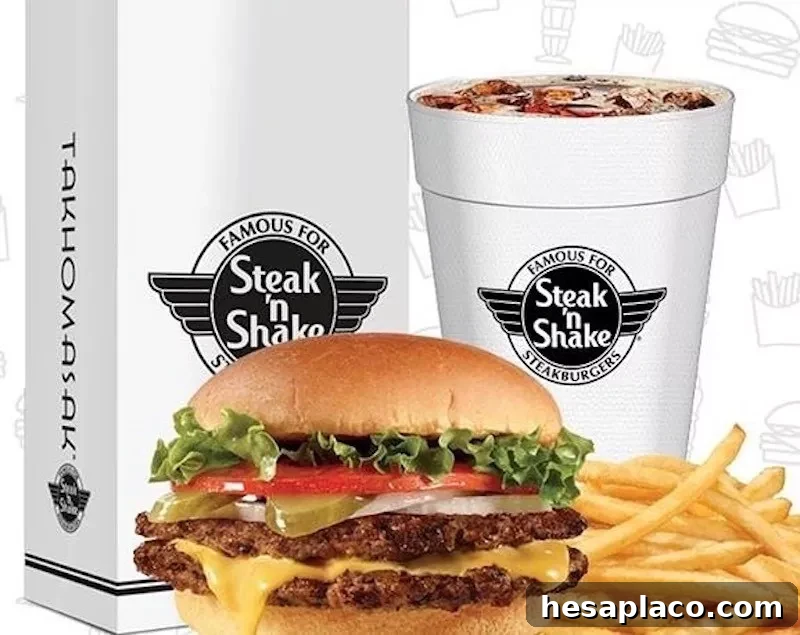
It’s a meal.
Gus and Edith Belt launched Steak ‘n Shake during the Great Depression to boost revenue from their gas station in Normal, Illinois. They began by selling inexpensive fried chicken and beer, later converting the business into a proper restaurant and adding burgers. Gus Belt became known for demonstrating how he ground premium cuts like T-bone, sirloin and top round into the chain’s signature Steakburgers, a marketing touch that highlighted product quality.
12. In-N-Out Burger
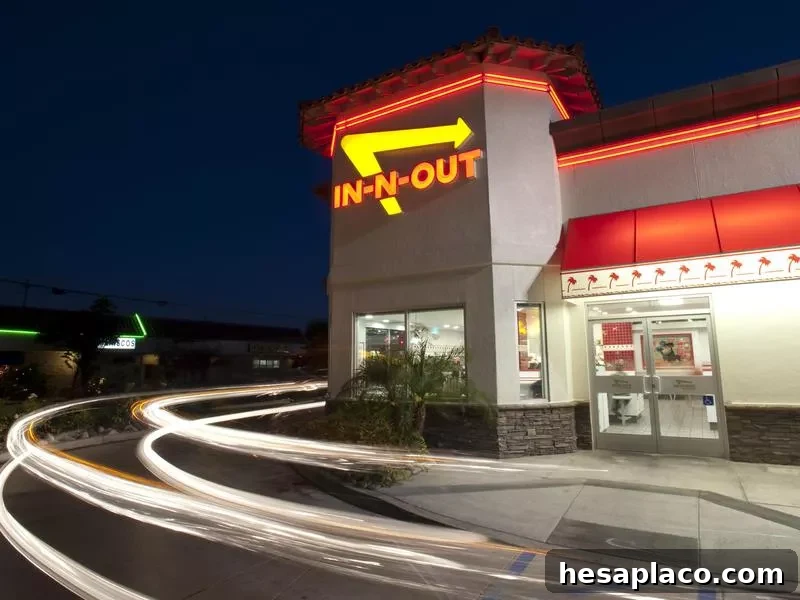
An In-N-Out Burger in Baldwin Park, California. Adam Lau / AP Photo
U.S. sales: $1 billion
Signature burger: Double-Double
In-N-Out Burger History
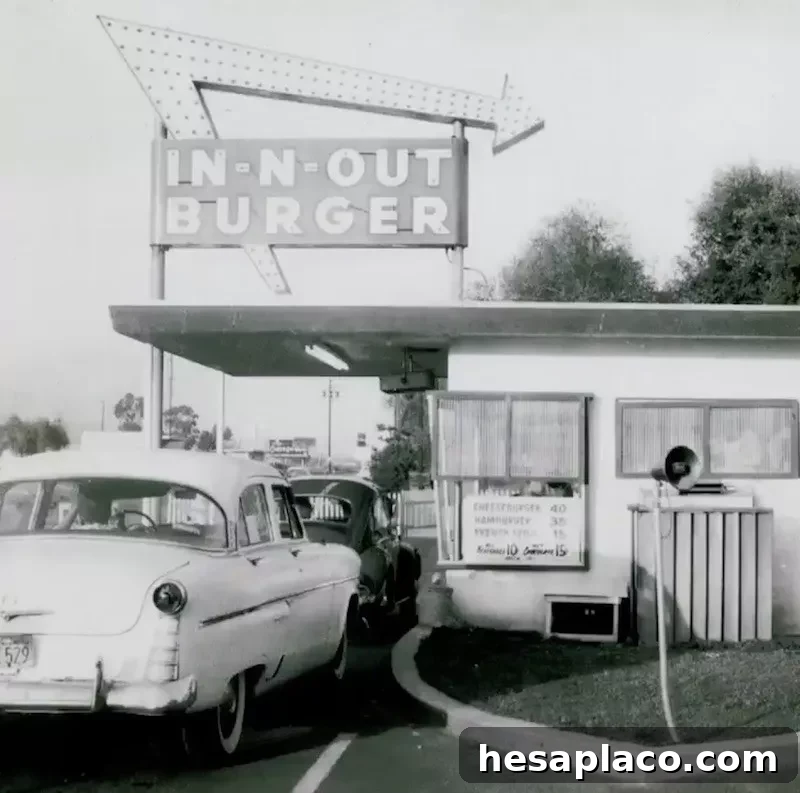
In-N-Out has been serving deliciousness since 1948.
Year founded: 1948
First location: Baldwin Park, California
Bottom Line: In-N-Out
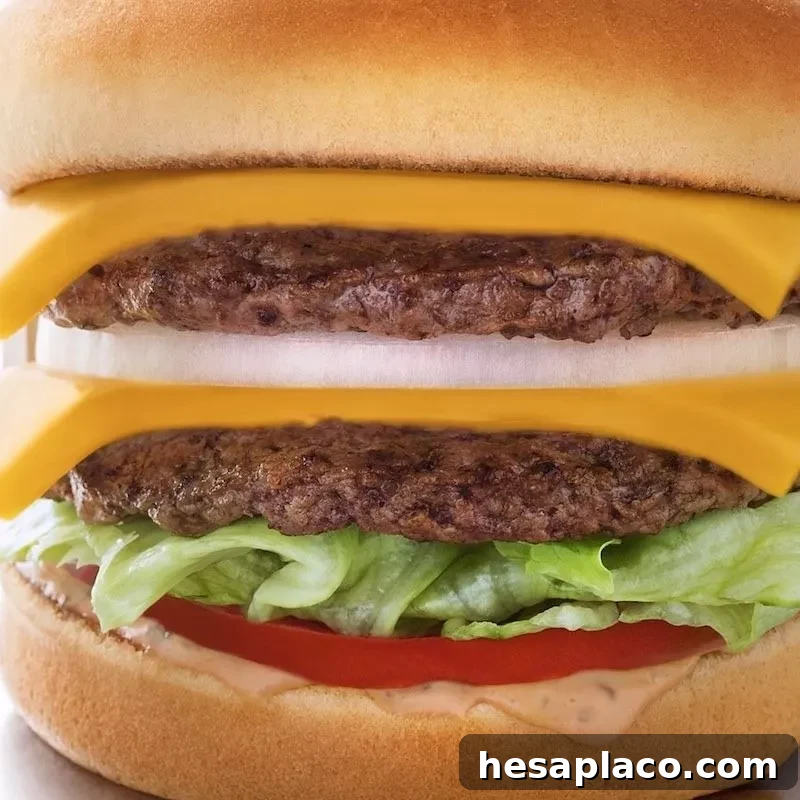
That’s what a hamburger’s all about.
In-N-Out remains largely a West Coast institution. Founders Harry and Esther Snyder opened California’s first drive-through hamburger stand and helped popularize the two-way intercom system for orders. The chain is known for its simple menu, secret-order options, and devoted fans, including several celebrities. Small touches—like Bible verses printed discreetly on some cups—have become part of the brand’s identity. In-N-Out’s commitment to quality and consistency has built a loyal following.
11. Carl’s Jr.
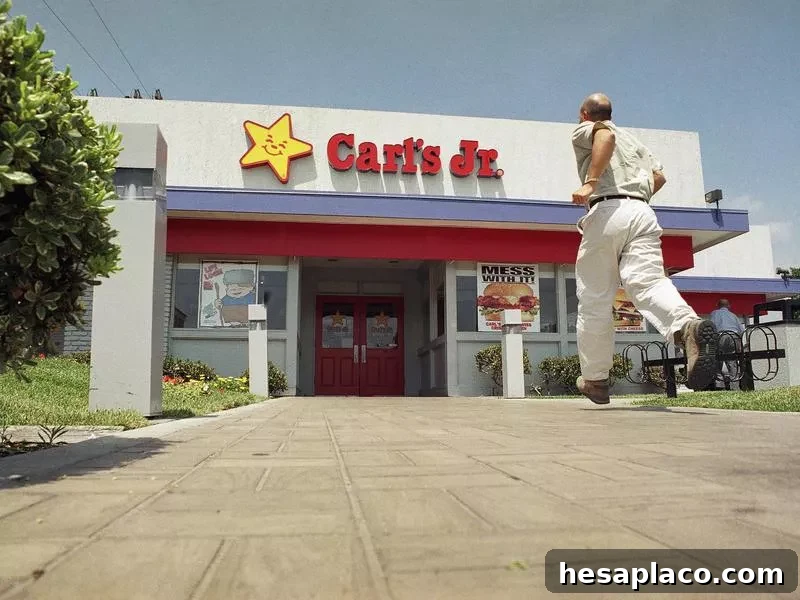
A Carl’s Jr. location in Los Angeles, California. E.J. Flynn / AP Photo
U.S. sales: $1.4 billion
Signature burger: Famous Star
Carl’s Jr. History
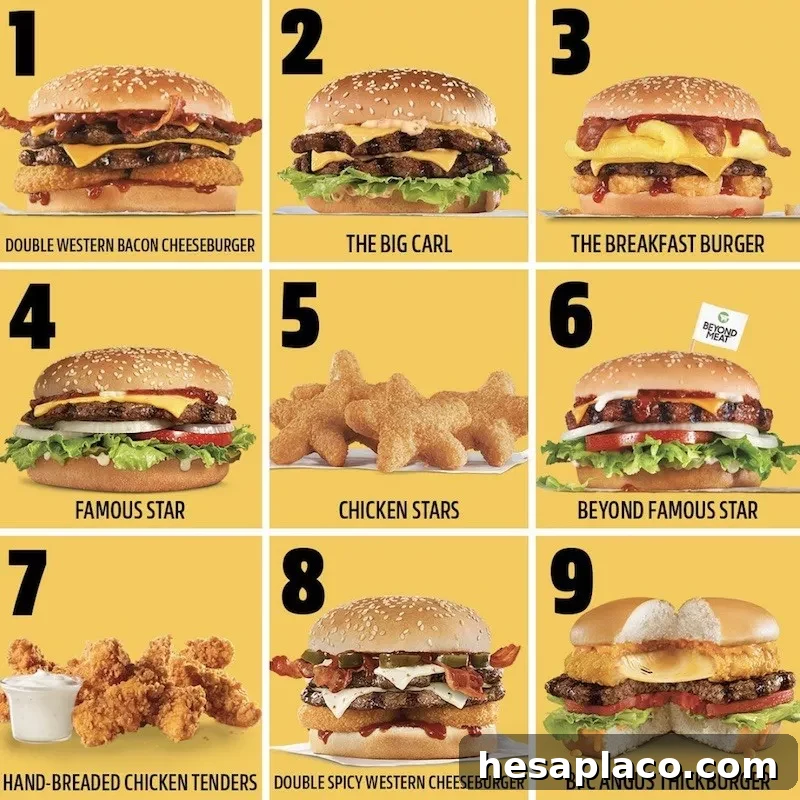
Make your pick.
Year founded: 1941
First location: Los Angeles, California
Bottom Line: Carl’s Jr.
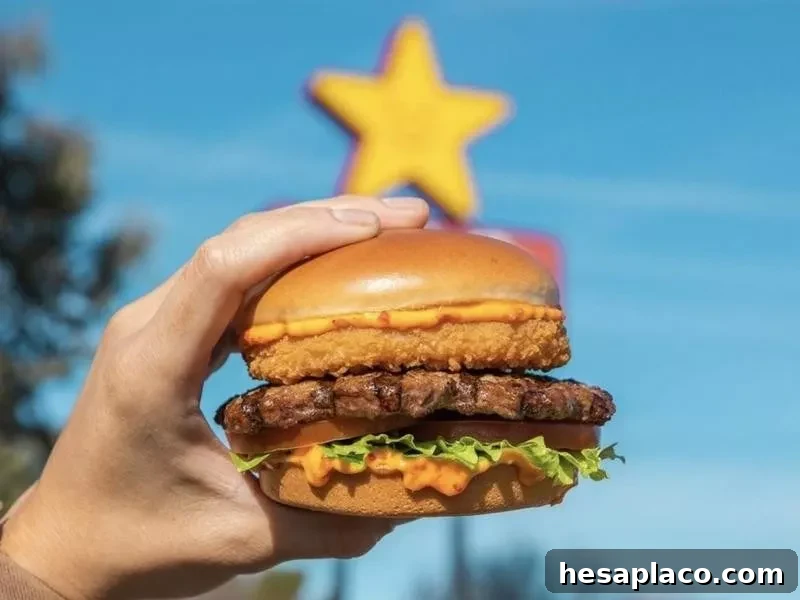
Feed your happy.
Carl and Margaret Karcher began in the food business with a hot dog cart in Los Angeles, funded by a small personal investment. They later expanded to a sit-down restaurant and eventually to limited-service locations—the “Jr.” concept—that evolved into the modern fast-food chain. Over the years the brand has experimented with other concepts, including coffee and Mexican food, sometimes unsuccessfully. One memorable promotion involved pairing an expensive bottle of wine with a high-priced burger as a novelty offering in Las Vegas.
10. Five Guys
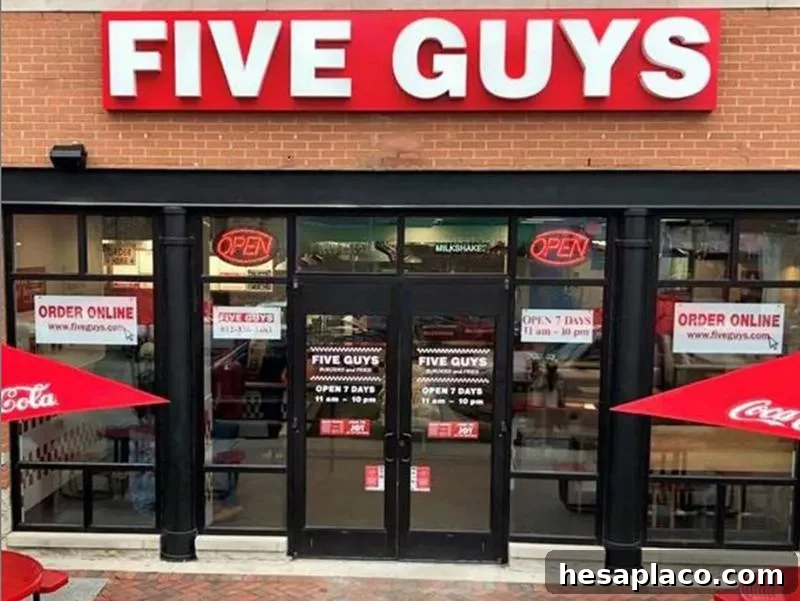
Welcome to Five Guys.
U.S. sales: $1.6 billion
Signature burger: Just a straight-up hamburger
Five Guys History
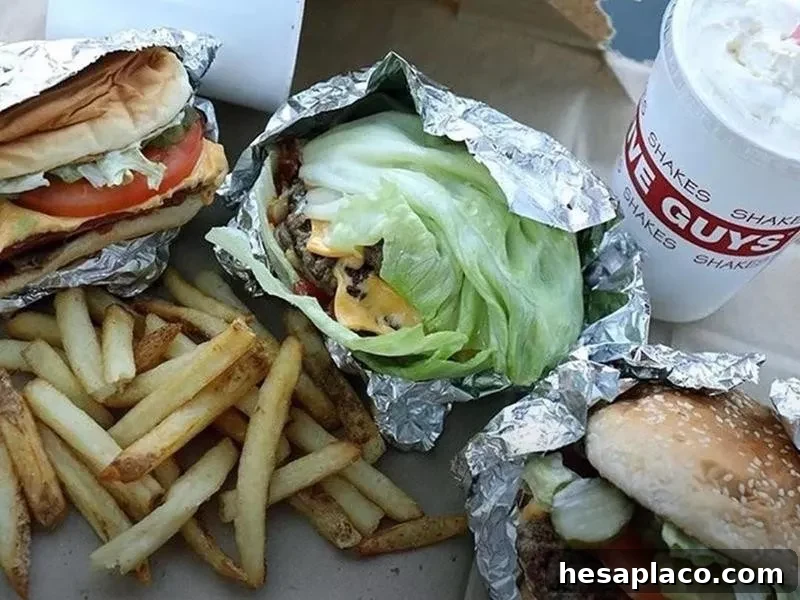
Ready, set, eat.
Year founded: 1986
First location: Arlington, Virginia
Bottom Line: Five Guys
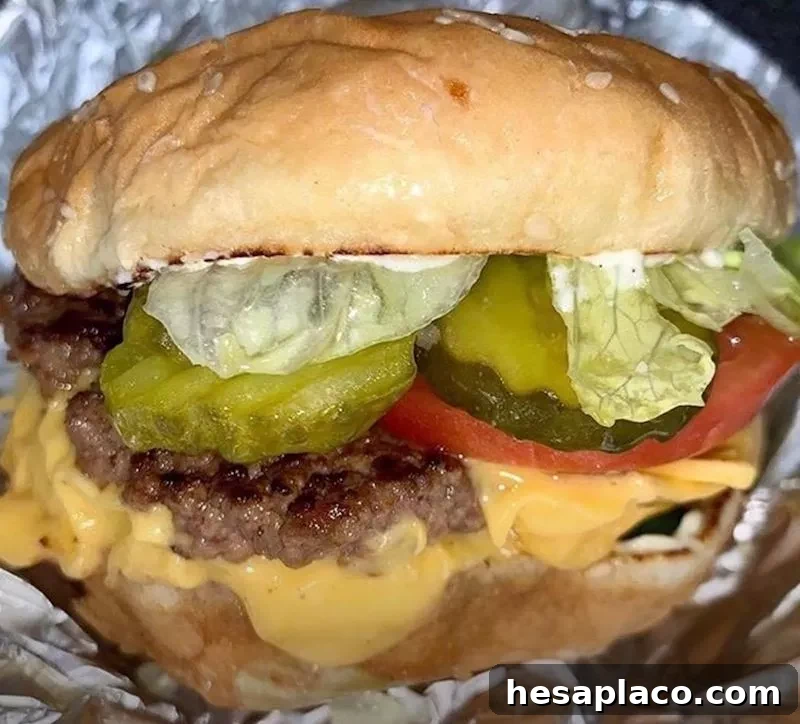
Up close and personal.
Five Guys began as a family business funded in part by a college fund converted into startup capital. The build-to-order model, no-frills approach, and focus on quality ingredients helped the brand grow without traditional advertising or delivery. The name refers to the founder’s five sons, and the company has emphasized a family-oriented ethos as part of its identity.
9. Culver’s
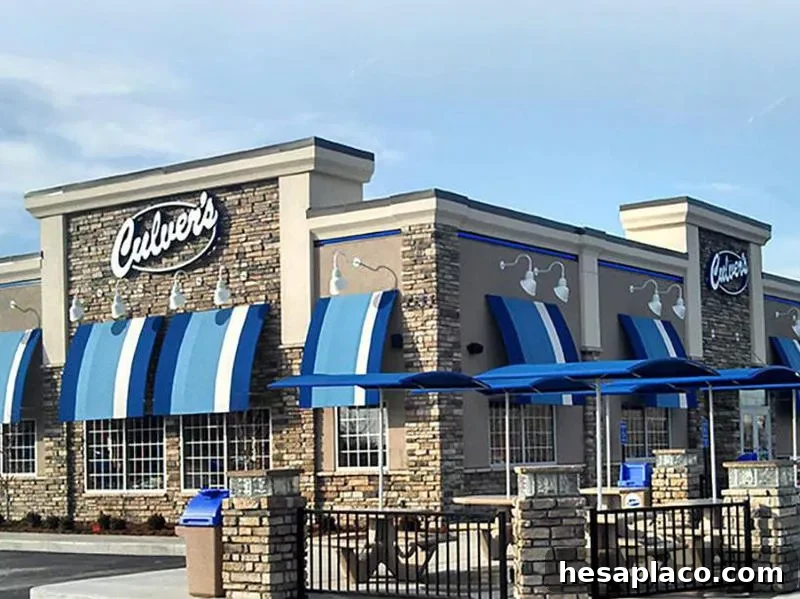
The first Culver’s opened in 1984.
U.S. sales: $1.7 billion
Signature burger: ButterBurger
Culver’s History
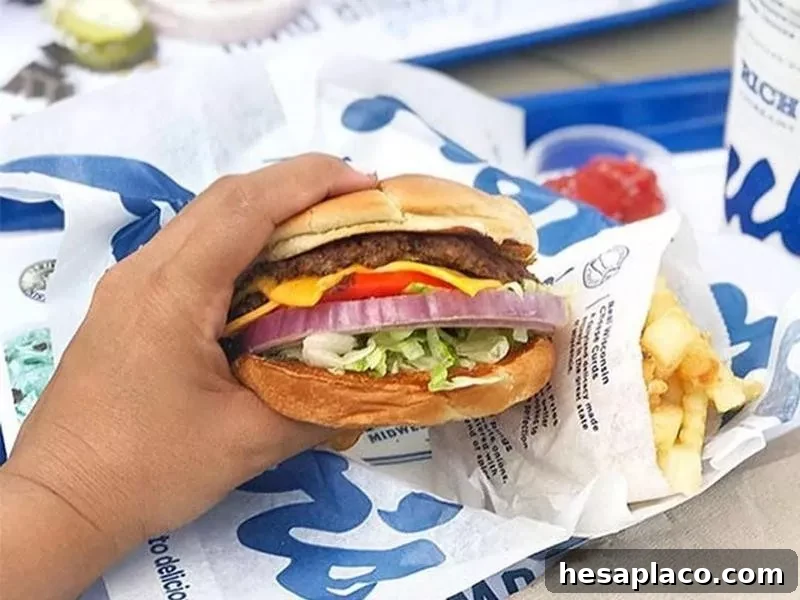
Say cheeseburger.
Year founded: 1984
First location: Sauk City, Wisconsin
Bottom Line: Culver’s
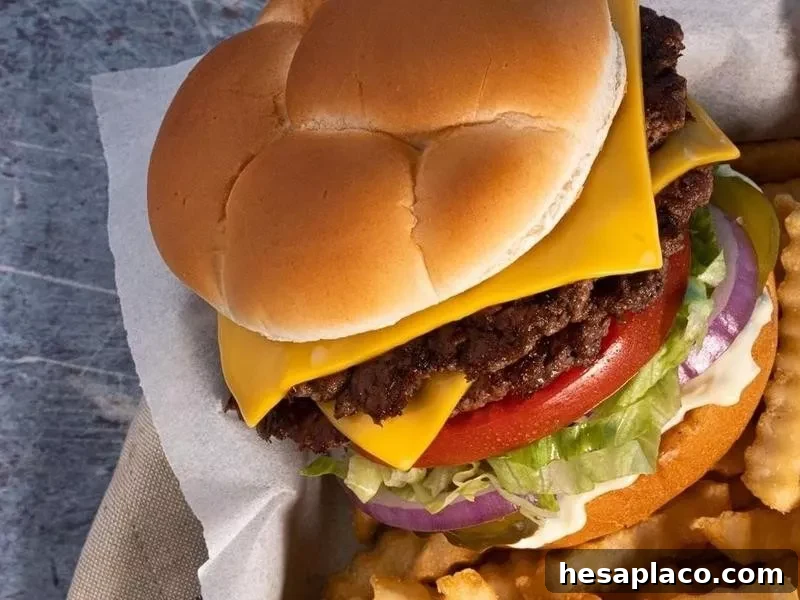
Love at first sight.
Culver’s is a family-owned chain rooted in Wisconsin’s dairy tradition. The menu highlights regional favorites, including the ButterBurger, which features buttered buns and ample cheese—an homage to local tastes. Co-founder Craig Culver drew on experience working in quick-service restaurants while developing the concept and experimented extensively to perfect the ButterBurger recipe.
8. Hardee’s
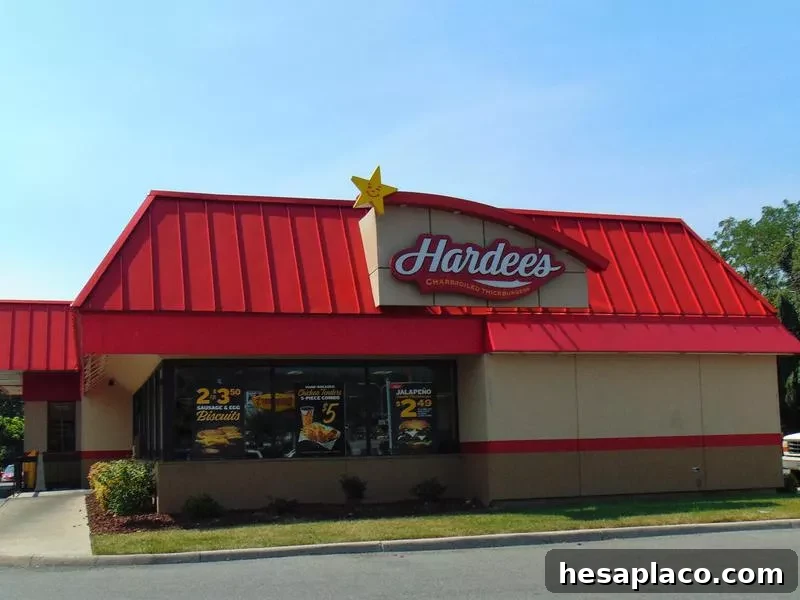
A Hardee’s in Salem, Virginia.
U.S. sales: $2.1 billion
Signature burger: Thickburger
Hardee’s History
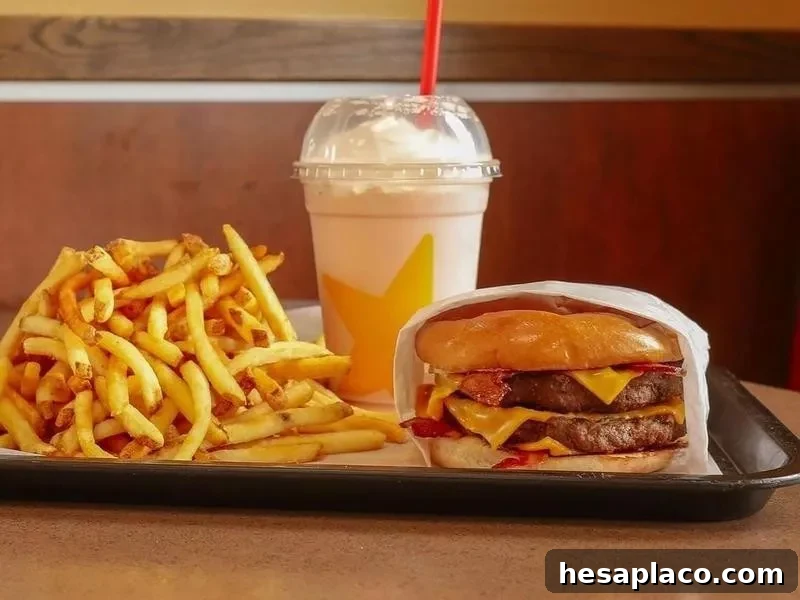
Can you dig it?
Year founded: 1960
First location: Greenville, North Carolina
Bottom Line: Hardee’s
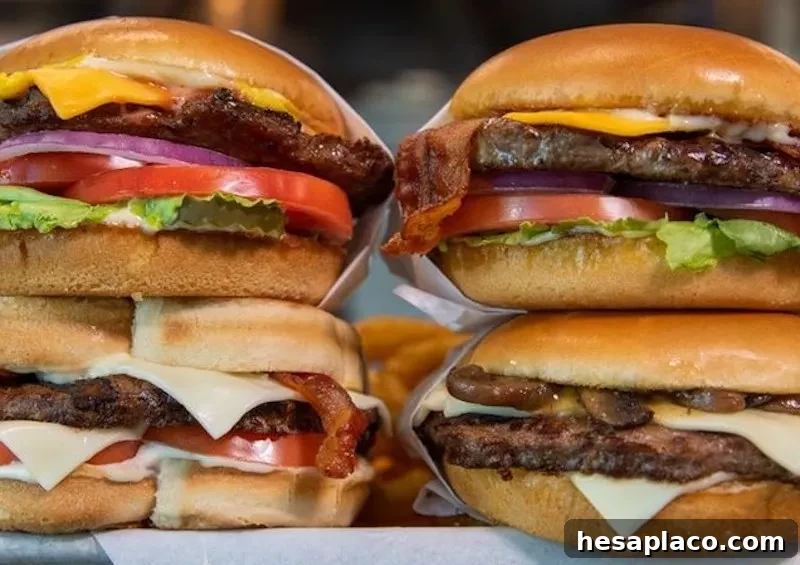
Burger time.
Hardee’s was founded by Wilbur Hardee and, while it shares a parent company with Carl’s Jr., the two operate separately. The chain expanded across the South and Midwest and, in the early 2000s, made headlines by introducing large, indulgent burgers like the Monster Thickburger—positioning itself as a place for big, hearty meals even as some competitors leaned into healthier options.
7. Whataburger
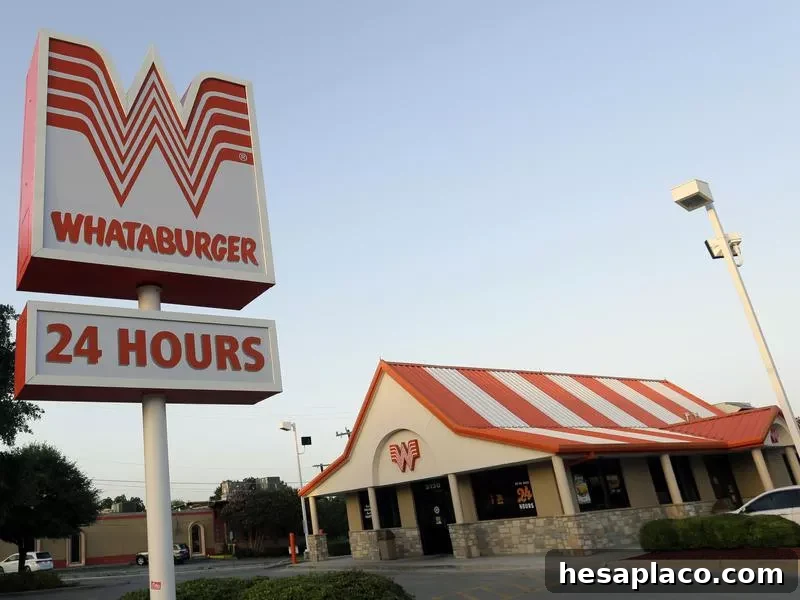
A Whataburger restaurant in San Antonio, Texas.
U.S. sales: $2.6 billion
Signature burger: Whataburger
Whataburger History
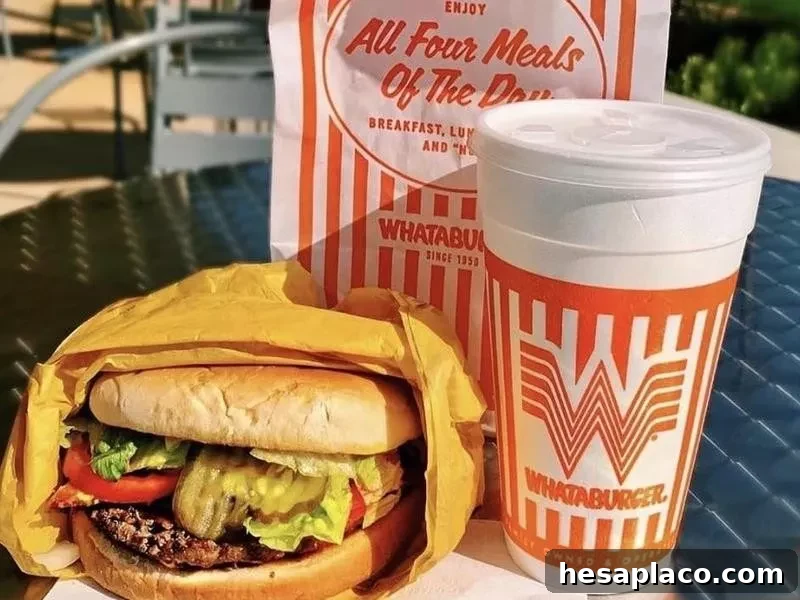
Yum. Yum.
Year founded: 1950
First location: Corpus Christi, Texas
Bottom Line: Whataburger
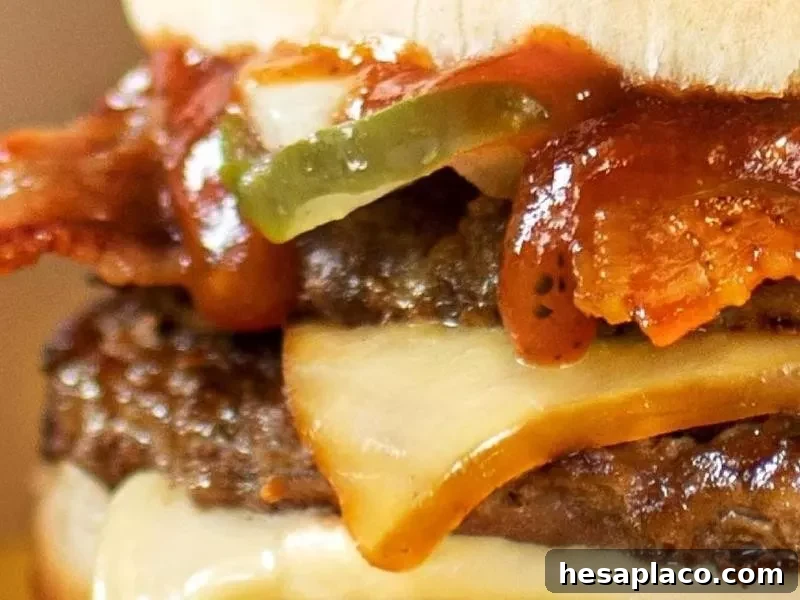
Warning: May cause drooling.
Founded by Harmon Dobson with the aim of serving burgers large enough to require two hands, Whataburger has become a Texan institution. Its menu has expanded over time, but the brand remains known for customization—claiming tens of thousands of potential combinations for ordering. Fans also debate small details like condiment variations, a testament to the chain’s devoted following.
6. Jack in the Box
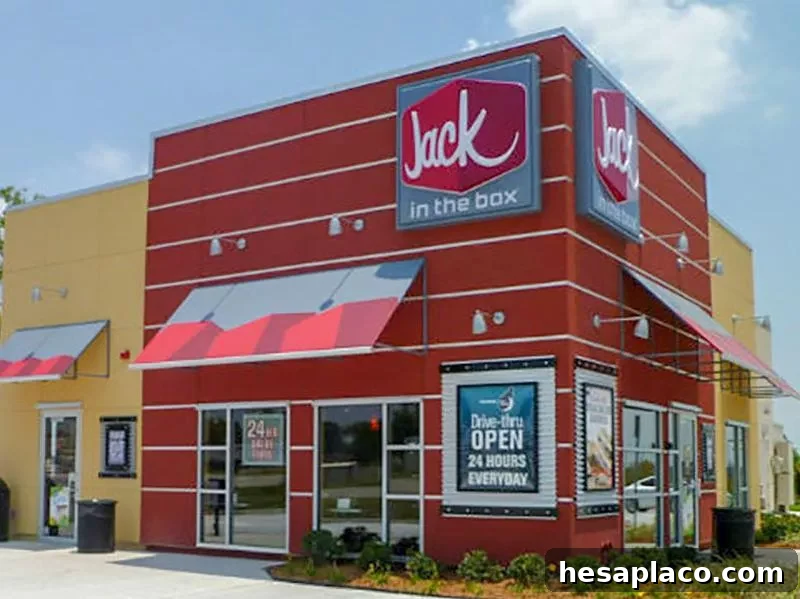
Jack in the Box is the self-proclaimed “ruler of the fast food world.”
U.S. sales: $3.5 billion
Signature burger: Classic Buttery Jack
Jack in the Box History
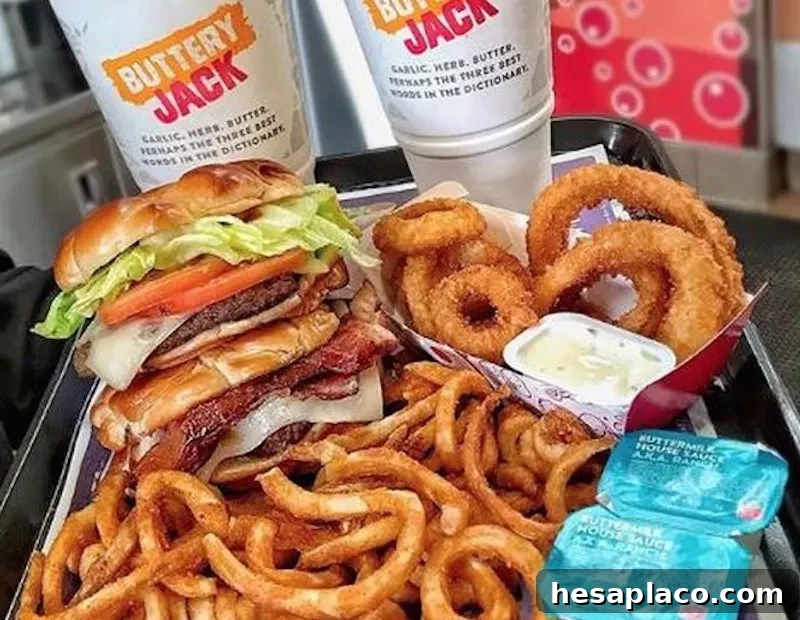
Menu options.
Year founded: 1951
First location: San Diego, California
Bottom Line: Jack in the Box
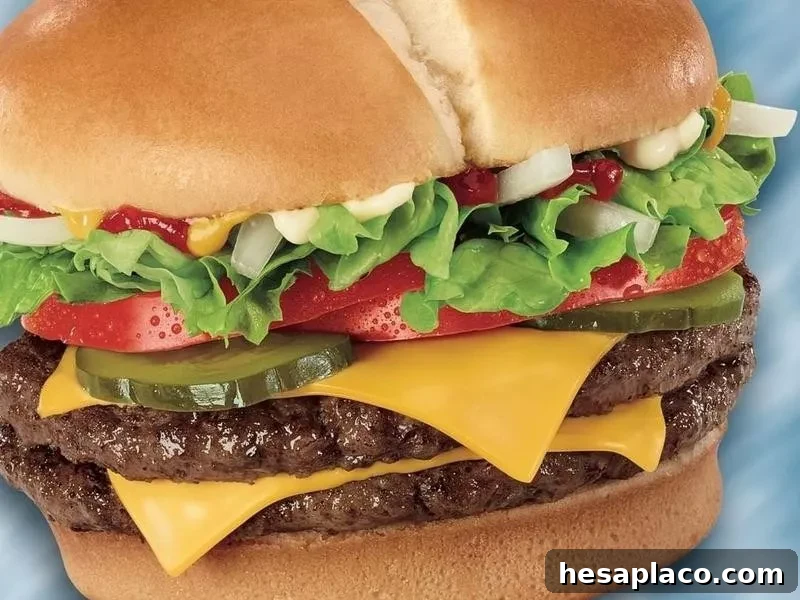
Dream big.
Jack in the Box was an early innovator in drive-through service and helped popularize the intercom ordering system. The chain introduced large burgers early on—like the Jumbo Jack—and remains primarily a West Coast brand. Its founder’s focus on convenience helped set industry standards that other chains would adopt.
5. Dairy Queen
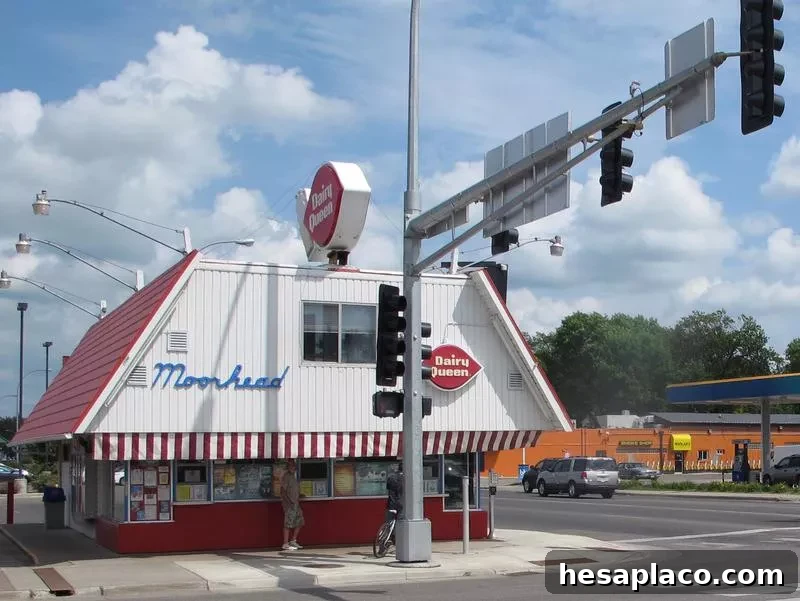
A Dairy Queen restaurant in Moorhead, Minnesota.
U.S. sales: $3.8 billion
Signature burger: GrillBurger
Dairy Queen History
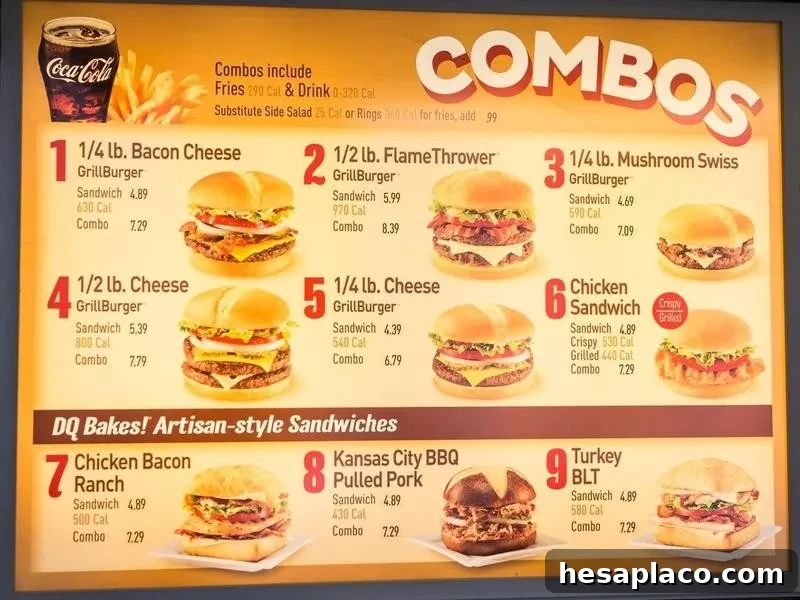
Combo-licious.
Year founded: 1940
First location: Joliet, Illinois
Bottom Line: Dairy Queen
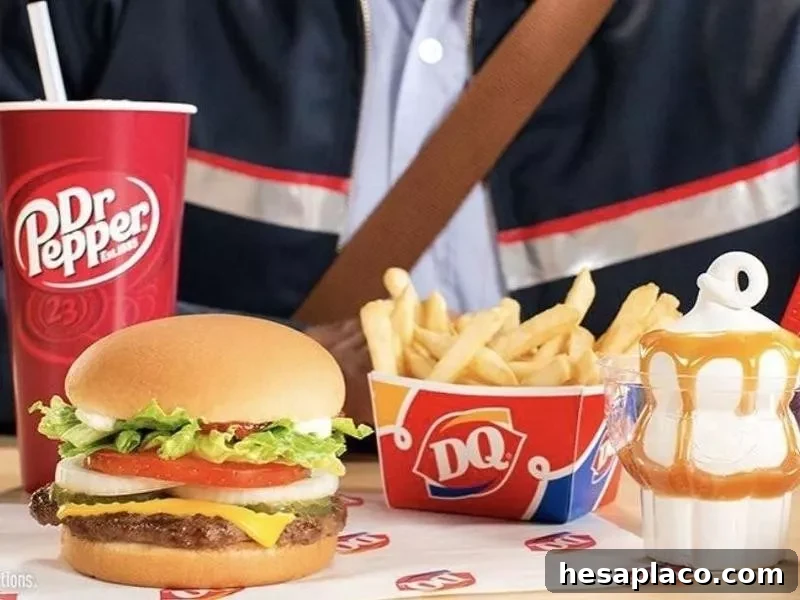
Grill and chill.
Best known for soft-serve ice cream, Dairy Queen has also operated as a fast-food restaurant for decades. In the 1950s the brand expanded menu offerings and introduced Brazier locations that served hot food alongside desserts. Variations in store formats mean menu items can differ by location, but the brand’s blend of treats and savory options remains central to its appeal.
4. Sonic Drive-In
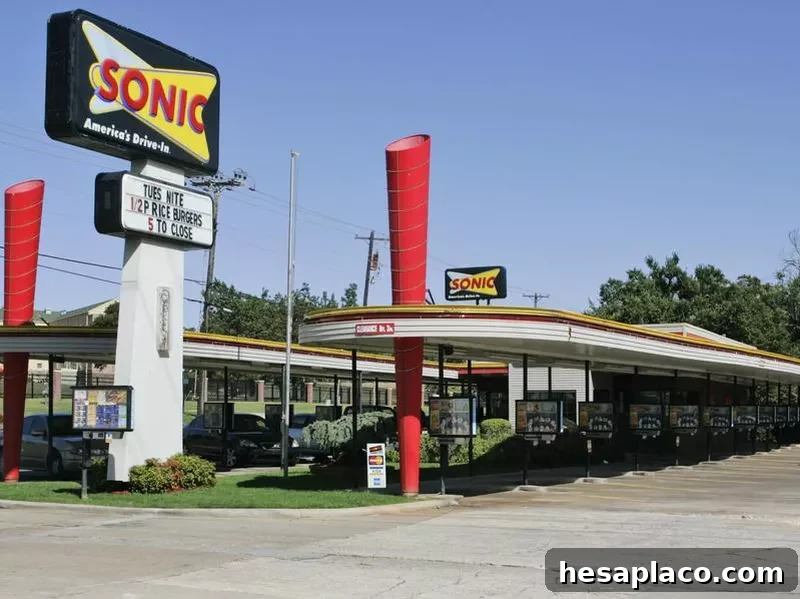
A Sonic Drive-In restaurant in Oklahoma City.
U.S. sales: $4.7 billion
Signature burger: Sonic Cheeseburger
Sonic Drive-In History
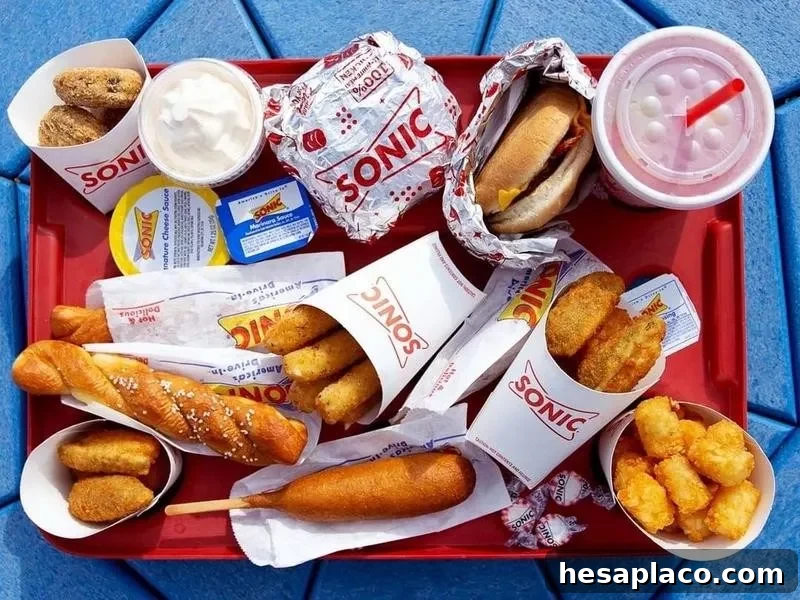
A little bit of everything.
Year founded: 1953
First location: Shawnee, Oklahoma
Bottom Line: Sonic Drive-In
Good eats.
Sonic began as a root beer stand and adopted the car-side, intercom-based service model that set it apart from traditional drive-thrus. The chain grew to thousands of locations and is notable for an expansive beverage program with millions of possible drink combinations—an offering the company cites as one of its most popular menu features.
3. Wendy’s
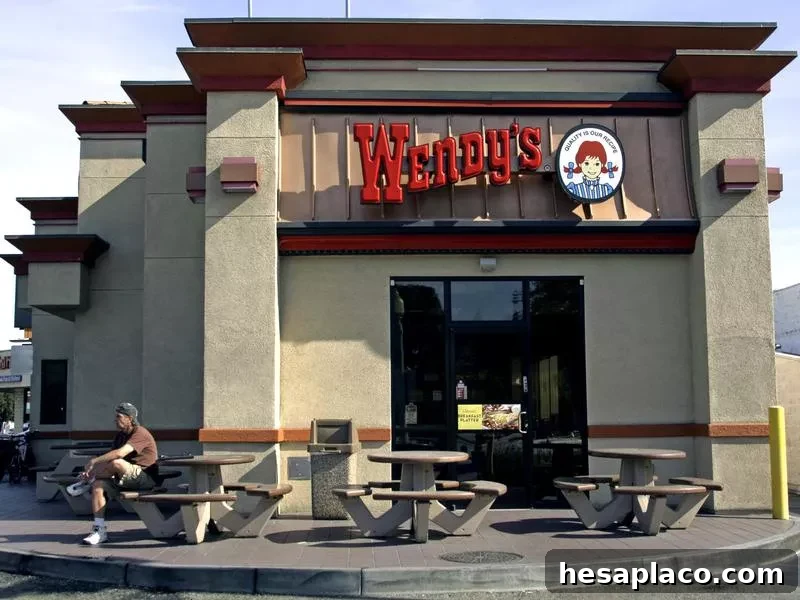
A Wendy’s restaurant in Culver City, California.
U.S. sales: $9.8 billion
Signature burger: Dave’s Single
Wendy’s History
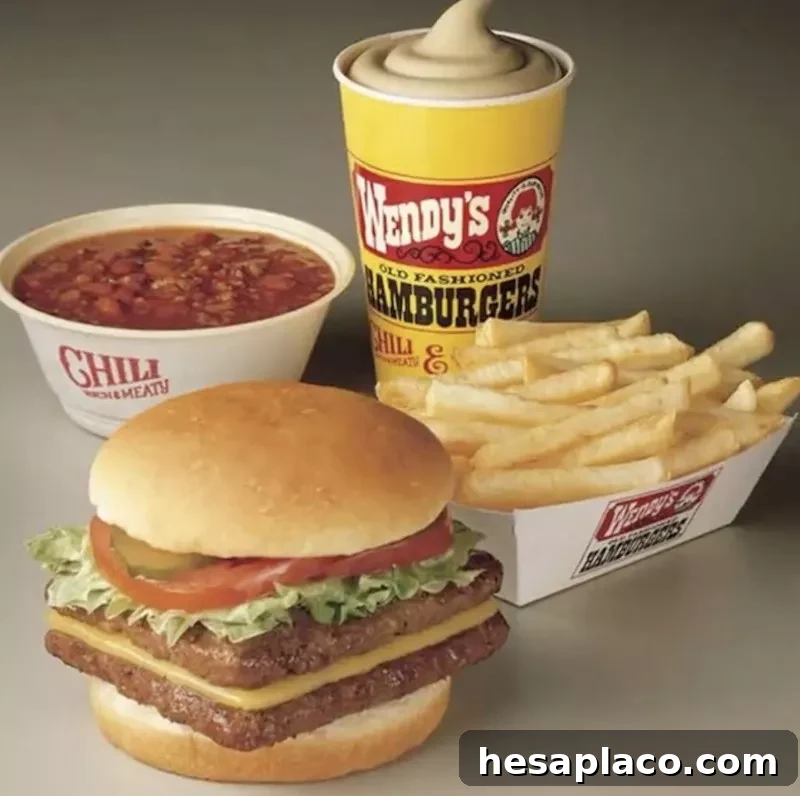
Old school.
Year founded: 1969
First location: Columbus, Ohio
Bottom Line: Wendy’s
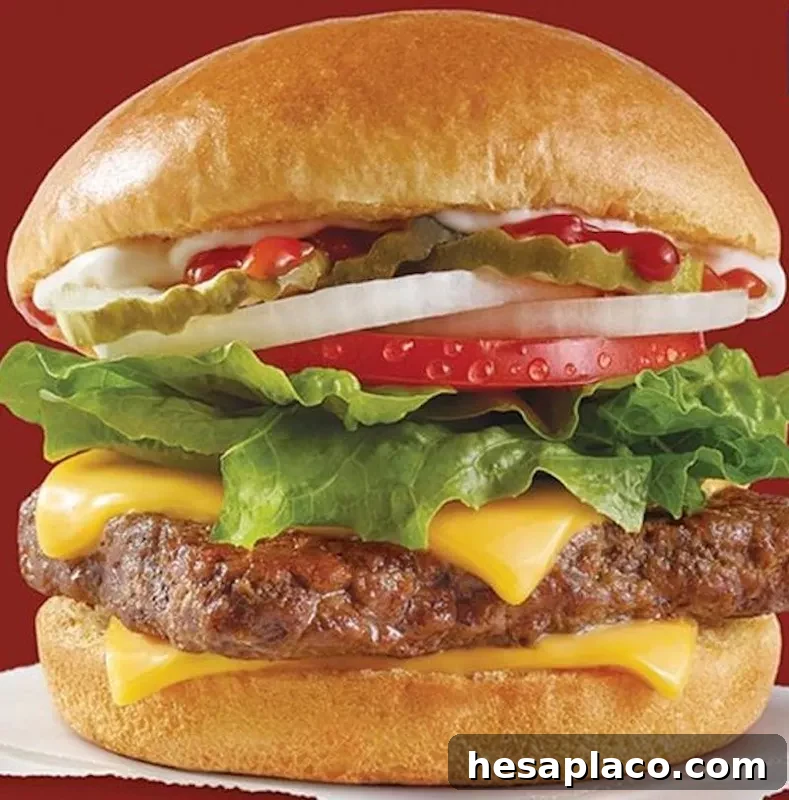
Wendy’s.
Wendy’s was founded by Dave Thomas and named after his daughter, with the brand identity closely tied to family roots. Thomas used his experience in the restaurant industry to build a chain known for fresh-prepared food and marketing innovations. Wendy’s rose to become one of the largest fast-food chains in the U.S., noted for its square patties and signature menu items.
2. Burger King
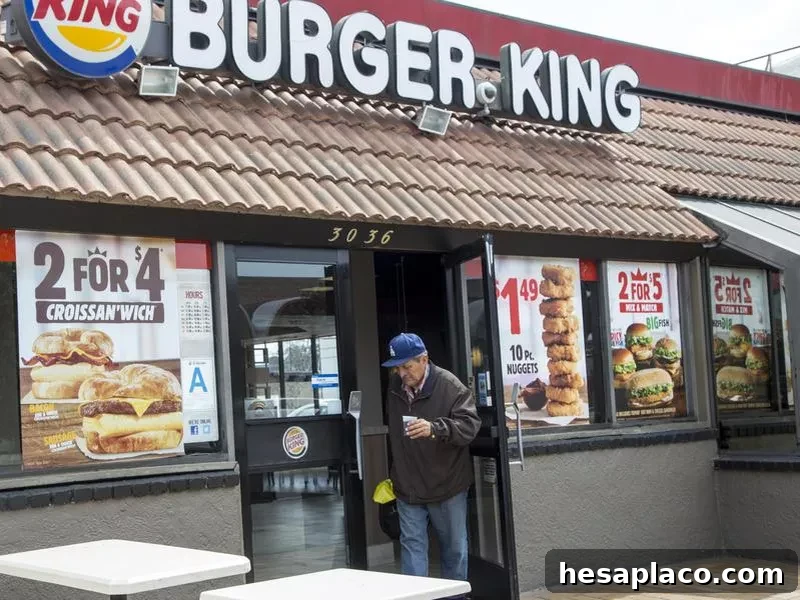
A Burger King restaurant in Los Angeles.
U.S. sales: $10.3 billion
Signature burger: The Whopper
Burger King History
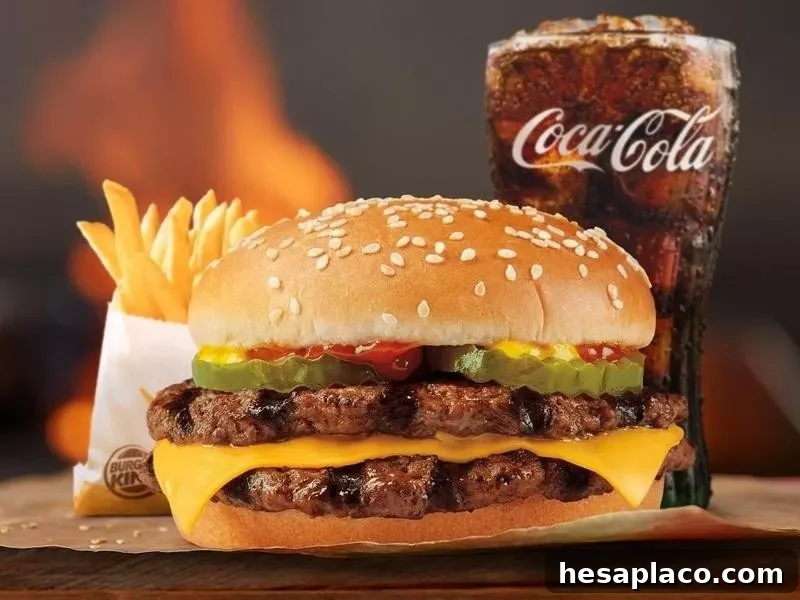
King me.
Year founded: 1953
First location: Jacksonville, Florida
Bottom Line: Burger King
Charbroiled is spoken here.
Originally known as Insta-Burger King, Burger King has grown into one of the world’s largest fast-food brands, famous for its Whopper and charbroiled flavor profile. Over the years it has cultivated a range of promotional items and off-menu offerings that attract adventurous eaters.
1. McDonald’s
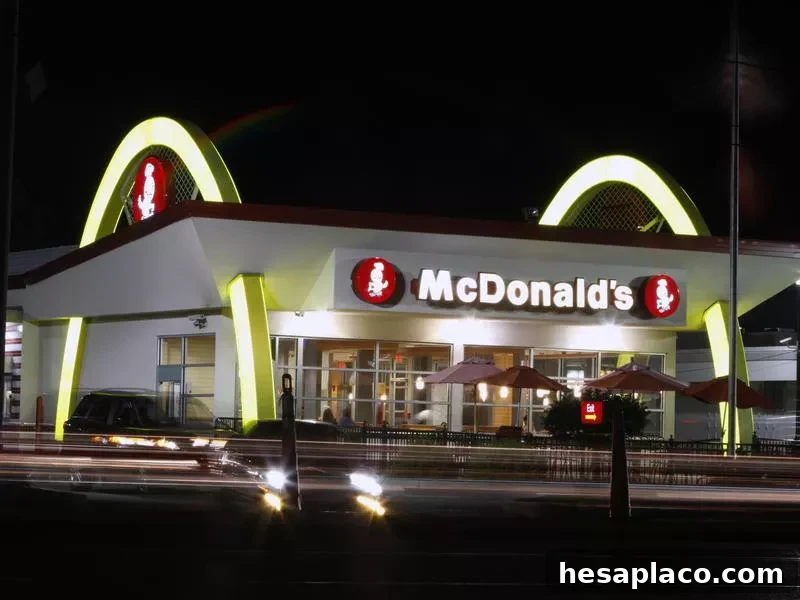
A McDonald’s restaurant in Tonawanda, New York.
U.S. sales: $40.4 billion
Signature burger: Big Mac
McDonald’s History
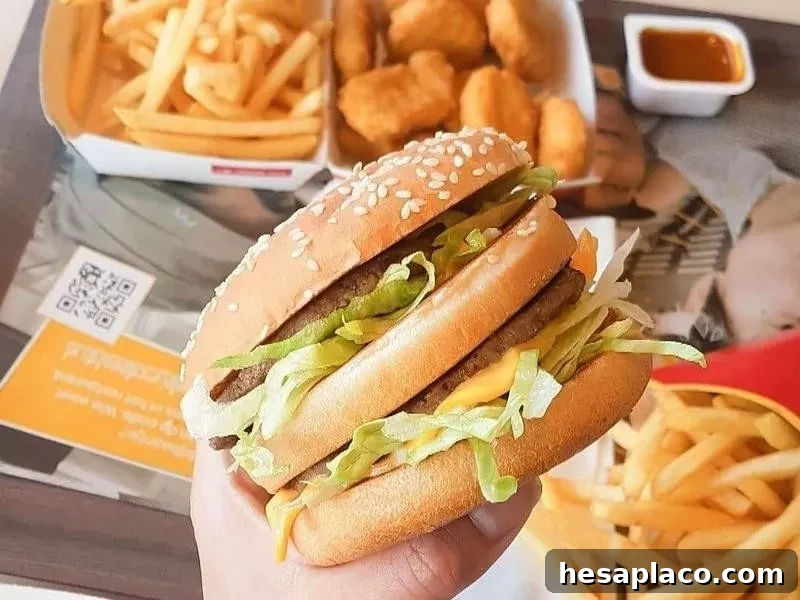
Big Mac and friends.
Year founded: 1955
First location: San Bernardino, California
Bottom Line: McDonald’s
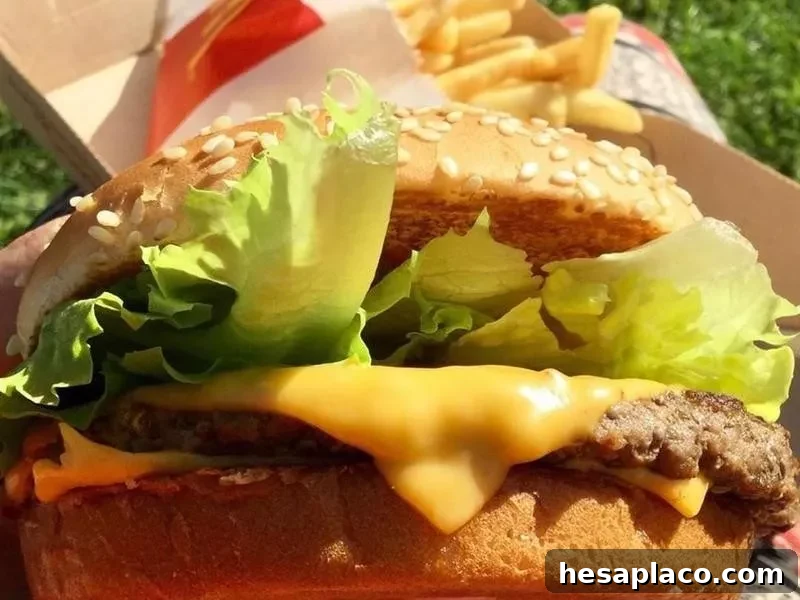
Are you loving it?
McDonald’s dwarfs other burger chains in volume: combine many of its competitors and they still wouldn’t match McDonald’s annual burger sales. The company estimates it sells dozens of burgers every second and features numerous burger variations across its menu. In recent years McDonald’s has moved to remove many artificial preservatives, flavors and colors from several burger items as part of ongoing menu adjustments, while maintaining a large global footprint and consistent brand recognition.