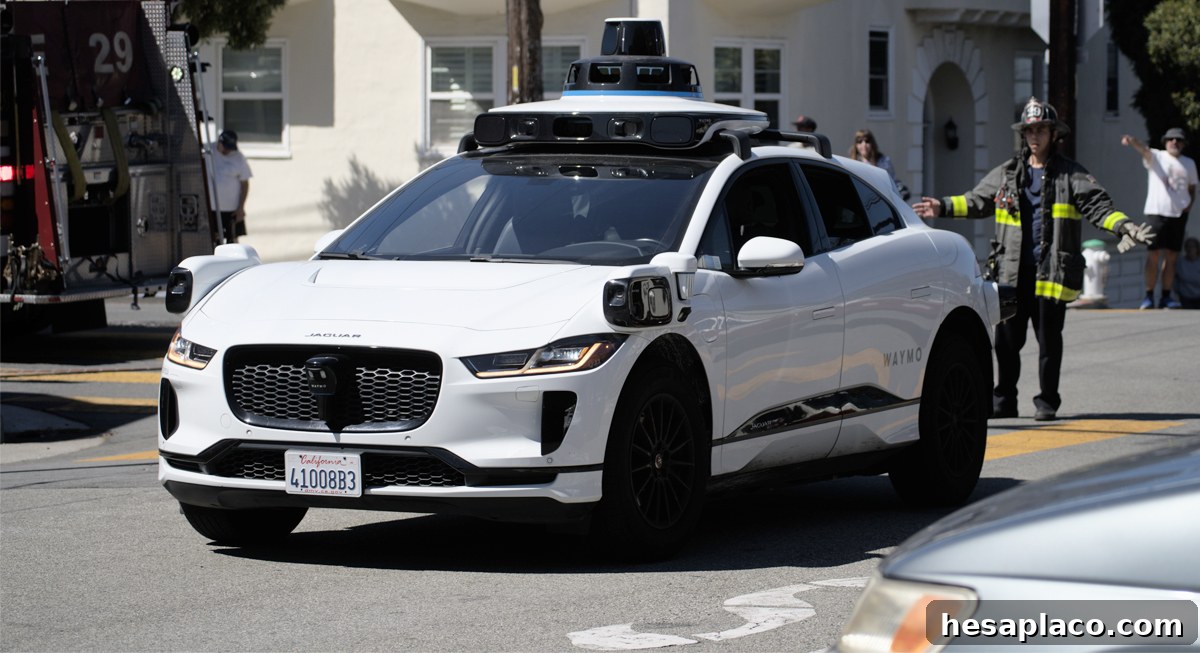
Imagine stepping into the future every time you get into a vehicle. Autonomous vehicles (AVs) are reshaping how we think about driving, urban design, the environment, and daily life. This guide outlines 13 essential things to know about AVs, covering technology, benefits, challenges, and the ways they may change society.
Levels of Automation
Credit: flickr
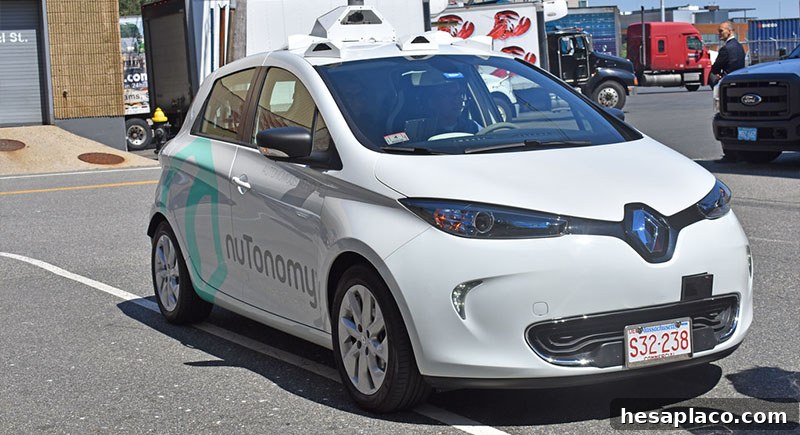
AVs are graded by levels of automation from 0 to 5. Level 0 means fully human-driven; level 5 denotes full autonomy with no human intervention required. Today’s vehicles commonly offer features such as automated parking, adaptive cruise control, and lane-keeping assistance. These incremental advances are paving the way toward full autonomy, where passengers can relax while the vehicle handles all driving tasks across any route or condition.
Environmental Benefits

Credit: pexels
Autonomous vehicles can reduce emissions by optimizing speed, braking, and routing to cut fuel consumption and minimize congestion. Smoother traffic flow means fewer stop-and-go cycles that waste energy. In cities, reduced demand for personal parking could reclaim land for green spaces, contributing to better air quality and healthier urban environments.
Safety Improvements

Credit: pexels
Human error causes the majority of crashes. AVs use an array of sensors, cameras, and machine learning to detect hazards, maintain safe distances, and react faster than humans in many situations. While no technology is infallible, widespread adoption of reliable autonomous systems has the potential to significantly reduce collisions, injuries, and fatalities on the road.
Efficiency in Traffic and Fuel Consumption
Credit: pexels
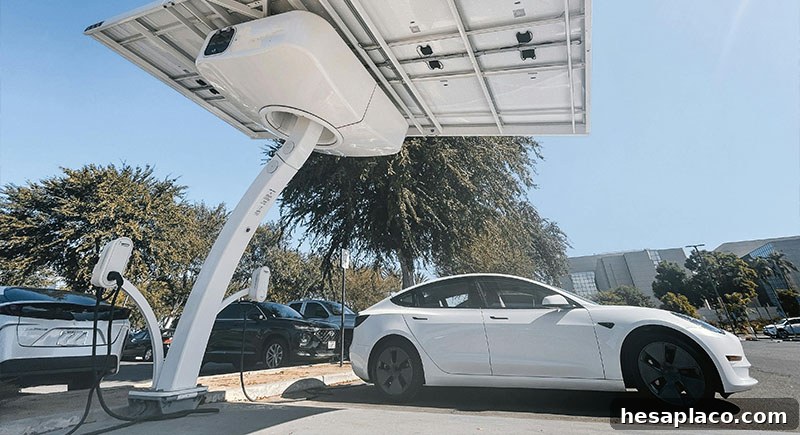
AVs can smooth traffic by coordinating speed and spacing, which reduces the start-stop patterns that cause congestion and extra fuel use. Improved routing and platooning (coordinated groups of vehicles) can shorten travel times and lower energy use, benefiting both drivers and the broader transportation network.
Societal Impact

Credit: pexels
Autonomous vehicles could expand mobility for people who currently face barriers to driving—older adults, people with disabilities, or those who can’t access reliable transport. By increasing independence and access, AVs can help make cities more inclusive and better connected, enabling more people to participate in work, education, and social life.
Historical Milestones
Credit: flickr
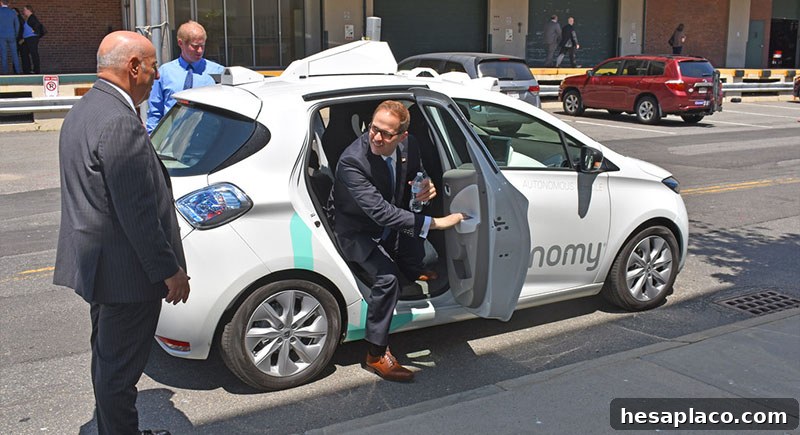
Recent years have brought notable milestones, such as successful long-distance trips completed by autonomous vehicles. These accomplishments demonstrate that AVs are transitioning from experimental projects to practical demonstrations, helping to validate systems and inform future development and regulation.
Beyond Cars
Credit: Wikimedia Commons
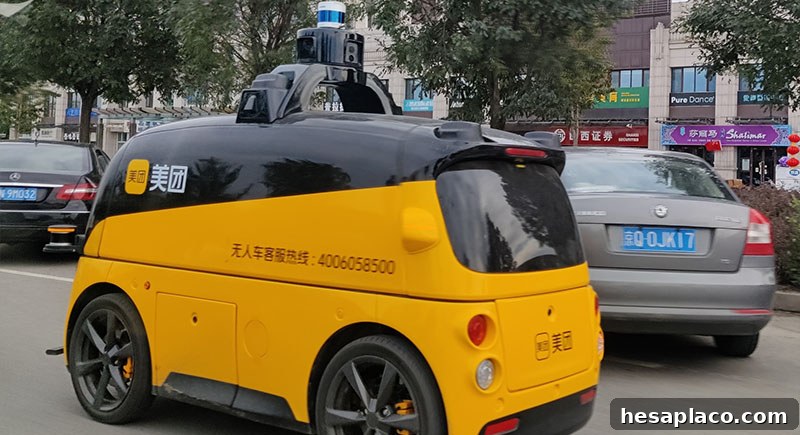
Autonomy is spreading across industries: driverless tractors, automated delivery vans, and autonomous haul trucks in mining and construction are already in use. These applications demonstrate how AV technology can improve productivity, reduce risk for workers, and lower operating costs in sectors beyond personal transportation.
Market Adoption and Consumer Attitudes

Credit: Wikimedia Commons
Public acceptance is evolving. Many people are curious but cautious about handing control to software. Building trust will depend on transparent testing, clear safety records, and consistent real-world performance. As users experience reliable AV services and see tangible benefits, adoption is likely to increase.
Regulatory and Ethical Considerations

Credit: pexels
Adopting AVs raises complex regulatory and ethical questions: data privacy and cybersecurity, liability when accidents occur, and how decisions are made in emergency situations. Policymakers, manufacturers, and the public must collaborate to create standards that protect safety and privacy while enabling innovation.
New Business Models and Economic Impact

Credit: flickr
AVs will reshape industries: insurance models may change with fewer accidents, maintenance needs could shift as vehicles become more software-driven, and new services—like on-demand autonomous shuttles—could emerge. These shifts will create opportunities and challenges across labor markets, supply chains, and urban economies.
The Future of Work and Leisure

Credit: Instagram
If driving time becomes productive or relaxing time, daily routines could change dramatically. Commuters might use travel time to work, study, or rest, altering how we structure workdays and leisure. This change could improve quality of life by reducing stress and creating time for other activities.
Challenges and Limitations

Credit: iStockphoto
Transitioning to AVs faces technical and social hurdles: complex weather conditions, sensor limitations, software bugs, infrastructure gaps, and public skepticism. Addressing these issues requires continued testing, robust safety standards, and public engagement to ensure the technology meets real-world needs.
New User Groups

Credit: pexels
AVs can open mobility to people who previously could not drive, increasing independence for seniors, people with disabilities, and others. This inclusivity can improve access to services, education, and social opportunities, making daily life easier and more equitable for many.
Changed Mobility Services

Credit: pexels
Autonomous vehicles could transform ride-hailing, public transit, and delivery services by providing driverless options that operate on demand. This shift could decrease vehicle ownership, reduce the number of cars on the road, and create more efficient and flexible transportation options as part of an integrated mobility-as-a-service ecosystem.