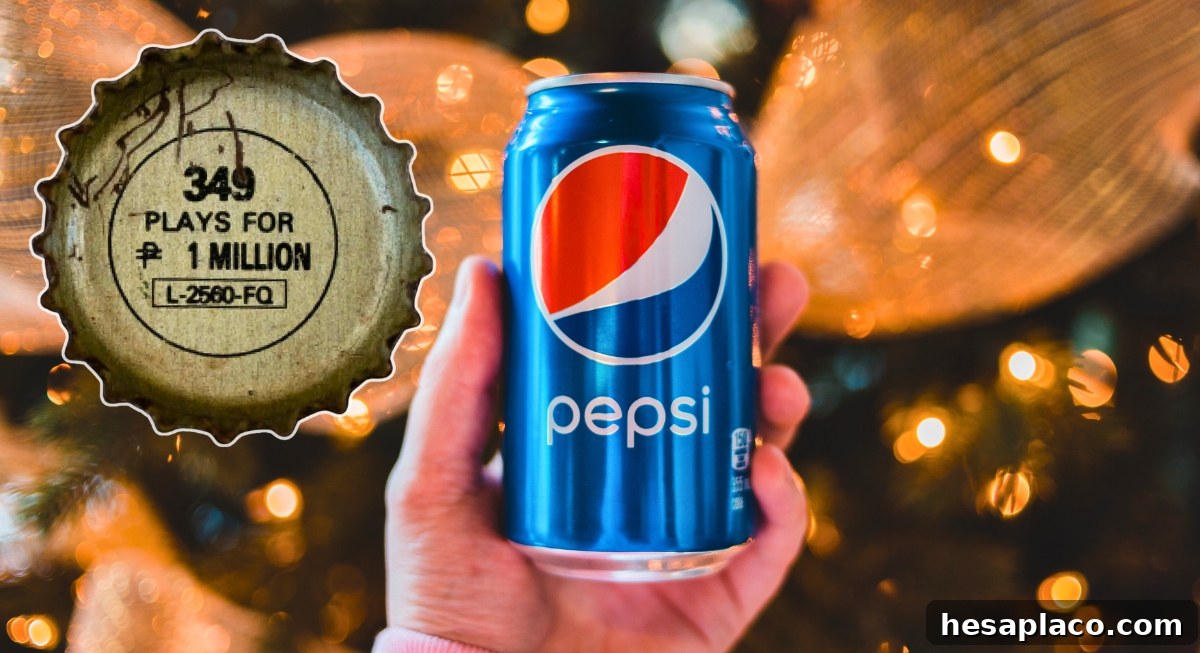
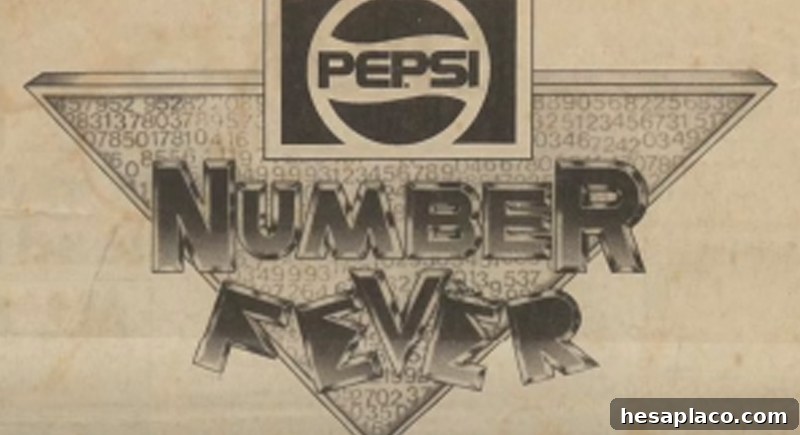
In 1992, Pepsi launched an ambitious promotion in the Philippines called “Number Fever,” aiming to challenge Coca-Cola’s dominance with a lottery-style bottle cap giveaway. What began as an energetic marketing push quickly devolved into one of the most infamous brand disasters in history after a printing error produced hundreds of thousands of erroneous “winners.” This is the story of how a single misprint sparked nationwide upheaval and lasting repercussions.
Pepsi’s Push to Gain Market Share
Credit: Wikimedia Commons
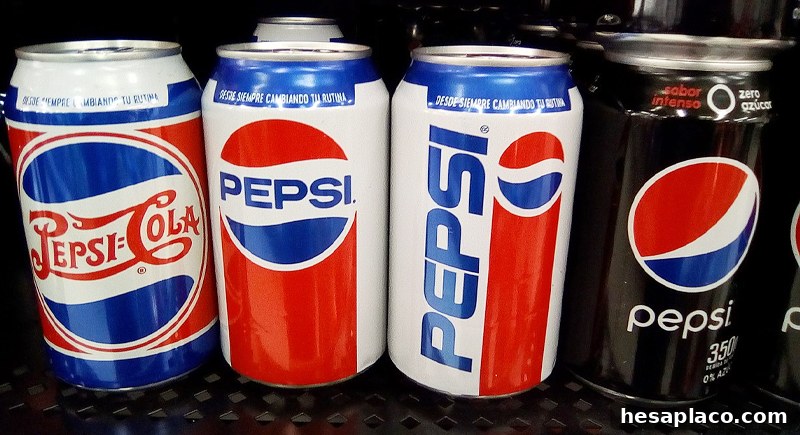
At the time, Coca-Cola controlled roughly 75% of the Filipino soft drink market while Pepsi held only about 17%. Number Fever was designed to close that gap by tapping into the nation’s enthusiasm for lottery-style games. The promotion promised substantial cash prizes, and the public response was massive. Within months Pepsi’s market share climbed to around 24%, demonstrating the campaign’s initial success.
A Contest Designed to Generate Buzz
Credit: Facebook
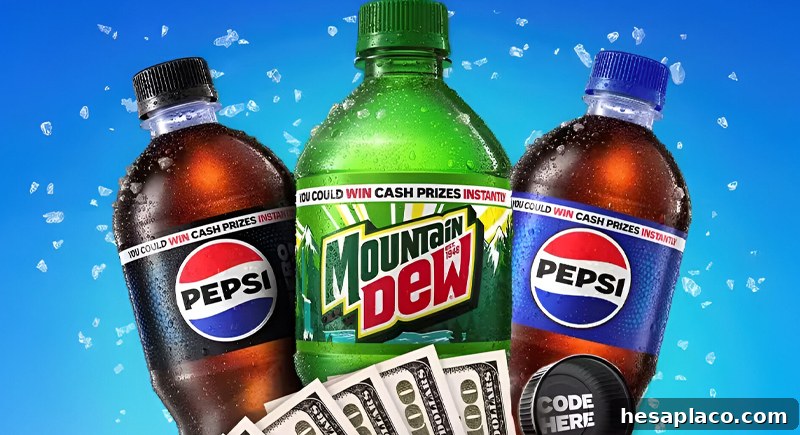
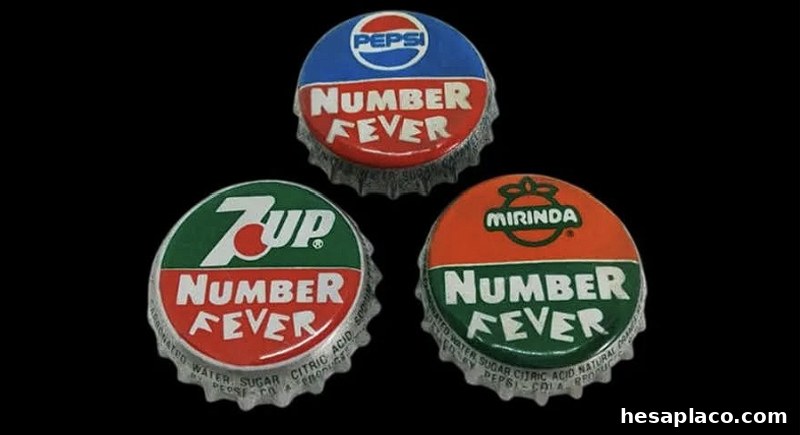
Number Fever used daily televised draws during primetime to prolong excitement and engagement. Approximately 31 million people—nearly half the country’s population—took part. Bottle caps from Pepsi, 7-Up, Mountain Dew and Mirinda revealed numbers that could yield prizes ranging from modest sums to a grand prize of one million pesos.
One Digit Changed Everything
Credit: Facebook
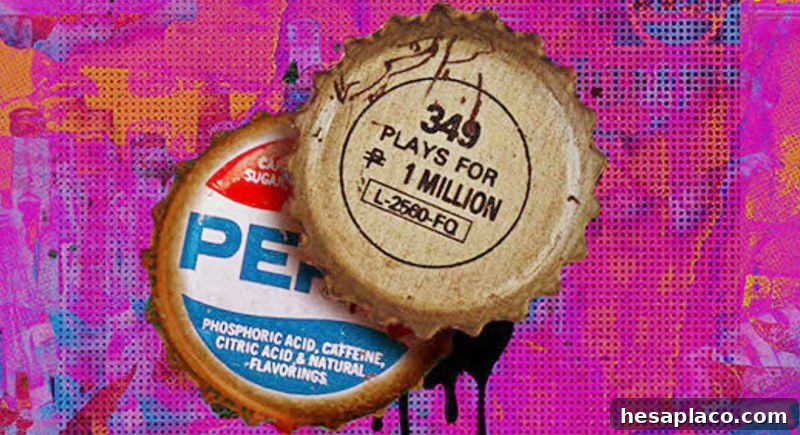
Pepsi had intended to issue just two bottle caps that would win the one million-peso prize, each secured by a unique printed code. On May 25, 1992, the winning number announced was 349. Due to a computer error at a local bottling plant, however, roughly 800,000 bottle caps were printed with that same number, transforming a targeted promotion into a national crisis.
Mass Hope Turned Into Mass Frustration

Credit: Getty Images
In a country where many families lived on modest incomes, a prize worth one million pesos (about $40,000 at the time) represented life-changing wealth. When hundreds of thousands of consumers found “349” under their caps, they believed they were suddenly rich. Crowds descended on Pepsi bottling plants and distribution centers to claim their winnings.
Pepsi Faced an Impossible Bill

Credit: Getty Images
Paying every claimant the advertised one million pesos would have cost Pepsi approximately $32 billion, an amount far beyond the company’s capacity and larger than half of the Philippines’ GDP at that time. Pepsi instead offered a goodwill payment of 500 pesos (roughly $18–20) to each claimant, which only deepened public outrage and skepticism.
Riots and Violence Break Out
Credit: iStockphoto
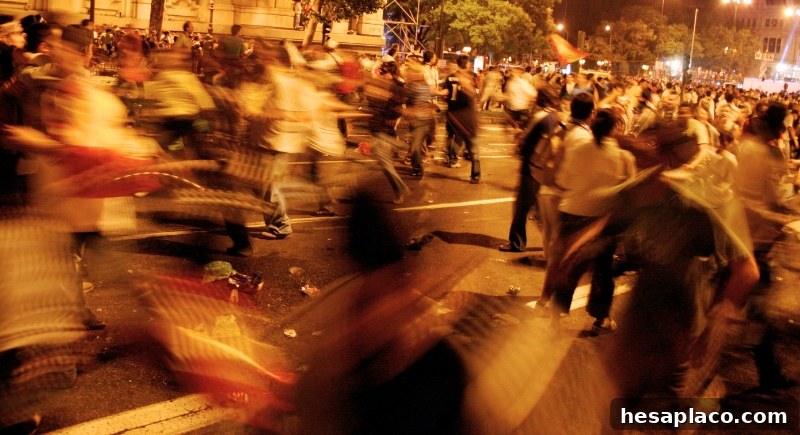
Public anger quickly escalated into violence. Protesters accused Pepsi of false advertising and deliberate fraud. Rioters attacked Pepsi property, overturning delivery trucks, throwing Molotov cocktails at company vehicles, and besieging bottling plants. Offices were reinforced with barbed wire and security guards as executives feared for their safety.
Attacks That Ended in Tragedy
Credit: Wikimedia Commons
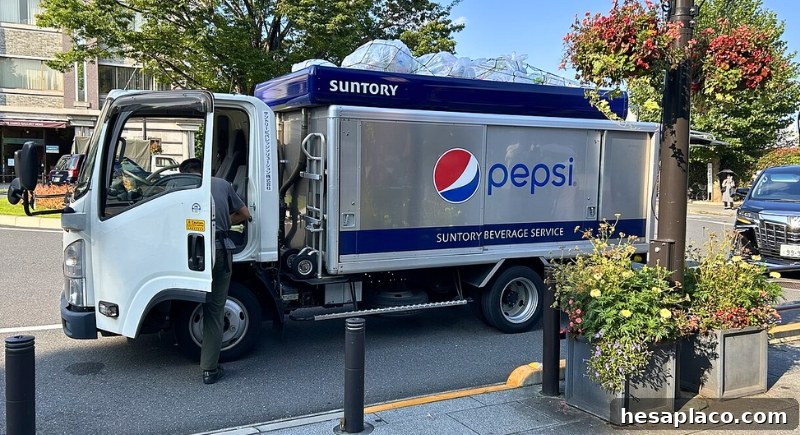
Some acts of protest turned deadly. In February 1993, an improvised explosive device intended for a Pepsi truck in Manila killed a schoolteacher and a young girl. Several months later, three more people disappeared amid chaos at a Pepsi warehouse. The unrest moved beyond vandalism into lethal violence, marking a dark chapter in the campaign’s fallout.
“349ed” Becomes Part of Local Vocabulary
Credit: Wikimedia Commons
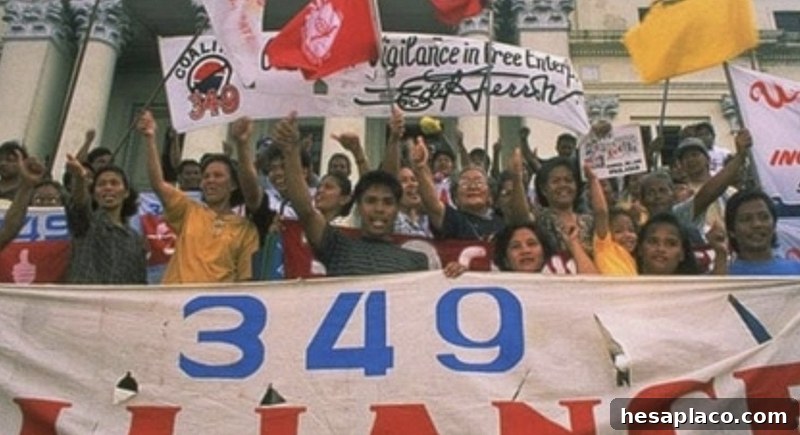
The incident left a cultural imprint: “349ed” entered Filipino slang as shorthand for being cheated or deceived by a powerful entity. For years afterward, the term conveyed distrust and frustration over broken promises and corporate negligence.
Long Legal Battles and Court Rulings

Credit: Getty Images
Thousands of legal claims followed. Around 22,000 people filed various complaints, including hundreds of civil suits and thousands of other legal actions. In 2006, the Philippine Supreme Court ultimately ruled that Pepsi was not liable because the winning caps lacked the required security codes. Legally vindicated in the end, the company’s reputation and public trust remained deeply damaged.
An Internationally Noted Marketing Catastrophe
Credit: Instagram
The 349 scandal attracted international media coverage and became a case study in marketing and risk management. Business schools and marketing professionals worldwide used the episode to illustrate how promotion design, quality control, and crisis planning can make or break a campaign—and how errors can escalate into social and financial disasters.
Later Cultural References
Credit: IMDb
Decades later, the event still surfaced in popular culture. The 2022 Netflix documentary Pepsi, Where’s My Jet? referenced the 349 incident as an example of promotional backfires, underlining how advertising stunts can unexpectedly spiral out of control.
Fines and Accountability
Credit: pixelshot
Despite the widespread disruption, the Philippine government imposed a relatively small fine. The Department of Trade and Industry levied a penalty of 150,000 pesos (around $6,000 at the time), a sum many critics considered insufficient given the magnitude of the controversy.
The Agency Behind the Error

Credit: Getty Images
The promotion’s number-selection system was created by D.G. Consultores, a Mexican firm. The ultimate glitch that produced the mass printing of the number 349 originated at a local bottling plant’s computer—highlighting how decentralized mistakes in execution can undermine a global campaign.
Heightened Security for Executives
Credit: Getty Images
As unrest grew, many of Pepsi’s foreign staff evacuated the Philippines. Company leaders tightened security, hiring bodyguards, and relocating some executives to secure locations. One experienced manager, with background in conflict-prone regions, was brought in to stabilize operations and manage the crisis response.
A Surreal, Satirical Award
Credit: Wikimedia Commons
In 1993 the campaign received an Ig Nobel Peace Prize, a tongue-in-cheek honor that recognizes unusual or trivial achievements. The award cited Pepsi for “bringing many warring factions together… in riot,” a satirical acknowledgement of how a promotional error escalated into social conflict.
The Number Fever episode remains a cautionary tale in marketing, production control, and crisis management: a reminder that even well-intentioned promotions require rigorous checks, clear contingency plans, and sensitivity to local conditions to prevent small errors from becoming catastrophic.