
Living on a tight budget can make it seem like wealthy people have no worries, but history shows that fortunes can vanish just as quickly as they were made. The following 14 stories of riches-to-rags illustrate how easily even millions can be lost through poor choices, legal troubles, tax problems, addiction, or simply bad luck. The takeaway: live within your means, plan for taxes and emergencies, and manage wealth responsibly.
Barbara Hutton
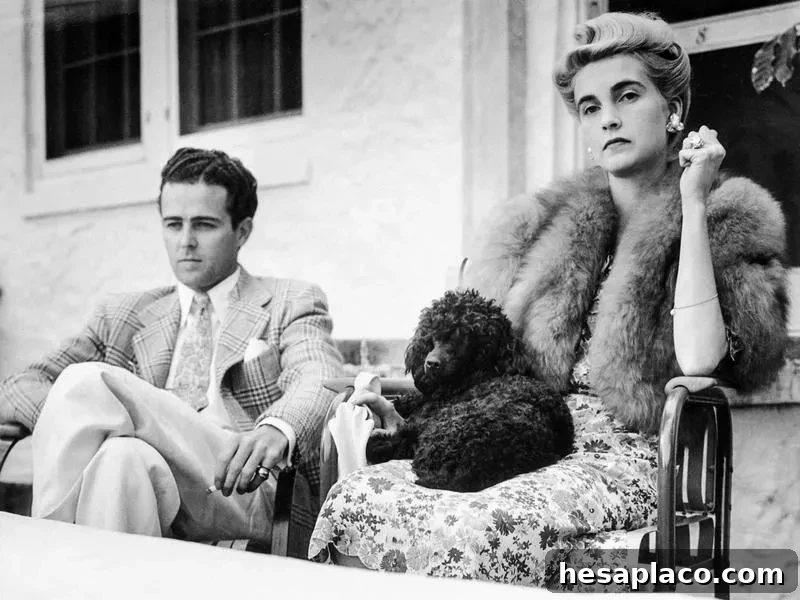
Barbara Hutton (right), pictured with former British amateur golfer Robert Sweeney in 1940, was the heiress to the Woolworth fortune. AP Photo
Barbara Hutton, heiress to the Woolworth fortune, was long labeled the “poor little rich girl.” Despite immense wealth, she suffered from addiction, an eating disorder, and abusive relationships. Extravagant spending, costly social events, and a series of seven marriages—most of which resulted in financial settlements—eroded her fortune. By the time Hutton died, she was living modestly in a hotel suite with only a few thousand dollars left.
Sammy Davis, Jr.
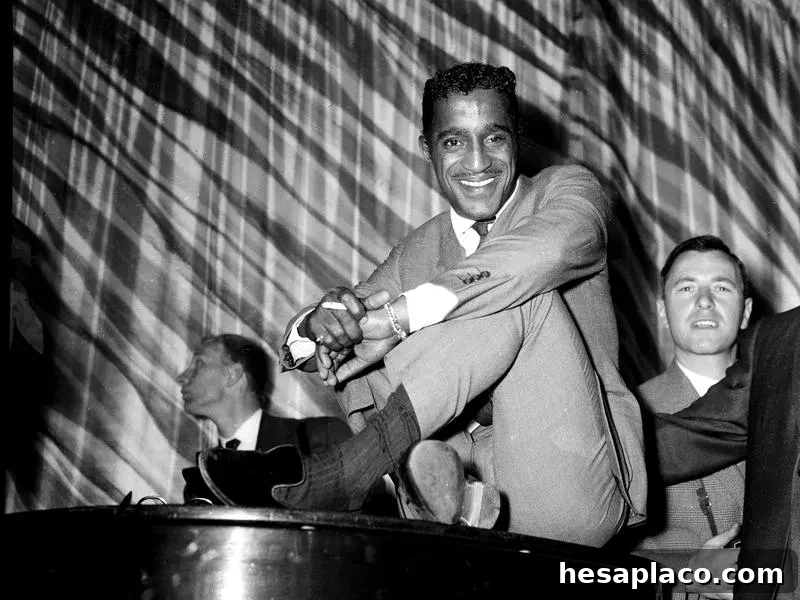
Sammy Davis Jr. sits atop a piano at the restaurant Pigalie, in London, in 1960. Bob Dear / AP Photo
Sammy Davis Jr. achieved stardom with the Rat Pack and earned substantial sums over his career—estimated at tens of millions—but lavish living and unpaid taxes left him with significant IRS debt when he died. His personal memorabilia was eventually auctioned to help settle those liabilities, which his estate and surviving family members had to shoulder.
Oscar Wilde
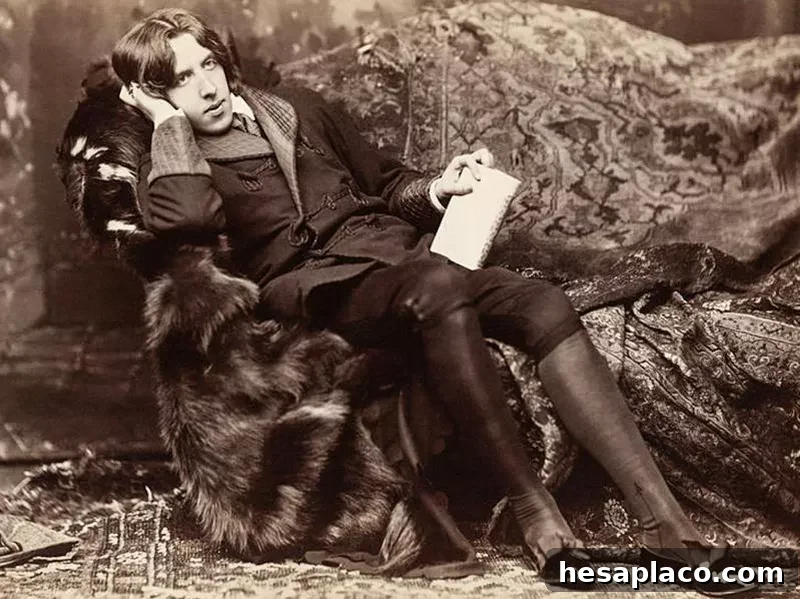
Author and playwright Oscar Wilde lived extravagantly and died penniless. Library of Congress
Playwright and author Oscar Wilde enjoyed fame, fashion, and a lavish lifestyle, but legal troubles destroyed his finances. After a failed libel suit and convictions related to his private life, Wilde was imprisoned and lost his home and possessions. He spent his final years in exile in Paris, living in poverty and dying in debt.
MC Hammer

At the top of his fame, MC Hammer was estimated to be worth $33 million. Amazon
MC Hammer reached enormous popularity and wealth through hit albums like Please Hammer, Don’t Hurt ‘Em, at one point estimated to be worth around $33 million. However, extravagant spending on homes, cars, and a large entourage, coupled with a decline in hit records, led him to file for bankruptcy. His story is a reminder of how quickly income can disappear without sustainable financial planning.
Allen Iverson

Then-Philadelphia 76ers guard Allen Iverson reacts during a game in 2004. He made more than 150 million dollars during his time as a star basketball player. Eric Gay / AP Photo
Allen Iverson earned more than $150 million in NBA salaries, plus lucrative endorsements, but continued high-spending habits after retirement led to financial distress. Reported excessive daily expenditures, costly jewelry, and generous support to friends and family contributed to mortgage foreclosures and wage garnishments. Iverson’s case highlights the need to adjust spending to fit long-term income realities.
Elizabeth Holmes

Elizabeth Holmes, founder and former CEO of Theranos, speaks at the Fortune Global Forum in San Francisco in 2018. Holmes was indicted for wire fraud. AP Photo / Jeff Chiu
Once hailed as a self-made billionaire, Elizabeth Holmes built Theranos into a high-profile startup and amassed a multibillion-dollar paper valuation. After investigative reporting and regulatory scrutiny exposed critical failures in Theranos’s technology and claims, the company collapsed. Holmes faced criminal charges including wire fraud, and the dramatic fall from perceived wealth underscores the risks of unverified promises and corporate mismanagement.
Ed McMahon
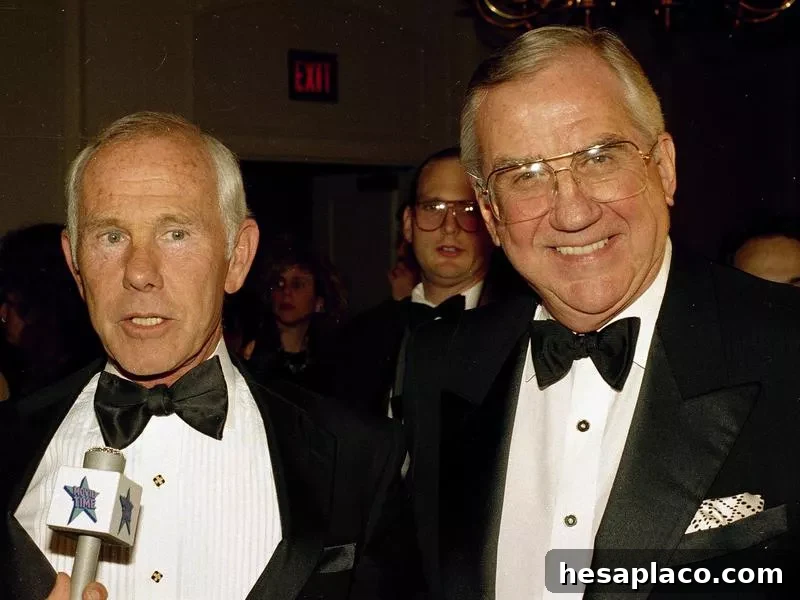
Ed McMahon (right), shown here in 1989, was the sidekick to Johnny Carson on “The Tonight Show” for 30 years. AP Photo
Known for his long tenure as Johnny Carson’s sidekick, Ed McMahon earned steady income from television, endorsements, and other projects. Nonetheless, generous habits, poor investments, and some bad business decisions left him owing more than a million dollars late in life. His Beverly Hills home faced foreclosure, and creditors pursued legal claims against his estate.
Michael Jackson

Michael Jackson performs during his “Dangerous” tour in Bangkok in 1993. Jeff Widener / AP Photo
Michael Jackson earned massive sums and secured a $65 million recording deal, yet he also carried hundreds of millions in debt at the time of his death. Large purchases like Neverland Ranch, costly personal expenses, and legal battles drained cash, forcing him to borrow extensively. Posthumously, Jackson’s estate performed strongly, ultimately repaying his debts and generating renewed revenue from his catalog.
Mike Tyson
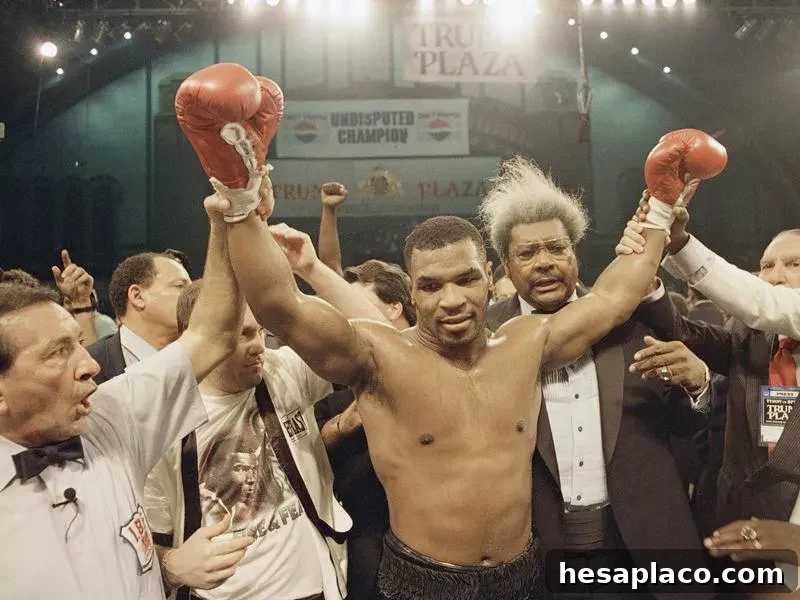
Boxer Mike Tyson raises his arms in victory after a fight in Atlantic City in 1988. He was forced to declare bankruptcy for being $23 million in debt. Richard Drew / AP Photo
Mike Tyson earned almost $400 million during his boxing career, including huge paydays for single fights. Nonetheless, prodigious spending—estimated at hundreds of thousands per month—legal issues, prison time, and addiction led him to file for bankruptcy with reported debts of $23 million. Tyson has since rebuilt his public profile through media appearances and business ventures.
Nicolas Cage

Nicolas Cage gestures during an Italian television program in 2012. Cage blamed his money manager for his financial problems. Luca Bruno / AP Photo
Nicolas Cage was among Hollywood’s highest-paid actors and once earned tens of millions in a single year. However, unpaid taxes and extravagant purchases—multiple homes (including castles), a private island, exotic animals, and rare artifacts—led to enormous tax liens. Cage pursued legal action against a former manager, sold properties and collectibles, and worked to resolve his tax obligations.
Annie Leibovitz

Photographer Annie Leibovitz, shown while on assignment for Vanity Fair magazine in Washington in 2009, claims to have been misled by unscrupulous business managers. Charles Dharapak / AP Photo
Annie Leibovitz, a celebrated photographer with high day rates and a lifetime contract with Condé Nast, faced severe financial strain after taking on large real-estate mortgages and extravagant personal expenses. To cover liabilities, she borrowed against her photographic archive. While she attributes some problems to poor advisers, Leibovitz negotiated with creditors, sold properties, and avoided bankruptcy through restructuring and asset sales.
Thomas Jefferson

At the time of his death former U.S. president Thomas Jefferson owed $107,000. That’s about $2 million in today’s money. New York Historical Society
Even Founding Father Thomas Jefferson died owing a significant sum—reportedly about $107,000 at his death, roughly equivalent to a couple million today. Jefferson’s debts stemmed from plantation operations, investments, construction projects, and a fondness for European imports. After his death, his family sold much of his property to satisfy creditors.
Antoine Walker

Antoine Walker goes to the basket in a game against the Detroit Pistons in 2002. Paul Sancya / AP Photo
Antoine Walker earned more than $100 million during his NBA career, yet poor financial choices, generous gifts to friends and family, gambling losses, and ill-timed real estate investments left him bankrupt shortly after his playing days ended. Now he shares his experience with aspiring athletes, warning them about the pitfalls of overspending and the importance of financial education.
Judy Garland

Actress and singer Judy Garland sings “The Man Who Got Away” in the 1954 film “A Star is Born.” AP Photo
Judy Garland enjoyed a long and celebrated career in film and music but struggled with addiction and mounting expenses. Despite decades of work and fame, she died with substantial debts. Financial strain affected her final years, and although friends and family helped where they could, her will contained bequests that could not be fulfilled because of outstanding liabilities.