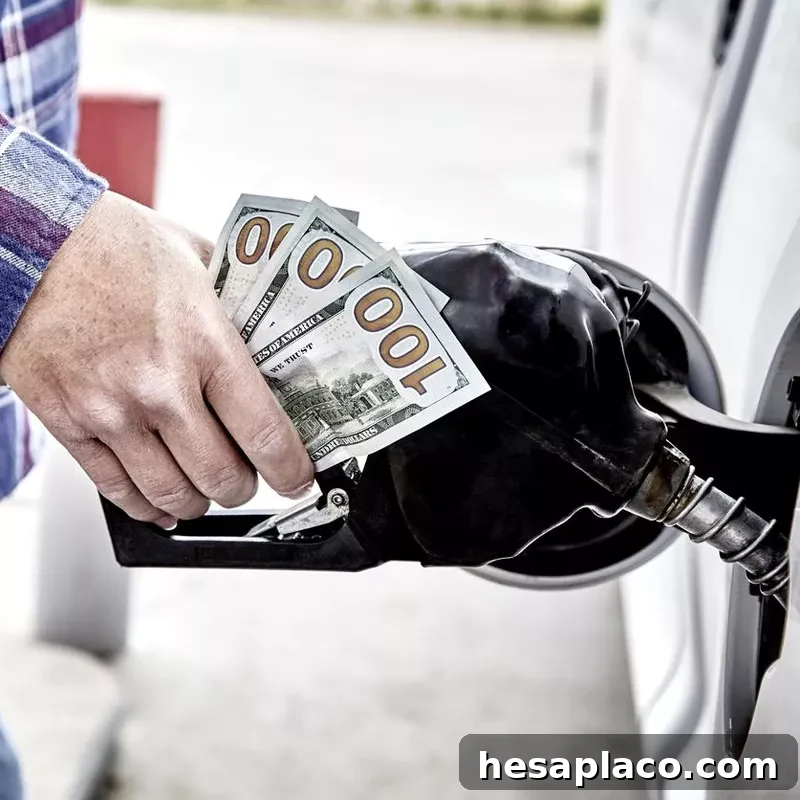
As of June 16, 2022, average gas prices in the United States reached about $5 per gallon for the first time in history. For many drivers, the rise felt sudden, painful, and difficult to understand. Prices at the pump were climbing quickly, and there was little sign that relief would arrive right away.
So, why did gas prices become so high in 2022? The answer is not simple. A combination of global oil supply problems, recovering demand after the COVID-19 pandemic, decisions by major oil-producing countries, refinery limitations, and the war in Ukraine all contributed to the gas price crisis. Understanding these factors helps explain why fuel prices rose so sharply and why no single person, company, or country could easily bring them down overnight.
The President Does Not Control Gas Prices
WSMVTV / Facebook
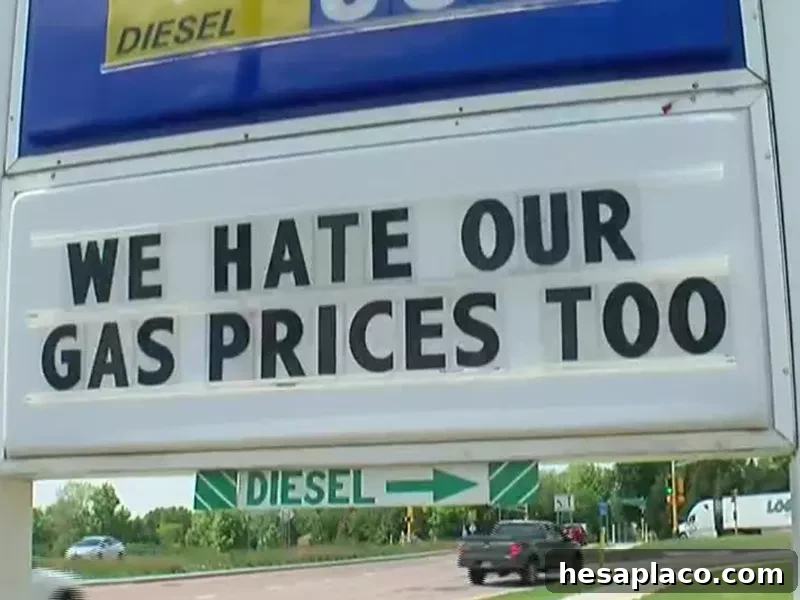
When gas prices rise, it is common to see blame placed on the sitting president, especially on social media. However, the president of the United States does not directly control gas prices. Fuel prices are shaped mainly by the cost of crude oil, refining capacity, distribution costs, taxes, and market demand.
Government policies and legislation can influence energy markets to some degree, but they do not set the price displayed at local gas pumps. Oil is traded globally, which means events outside the United States can have a major effect on what American drivers pay. When crude oil prices rise around the world, gasoline prices usually rise as well.
This is why high gas prices were not only a U.S. problem in 2022. Many countries around the world were also experiencing record or near-record fuel prices. The issue was global, not simply domestic.
Let’s Talk About OPEC+
DreamRvrentals / Facebook
One of the most important groups in the global oil market is OPEC+. This group is made up of 23 oil-exporting countries that meet regularly to decide how much oil they will produce and sell. Their decisions can have a major impact on global oil supply, which in turn affects gas prices.
At the center of OPEC+ are the 13 original OPEC members. OPEC, officially known as the Organization of the Petroleum Exporting Countries, was founded in 1960. Its goal was to coordinate oil production among member countries and influence oil prices worldwide. Many OPEC countries are located in the Middle East and Africa, and together they produce a significant share of the world’s oil supply.
In 2016, OPEC added 10 non-OPEC oil-producing nations to form OPEC+. Together, OPEC+ produces about 40 percent of the world’s oil supply. Russia, one of the world’s largest oil producers, is also part of OPEC+. That became especially important in 2022 because of Russia’s invasion of Ukraine and the sanctions that followed.
COVID’s Lesson in Supply and Demand
abbotsfordhyundaiequus / Facebook
The COVID-19 pandemic played a major role in the rise of gas prices. In 2020, travel dropped dramatically. People stayed home, businesses closed or reduced operations, and commercial air travel slowed sharply. With fewer people driving and flying, demand for oil and gasoline fell.
Because demand was so low, OPEC+ countries cut oil production to help stabilize prices. In simple terms, there was more oil available than the world needed, so producers reduced output. This made sense during the early stages of the pandemic, but it created problems later.
By 2021, demand for fuel began rising again as restrictions eased, businesses reopened, and people started traveling more. In July 2021, OPEC+ agreed to increase production and move toward pre-pandemic levels. However, demand recovered faster than supply. The world wanted more oil, but producers were not increasing output quickly enough to match that demand.
When demand is high and supply is limited, prices rise. That is exactly what happened with crude oil and gasoline. Even as drivers returned to the road, oil production remained constrained, pushing fuel prices higher.
OPEC+ and the Effect of the War in Ukraine

Guide4moms
The war in Ukraine added even more pressure to the global oil market. Russia is one of the world’s top oil producers and a member of OPEC+. When Russia invaded Ukraine, the United States banned the importation of Russian oil in March 2022. Other countries also began reducing their dependence on Russian energy.
This created uncertainty in the global market. Even when oil was not physically unavailable, traders and buyers worried about future supply disruptions. That uncertainty helped push crude oil prices higher.
U.S. President Joe Biden and U.K. Prime Minister Boris Johnson urged major oil-producing countries, including Saudi Arabia and the United Arab Emirates, to increase production. However, those requests did not lead to a major immediate increase. Some countries were reluctant to be pressured by Western governments, while others faced their own production problems.
Countries such as Nigeria and Angola struggled to meet their production targets. During the pandemic, investment in oil infrastructure declined, and some facilities were not maintained as well as needed. As demand returned, these producers could not always increase output as quickly as promised.
At the same time, other oil-rich countries, including Venezuela and Iran, were under U.S. sanctions. These restrictions further limited the options available to quickly increase global oil supply.
What About U.S. Refineries?
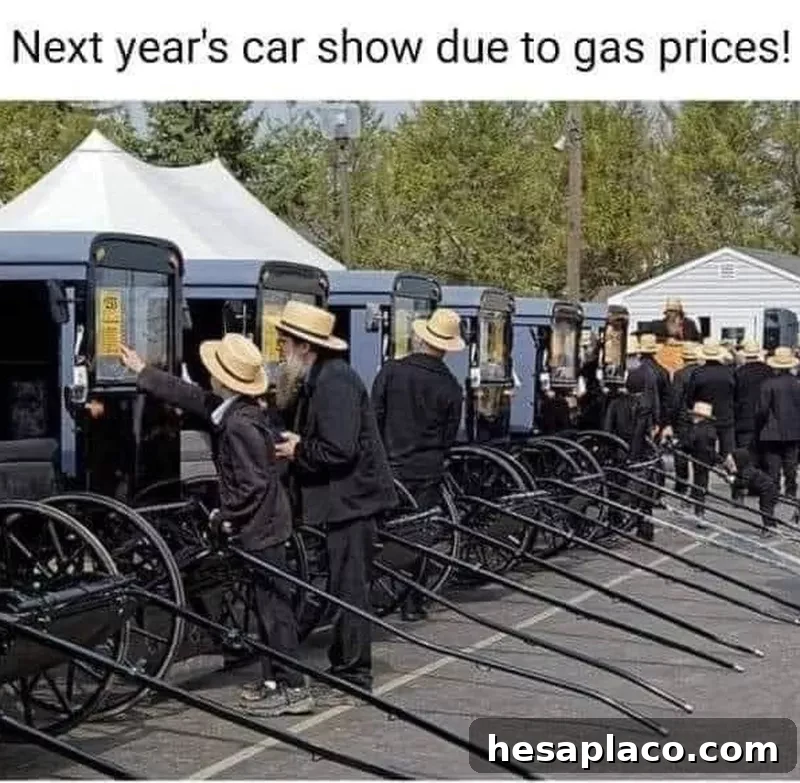
Cl1Richard / Twitter
Crude oil is only part of the gasoline price equation. Oil must be refined into usable fuel before it reaches gas stations. In 2022, U.S. refineries were also under pressure.
During the pandemic, refineries reduced production because demand for gasoline had fallen. When demand returned, refinery capacity became a major issue. President Biden asked U.S. refineries to increase output and argued that high profit margins suggested the industry was benefiting from the crisis.
The administration said it was prepared to use reasonable federal tools and emergency authorities to help increase refinery capacity and fuel supply in the near term. It also asked refinery operators to explain any reductions in capacity since 2020 and offer ideas for addressing immediate inventory, pricing, and transportation issues.
However, some energy industry analysts argued that refineries were already operating close to their limits. John Kilduff, a founding partner of Again Capital, said there was little left to ramp up. According to that view, the United States had not built new refineries in decades, and existing facilities had already been expanded as much as practical.
This meant that even if more crude oil became available, turning it into gasoline quickly was not always simple. Refining bottlenecks helped keep gasoline prices high.
Price Gouging at Gas Stations
Jay_Bird_Tweets / Twitter
Many drivers wonder whether local gas stations are price-gouging when pump prices rise. Gas stations do have some control over their posted prices, but most are not making huge profits from gasoline itself.
Most of the roughly 150,000 gas stations in the United States are independently owned, even if they display the branding of large oil companies. Station owners usually set prices based on what they expect to pay for their next fuel delivery. If wholesale prices are rising, they may increase prices quickly to avoid losing money when they restock.
Gas stations often earn much of their profit from convenience store items such as food, drinks, cigarettes, and other non-fuel products. In fact, when gas prices are very high, customers often buy less fuel and may spend less overall. Lower gas prices can sometimes be better for station owners because they encourage more traffic and more purchases.
When Will Gas Prices Go Down?
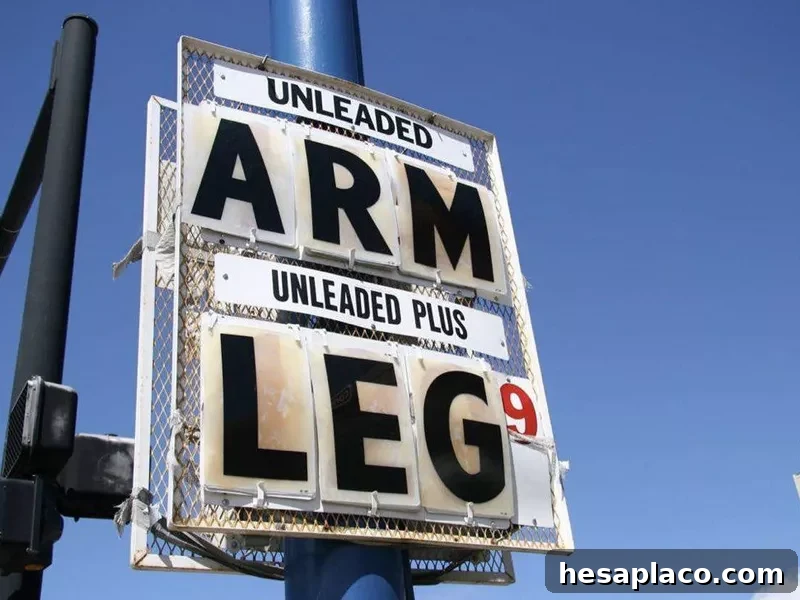
Guide4moms
Gas prices typically rise during the summer because more people travel. In normal years, prices often begin to ease in the fall as driving demand slows. However, 2022 was not a normal year.
The COVID-19 pandemic was still affecting supply chains and demand patterns. Russia’s war in Ukraine continued, and sanctions on Russian exports remained in place. These factors made the fuel market unusually unstable.
If the war were to end and global crude oil prices eased, drivers would likely see lower gas prices over time. However, the drop would not necessarily happen immediately. Higher-cost fuel already in the supply chain would still need to move through the market before consumers felt the full effect at the pump.
Any additional disruption, such as a refinery outage or another supply problem, could keep prices elevated for longer. The 2022 gas price crisis showed how sensitive fuel prices are to global events, supply limitations, and sudden changes in demand. While no single factor caused the spike alone, the combination of limited oil production, refinery constraints, geopolitical conflict, and post-pandemic demand created the conditions for historically high gas prices.