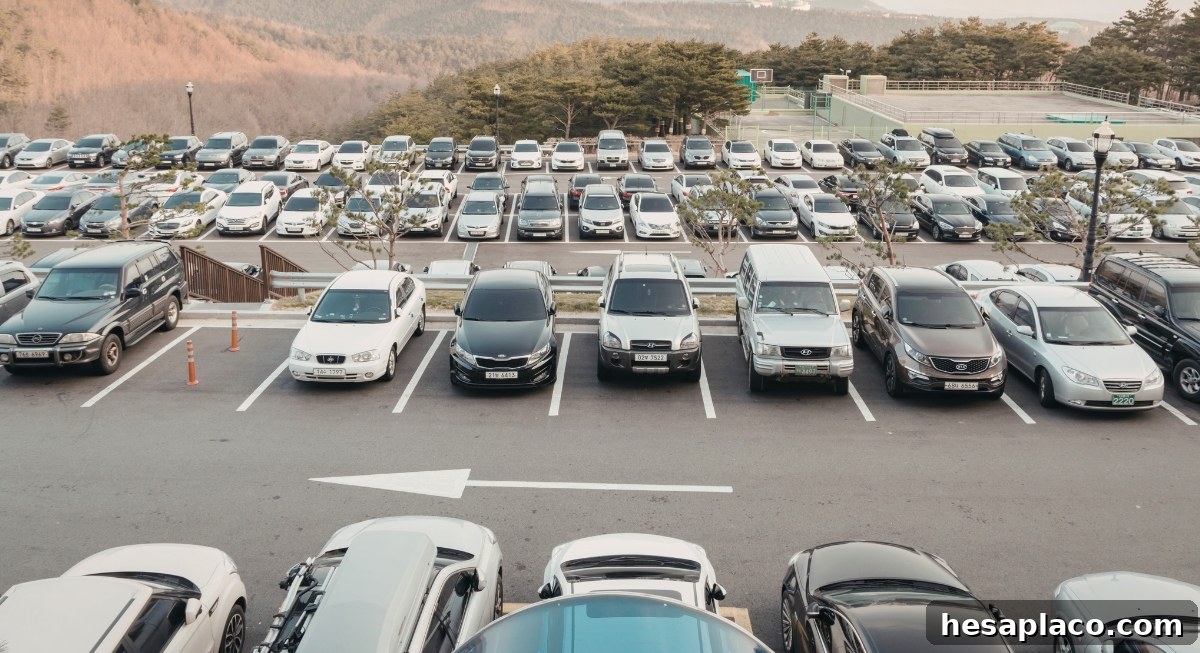
A parking space has a single purpose: to hold a car. In Hong Kong, though, that simple function has taken on extraordinary value. Limited land, intense demand and one of the most expensive property markets in the world have driven the price of some parking bays to levels that seem almost surreal.
The Sale That Stunned the Market
Credit: Wikimedia Commons
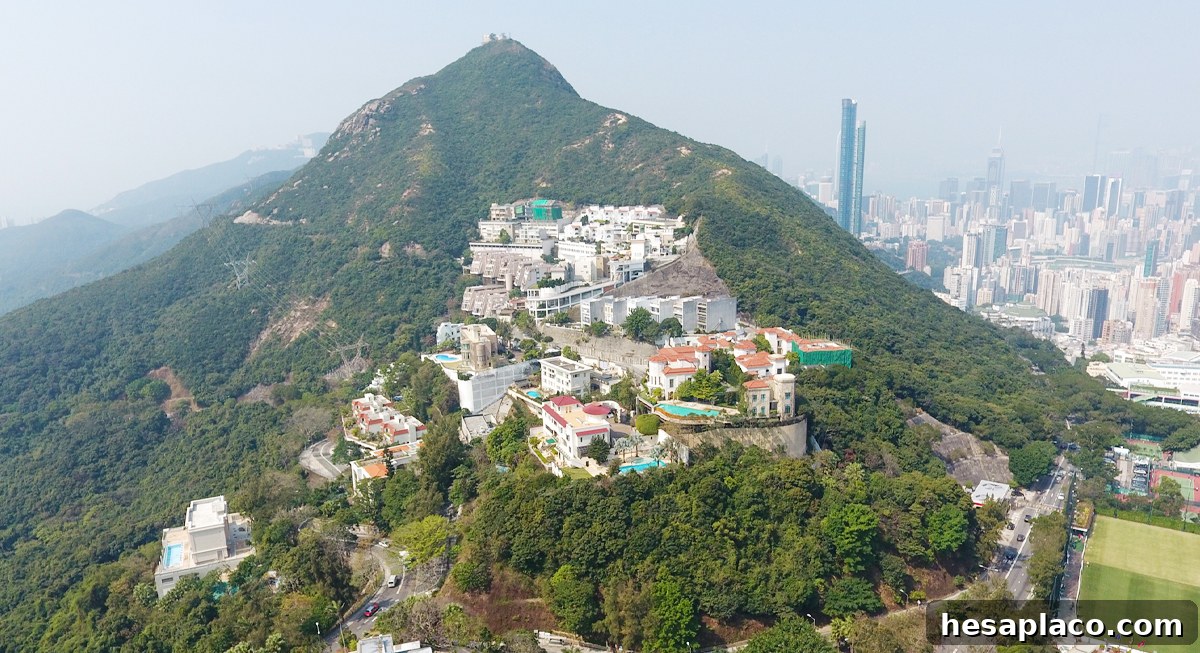
The most astonishing example came from Mount Nicholson on The Peak, where a single parking bay changed hands for HK$10.2 million in 2021 — roughly US$1.3 million at the time. That figure eclipsed previous records in Hong Kong, including a reported HK$7.6 million sale. For that price, the buyer secured one dedicated parking space in an ultra-luxury development.
Small Space, Big Price Tag
Credit: pexels
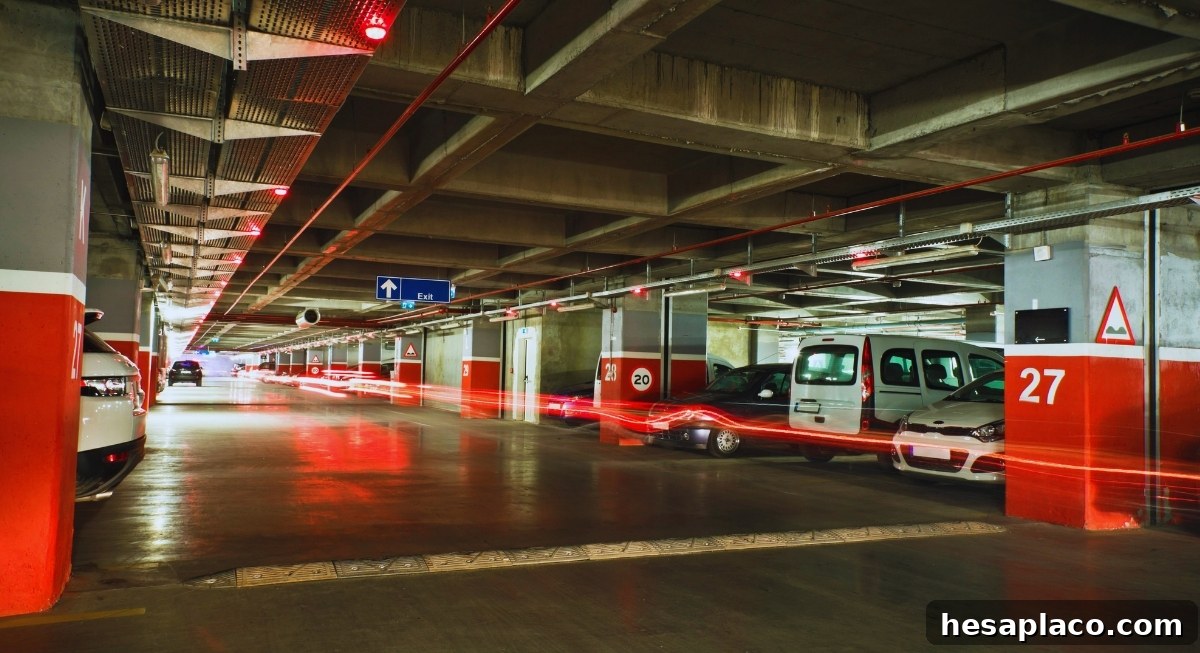
Reports estimate the Mount Nicholson bay at roughly 134.5 square feet. The physical footprint is tiny, but the price could buy a substantial home in many other markets. At a certain point the purchase is no longer about the slab of concrete; it reflects ownership of the building, the prestige of the address, and the exclusivity of parking inside a top-tier development.
The Peak’s Own Pricing Ecosystem
Credit: Wikimedia Commons
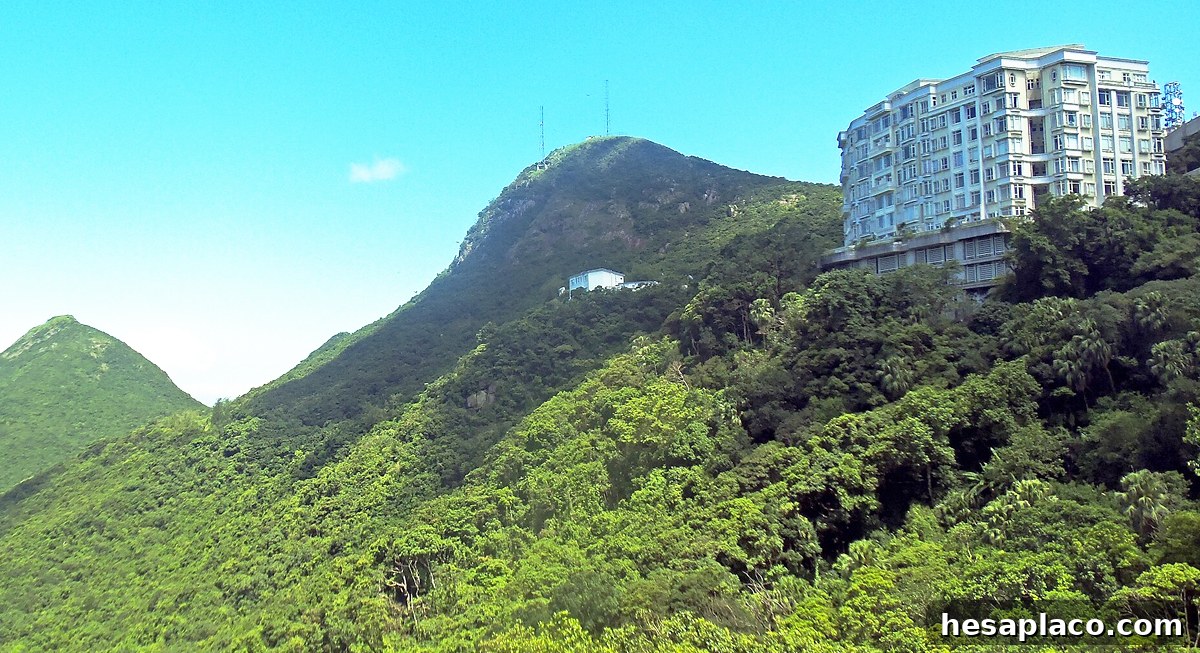
Parking on The Peak operates within a distinct market. This is one of Hong Kong’s most exclusive residential neighborhoods, where buyers pay premiums for privacy, limited supply and status. In developments like Mount Nicholson, even individual parking bays become part of the luxury package: proximity to private entrances, elevator access and the cachet of the location all affect perceived value.
Developers Timing the Release
Credit: Canva
Many parking spaces at Mount Nicholson were offered after the apartments had already been sold. That timing advantaged developers: settled residents were often prepared to pay a premium to secure a bay inside their own building rather than rely on off-site parking. Once convenience is tied to an elite address, buyers treat parking differently—sometimes as an essential amenity rather than a mere convenience.
Building Ratios Intensify the Squeeze
Credit: Getty Images
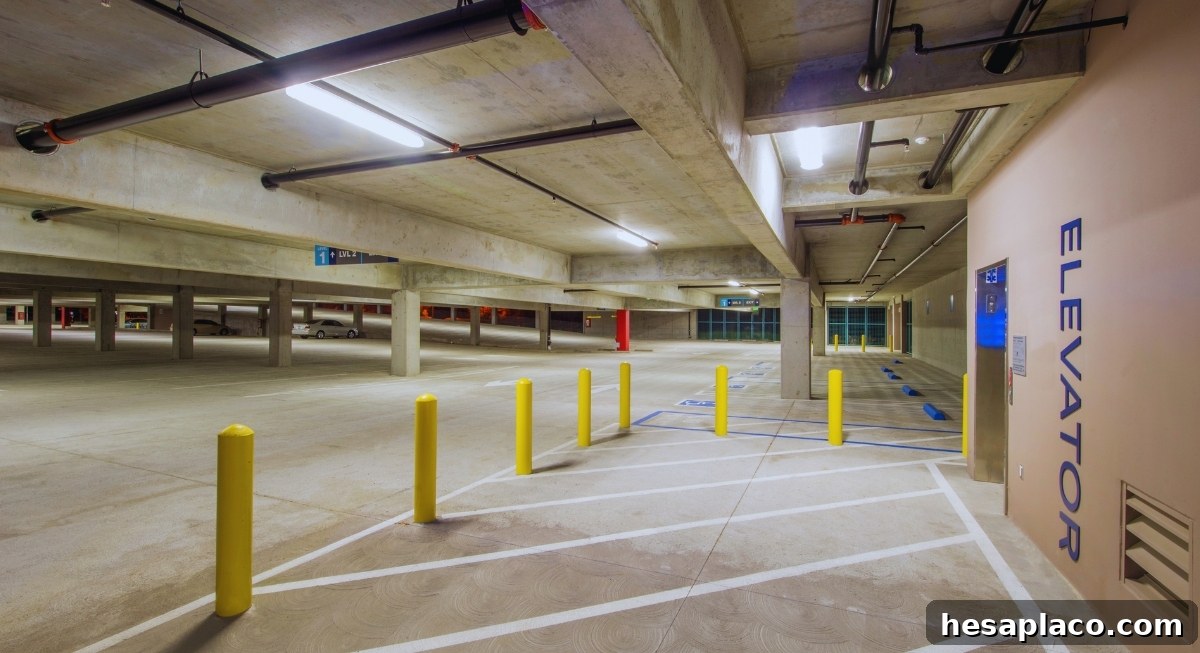
Beyond a citywide shortage, luxury buildings create a separate pressure: residents want parking inside the same block, near elevators or private lobbies. A cheaper space down the street may be practical, but it lacks the convenience and security many affluent buyers demand. That expectation multiplies the value of premium, in-building bays.
Mainstream Investors Seek Moderate Returns

Credit: pixabay
Not every investor is chasing headline-grabbing trophy spots. According to market reports, monthly rents for parking spaces in Hong Kong typically range from about HK$2,500 to HK$4,500. For bays priced between HK$1 million and HK$1.8 million, yields of around 3% have been cited. Those figures appeal to buyers who want steady returns without paying astronomical prices.
More Cars, Fewer Spaces
Credit: Getty Images
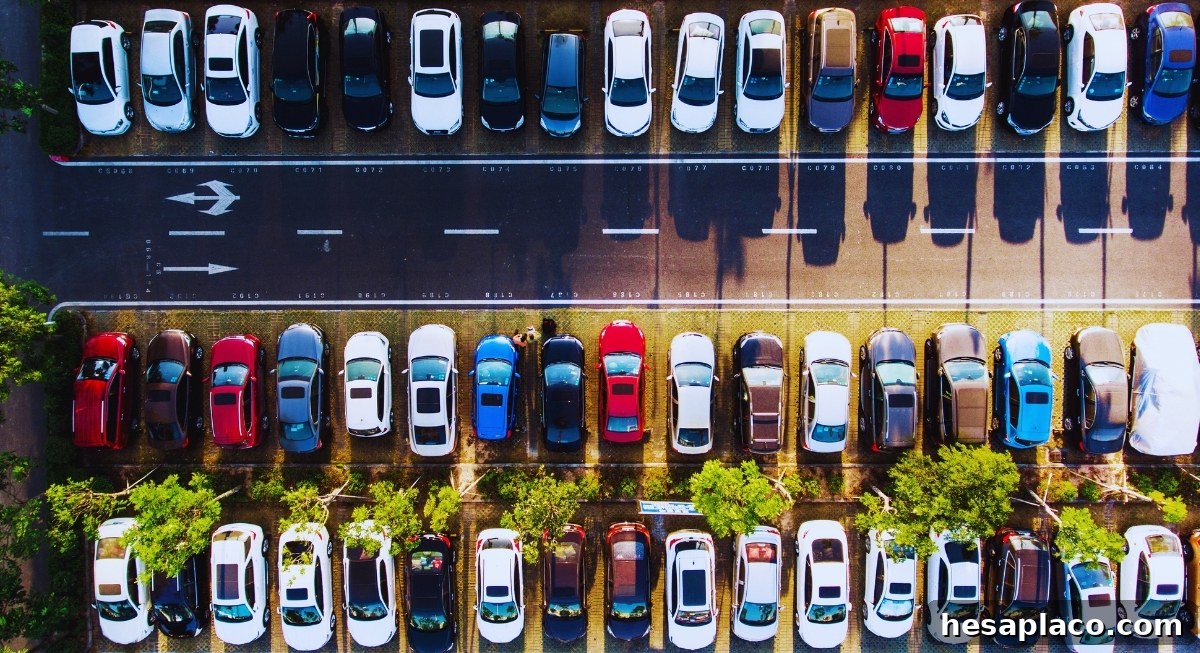
A government audit showed private cars rose from 401,692 in 2006 to 616,220 in 2018, while parking supply grew more slowly. The ratio of spaces per private vehicle fell from about 1.51 to 1.10. That shift tightened the market: drivers feel more competition for parking, and well-located spaces become increasingly valuable.
Strong Transit Doesn’t Eliminate Parking Needs
Credit: Canva
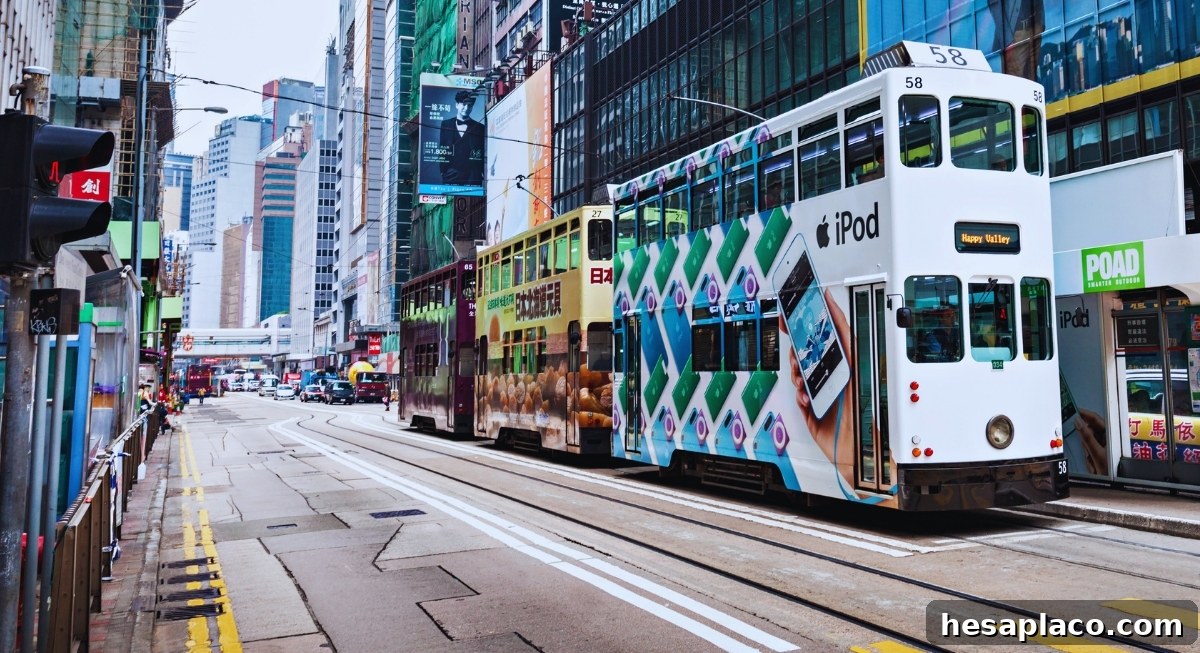
Hong Kong’s public transport network is excellent, but trains and buses cannot meet every need. Families, business owners, late-night travelers and people who carry equipment still require direct, door-to-door access. Policymakers face a delicate balance: provide enough parking to meet needs without encouraging excessive private car use.
Guaranteed Access Becomes a Premium
Credit: pixabay
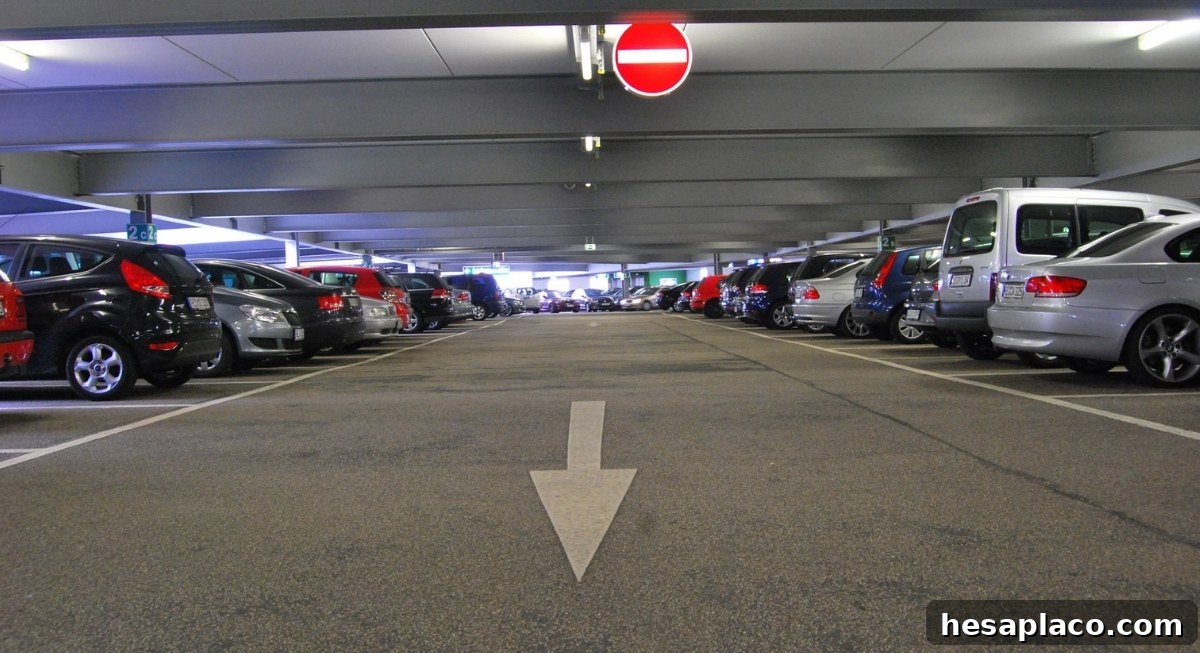
Officials report metered on-street spaces averaged around 90% utilization in 2025, while public car parks run at roughly 80% to 90% occupancy. With little slack in the system, guaranteed access becomes highly attractive: knowing a spot is waiting matters when someone has dinner plans, a medical appointment or a pressing meeting. The certainty is worth a premium to many drivers.
Automation Helps Squeeze More Capacity from Scarce Land
Credit: iStockphoto
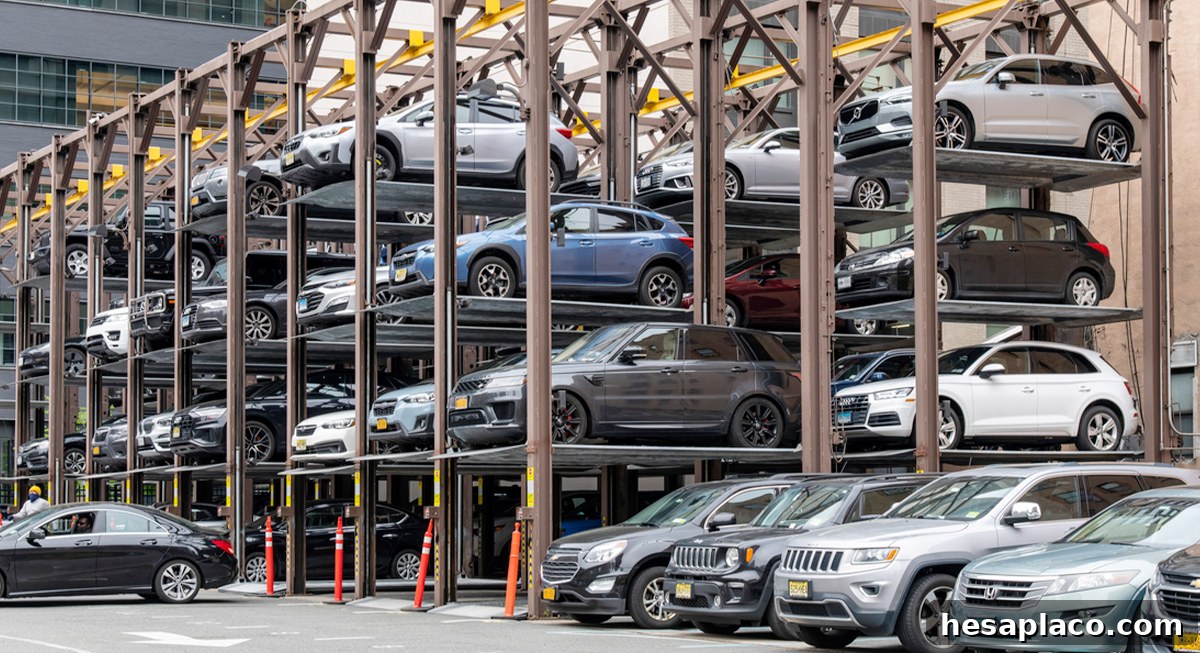
To make better use of limited plots, Hong Kong has expanded automated parking systems. Authorities note that, where appropriate, automated solutions can roughly double parking capacity compared with conventional layouts. New short-term tenancy car parks may adopt automation when sites make financial and operational sense. While smarter stacking won’t make land cheaper, it can increase usable capacity and ease some of the pressure.