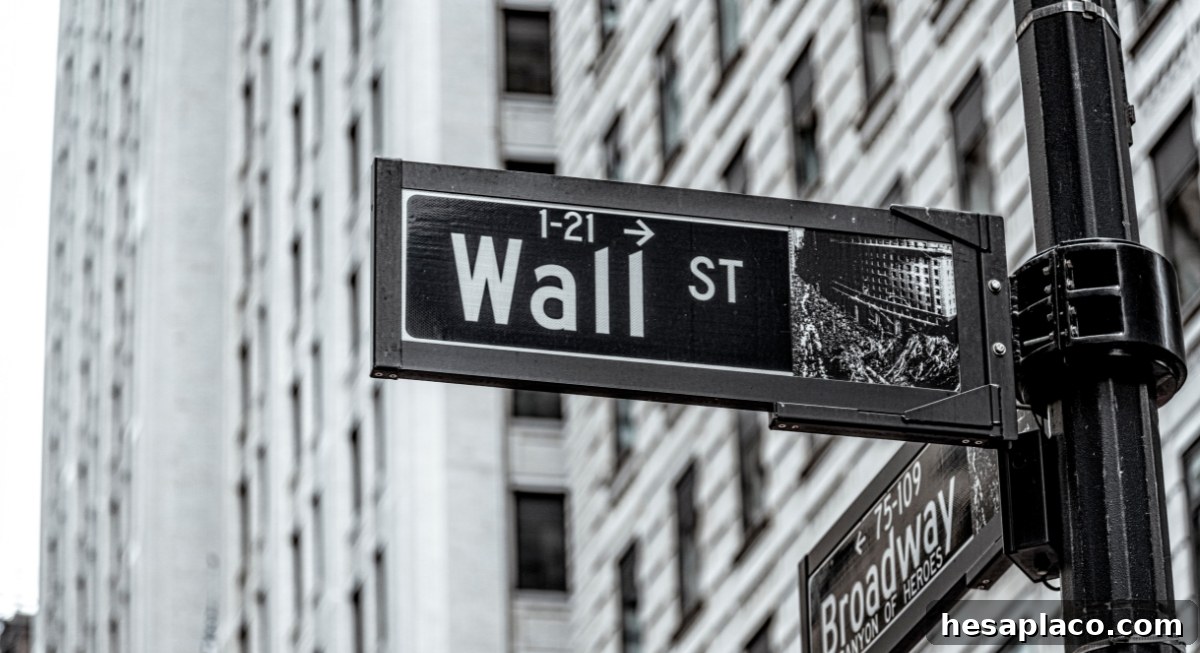
Wall Street runs on the promise of prediction. Every trade, algorithm, and investment strategy is built on the belief that the future can be calculated—that sufficient data can turn disorder into order. Yet that belief sometimes resembles faith more than empiricism.
Economists and investors say they’re on alert, but history repeatedly shows that crises often arrive unexpectedly. Market crashes are rarely forecast, even by the professionals whose job is to anticipate them. The relevant question is not whether another crash will occur but why finance’s leaders keep being surprised.
The tools once heralded as breakthroughs rest on outdated assumptions: that markets follow predictable patterns and that past behavior reliably signals future outcomes. Overconfidence in data and precision can blind investors to emerging risks. When reality diverges from model-based expectations, the gap between Wall Street’s forecasts and actual events can be enormous.
When “Bubble Territory” Feels Like Business as Usual

Image via Pexels/Alexas Fotos
In late 2025, prominent finance leaders expressed unease. Jamie Dimon of JPMorgan Chase warned that many assets “look like they’re entering bubble territory.” David Solomon at Goldman Sachs cautioned about “investor exuberance,” while Citigroup’s Jane Fraser described “valuation frothiness.” The Bank of England and the IMF echoed similar cautions that prices can detach from fundamentals only so long.
The data supported their concerns. By October, investors were paying roughly forty times the adjusted earnings for S&P 500 companies—a valuation level last seen during the dot-com era. Corporate bond spreads compressed to their narrowest range since 2005, shortly before the financial crisis. Even gold, the traditional safe haven, proved volatile: after reaching new highs it fell about seven percent in two days.
Still, markets carried on. Traders and hedge funds kept chasing returns with models that assume extended stability. That is a core problem: long periods of calm can lead models and market participants to equate steadiness with safety, masking underlying fragility.
The Models That Miss the Moment
Many trading systems rely on formulas that forecast price movements from historical behavior. Autoregressive volatility models, as quants call them, perform adequately until the market stops following past patterns. When volatility surges, these models lag, attempting to map yesterday’s data onto today’s turmoil.
In response, firms have embraced machine learning. Major players, including Bridgewater Associates, deploy algorithms that scan countless economic indicators—GDP, inflation, employment reports, corporate earnings—to detect patterns. Yet even sophisticated models struggle to foresee genuine shocks.
Events such as pandemics, abrupt bank runs, or sudden policy reversals do not announce themselves through routine data. The paradox is that models that excel during tranquil periods often become more brittle when conditions shift.
A former hedge fund trader summed it up: “Nobody has built a system that can predict a pure shock.” The deeper issue is the assumption that markets behave rationally enough to be forecast reliably.
The Confidence Game
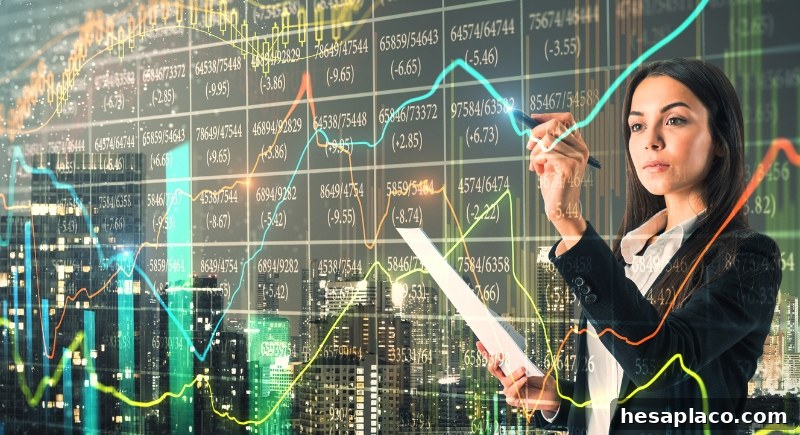
Image via Getty Images/peshkov
Market activity depends on collective belief. At present, that belief is robust enough to suppress many doubts. Sentiment sits between cautionary notes and outright optimism. Dimon acknowledges he cannot precisely time a crash, estimating a window from six months to two years. Others, like Trevor Greetham of Royal London, recommend remaining invested while diversifying portfolios.
Meanwhile, Big Tech and AI-related stocks have driven index-level gains and pushed valuations to heady levels reminiscent of the late 1990s. Companies exceeding trillion-dollar market caps dominate indexes, and investors often treat every pullback as a buying chance.
The expression “buy the dip” has shifted from a strategic guideline to a reflexive response. That reflex assumes nearly every correction will recover, reinforcing cycles that blind market participants to the one downturn that fails to rebound. Treating each dip as an automatic entry point raises the risk of missing a truly permanent revaluation.
When Data Fails to Capture Human Behavior
Market downturns are rooted in human behavior. Traders chase momentum, investors rationalize risk, and institutions cling to optimism until they are forced to change course. The CNN Fear & Greed Index, for example, recently dipped into “extreme fear” territory even while stock prices remained near record highs. That contradiction reveals a central problem: widespread unease exists, yet few want to be the first to step aside.
The systems that now guide Wall Street process numerical signals faster than ever, but they miss much of the psychology behind markets. Algorithms cannot measure denial or precisely detect the moment when participants convince themselves that previous rules no longer apply. With that blind spot, the next crash could arrive with little or no warning.
The challenge for investors and institutions alike is to balance quantitative tools with an appreciation for behavioral risk and the limitations of historical models. Recognizing the fragility beneath apparent stability—and preparing for shocks that do not conform to past patterns—will be essential to avoid being blindsided the next time the market’s faith in prediction fails.