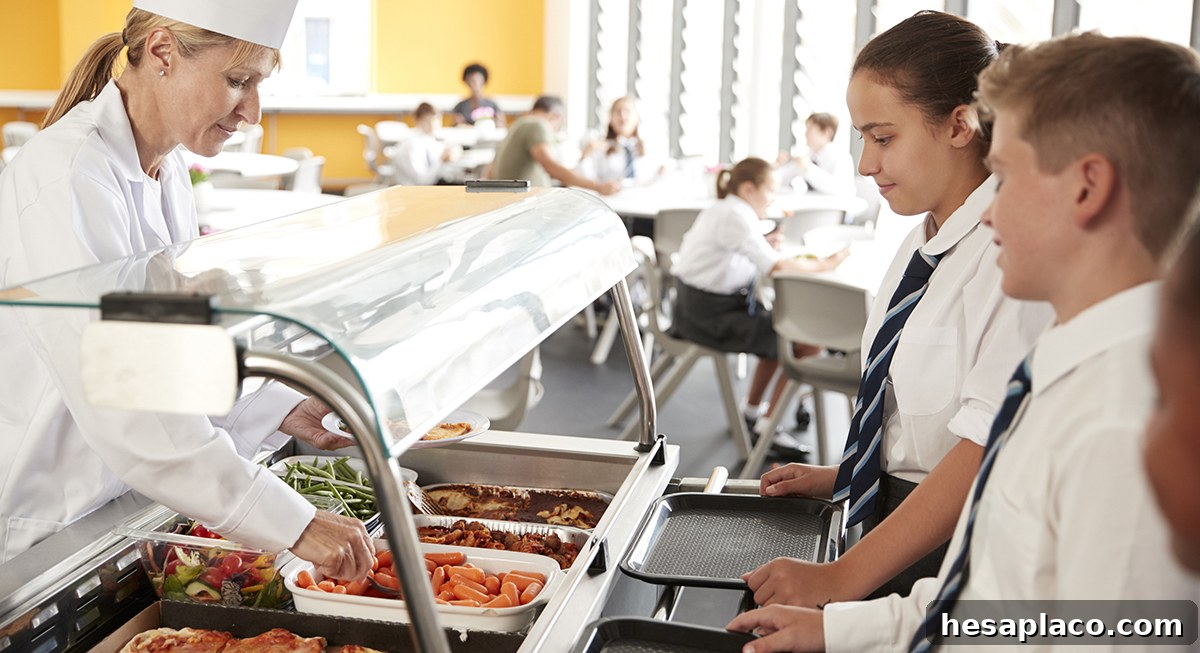
School lunches have long been a concern for parents, and with inflation and rising food prices, they are becoming increasingly difficult to manage. Costs for packed lunches—like a peanut butter and jelly sandwich or a chicken and avocado quesadilla—have climbed steadily. Below is an updated look at how school lunch expenses are changing and how families are responding to the added financial pressure.
The Rising Cost of Packed Lunches

Image via Canva/lithiumcloud from Getty Images
Preparing a lunch at home for a child is becoming more expensive. A Deloitte study reports the average packed lunch now costs about $6.15 per day—an increase of roughly 3% compared with the previous year. Even simple items have climbed in price: a basic peanut butter and jelly sandwich experienced a roughly 6% increase, pushed higher by the cost of staples such as apples, jelly and milk.
For many families these increases add up quickly over a school year and put pressure on household budgets. Despite the rising expense, many parents still prefer packing lunches because it allows greater control over nutrition, portion sizes and dietary preferences.
When School Lunches Are Cheaper
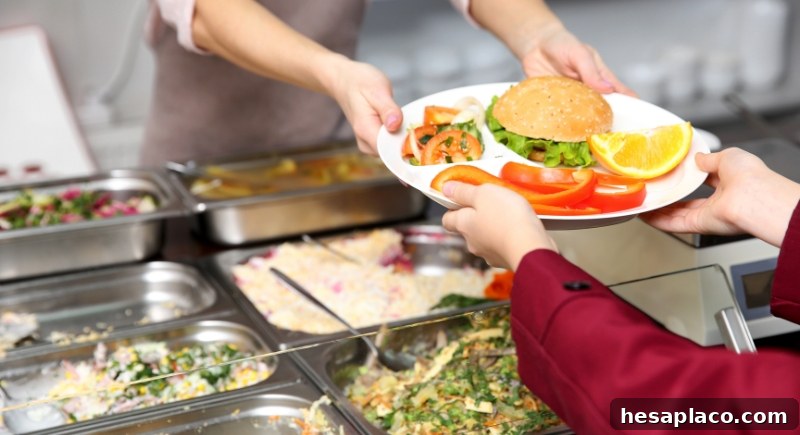
Image via Canva/pixelshot
School-provided meals often remain the less expensive option for many families. On average, cafeteria meals are priced at about $2.99 each, and many districts provide free or reduced-price lunches to qualifying students. However, the cost advantage is narrowing as cafeterias face their own rising expenses for labor, ingredients and operations.
According to data from the U.S. Bureau of Labor Statistics, the price of school lunches rose 3.3% between May 2024 and May 2025. At the same time, consumer surveys show strong parental interest in improving cafeteria offerings: a Deloitte 2025 Back-to-School Survey found that 75% of parents want more fresh food served at school, and 57% said they would be willing to pay more for locally sourced ingredients.
Tariffs and Other Factors Driving Prices Up

Image via iStockphoto/VichienPetchmai from Getty Images
Trade policies and tariffs have also contributed to the increase in food prices. Tariffs implemented in recent years have raised the cost of some categories of food—including fresh produce, cheese and nuts—making it more expensive for families that aim to pack healthy, high-quality lunches. Analysts note that these trade-related costs are one factor among several pushing up grocery bills.
Research from policy groups such as Groundwork Collaborative estimates families will spend nearly $163 more on common school lunch staples this year, reflecting an overall increase of about 5.4% compared with the previous year. That rise, combined with existing inflationary pressure, makes it harder for many households to balance nutrition and budget.
How Families Are Adjusting
Parents are adapting in practical ways to stretch their food budgets. Many are switching from name-brand items to store-brand alternatives, selecting less expensive but still nutritious ingredients, and planning meals to reduce waste. Younger parents—particularly those in Generation Z—appear more likely to rely on school lunches, while many millennial parents are making changes to grocery shopping habits, prepping meals more deliberately to avoid spoilage.
Families are also reallocating spending in other parts of their budgets—cutting back on entertainment, subscriptions or nonessential activities—to cover higher food costs. Above all, parents are focusing on ensuring children have balanced meals, even if that requires tighter budgeting or creative meal planning.
Practical Tips to Keep Lunch Costs Manageable
To reduce lunch expenses without sacrificing nutrition, consider these common strategies: buy staples in bulk, plan weekly menus to avoid impulse purchases, use seasonal produce, swap costly proteins for budget-friendly options like beans or eggs occasionally, and repurpose leftovers into lunch-friendly portions. Shopping store brands, taking advantage of sales, and freezing surplus items can also help extend food dollars.
While rising prices present real challenges, many families find that thoughtful planning and small behavioral adjustments help keep lunches affordable and nutritious. As conversations around school meal quality and affordability continue, parents and schools alike are weighing options that balance cost, convenience and health.