
As infants and toddlers, our early negotiation attempts are nothing more than pleading, bargaining, and tantrums until we either get what we want or hear a firm “no.” As we grow, those tactics lose their effectiveness and we learn subtler strategies. Teenagers quickly discover the power of trade-offs—a promise to mow the lawn in exchange for borrowing the car tonight is bargaining in action—but those deals come with obligations.
In the professional world, negotiating becomes more complex. You won’t always get what you ask for, and in some cases, a poorly handled request—such as asking for a raise the wrong way—can backfire. So how do adults navigate business negotiations and achieve their goals without resorting to aggression or emotional outbursts?
Negotiation is an art that can be learned and refined. Just as an athlete trains for a marathon, effective negotiators prepare mentally and strategically. Good negotiation depends on preparation, clarity of purpose, determination, and strong communication.
Below is a curated selection of books and practical advice to sharpen your negotiation skills. Whether you’re asking for a raise or deciding who does the dishes, these resources explain negotiation techniques and when to apply them.
Know thyself

Getty Images
Before entering any negotiation, define your goals clearly. Identify what you want, what you absolutely won’t accept, and how much your desired outcome is worth to you. Clarity about your priorities and limits gives you a stable foundation to negotiate from.
‘Bargaining for Advantage: Negotiation Strategies for Reasonable People’ By: G. Richard Shell

Getty Images, Amazon
Shell echoes the ancient wisdom of “know thyself.” Understanding your motivations, strengths, weaknesses, and negotiation style is essential. If you don’t know what you truly want, you can’t tell when you’ve achieved it. Shell’s book also outlines various negotiation styles and which circumstances favor each—making it a strong starting point for anyone serious about improving their bargaining skills.
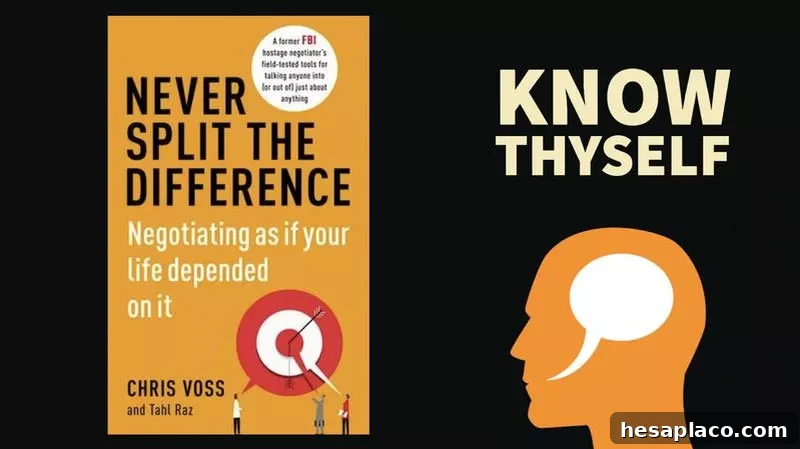
‘Never Split the Difference: Negotiating As If Your Life Depended On It’ By: Chris Voss and Tahl Raz
Getty Images, Amazon
Voss and Raz challenge traditional negotiation models by highlighting how cognitive biases influence our thinking and decisions. Understanding these biases helps you influence outcomes more effectively. The book provides tactical techniques—rooted in the author’s experience as an FBI negotiator—to better read people, manage emotions, and steer conversations toward your goals.
It takes confidence

Getty Images
Many people—women in particular—are not socialized to assert their needs confidently. Building self-assurance is crucial to claiming fair compensation and opportunities. Confidence helps you recognize your value and communicate it effectively.
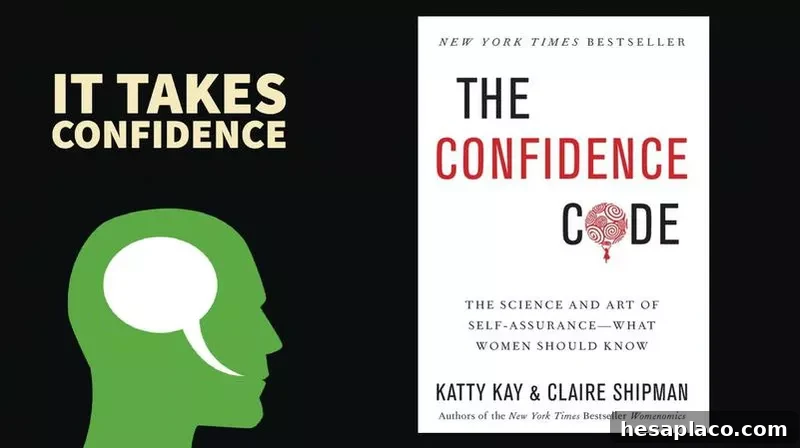
‘The Confidence Code: The Science and Art of Self-Assurance: What Women Should Know’ By: Katty Kay and Claire Shipman
Getty Images, Amazon
Combining research with first-hand accounts, this book explores how women can develop greater self-assurance in professional and personal settings. It emphasizes stopping apologetic behavior and advocating for fair treatment, equal pay, and the roles women deserve. Even if the book is aimed primarily at women, the lessons about building confidence are broadly applicable.
Be a better communicator

Getty Images
Effective negotiation is rooted in communication: asking clearly, listening actively, and choosing the right words at the right time. Good communicators adapt to different personalities and cultural norms. Learning to listen and to frame requests in terms that resonate with others will increase your influence.
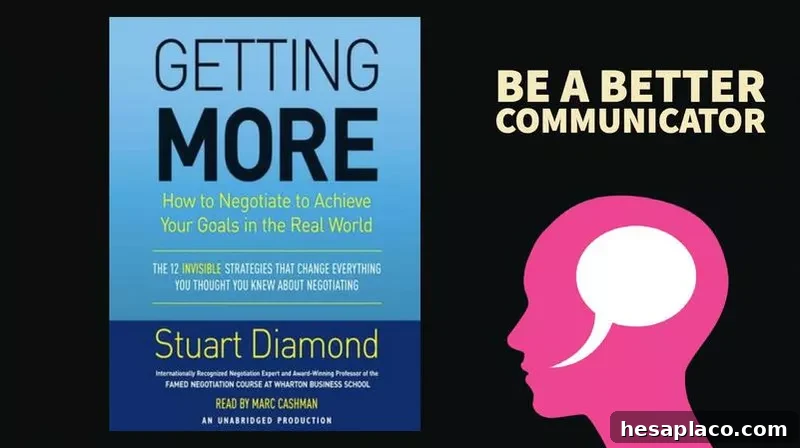
‘Getting More: How You Can Negotiate to Succeed in Work and Life’ By: Stuart Diamond
Getty Images, Amazon
Diamond challenges common negotiation myths, including simplistic interpretations of “win-win.” His approach emphasizes understanding the other person’s perspective and leveraging that insight to create better outcomes for both sides, focusing on lasting gains rather than short-term victories.
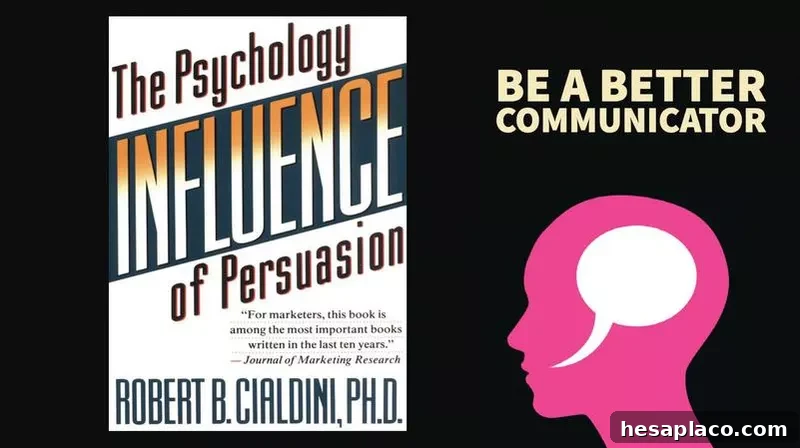
‘Influence: The Psychology of Persuasion’ By: Robert B. Cialdini
Getty Images, Amazon
Cialdini’s classic examines the psychological principles that drive compliance and persuasion. Although some examples are dated, the core principles—reciprocity, commitment, social proof, authority, liking, and scarcity—remain highly relevant. Sales tactics derived from these principles, such as anchoring a buyer with a high-priced option first, still apply in many negotiation contexts.
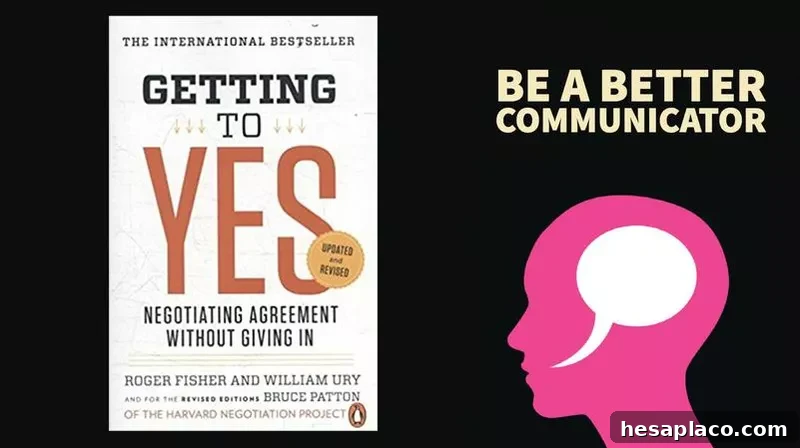
‘Getting to Yes: Negotiating Agreement Without Giving In’ By: Roger Fisher, William L. Ury, and Bruce Patton
Getty Images, Amazon
This foundational text promotes principled negotiation: focus on merits and mutual gains rather than positional haggling. The authors advise seeking solutions that benefit both parties and, when conflicts arise, relying on objective criteria and results that don’t favor one side unfairly.
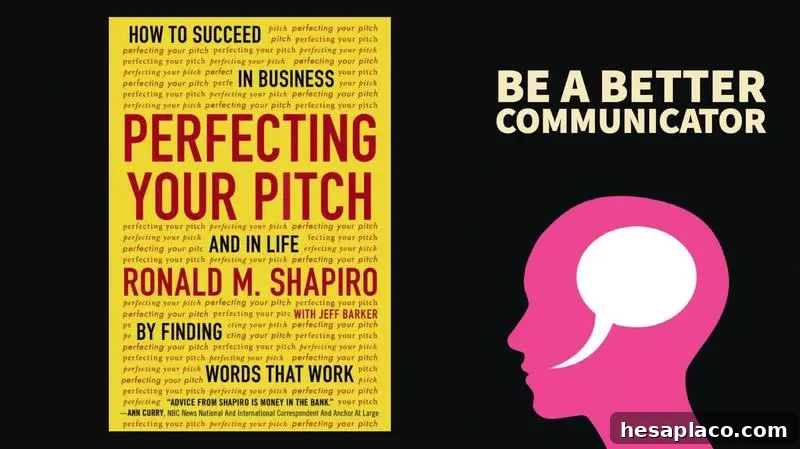
‘Perfecting Your Pitch: How to Succeed in Business and in Life By Finding Words That Work’ By Ronald M. Shapiro and Jeff Barker
Getty Images, Amazon
Shapiro and Barker emphasize the power of carefully chosen language. Planning your words increases the chance your message will land. Their techniques apply beyond boardrooms—to persuading a friend, resolving household conflicts, or influencing daily interactions.
Think global

Getty Images
Modern business often spans borders and time zones. Teams collaborate remotely, and negotiation practices vary widely across cultures. Understanding those differences—etiquette, expectations, and negotiation customs—gives you a strategic edge in global interactions.
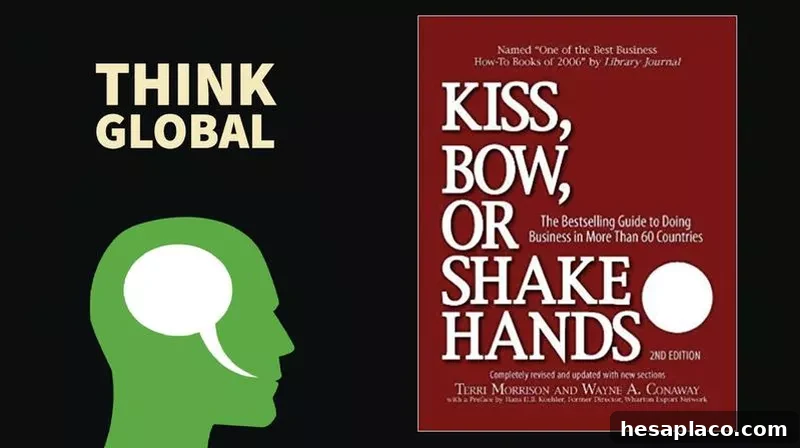
‘Kiss, Bow, or Shake Hands: The Bestselling Guide to Doing Business in More Than 60 Countries’ By: Terri Morrison and Wayne A. Conaway
Getty Images, Amazon
This practical guide outlines cultural norms and negotiation styles across dozens of countries. When your negotiation crosses borders, this resource helps you avoid missteps and adapt your approach to local expectations.
‘The Global Negotiator: Making, Managing And Mending Deals Around The World In The Twenty-First Century’ By Jeswald W. Salacuse

Getty Images, Amazon
Salacuse explores cross-border negotiation dynamics and emphasizes distinguishing between contract-focused and relationship-focused goals. Recognizing whether the other party prioritizes relationship-building or a one-time deal will shape the terms you pursue and how you approach the negotiation.
Put it into practice

Getty Images
Study and preparation matter, but nothing substitutes for practice. Look for everyday opportunities—small interactions at work or home—to rehearse negotiation techniques. Building confidence through repeated, lower-stakes negotiations prepares you for bigger discussions.
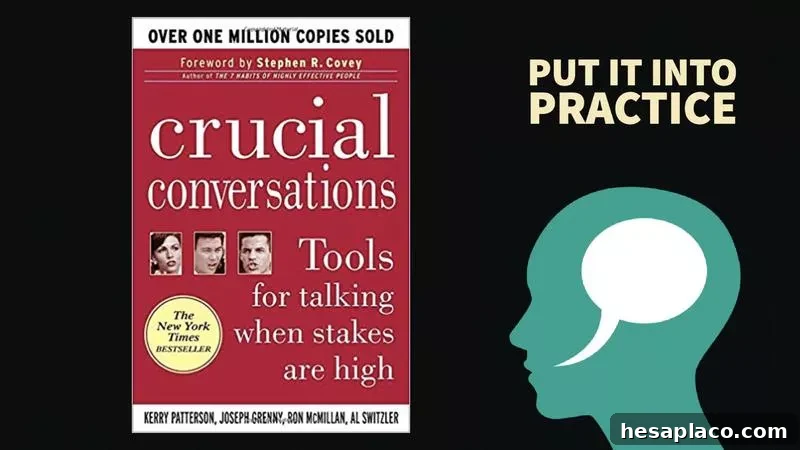
‘Crucial Conversations: Tools for Talking When Stakes Are High’ By: Kerry Patterson, Joseph Grenny, Ron McMillan, and Al Switzler
Getty Images, Amazon
For those who shy away from confrontation, this book provides tools to prepare for high-stakes talks, create a safe space for honest dialogue, and convert emotion into persuasive conversation rather than demands. It’s a practical manual for turning difficult interactions into productive outcomes.
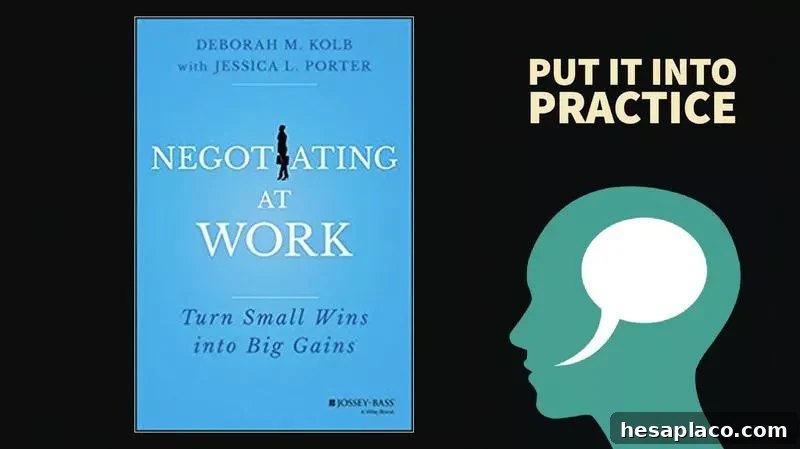
‘Negotiating at Work: Turn Small Wins Into Big Gains’ By Deborah M. Kolb and Jessica L. Porter
Getty Images, Amazon
This book focuses on workplace-specific strategies: how to create negotiation opportunities, get reluctant counterparts to engage, and turn small wins into larger benefits. It covers timing, conflict management, and gender dynamics, making it a valuable resource for anyone wanting to influence their workplace outcomes.
In short, negotiation is a learned skill that blends self-awareness, confidence, communication, cultural awareness, and practice. These books and ideas offer frameworks and tactics that can be applied across situations—from daily life to high-stakes business deals—helping you secure better outcomes while maintaining strong relationships.