
Aspiring lawyers and legal professionals seek the strongest law schools to gain rigorous training and improve career prospects. Selecting the right program can be challenging: reputation, curriculum, faculty, clinical opportunities, location and cost all matter. Whether you aim for corporate law, public interest, litigation, or a niche specialty, a degree from one of the top U.S. law schools can open significant doors.
Note: Rankings referenced here reflect placements in major U.S. law school lists for 2022–2023, including U.S. News and World Report.
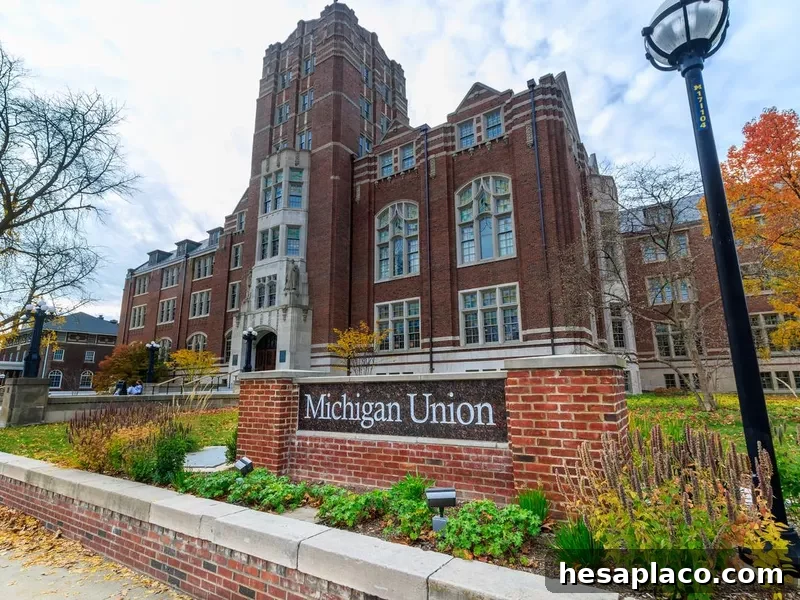
10. University of Michigan
BSPollard / Getty Images
Location: Ann Arbor, Michigan
Year founded: 1817
Annual cost: $64,098
Number of students: 964
Acceptance rate: 10.6 percent
Bottom Line: University of Michigan

smontgom65 / Getty Images
Michigan Law supports a Summer Start program that helps many incoming students transition smoothly into law school. The school encourages interdisciplinary study with dual-degree options such as law and business or law and natural resources. A required transnational law course complements international study opportunities at partner institutions in Japan, the Netherlands and Germany.
Students can join nearly 50 extracurricular groups, including sports and climbing teams, as well as multiple academic journals and publications. Practical and international options make Michigan a strong choice for students seeking breadth and hands-on experience.
Learn more about Michigan Law School.
9. University of California, Berkeley

russaquarius / Getty Images
Location: Berkeley, California
Year founded: 1894
Annual cost: $56,858
Number of students: 1,088
Acceptance rate: 13.7 percent
Bottom Line: University of California, Berkeley

Kirkikis / Getty Images
Berkeley Law is notable for intellectual property and technology law, offering innovative courses—such as wine law—that reflect the region’s industries. From early in the program, students can tailor their course of study and participate in clinics, think tanks and many student-run publications.
Advanced students may gain placement in government and regulatory organizations through field placement programs, providing practical experience with agencies like the Federal Trade Commission.
Learn more about UC Berkeley Law School.
8. University of Virginia

traveler1116 / Getty Images
Location: Charlottesville, Virginia
Year founded: 1819
Annual cost: $66,500
Number of students: 922
Acceptance rate: 9.7 percent
Bottom Line: University of Virginia

halbergman / Getty Images
UVA Law emphasizes a broad legal education with opportunities for joint degrees and specialized study through centers like the Center for National Security Law and the Center for Oceans Law and Policy. The school offers around 60 student organizations and roughly 20 legal clinics, so students gain practical experience while building community.
Study-abroad options in countries such as New Zealand, Germany, Israel and the UK add an international dimension. Upper-level students may pursue joint degrees with French institutions and even prepare for foreign bar exams.
Learn more about Virginia Law School.
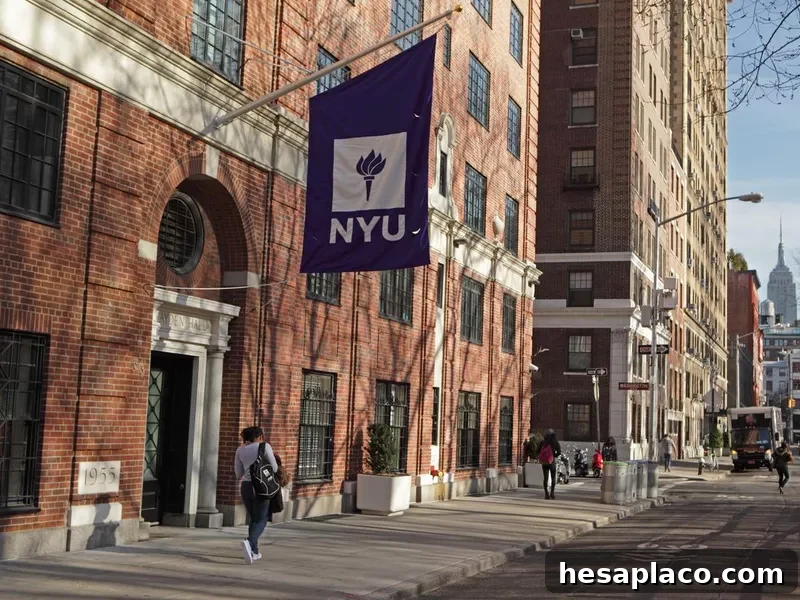
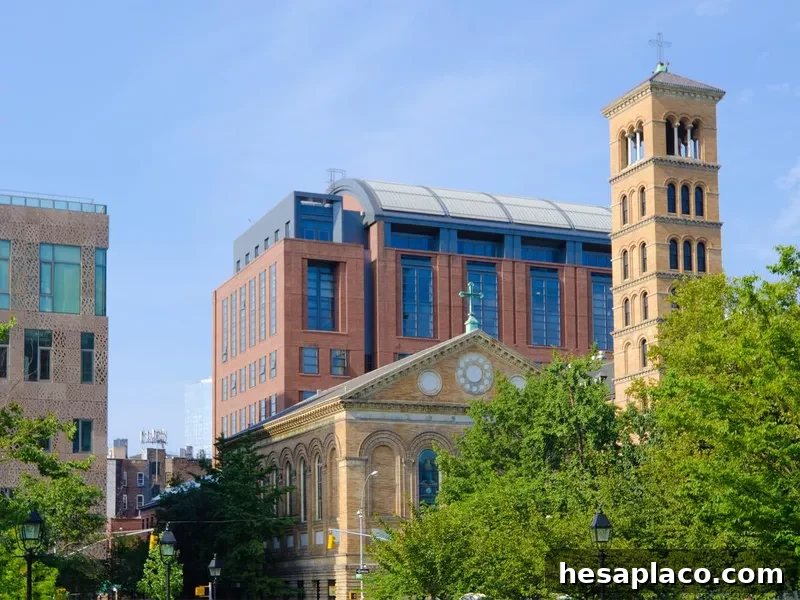
7. New York University
CribbVisuals / Getty Images
Location: New York City, New York
Year founded: 1835
Annual cost: $73,414
Number of students: 1,413
Acceptance rate: 14.5 percent
Bottom Line: New York University
gregobagel / Getty Images
NYU Law begins practical training immediately through a structured Lawyering Program that teaches core legal skills. In later years, students can work in more than 30 legal clinics and take advantage of numerous on-campus centers. The school supports almost 50 student organizations and offers robust international exchange options.
Learn more about New York University School of Law.
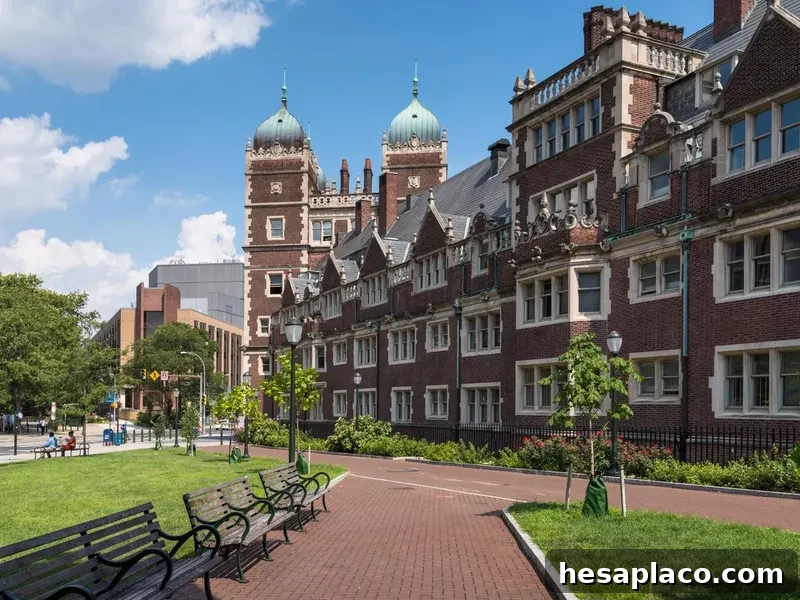
6. University of Pennsylvania (Carey)

aimintang / Getty Images
Location: Philadelphia, Pennsylvania
Year founded: 1850
Annual cost: $70,042
Number of students: 824
Acceptance rate: 9.4 percent
Bottom Line: University of Pennsylvania (Carey)
pkujiahe / Getty Images
Penn Law encourages interdisciplinary study: law students can take courses across the university and can often finish both a J.D. and an additional degree efficiently. The program emphasizes public service with a graduation requirement of at least 70 hours of pro bono work. Students also engage in clinics and a wide variety of organizations, from boxing groups to urban law reform initiatives.
Learn more about Penn Law School.
5. Harvard University

Marcio Silva / Getty Images
Location: Cambridge, Massachusetts
Year founded: 1817
Annual cost: $68,962
Number of students: 1,747
Acceptance rate: 6.9 percent
Bottom Line: Harvard University

janniswerner / Getty Images
Harvard Law is widely recognized as one of the nation’s most prestigious programs. It is among the oldest and largest law schools, with large J.D. class sizes divided into smaller sections for first-year courses. Harvard offers advanced degrees including the S.J.D. and LL.M., and its graduates traditionally achieve high bar passage rates and placement in influential legal positions.
Learn more about Harvard Law School.
4. Columbia University

peterspiro / Getty Images
Location: New York City, New York
Year founded: 1858
Annual cost: $76,088
Number of students: 1,293
Acceptance rate: 11.4 percent
Bottom Line: Columbia University

Zeiss4Me / Getty Images
Columbia Law consistently ranks among the elite U.S. law schools and is especially well known for business and corporate law. The school maintains a strong network of alumni and offers extensive clinic, externship and internship opportunities, which support career placement at top law firms and institutions.
Learn more about Columbia Law School.
3. University of Chicago
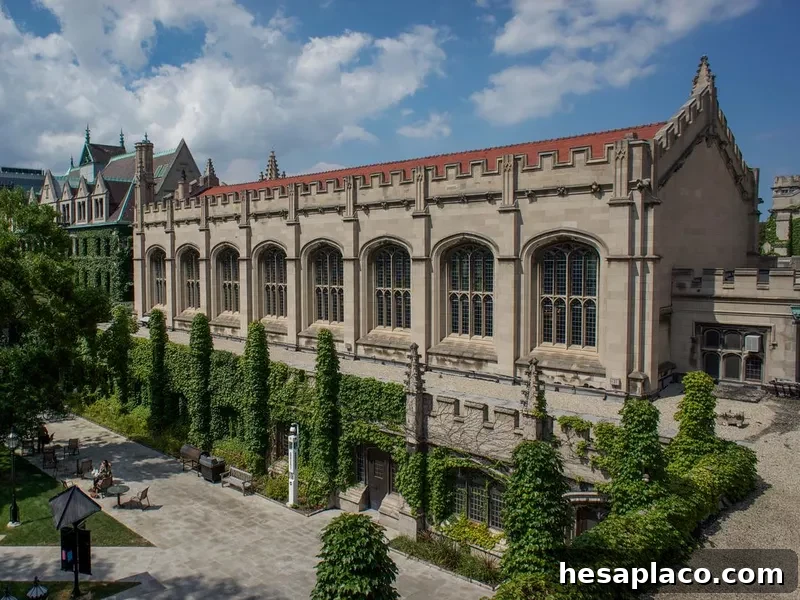
HaizhanZheng / Getty Images
Location: Chicago, Illinois
Year founded: 1902
Annual cost: $72,081
Number of students: 626
Acceptance rate: 11.9 percent
Bottom Line: University of Chicago
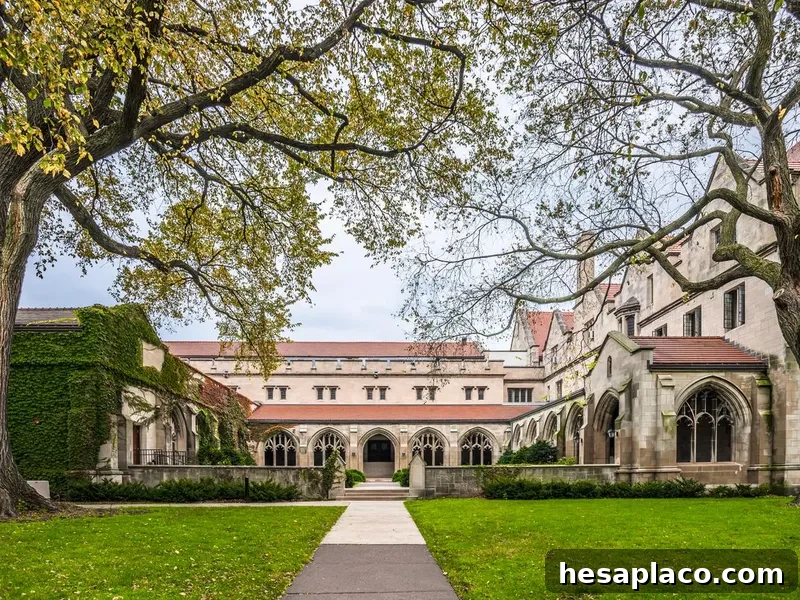
eyfoto / Getty Images
Chicago Law pioneered the modern J.D. and is known for applying social science perspectives to legal education. Its graduates frequently secure prestigious clerkships, judicial positions and roles at top firms. The school publishes influential journals, including longstanding reviews on the Supreme Court and law-and-economics scholarship.
Learn more about Chicago Law School.
2. Stanford University

JasonDoiy / Getty Images
Location: Palo Alto, California
Year founded: 1893
Annual cost: $66,396
Number of students: 577
Acceptance rate: 6.3 percent
Bottom Line: Stanford University

gregobagel / Getty Images
Stanford Law operates on a quarter system, allowing flexible cross-disciplinary study. The school limits enrollment in specializations to maintain small cohorts, with options in areas like environmental law, corporate governance, science and technology, and international economic law. Stanford graduates benefit from an influential alumni network and strong employment rates shortly after graduation.
Learn more about Stanford Law School.
1. Yale University
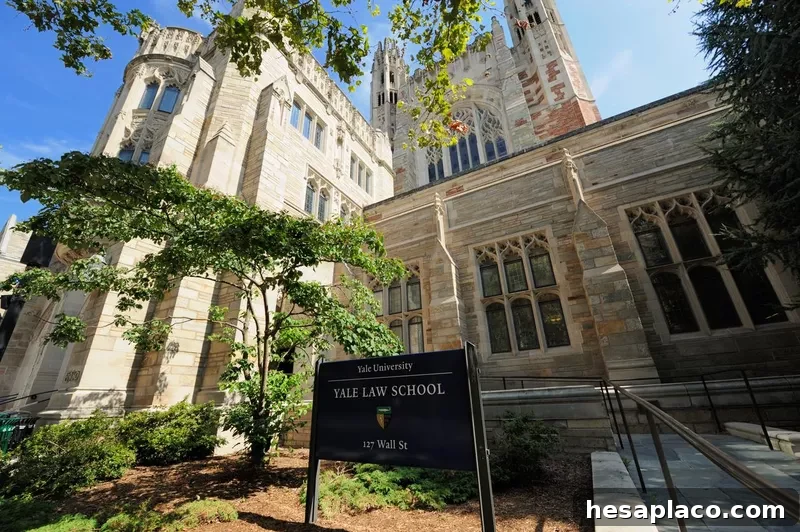
sshepard / Getty Images
Location: New Haven, Connecticut
Year founded: 1824
Annual cost: $69,433
Number of students: 636
Acceptance rate: 4.1 percent
Bottom Line: Yale University

DenisTangneyJr / Getty Images
Yale Law emphasizes small class sizes and a flexible, nontraditional grading system that de-emphasizes first-term grades. Rather than prescribing concentrations, Yale allows students to design individualized programs of study and encourages early client representation through numerous legal clinics. Ambitious students can pursue combined degrees, such as a J.D./MBA, in an accelerated timeframe.
Learn more about Yale Law School.
Choosing the right law school depends on your goals: look for programs that offer the clinics, clinics, clinics, specializations and networks aligned with your interests and career aspirations. Consider cost, location, experiential learning opportunities and alumni placement when comparing top-ranked schools to find the best fit for your path in law.