You cannot take your wealth with you when you die, but throughout history, rulers, emperors, monarchs and political leaders have spent extraordinary sums creating monumental final resting places. A mausoleum is more than a grave: it is a permanent memorial designed to preserve a body, honor a legacy and display power, devotion or national identity.
Many of the world’s most expensive mausoleums were built centuries ago, which makes their true modern cost difficult to calculate with complete accuracy. However, when historical spending, materials, labor, maintenance and inflation are considered, some of these burial sites would cost hundreds of millions, or even billions, of dollars to recreate today.
Modern wealthy individuals may be more likely to donate large fortunes to charity, foundations or cultural projects, but walk-in mausoleums still remain costly. Even a standard private mausoleum can cost hundreds of thousands of dollars, while more elaborate structures can reach $1 million or more.
The famous mausoleums below are far beyond standard burial sites. Many are architectural masterpieces, national landmarks or UNESCO World Heritage Sites. They were built over many years, often with rare materials, skilled craftsmanship and enormous symbolic importance.
9. Lenin’s Mausoleum
Mlenny / Getty Images
Location: Moscow, Russia
Cost: Original cost unknown; maintenance since 1924 estimated at $15 million
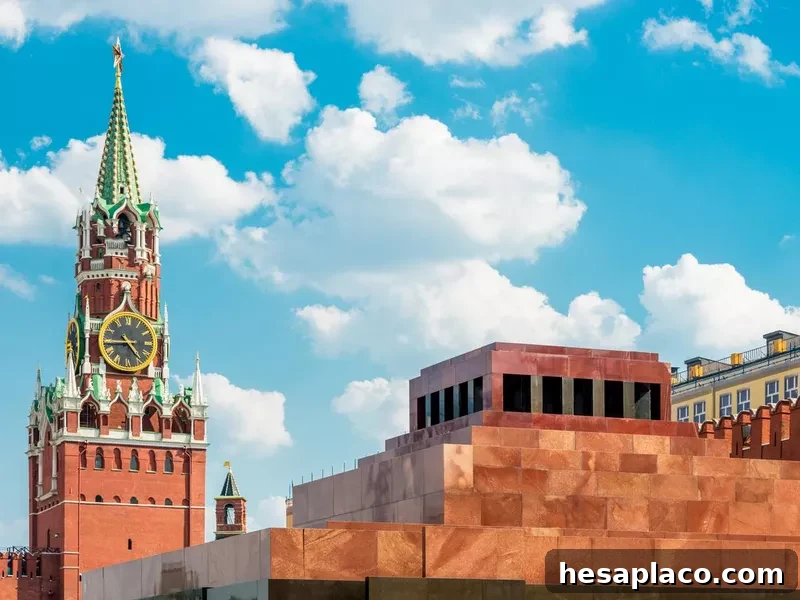
Lenin’s Mausoleum is one of the most recognizable burial sites in modern political history. Located in Moscow’s Red Square, it houses the embalmed body of Vladimir Lenin, the founding head of Soviet Russia’s government from 1917 to 1924 and leader of the Soviet Union from 1922 to 1924.
Although the original construction cost is not clearly documented, the long-term expense of preserving the site has been substantial. The Russian government has spent large sums maintaining Lenin’s embalmed body, which has remained on public display since his death in 1924.
Annual maintenance has been reported at more than $200,000, making the mausoleum a controversial landmark as well as a historical attraction. Visitors can still view Lenin’s body, but the ongoing cost of preservation continues to draw debate.
8. Humayun’s Tomb
ErmakovaElena / Getty Images
Location: Delhi, India
Cost: 1.5 million rupees in 1569; not enough data is available for a precise inflation adjustment
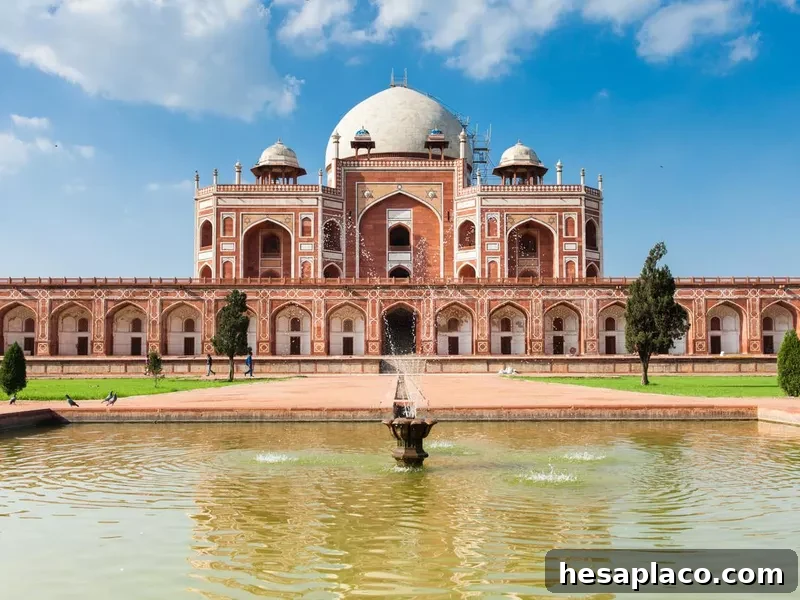
Humayun’s Tomb was commissioned by Empress Bega Begum, the first wife and chief consort of the Mughal emperor Humayun. Construction began in 1565 and was completed in 1572, with the project reportedly costing 1.5 million rupees, paid by the Empress herself.
According to historical accounts, Bega Begum was deeply affected by her husband’s death and dedicated herself to creating a grand memorial in his honor. The result was one of the most important examples of Mughal funerary architecture in India.
Humayun’s Tomb is now a UNESCO World Heritage Site. Its balanced design, garden setting and architectural influence make it one of the most significant historic mausoleums in the world.
7. The Lincoln Tomb
chas53 / Getty Images
Location: Springfield, Illinois
Cost: $180,000 in 1869
Cost adjusted for 2023 inflation: $4 million
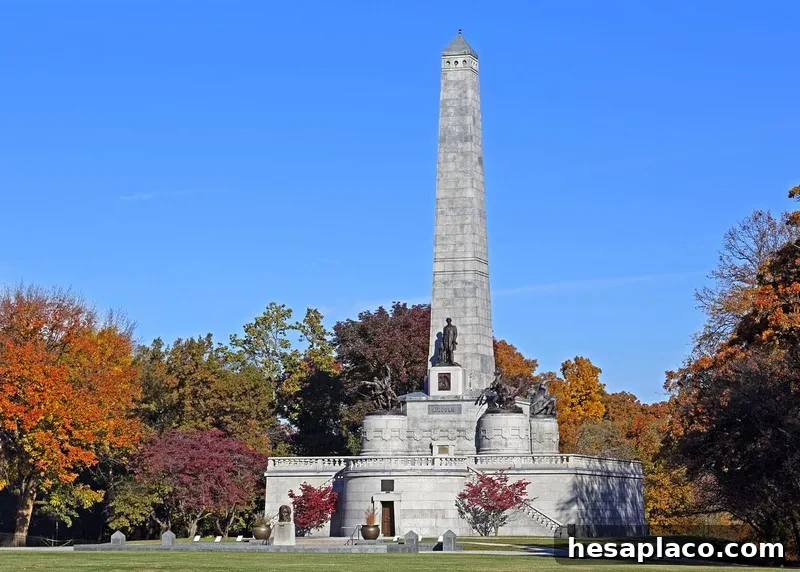
The Lincoln Tomb is located in Oak Ridge Cemetery in Springfield, Illinois. It is the final resting place of Abraham Lincoln, the 16th President of the United States, as well as his wife, Mary Todd Lincoln, and three of their four sons: Edward, William and Thomas.
Built from granite between 1869 and 1874, the tomb cost $180,000 at the time. Adjusted for 2023 inflation, that amount is approximately $4 million.
As the burial site of one of America’s most important presidents, the Lincoln Tomb is both a memorial and a major historical landmark. Its design reflects the national importance of Lincoln’s legacy and the public desire to honor him after his assassination.
6. Westminster Abbey
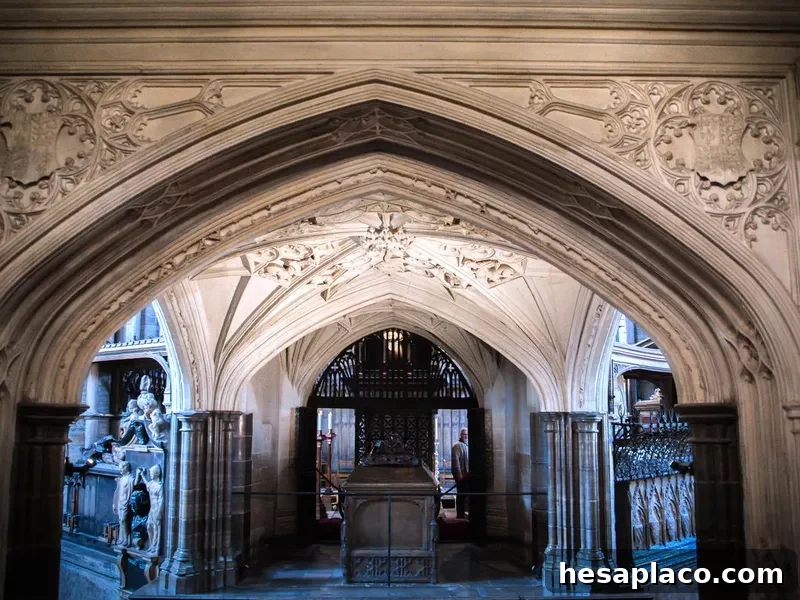
IR_Stone / Getty Images
Location: London, England
Cost: £46,000 in 1246
Cost adjusted for 2023 inflation: $18.5 million
Westminster Abbey is one of the most famous religious and royal sites in the United Kingdom. While it is not a single mausoleum in the traditional sense, it serves as the final resting place for 30 kings and queens, along with thousands of notable figures from British history.
In total, around 3,000 important people are buried or commemorated at Westminster Abbey. Many are housed in tombs or marked by elaborate memorials. During the 20th century, however, the Abbey began accepting only cremated remains because of limited space.
The historical construction cost is listed as £46,000 in 1246, which is estimated at about $18.5 million in 2023 value. Maintaining the Abbey is also extremely expensive, with annual upkeep reported at more than $16 million. During the pandemic, Westminster Abbey publicly requested donations to help preserve the property.
5. The Royal Mausoleum at Frogmore
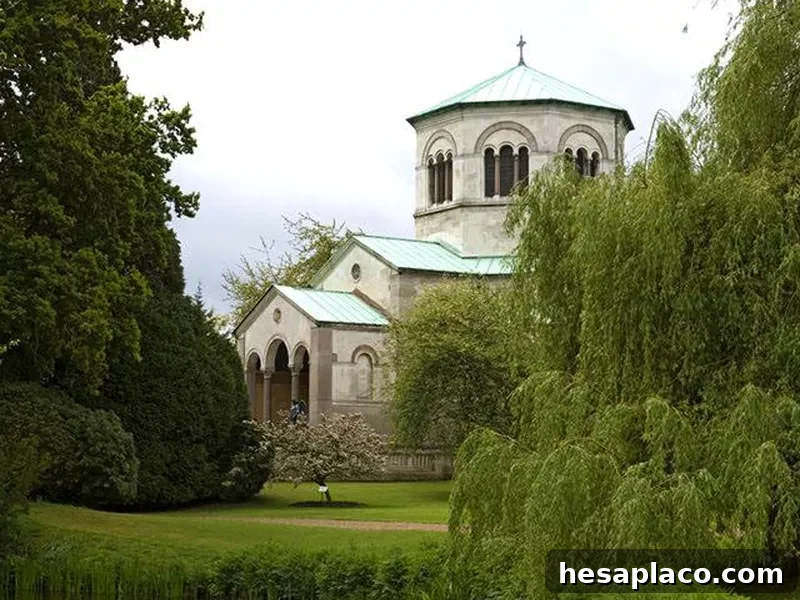
Antony WyrdLight McCallum / The Royal Mausoleum Frogmore Estate Windsor / Wikimedia Commons
Location: Berkshire, England
Cost: £200,000 in 1862
Cost adjusted for 2023 inflation: $39.6 million, or £31.1 million
The Royal Mausoleum at Frogmore was built in 1862 to house the tombs of Queen Victoria and Prince Albert. The project was funded entirely from the private funds of Queen Victoria and her son Edward, the Prince of Wales.
Adjusted for 2023 inflation, the original cost of £200,000 is equal to about $39.6 million, making it one of the most expensive royal mausoleums ever built.
The surrounding burial ground was created in 1928 to provide space for other members of the Royal Family, as the Royal Vault beneath St. George’s Chapel was becoming full. The Frogmore grounds include 33 acres of gardens, creating a peaceful and carefully designed setting for royal burials and memorials.
4. Emperor Nintoku’s Tomb
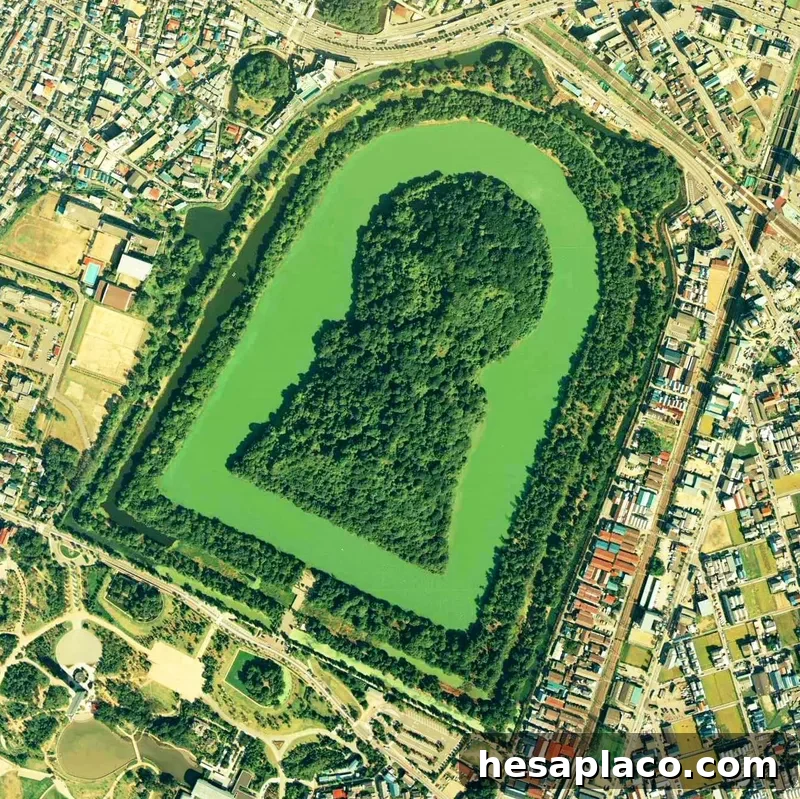
National Land Image Information
Location: Sakai, Osaka, Japan
Cost adjusted for 2023 inflation: $300 million
Emperor Nintoku’s Tomb, often referred to as a kofun, is one of Japan’s most remarkable ancient burial sites. From above, the tomb has a distinctive keyhole shape and appears as a large man-made island surrounded by moats.
The site is believed to be associated with Nintoku, the 16th emperor of Japan, who ruled from 313 to 399. Because of its age, reliable original cost records do not exist. However, modern estimates suggest that constructing a comparable monument today could cost around $300 million.
Its enormous size and unique design make Emperor Nintoku’s Tomb one of the most important megalithic burial structures in the world. It remains a powerful example of ancient Japanese imperial tradition and funerary architecture.
3. Tomb of Mumtaz Mahal
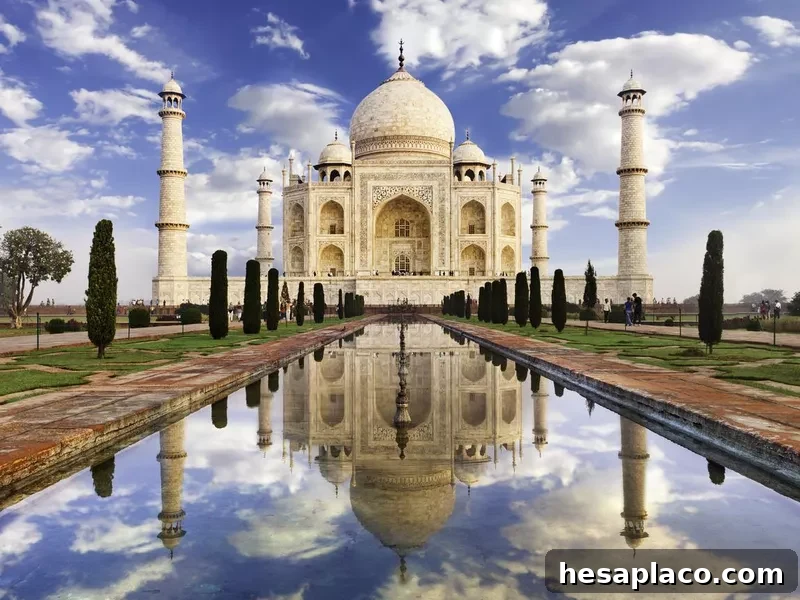
adamkaz / Getty Images
Location: Agra, India
Cost: 32 million rupees
Cost adjusted for 2023 inflation: $422 million, or 35 billion rupees
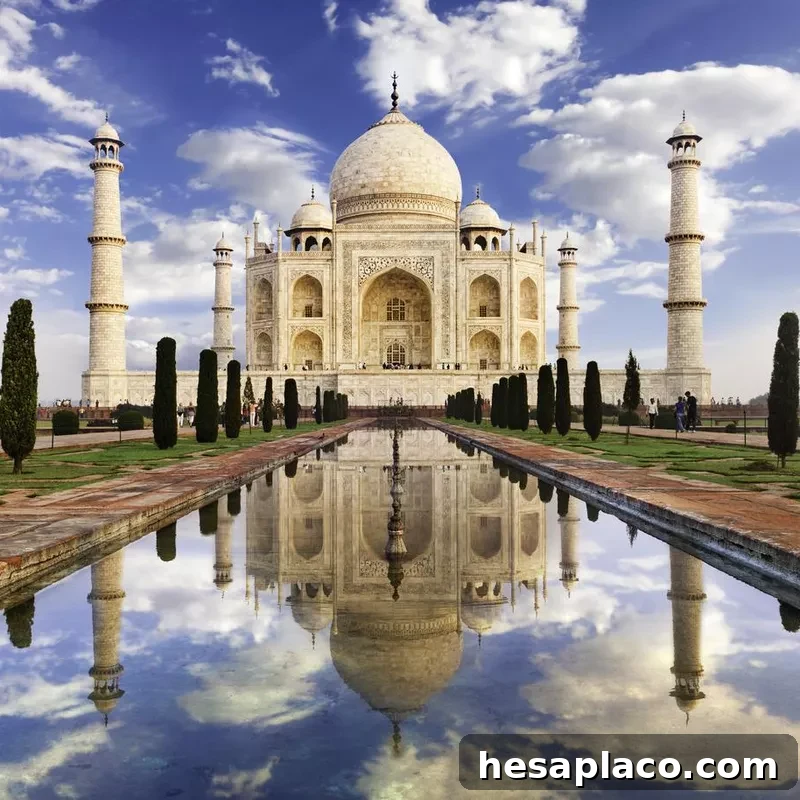
The Tomb of Mumtaz Mahal is better known around the world as the Taj Mahal. It was built by the Mughal emperor Shah Jahan in 1632 as a memorial for his late wife, Mumtaz Mahal.
The monument is made mostly of ivory-white marble and stands at the center of a 42-acre complex. The tombs of both Mumtaz Mahal and Shah Jahan are located within the central structure.
With an original cost of 32 million rupees, the Taj Mahal would be worth an estimated $422 million in 2023 value, or about 35 billion rupees. Its beauty, symmetry and emotional story have made it one of the most famous mausoleums in history and one of India’s most iconic landmarks.
2. The Valley of the Kings
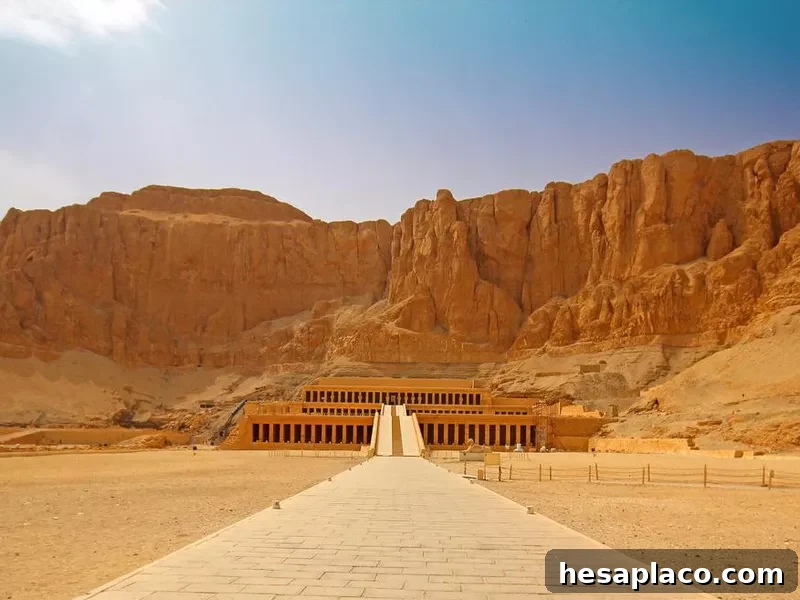
zbg2 / Getty Images
Location: Luxor, Egypt
Cost adjusted for 2023 inflation: $750 million
The Valley of the Kings is one of the most famous burial regions in ancient Egypt. Located in the Theban Hills near Luxor, it became internationally famous in 1922 when the tomb of King Tutankhamun, also known as King Tut, was discovered there.
So far, 63 tombs have been found in the valley. The site served as the burial place for New Kingdom pharaohs, as well as some of their relatives, officials and priests. The tombs were concealed by the cliffs of Western Thebes, giving them a hidden and protected setting.
The Valley of the Kings was established by Amenhotep I, though it was not used as the burial place for a king until Thutmose I was buried there. The objects found in King Tutankhamun’s tomb alone are estimated to be worth around $700 million. When construction, materials and burial treasures are considered together, the tomb may have cost around $750 million in modern value.
1. Great Pyramid of Giza
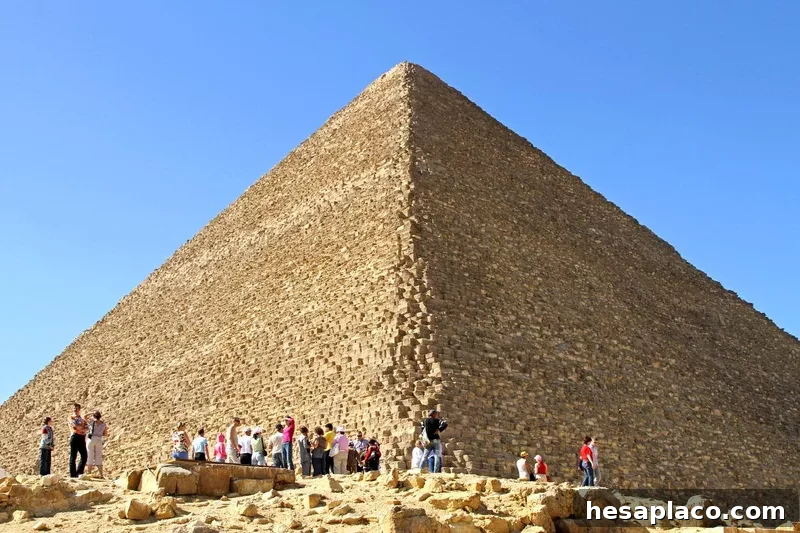
Baloncici / Getty Images
Location: Giza, Egypt
Cost adjusted for 2023 inflation: $5 billion
The Great Pyramid of Giza ranks as the most expensive tomb in the world, with an estimated modern construction value of about $5 billion.
Built in the early 26th century BC over a period of roughly 27 years, the pyramid was constructed as the burial place of King Khufu. It is the oldest of the Seven Wonders of the Ancient World and is also recognized as a UNESCO World Heritage Site.
The Great Pyramid remains one of the greatest engineering achievements in human history. Its size, age, precision and lasting cultural importance make it not only the world’s most expensive mausoleum, but also one of the most enduring monuments ever built.