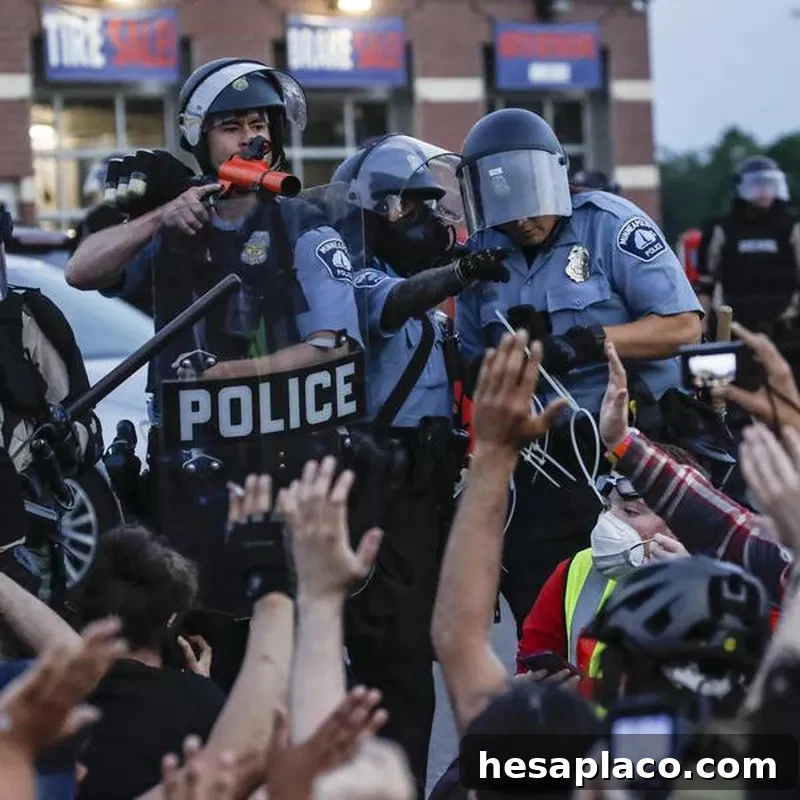
Policing has a long history. Early forms of organized policing date back to ancient Egypt around 3000 B.C., and England established organized law enforcement in the 13th century. The first formal police force in the United States began in Boston in 1838. Throughout history, creating fair and effective systems for public safety and justice has proven difficult and often controversial.
Today policing is under unprecedented scrutiny. After the murder of George Floyd by a Minneapolis officer in 2020, global protests against police brutality and calls for accountability and reform spread across many countries. Whether these demands will produce lasting change remains to be seen. Below is an overview of policing in selected countries, presented alongside basic economic and policing figures, and a concise summary of current issues and practices.
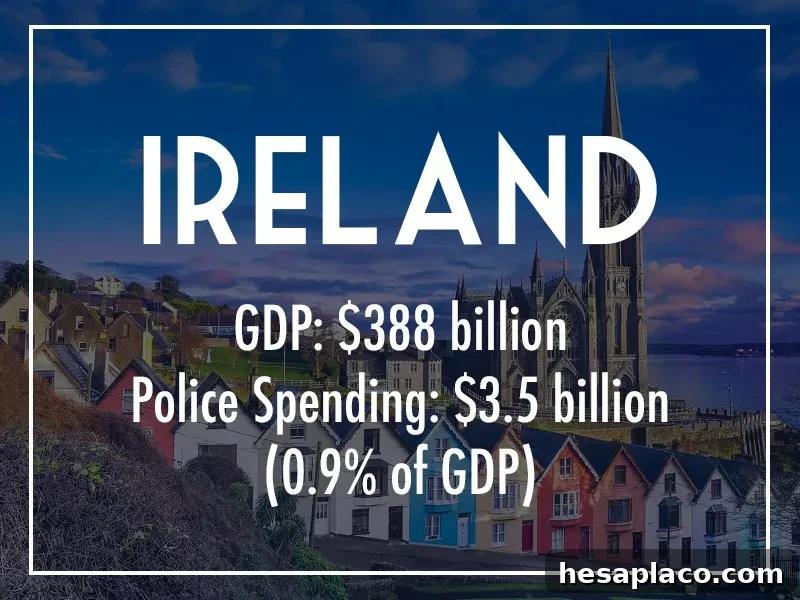
15. Policing in Ireland
Getty Images
GDP: $388.7 billion
Population: 4.94 million
Police spending: $3.5 billion (0.9% of GDP)
Carry guns: No
Total police killings: 1
Ireland’s national police, the Gardaí, are an unarmed force: most officers do not receive firearms training and typically carry only a baton. Recruits complete 58 weeks of training and then serve a two-year probationary period while earning a degree in police management. Armed specialist units exist and are called in for high-risk situations. Recorded fatal shootings by police are rare; the country noted a fatal shooting in December 2020 that sparked nationwide protests after the death of George Nkencho.
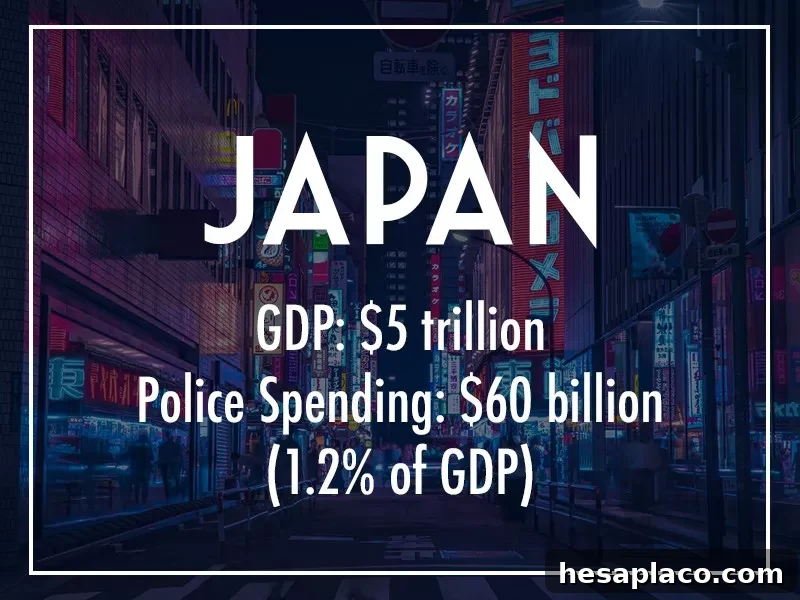
14. Policing in Japan
Getty Images
GDP: $5 trillion
Population: 126.3 million
Police spending: $60 billion (1.2% of GDP)
Carry guns: Yes
Total police killings: 2
Japan is widely regarded as a safe country with low crime rates. Officers are armed but emphasize non-lethal methods: extensive physical training, martial arts, and crowd-control techniques are common. Police are sometimes criticized, however, for underreporting or insufficiently addressing domestic and sexual violence. The force is male-dominated, and critics point to institutional and cultural barriers that can hinder responses to crimes against women.
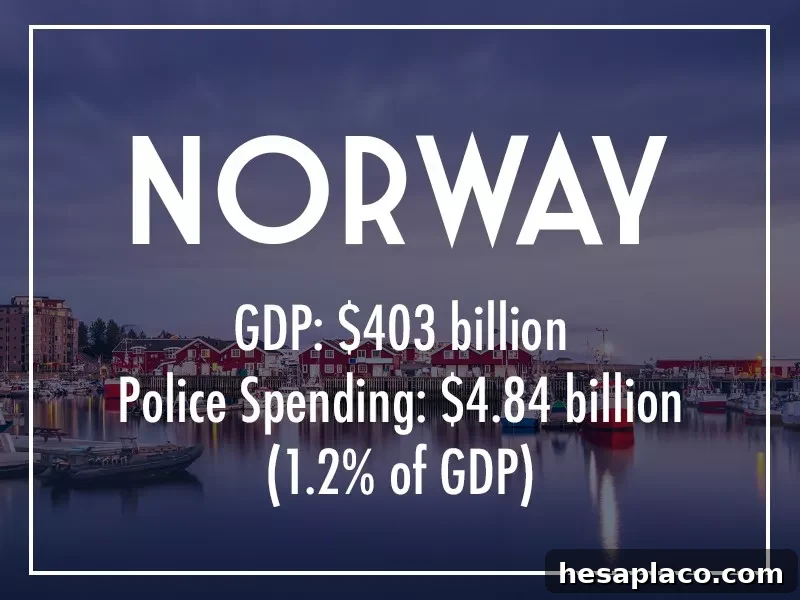
13. Policing in Norway
Getty Images
GDP: $403 billion
Population: 5.347 million
Police spending: $4.84 billion (1.2% of GDP)
Carry guns: No
Total police killings: 0
Norway is often cited as a model for policing reform. Recruitment is selective and training rigorous: candidates complete internships and a three-year degree in ethics, policing and criminal justice, with ongoing annual training. Police are unarmed in routine duties and often bring health professionals to incidents involving mental illness. Norway reported no fatal civilian killings by police in 2019.
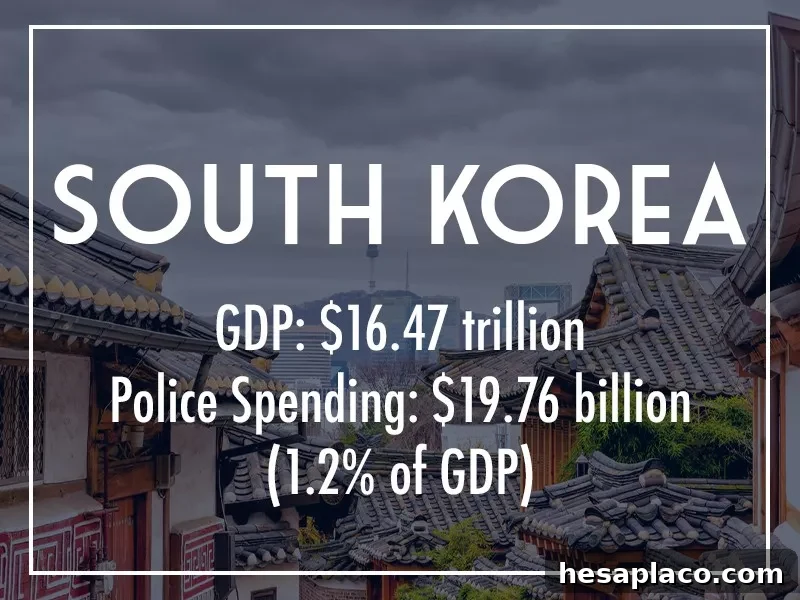
12. Policing in South Korea
Getty Images
GDP: $16.47 trillion
Population: 51.71 million
Police spending: $19.76 billion (1.2% of GDP)
Carry guns: Yes
Total police killings: No data available
South Korea’s police legacy includes periods of harsh repression under past military regimes, most notably in the 1980s. Democratic reforms have since reshaped the force and its public role; the relatively peaceful Candlelight protests of 2016–2017 are seen as evidence of improved restraint. Most officers are unarmed in everyday policing, with specialized armed units deployed for life‑threatening situations.
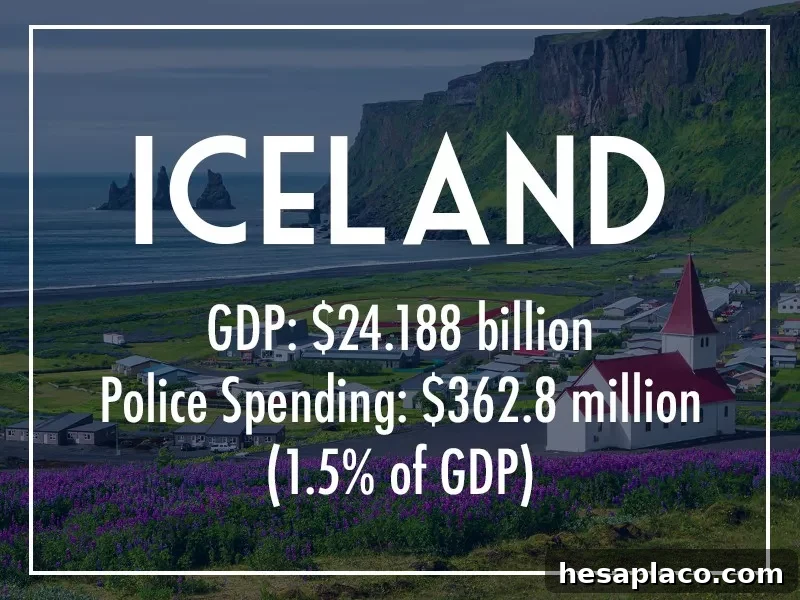
11. Policing in Iceland
Getty Images
GDP: $24.188 billion
Population: 361,310
Police spending: $362.8 million (1.5% of GDP)
Carry guns: No
Total police killings: 0
Iceland does not routinely arm its police, and the country has recorded almost no fatal police shootings. Training discourages chokeholds and other dangerous techniques, yet incidents of misuse and allegations of discrimination—such as forceful responses to refugee demonstrations—have occurred. Overall, armed confrontations are rare.
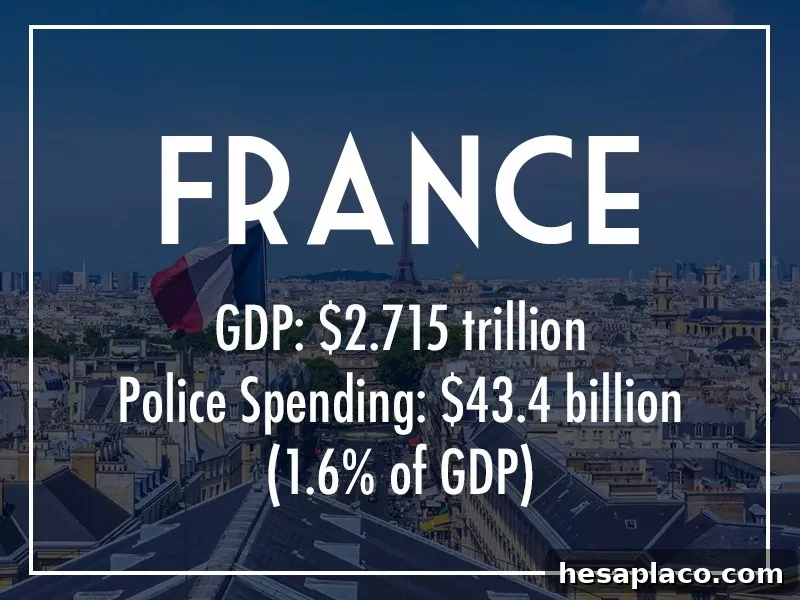
10. Policing in France
Getty Images
GDP: $2.715 trillion
Population: 67 million
Police spending: $43.4 billion (1.6% of GDP)
Carry guns: Yes
Total police killings: 26
France has a strong tradition of protest, and crowd-control tactics have frequently involved rubber bullets, tear gas and other forceful measures. Episodes such as the Yellow Vest protests and demonstrations against police brutality have highlighted concerns about excessive force and racial profiling. Independent reports have noted disproportionate targeting of Black and Arab communities.
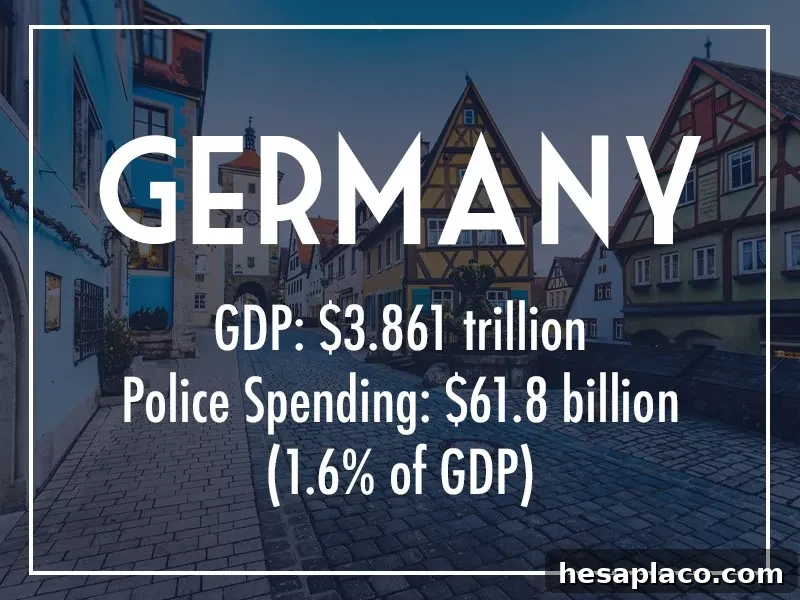
9. Policing in Germany
Getty Images
GDP: $3.861 trillion
Population: 83.132 million
Police spending: $61.8 billion (1.6% of GDP)
Carry guns: Yes
Total police killings: 11
German police are armed but emphasize de‑escalation and restraint, informed in part by the country’s historical context. Nonetheless, critics point to gaps in training for dealing with people in mental health crises; many fatal encounters involving police victims had mental health factors.
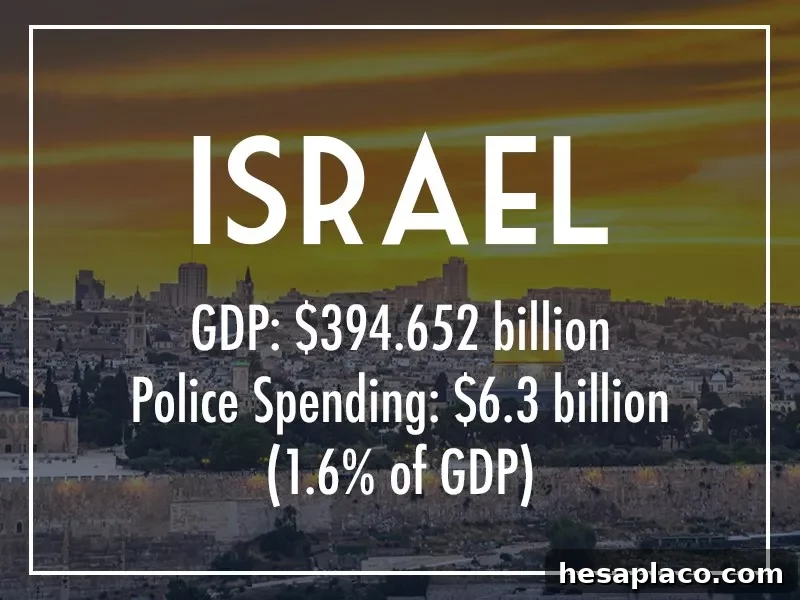
8. Policing in Israel
Getty Images
GDP: $394.652 billion
Population: 9 million
Police spending: $6.3 billion (1.6% of GDP)
Carry guns: Yes
Total police killings: No data available
Tensions between Israeli police and Palestinian communities remain high. High-profile cases, such as the killing of Iyad Halaq, an autistic Palestinian man, have sparked protests and raised questions about use of force and treatment of marginalized groups. Publicly available, reliable national-level data on police killings is limited.
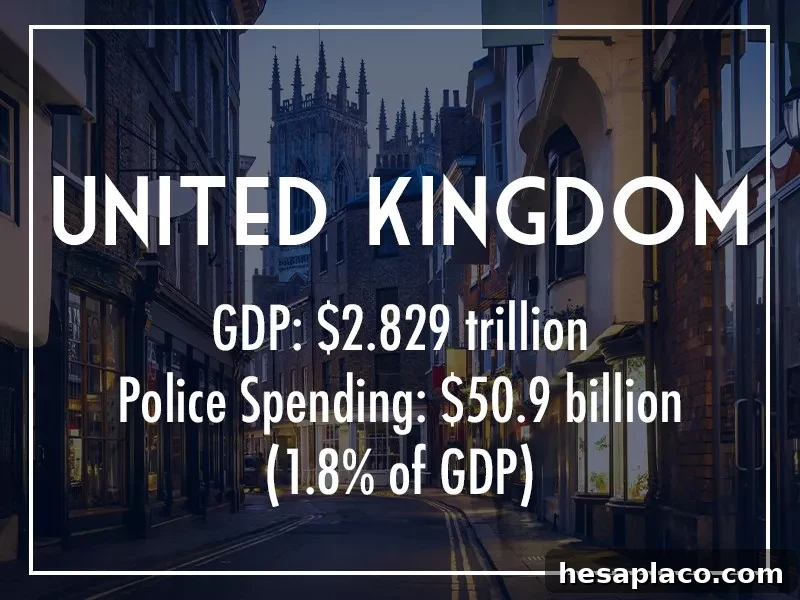
7. Policing in the United Kingdom
Getty Images
GDP: $2.829 trillion
Population: 66.834 million
Police spending: $50.9 billion (1.8% of GDP)
Carry guns: No (except in Northern Ireland)
Total police killings: 3
The UK maintains largely unarmed policing in most of the country, a model dating to the 19th century and often referred to as policing by consent. Community support officers handle many low-level issues. Yet concerns about systemic racism and excessive force persist, and Black Lives Matter demonstrations in 2020 drew attention to longstanding inequalities.
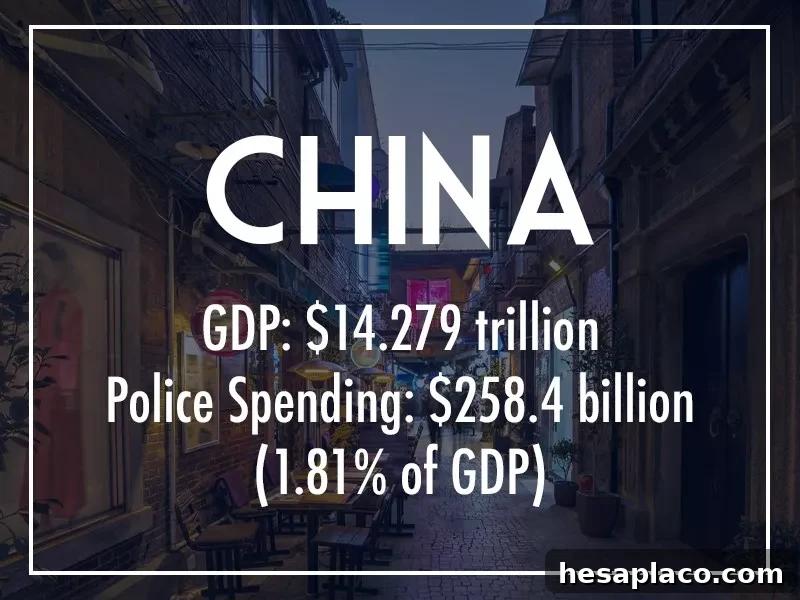
6. Policing in China
Getty Images
GDP: $14.279 trillion
Population: 1.398 billion
Police spending: $258.4 billion (1.81% of GDP)
Carry guns: Yes
Total police killings: 2
Transparent, independently verified data on policing and police violence in China is scarce. The People’s Armed Police and other law enforcement organs have been criticized for suppressing dissent, and international coverage of Hong Kong protests has highlighted allegations of excessive force. Reporting and accountability are constrained by the broader political environment.
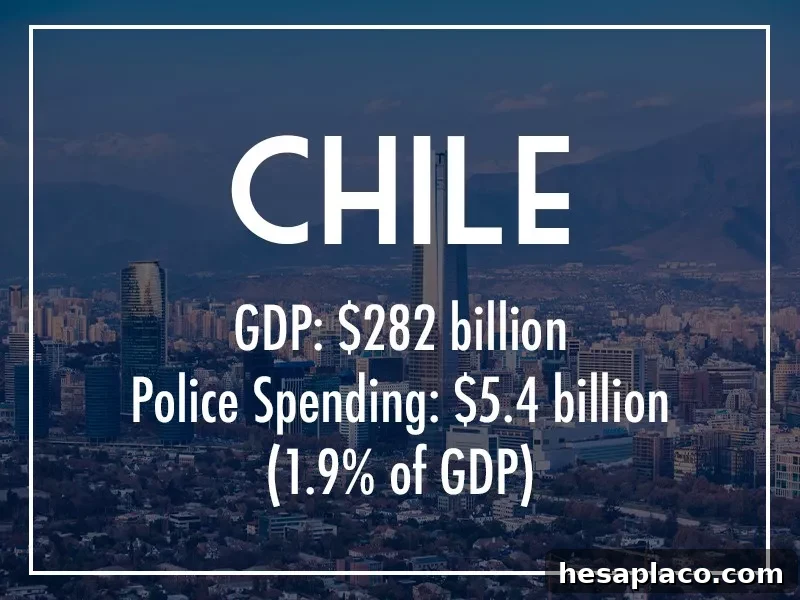
5. Policing in Chile
Getty Images
GDP: $282 billion
Population: 18.952 million
Police spending: $5.4 billion (1.9% of GDP)
Carry guns: Yes
Total police killings: No data available
Chile’s police, the Carabineros, faced intense criticism for their response to large-scale protests beginning in 2019. Reports documented killings, severe injuries, sexual abuse and widespread use of crowd-control weapons. Incidents both during and outside protests prompted calls for deep reform and accountability, with some Chileans comparing current abuses to past state violence under dictatorship.
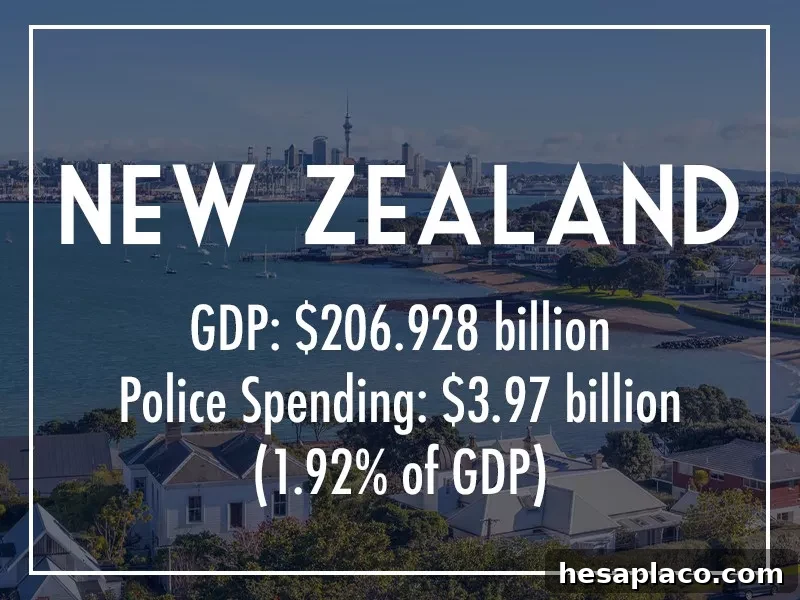
4. Policing in New Zealand
Getty Images
GDP: $206.928 billion
Population: 4.917 million
Police spending: $3.97 billion (1.92% of GDP)
Carry guns: No (firearms available in vehicles under supervision)
Total police killings: 1
New Zealand practices policing by consent and generally keeps officers unarmed; firearms are stored in vehicles and require supervisory approval to be used. Following the 2019 Christchurch terrorist attacks, authorities briefly piloted armed patrols in some communities, a move criticized as racially insensitive and subsequently reversed after public protest. Indigenous Maori and Pacific Island communities remain concerned about disproportionate policing outcomes.
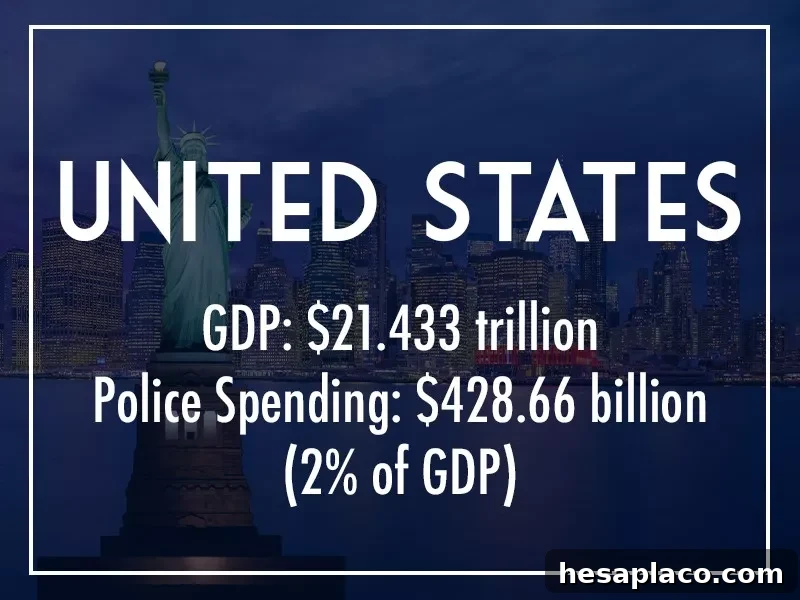
3. Policing in the United States
Getty Images
GDP: $21.433 trillion
Population: 328.239 million
Police spending: $428.66 billion (2% of GDP)
Carry guns: Yes
Total police killings: 1,127
The United States records a far higher number of police-involved killings than other OECD countries. Policing is highly decentralized, with training standards and resources varying widely between jurisdictions. Officers often receive extensive weaponry and tactical equipment, and many critics argue that training insufficiently emphasizes de‑escalation and crisis intervention. Racial disparities in stops and use of force, particularly affecting Black Americans, have driven major domestic and international protests and renewed calls for comprehensive reform.
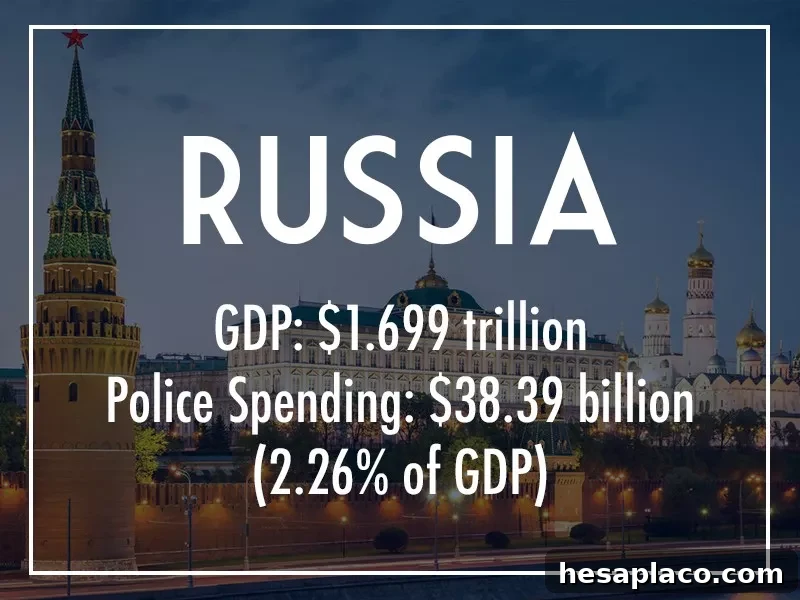
2. Policing in Russia
Getty Images
GDP: $1.699 trillion
Population: 144.373 million
Police spending: $38.39 billion (2.26% of GDP)
Carry guns: Yes
Total police killings: No data available
Russia’s law enforcement carries the weight of a troubled history, including abuses under past regimes. Independent reporting on police violence is limited, and authorities are frequently accused of heavy-handed tactics against protesters and civic activists. Perceptions of corruption and impunity in policing persist, and international human rights organizations have documented repressive measures and constraints on civic freedoms.
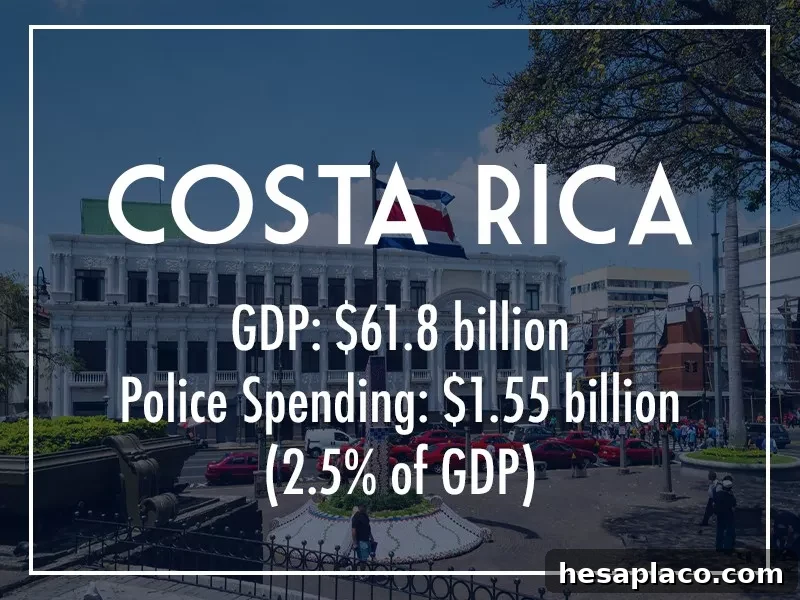
1. Policing in Costa Rica
Getty Images
GDP: $61.8 billion
Population: 5.47 million
Police spending: $1.55 billion (2.5% of GDP)
Carry guns: Yes
Total police killings: No data available
Costa Rica is often praised for its peaceful reputation and the abolition of its military in 1949. Still, rising crime related to transnational organized crime has expanded policing responsibilities, and the country spends a relatively high share of GDP on law enforcement. Reports of excessive force during protests, underreporting of police violence, and occasional cases of officers prosecuted for brutality indicate ongoing accountability challenges.
Across these countries, patterns vary: some forces emphasize unarmed policing, extensive professional training and community engagement, while others rely more on armed response and stronger tactical approaches. Historical context, institutional culture, transparency and oversight shape how police interact with citizens and how incidents of brutality are reported and addressed. The global conversation about policing continues to evolve as communities and policymakers weigh alternatives that prioritize both public safety and human rights.
*Figures for GDP and population are drawn from public sources for context. Police spending percentages reflect reported national allocations for public order and safety. Police killing totals reflect reported figures for the most recent available year and may vary by source and reporting practices.