
Outlet stores advertise familiar brands at lower prices, offering an attractive middle ground between full-price shopping and thrift finds. However, the apparent savings can be misleading—some outlet items show their compromises only after a few uses. Buying from an outlet can still be smart, but only if you understand which purchases truly hold value and which will cost more in the long run.
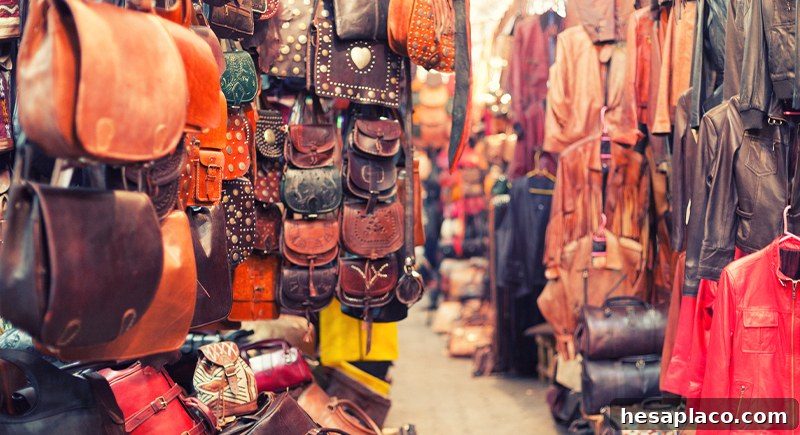
Leather Bags and Jackets
Credit: iStockphoto
Outlet leather goods are often made from bonded leather or heavily corrected hides. These materials can look smooth and uniform at first but lack the durability and character of full-grain leather. Over time, they may stiffen, crack, or peel rather than develop an appealing patina. That’s why high-quality, full-grain leather rarely appears in large quantities at outlet stores.
Cosmetics and Skincare

Credit: Canva
Beauty products sold through outlet channels often spend extended periods in storage before reaching shelves, which can compromise formula stability. Dermatologists caution that older makeup and skincare products are more likely to irritate, especially around sensitive areas like the eyes and lips. Once active ingredients begin to degrade, a lower price won’t make a product safer or more effective.
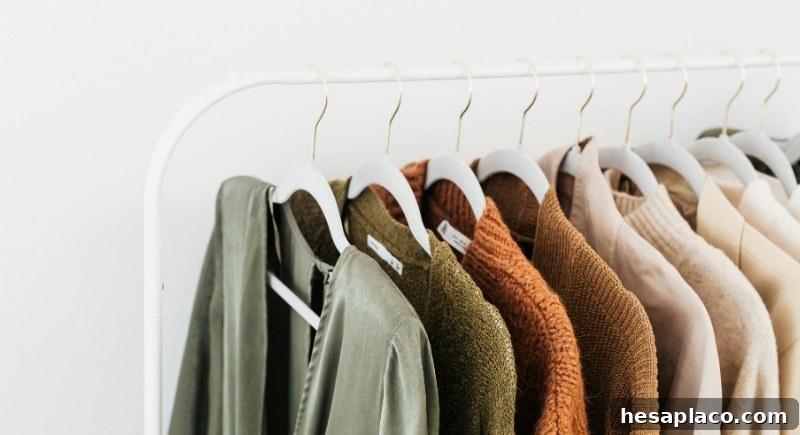
Outlet-Only Clothing Lines
Credit: pexels
Those reassuring “compare at” tags can be misleading. Many outlet clothes are designed specifically for outlet stores and are never part of a brand’s main collection. To hit lower price points, designers often use lighter fabrics, simplified construction, and omit linings or reinforcements. The item may resemble the full-price version at a glance, but be prepared for lower-quality materials and finishes from the start.
Underwear and Socks

Credit: pexels
Undergarments and socks can feel like easy bargains, but outlets don’t always offer the best value here. Department stores frequently discount basics more aggressively during standard sales, and outlet versions often use lower-quality elastic blends that lose stretch more quickly. That means you may replace those essentials sooner than you expect, cutting into any initial savings.
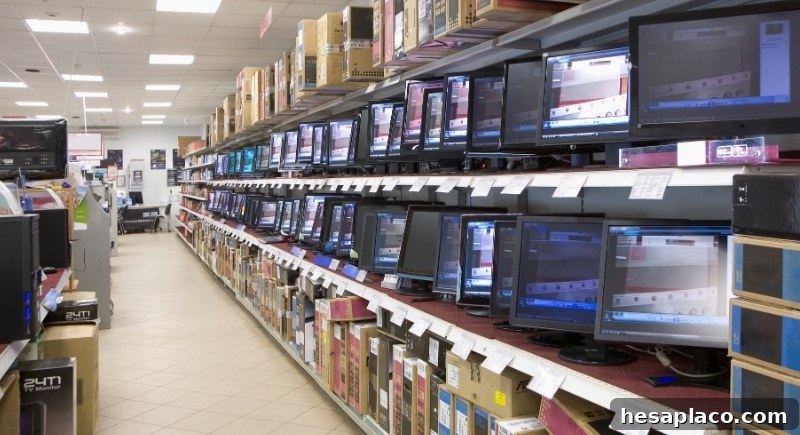
Refurbished Electronics from Third Parties
Credit: Canva
Refurbished electronics are worthwhile only when the seller provides clear accountability. Many outlet electronics are sold by third parties without manufacturer warranties or dependable return policies. When batteries degrade or components fail, repair costs can exceed the original discount. Without reliable support, a device can become more expensive to own than a comparable new one.
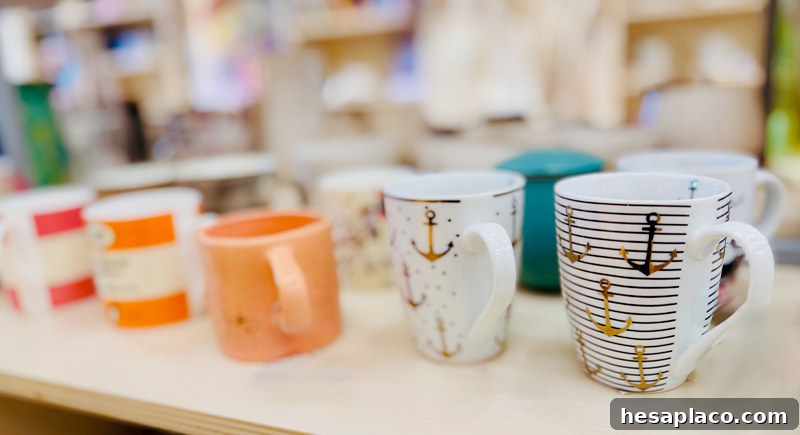
Brand Logo Trinkets
Credit: iStockphoto
Near checkout counters you’ll find small branded items aimed at impulse purchases: keychains, mugs, and novelty accessories. These trinkets often emphasize logos over function and tend to be made cheaply, so discounts are usually minimal in real terms. Once home, they frequently end up unused in drawers, the novelty fading quickly.
Fashion Accessories
Credit: Canva
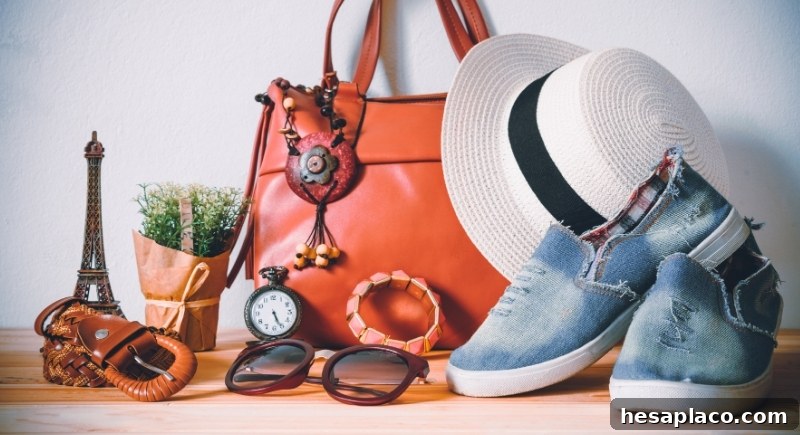
Accessories like belts and costume jewelry can look appealing under store lighting but often reveal shortcuts with regular use. Plated finishes wear away, clasps loosen, and lightweight hardware bends. Because accessory trends move quickly, patient shopping during department store sales frequently yields better construction at comparable or better prices.
Outdated Tablets and Phones

Credit: Canva
Electronics that look new can quickly become obsolete when software support ends. Outlet devices are often several generations behind, limiting future updates and app compatibility sooner than you’d expect. Performance can decline noticeably as apps and operating systems demand more power, turning an apparent bargain into a short-term purchase.
Designer Diffusion Lines
Credit: pexels
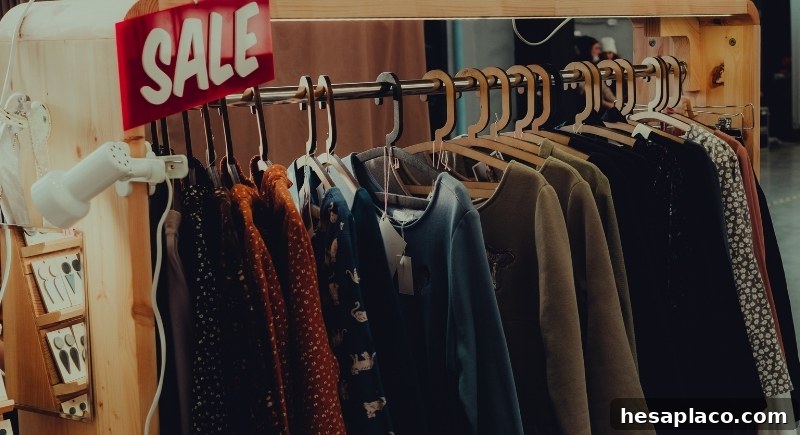
Diffusion lines give designer brands a presence at lower price points, but they do so by simplifying cuts and using less expensive fabrics. The visible branding remains, while tailoring and finish quality are reduced. These pieces are intended to carry the look of a luxury label rather than match the craftsmanship of the mainline collection.
Shoes Made for Outlets
Credit: Getty Images
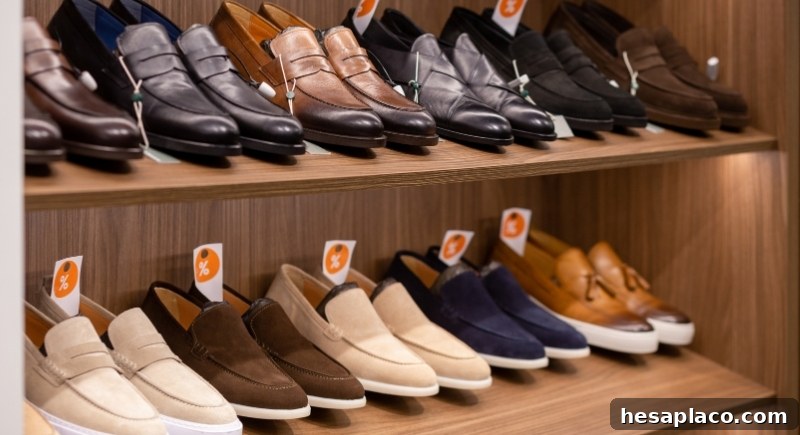
Footwear quickly exposes cost-cutting. Outlet-specific shoes often use glued soles, thinner cushioning, and lighter materials that compress unevenly. Comfort can disappear well before visible wear appears on the uppers. Because footwear affects posture and joint health, construction and support matter more than branding—what looks like a bargain can end up costing more when you replace shoes sooner than expected.
In short, outlet shopping works best when you approach it with a clear strategy: prioritize items with inherent durability, avoid perishable or high-wear basics unless quality is evident, and look for reliable warranties on electronics. When you know where brands compromise, you can separate genuine value from short-lived savings and make smarter choices at the outlet.