
Big purchases aren’t happening like they used to. Many Americans are pausing, reconsidering, and putting plans on hold. Across the country, spending on major items is quietly slowing as households reassess what makes sense in the current economy.
New Vehicles

Credit: Canva
Car sales slowed in May 2025 after a strong start to the year. Ongoing tariff concerns have introduced uncertainty for manufacturers and buyers alike. Many shoppers are watching their budgets more closely: roughly 43% say they would consider switching brands to secure a better price. Overall, consumers are being more cautious about committing to major vehicle purchases.
Vacation Packages

Credit: pixabay
Vacation bookings have softened compared with a year ago. In February 2025, air travel levels were about 4.6% lower than the prior year, reflecting rising costs and increased economic uncertainty. Travelers are favoring shorter, local getaways over long-haul trips, and many are trimming or postponing more elaborate vacations.
Home Purchases

Credit: Getty Images
Mortgage rates remain a key factor shaping home-buying decisions. By mid-June 2025, the average 30-year fixed mortgage rate hovered near 6.89%, making monthly payments a heavier burden for many buyers. As a result, a significant number of potential buyers are deferring home purchases until borrowing costs become more manageable.
Major Appliances
Credit: pexels
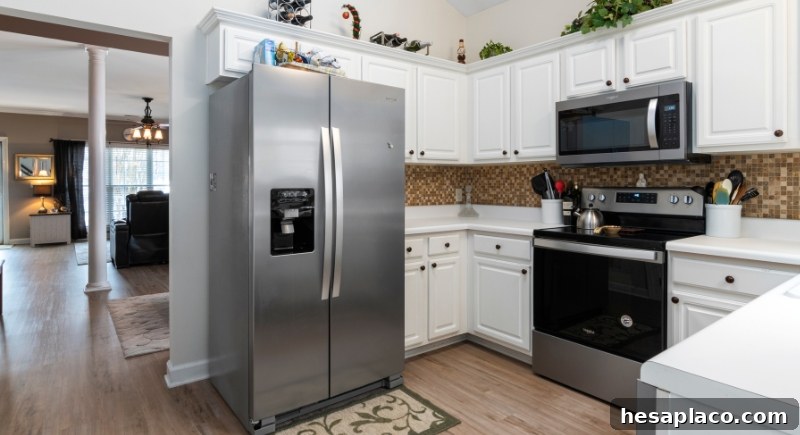
Economic pressures are influencing appliance purchases. Recent data indicate that many consumers view tariffs as an important factor when replacing appliances: nearly three-quarters say it affects their decisions. About one in five households delay purchases, and some turn to used appliances to reduce costs. These shifts point to frugal choices as prices rise.
Swimming Pools

Credit: Elena Photo
Pool Corporation reported a 4% decline in sales early in 2025 and a 30% drop in profits, suggesting homeowners are postponing backyard pool projects. Elevated interest rates and tighter budgets have reduced enthusiasm for these discretionary, high-cost additions.
Furniture Sets

Credit: pexels
Brick-and-mortar furniture sales slipped in 2024, with store revenue down about 2.2%. Rather than undertaking full-room makeovers, many shoppers opt to replace only essential pieces. Higher borrowing costs and tighter household budgets mean people are prioritizing needs over big, coordinated purchases.
Motorhomes And RVs
Credit: Getty Images
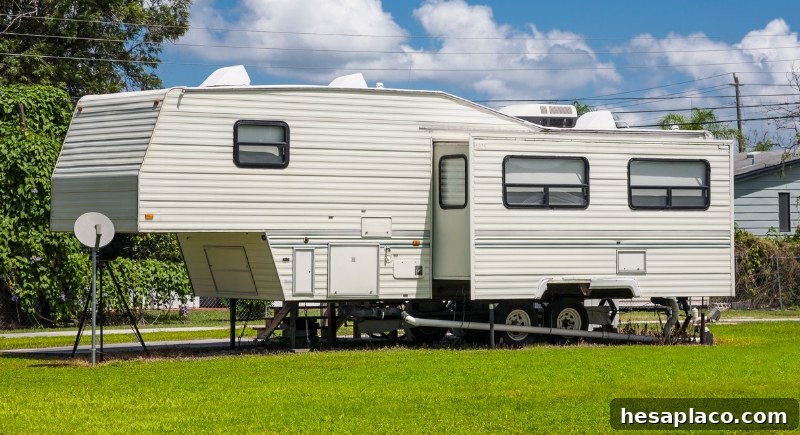
The RV market is expected to grow modestly in 2025, but high interest rates continue to shape buyer behavior. As financing becomes more expensive, buyers tend to favor smaller, more affordable models. This shift increases participation among retirees and budget-conscious adventurers while reducing demand for large, luxury units.
Plant-Based Food Products

Credit: Canva
U.S. sales of plant-based foods fell in 2024, with overall categories down about 4% and meat and seafood alternatives declining about 7%. Price remains a major obstacle: many plant-based options cost more than traditional items, prompting some shoppers to revert to lower-cost choices as they prioritize savings over dietary preferences.
Cable Television Subscriptions

Credit: Proxima Studio
Cable TV continues to lose subscribers. In 2025 about 68.7 million U.S. households still had cable, down nearly 4.9% from the previous year. Cost is a primary factor for cancellations, though roughly half of older adults continue to prefer cable for its familiarity and simplicity even as streaming gains ground.
Vinyl Records

Credit: Getty Images
Vinyl records buck the broader pullback: sales rose about 6.2% in 2024, continuing a long-term trend of collector interest. Earlier reports that suggested a collapse were due to a change in how data were counted; in reality, demand for records remains robust among enthusiasts.
Landline Phones

Credit: Gajus
Landline use has declined sharply: only about 28% of U.S. households still maintain a landline. Most adults rely exclusively on cell phones, with younger generations particularly favoring the convenience and features of mobile devices.
Travel Insurance And Luxury Stays

Credit: Noey smiley
Demand for flexible travel insurance has risen, especially “cancel for any reason” policies, which increased about 34% year over year. Travelers are seeking added protection amid global uncertainties. While exact numbers on declines in luxury hotel bookings vary, leisure travel overall has slowed and risk-averse planning is becoming more common.
Holiday Gift Spending

Credit: Getty Images
Americans expect to spend between roughly $1,205 and $1,638 on holiday-related expenses in 2025, covering gifts, travel, and entertainment. In 2024, gifts made up about $641 of average holiday spending. Even when total budgets edge up, many shoppers are managing holiday costs carefully and prioritizing essential items.
Electronics And Appliances
Credit: alexlmx
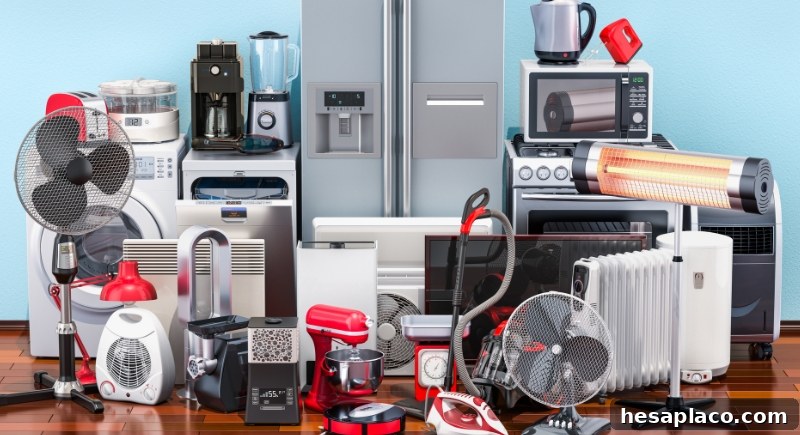
The consumer electronics sector is growing overall, with global sales expected to reach around $1.29 trillion in 2025—an increase near 2%. Still, many individual shoppers are cautious: nonessential tech upgrades are often delayed, and buyers shop for better value, producing a market where aggregate growth coexists with selective purchasing.
Smart Home Renovations

Credit: Canva
High construction costs and tariffs influence homeowners’ renovation plans. While necessary projects still move forward, many people choose budget-friendly alternatives or take on do-it-yourself upgrades to reduce expenses. Economic caution is steering homeowners toward more modest smart home improvements and careful planning for larger remodels.
Across categories, the common theme is restraint. Whether driven by higher borrowing costs, tariff-driven price changes, or general economic uncertainty, consumers are prioritizing essentials, hunting for value, and delaying or downsizing big-ticket purchases.