
Downsizing sounds straightforward: move into a smaller place and cut expenses. In practice, however, costs often rise unexpectedly. It’s rarely one big mistake; instead, a string of small decisions and overlooked details accumulates into significant extra spending. Below are common ways a downsizing budget can balloon and how to avoid those pitfalls.
Skipping the Plan

Credit: pixelshot
Downsizing has more moving parts than it seems, and timing affects almost every decision. Without a clear schedule, choices are deferred until the last minute, which drives up costs. Movers booked close to the move date charge more, especially in peak seasons. Last-minute packing often requires paid help or extra hours. Creating a realistic timeline early keeps the process manageable and prevents avoidable expenses.
Chasing the Wrong Details

Credit: Getty Images
People often spend excessive time deciding the fate of items with little financial or practical impact. Those delays push packing into tighter windows and increase labor fees. Prioritize essentials—large furniture, daily-use items, and must-keep belongings—so movers can pack efficiently. Letting minor, low-value items dominate your time slows the process and adds cost without meaningful benefit.
Guessing the Space

Credit: pexels
Accurate measurements prevent hauling furniture that won’t fit or having to replace pieces after the move. Items that worked well in a larger home can become costly mistakes in a smaller layout. Without checking dimensions, movers may transport bulky items that won’t fit through doorways or into rooms, and you still pay for their transport. Measuring doorways, hallways and rooms in advance avoids wasted moves and returns.
Forgetting Moving Costs

Credit: Canva
Downsizing lowers housing expenses over time, but the move itself carries many up-front costs. Packing materials, transportation, labor, insurance and possible storage add up quickly. When these line items are left out of the budget, the financial surprise arrives during the move. List and estimate every moving expense early to make your downsizing plan realistic and avoid last-minute shocks.
Choosing Cheap Help

Credit: pixabay
Hiring the cheapest movers can feel like a win, but low-cost services sometimes lack proper insurance, training and accountability. Damaged furniture, missed appointments and careless packing quickly turn a bargain into an expensive problem. Spending a bit more for licensed, reputable movers who offer insurance often prevents costly replacements and delays down the road.
Ignoring Hidden Housing Costs

Credit: Canva
Extra recurring costs frequently appear soon after moving. Research these in advance so you know the true long-term cost of downsizing. Property taxes, local utility rates and homeowner association fees are tied to location and property type, not strictly to size. A smaller home in a higher-tax or HOA-heavy area can carry monthly costs similar to—or higher than—your previous residence.
Holding Onto Too Much

Credit: pixelshot
Excess belongings increase costs across the board: more boxes, more labor and more truck space. Many people move items they intend to donate or discard later—effectively paying to transport things they won’t keep. An aggressive pre-move sort reduces weight, lowers labor hours and cuts transportation fees. Decide now what will be sold, donated, stored or kept.
Bringing the Wrong Furniture

Credit: Canva
Oversized furniture that suited a larger home often overwhelms smaller rooms. Oversized sofas, tables and armoires can reduce usable space and make the new layout impractical. Moving bulky pieces only to replace them later wastes both money and effort. Sell or donate large items before the move to avoid unnecessary transport costs and make the new space easier to furnish.
Skipping Storage Planning
Credit: Getty Images
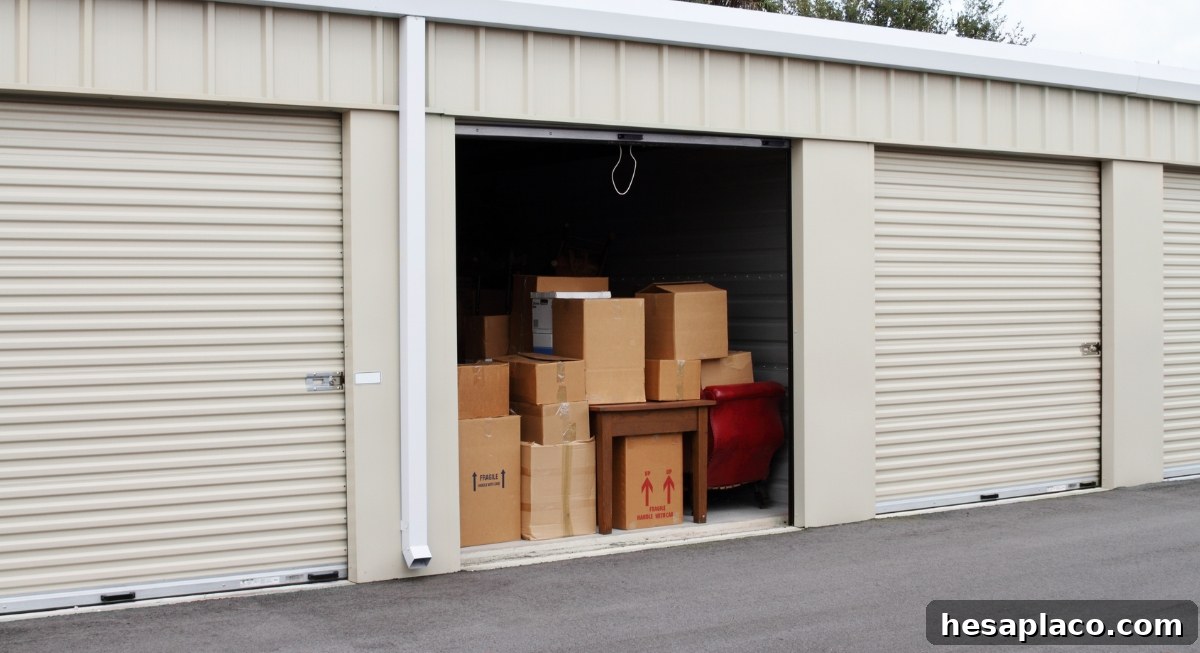
Storage units can start as a short-term solution and become a long-term expense. Monthly fees add up, especially when items remain there for years without a plan. When downsizing, identify what truly needs off-site storage—important documents, seasonal gear or keepsakes—and set a timeline for clearing stored items. Clear storage planning prevents indefinite rental costs.
Selling Too Soon

Credit: Canva
Listing your home before finishing downsizing decisions often creates a rush that increases costs. Preparing a full inventory and a layout plan for the new space before you sell gives you better control over timing. When you sell first, deadlines force quick choices about movers, furniture and storage—decisions often made under pressure and at higher cost. Take the time to plan thoroughly to protect both your timeline and your budget.