
Financial problems aren’t always about how much you earn; they often begin with how you think. Misconceptions about saving, spending, and earning can erode your finances even when your paycheck appears solid. These thought patterns feel normal, but over time they hold people back—delaying wealth accumulation, increasing debt, and blocking financial progress.
Treating Comfort as Financial Success

Credit: pexels
Accepting “good enough” as an endpoint can cause financial stagnation. When comfort becomes the target, momentum slows or stops. That mindset discourages the risk-taking and strategic moves required for meaningful growth. It also helps explain why many people reach retirement age without enough savings to truly retire.
Believing You Have to “Make” Money

Credit: Canva
Many assume money is created by working longer hours. In truth, money enters the economy through broader systems, while personal wealth grows by creating exchangeable value. When your income depends solely on trading time for money, your potential for growth is limited. Building assets or systems lets income continue beyond the hours you personally work.
Assuming It Takes Money to Start

Credit: Getty Images
Waiting for a windfall or the perfect amount of capital often means never starting. Many successful people began with very little. Consistent small actions build far more than flawless plans that are endlessly postponed. Taking action—no matter how modest—typically separates those who begin from those who wait forever.
Delaying Retirement Because It Feels Distant

Credit: Getty Images
Experts often recommend having at least one year’s salary saved by age 30, yet many people delay saving because retirement seems far away. That delay weakens the power of compound interest. Starting early—even with small contributions—produces far greater results than attempting to catch up later.
Thinking Staying Small Reduces Risk
Credit: Getty Images
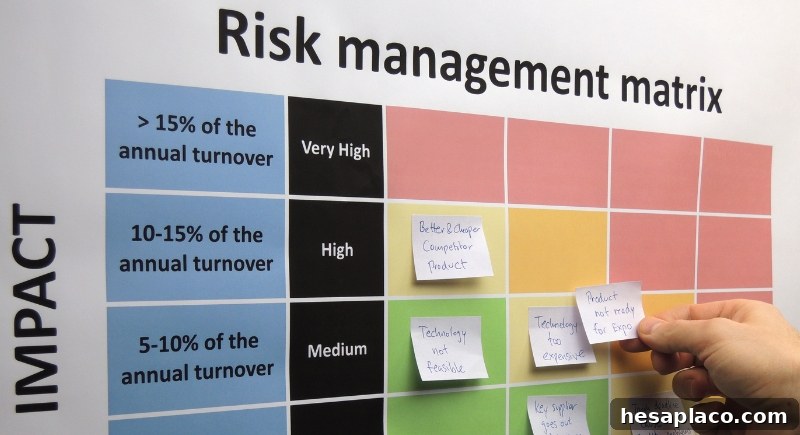
Some people believe that keeping plans modest is safer. In reality, staying small often means expending the same effort for much smaller returns. Many entrepreneurs look back wishing they had scaled faster. A small mindset may feel less risky in the short term, but it can cost you long-term opportunity and income.
Judging Jobs Only by Salary

Credit: Getty Images
A salary reflects only one dimension of a job’s value. Overlooking benefits like health insurance, retirement contributions, paid time off, or professional development can make a high salary less valuable over time. Evaluating total compensation gives a clearer picture of how a position supports your financial goals.
Using Spending as Emotional Relief

Credit: Getty Images
Impulse purchases rarely produce lasting happiness. Shopping to soothe stress, boredom, or frustration often creates new financial stress later. These habits erode progress toward future goals while offering only temporary comfort. Identifying emotional triggers for spending helps you make better decisions and preserve more money each month.
Relying Entirely on Time-Based Income

Credit: Getty Images
Earning money by trading time is sensible, but it becomes limiting when it’s the only income source. Time is finite; income doesn’t have to be. Relying solely on wages or hourly pay leaves little room for scaling wealth. Building assets or creating side income streams allows you to move beyond mere survival toward financial stability.
Believing Small Investments Don’t Matter

Credit: Getty Images
People often dismiss small investments as inconsequential. Yet consistency usually matters more than size. Waiting until you “have enough” to start investing often means missing years of compound growth. Regular, even modest contributions begun early can accumulate significantly over time.
Viewing Buy Now, Pay Later as Harmless

Credit: Canva
Buy-now-pay-later plans look convenient, but they often mask the true cost. Spreading payments can encourage overspending by making purchases seem more affordable than they are. Frequent use of these services can lead to mounting debt and lower savings. What appears manageable today can quietly limit your options tomorrow.