
Wealth and luxury often go together, creating lifestyles of indulgence accessible to only a few. What appears as comfort and status for the affluent frequently carries hidden costs that affect everyone. From environmental damage to social inequality, these excesses ripple across communities and ecosystems. Below are common luxury practices and the broader consequences they create—impacts that may not be obvious at first glance.
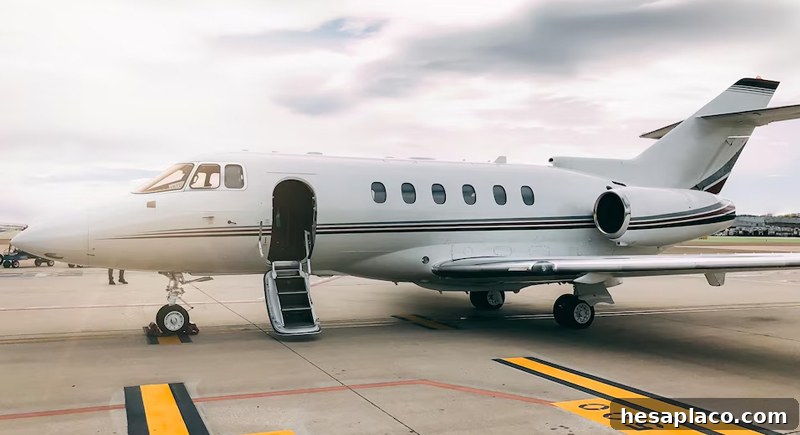
Private Jets
Credit: freepik
Private jets deliver convenience and privacy, but they also generate disproportionately high carbon emissions per passenger. Frequent short flights and private aviation contribute to climate change and air pollution, making the environmental cost of this convenience a global concern.
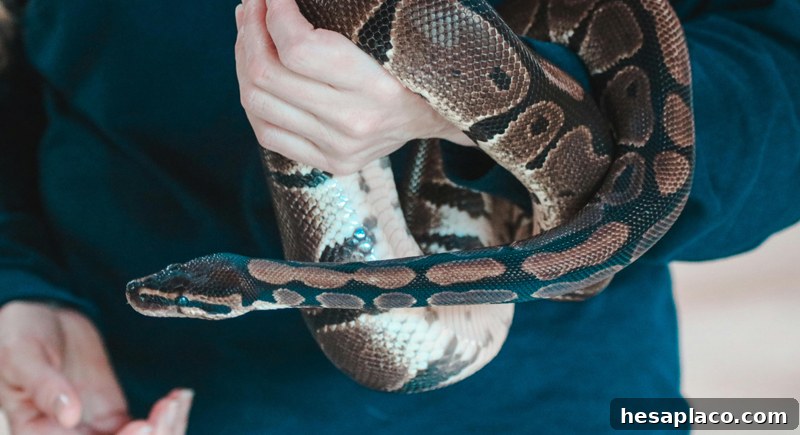
Exotic Pets
Credit: pexels
Keeping exotic animals as pets fuels demand that can undermine conservation efforts. Illegal trafficking and unregulated trade threaten wild populations and biodiversity. What seems glamorous can push vulnerable species closer to extinction and disrupt fragile ecosystems.
Designer Clothes

Credit: freepik
High-end fashion often hides considerable environmental and social costs. Luxury garment production can involve resource-intensive processes, pollution, and unfair labor practices in supply chains. The prestige of designer labels can mask exploitation and environmental harm behind polished branding.
Exclusive Memberships

Credit: iStockphoto
Private clubs and gated amenities offer privacy and exclusivity, but they can strain local resources and limit public access. Golf courses, private parks, and similar facilities often require large amounts of water and land, sometimes causing environmental degradation and reducing community access to green space.
High-End Electronics

Credit: freepik
Regularly upgrading expensive gadgets contributes to growing volumes of electronic waste. Manufacturing and disposing of high-end devices consume raw materials and generate toxic waste, harming ecosystems and human health. Responsible consumption and recycling are important to reduce these impacts.
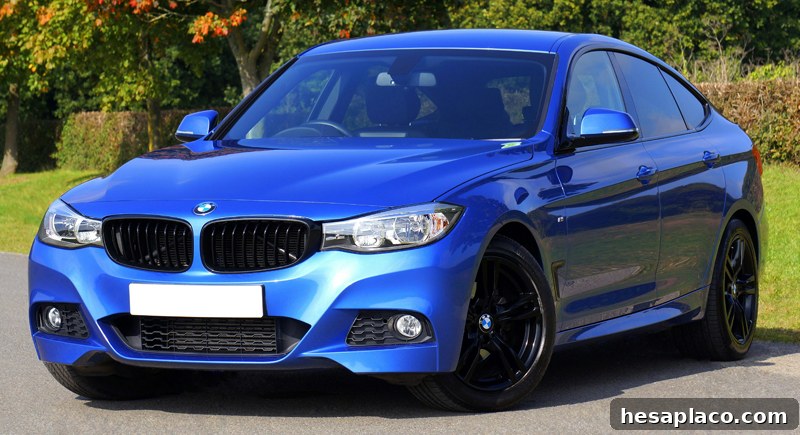
Luxury Cars
Credit: pexels
Luxury vehicles often emphasize power and comfort over efficiency, resulting in higher fuel consumption and emissions. This contributes to air pollution and climate change, and highlights disparities in resource use between affluent consumers and the broader population.
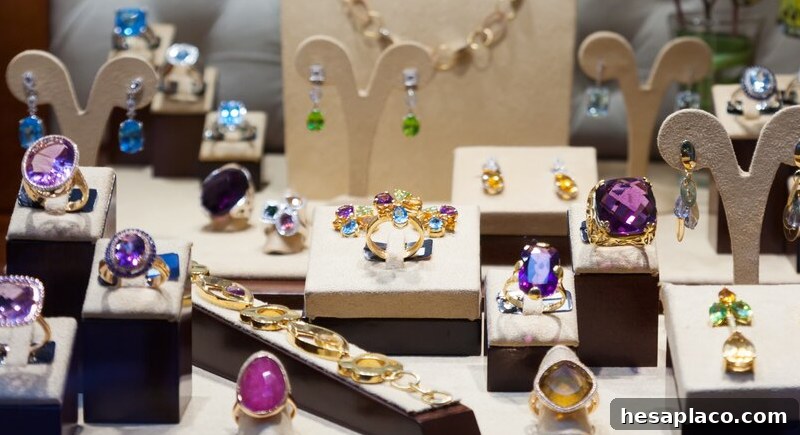
Expensive Jewelry
Credit: freepik
Mining for diamonds and other precious gems can cause severe environmental damage and sometimes involves human rights abuses. The desire for rare stones can lead to habitat destruction, pollution, and exploitative labor practices. Ethical sourcing and alternative materials can help mitigate those harms.
Private Islands
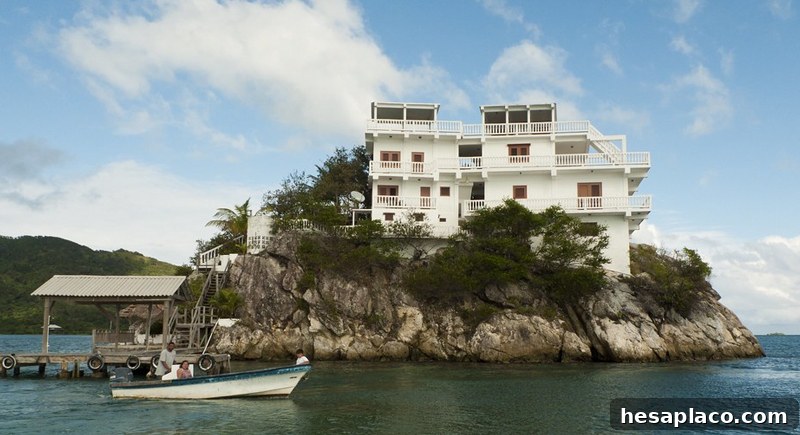
Credit: flickr
Developing private islands can severely disrupt coastal and marine ecosystems. Construction, landscaping, and ongoing maintenance may destroy habitats, alter water flows, and threaten local wildlife. What appears as a secluded paradise can become a source of long-term ecological damage.
Fine Dining

Credit: freepik
Gourmet restaurants and rare ingredients can put pressure on fragile ecosystems and local communities. Overfishing, overharvesting, and unsustainable sourcing practices support luxury menus at the expense of biodiversity and traditional livelihoods. Choosing sustainable sourcing helps protect those resources.
Luxury Travel

Credit: pexels
First-class flights, private yachts, and extravagant vacations generate significant carbon footprints and local environmental pressures. Tourism development aimed at affluent travelers can strain infrastructure, water supplies, and natural habitats in destination communities. Sustainable travel practices offer alternatives that reduce harm.
Personal Staff

Credit: freepik
Hiring full-time personal staff—assistants, chefs, cleaners—can create power imbalances and labor concerns. Long hours, low wages, and limited protections are common in informal employment arrangements, underscoring broader issues of inequality and worker rights.
High-End Real Estate
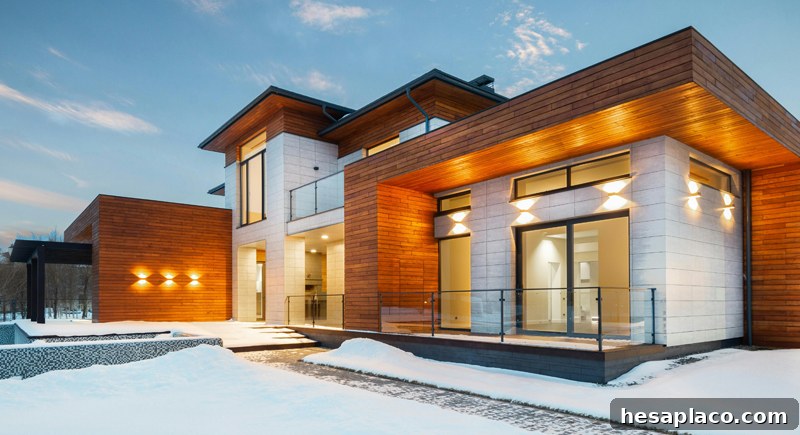
Credit: pexels
Large estates and luxury properties require significant water, energy, and land resources. Their development can drive up local housing costs and displace communities while increasing overall resource consumption. Smaller, energy-efficient homes and equitable urban planning help reduce these pressures.
Expensive Art Collections

Credit: flickr
While collecting high-value art preserves cultural objects, the private acquisition of important works can limit public access and cultural education. When masterpieces are held in private collections, communities miss out on shared cultural enrichment. Public exhibitions and loans can help bridge that divide.
Elite Education

Credit: freepik
Prestigious schools and private institutions offer excellent opportunities but often remain out of reach for most families. The high cost of elite education reinforces social stratification and limits broader access to opportunity. Expanding affordable, high-quality education is vital for a fairer society.
Expensive Wellness Treatments
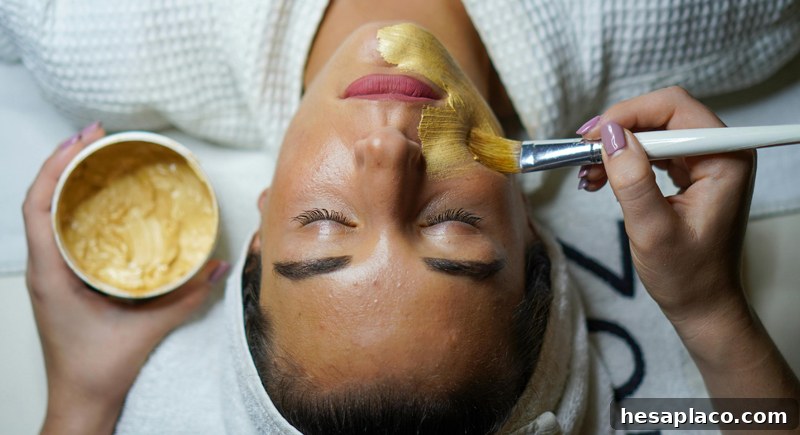
Credit: pexels
High-cost wellness services—luxury spas, personalized health retreats, and exclusive therapies—can promote well-being but remain inaccessible to many. This gap highlights inequality in health-promoting resources. Broader availability of affordable wellness options would support public health and reduce disparities.
Luxury living creates clear benefits for those who can afford it, but it also imposes hidden costs on society and the environment. Recognizing these impacts can encourage more responsible choices—whether through ethical consumption, sustainable travel, fair labor practices, or advocacy for equitable access to resources. Small shifts in demand and policy can help reduce the broader harms of extravagant lifestyles while preserving the things we value most.