You work hard and build a fortune — then what? Many people automatically picture passing wealth down to their children, but some of the world’s richest choose a different path. Instead of leaving vast sums to heirs, these prominent figures favor philanthropy, purposeful spending, or limiting inheritances to encourage independence. Below is a look at notable individuals who decided not to pass their full fortunes directly to their children, and the motivations behind their choices.
Mark Zuckerberg
Credit: Wikimedia Commons
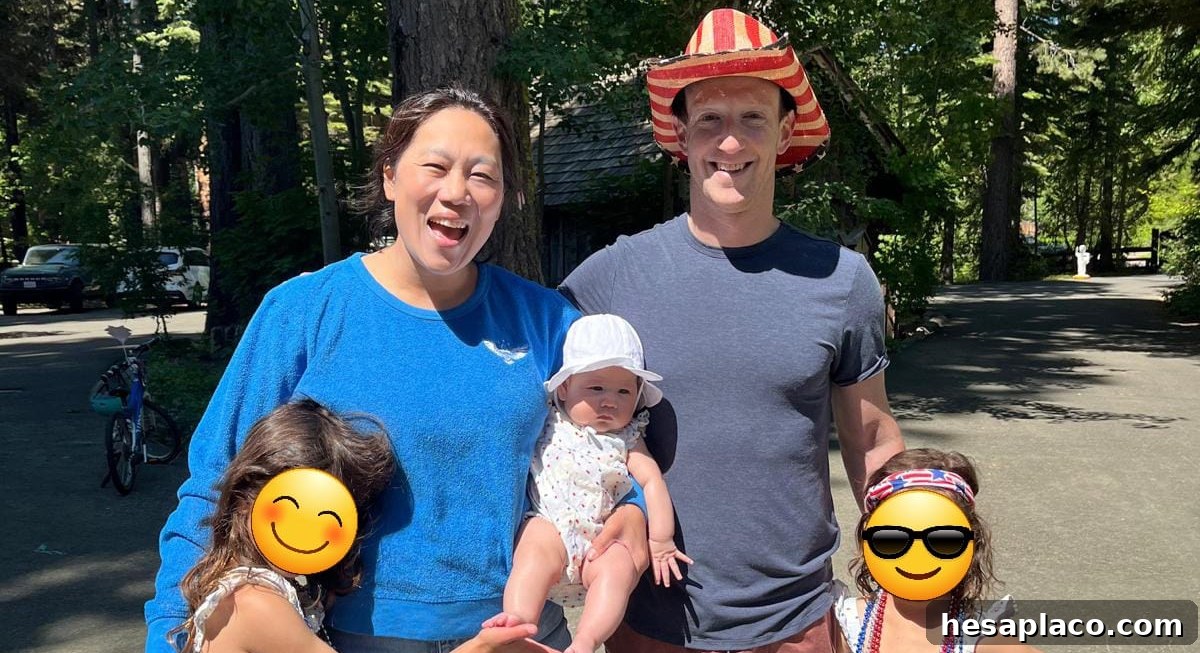
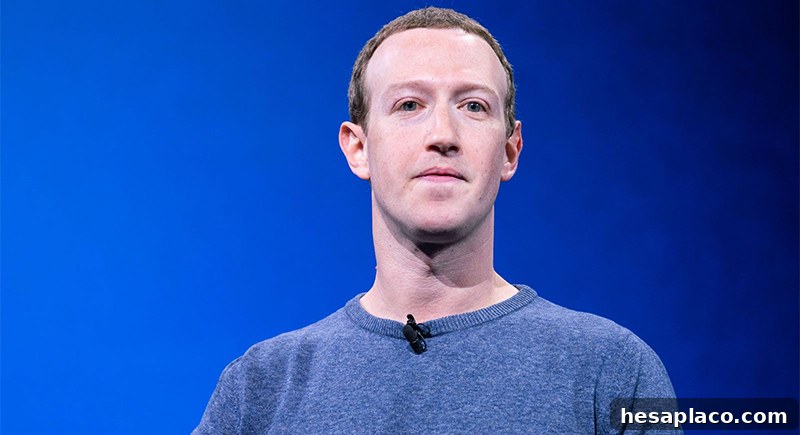
Mark Zuckerberg and Priscilla Chan have been explicit about their financial priorities: rather than leaving an enormous inheritance to their daughters, Maxima, August, and Aurelia, they committed the bulk of their resources to the Chan Zuckerberg Initiative. The couple channels billions into medical research, education, and technology projects intended to address systemic problems and improve lives across the globe.
Jackie Chan
Credit: Wikimedia Commons
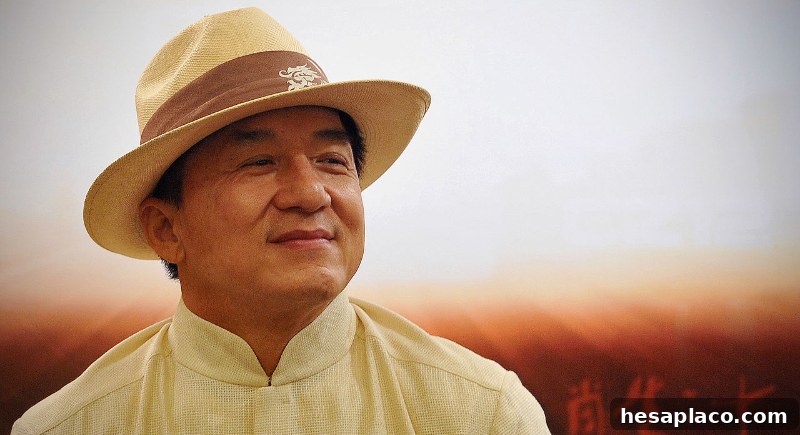
Jackie Chan has publicly stated that his son Jaycee will not inherit his fortune. Chan worries that unearned wealth can foster complacency, so he directs much of his money toward education, medical aid, and scholarships through his foundation, seeking to create lasting social benefit rather than guarantee personal luxury for his family.
Nigella Lawson
Credit: Facebook
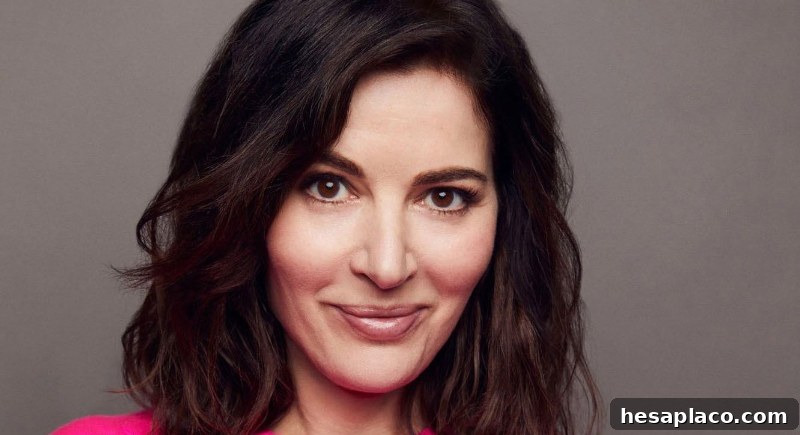
Nigella Lawson grew up surrounded by wealth but has said she won’t be handing unlimited financial security to her children. A successful author and broadcaster, she prefers that her children learn independence and self-reliance rather than inherit a life of guaranteed comfort.
George Lucas
Credit: Wikimedia Commons
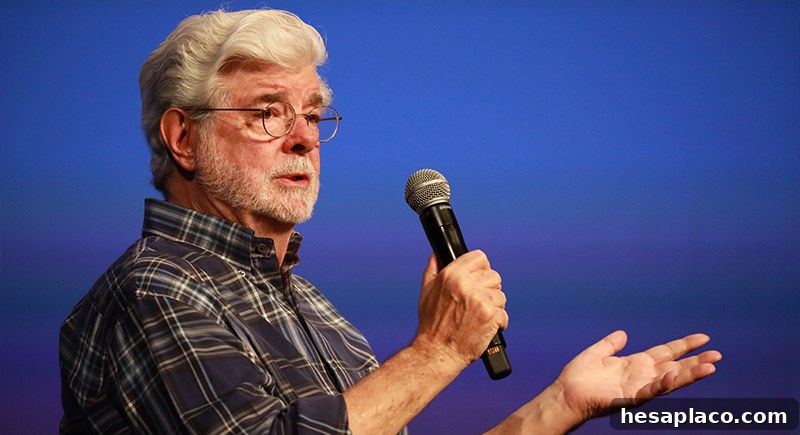
After stepping back from filmmaking, George Lucas focused much of his attention on philanthropy. As a participant in the Giving Pledge, he committed to donating a substantial portion of his wealth. Lucas has said that his children should build lives of purpose, and that the bulk of his fortune should be used to support causes that extend beyond his own family.
Simon Cowell
Credit: Instagram
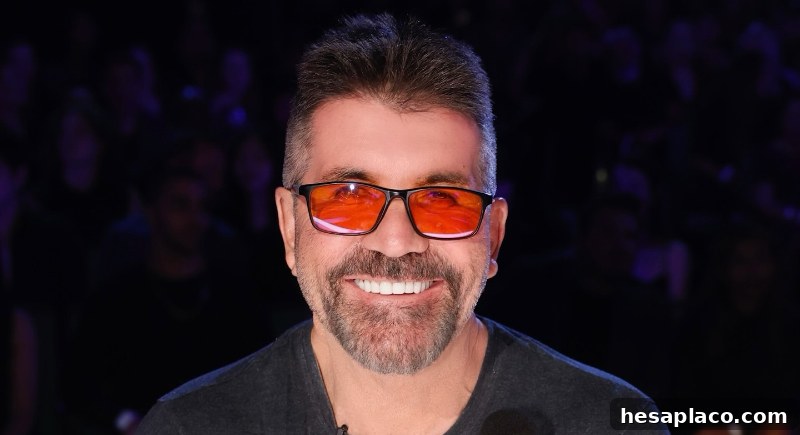
Simon Cowell has been vocal about his choice to direct his wealth toward charitable causes rather than leave it all to his son, Eric. Believing that money can blunt ambition, Cowell prefers that his child develop purpose and drive through achievement rather than relying on inherited wealth.
Philip Seymour Hoffman

Credit: Wikimedia Commons
Philip Seymour Hoffman carried a philosophy of hard work and resilience into his estate planning. He chose not to make his children direct heirs of his fortune, entrusting their financial well‑being to their mother while believing that removing a financial safety net would encourage them to develop independence and personal strength.
Elton John

Credit: Wikimedia Commons
Although Elton John and David Furnish provide a comfortable life for their sons Elijah and Zachary, Elton has said he does not intend to pass his entire fortune to them. He believes that a large inheritance can dampen ambition, so only a modest amount will be set aside for family while the remainder supports charitable causes aligned with his lifelong advocacy.
Warren Buffett
Credit: Wikimedia Commons
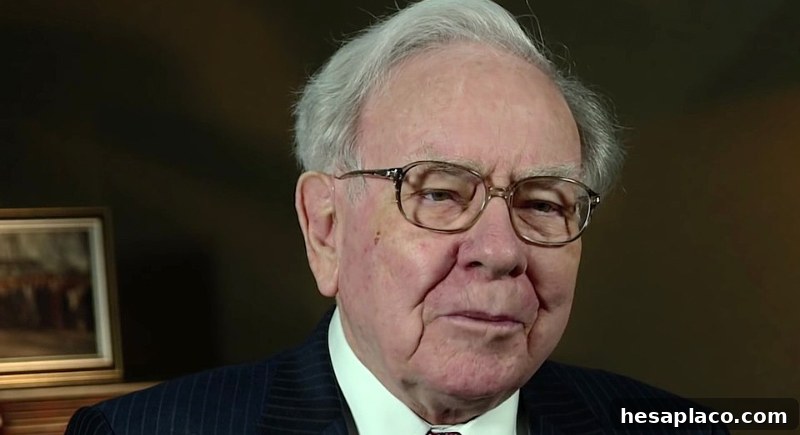
Warren Buffett famously summarized his stance on inheritance by saying children should have “enough to do something, but not enough to do nothing.” He has arranged his estate so that the vast majority of his wealth funds philanthropic initiatives rather than becoming direct inheritances, reflecting his belief that wealth can do more good when applied to broader social challenges.
Bill Gates
Credit: Instagram
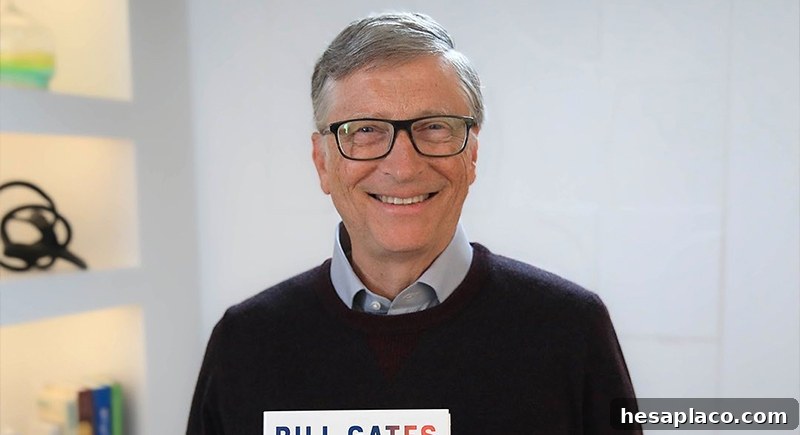
Bill Gates has directed much of his fortune toward global public health, education, and technology access through the Bill & Melinda Gates Foundation. Rather than leaving a vast inheritance, Gates emphasizes providing opportunity and support while dedicating the bulk of his resources to tackling worldwide challenges and improving lives at scale.
James Brown
Credit: Wikimedia Commons
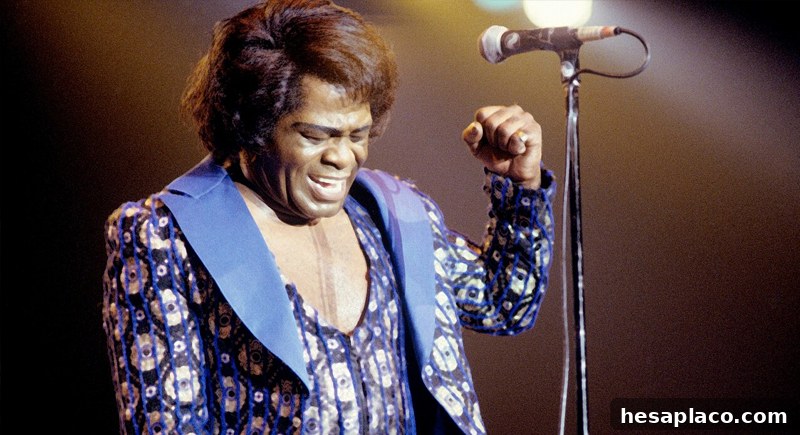
James Brown designated most of his roughly $100 million estate for charitable purposes, with the aim of funding scholarships for disadvantaged youth in South Carolina and Georgia. His estate plan led to prolonged legal disputes, but courts eventually enforced his wishes and the funds were directed toward the intended educational programs.
Joan Crawford

Credit: Wikimedia Commons
Joan Crawford sparked controversy by deliberately excluding two of her four children from her will. The unequal distribution generated public debate and speculation for years, and remains one of Hollywood’s most notorious estate disputes. The decision highlights how personal beliefs and family dynamics can shape inheritance choices.
Andrew Lloyd Webber
Credit: Wikimedia Commons
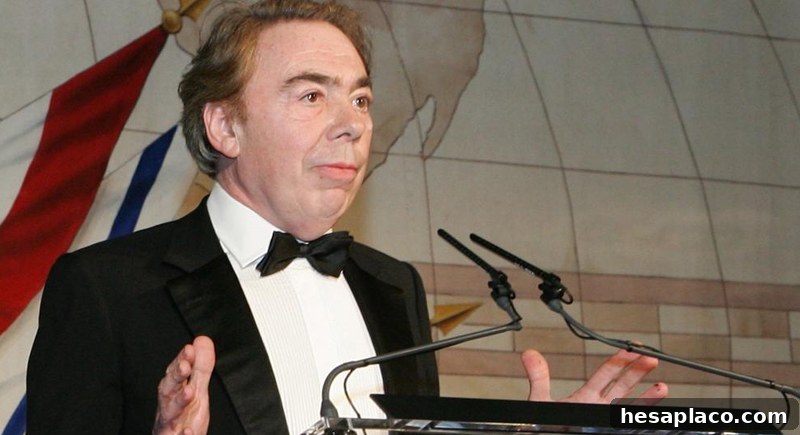
Andrew Lloyd Webber has expressed the view that giving children unearned wealth removes their incentive to work. With an estate valued at over $1 billion, he has directed significant resources toward scholarships and music programs that nurture emerging talent, preferring to invest in the next generation’s opportunities rather than transfer vast personal wealth directly to his heirs.
Ted Turner
Credit: Wikimedia Commons
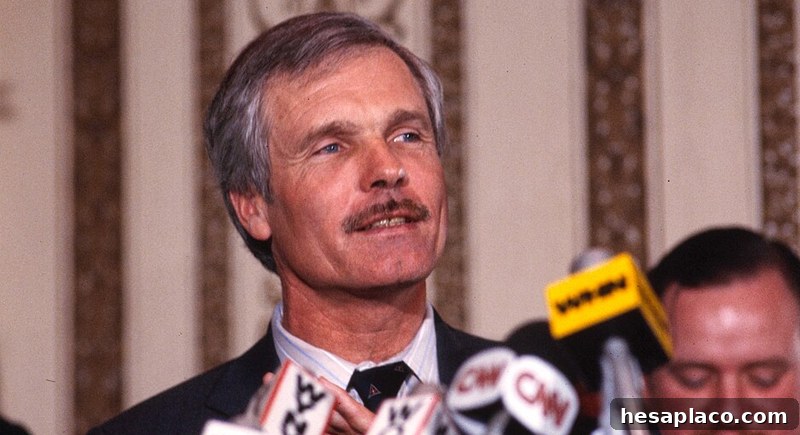
Ted Turner has committed much of his estimated $2.2 billion fortune to long‑term environmental and humanitarian causes. A signatory of the Giving Pledge, Turner has emphasized setting goals that endure beyond any single lifetime, using his wealth to support conservation, peace, and global aid initiatives.
Ashton Kutcher and Mila Kunis

Credit: Instagram
Ashton Kutcher and Mila Kunis have said they will not establish large trust funds for their children, Wyatt and Dimitri. They prefer to use their resources to support causes outside the family while ensuring their kids understand the value of personal effort and achievement rather than relying on inherited wealth.
Daniel Craig

Credit: Wikimedia Commons
Daniel Craig has described inheritances as “distasteful” and plans to give away or spend much of his money during his lifetime. He believes each generation should create its own opportunities and achievements rather than relying on the previous generation’s wealth, a stance that informs his approach to estate planning.
These choices reflect a broader conversation about wealth, purpose, and responsibility. For many wealthy individuals, the decision to limit inheritances is driven by a desire to foster independence, preserve ambition, or direct resources toward causes that produce lasting social impact. Whether through foundations, scholarships, or public philanthropy, these figures illustrate alternative ways to use accumulated wealth beyond simply bequeathing it to descendants.