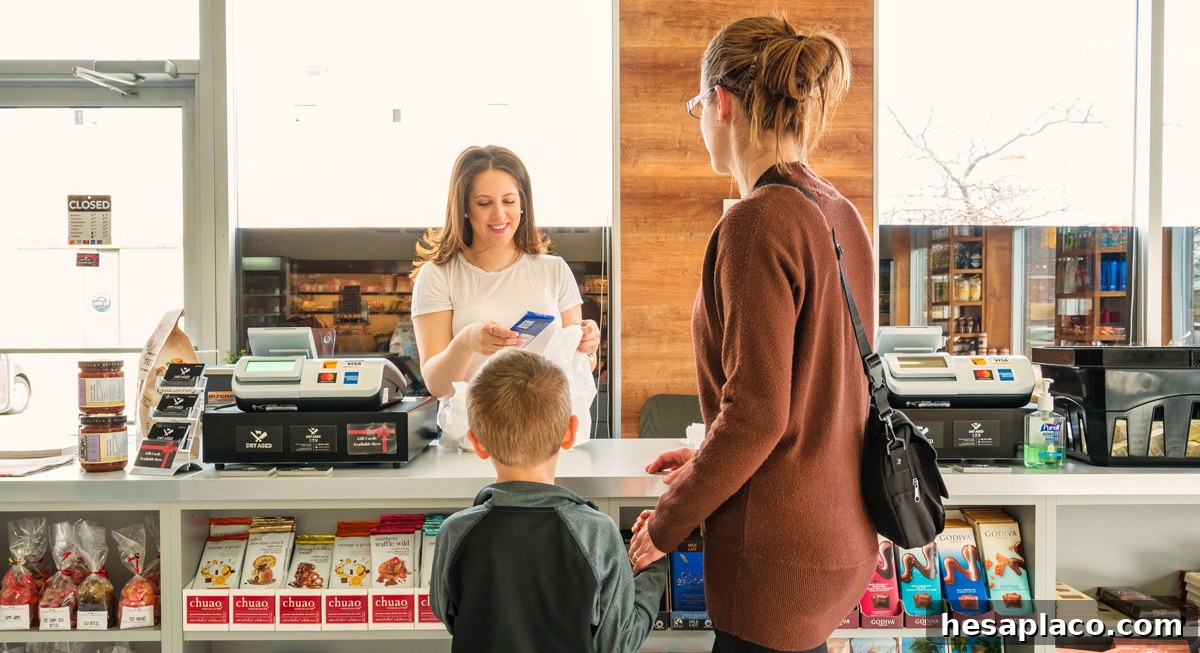
A quick run to the store often seems straightforward: grab shampoo, maybe pick up a snack, and head out. But modern retailers have turned shopping into a subtle psychological exercise. Store layouts, pricing tactics and online displays are carefully designed to influence your choices and increase spending. These techniques aren’t new, but they’ve become more sophisticated and harder to spot. Here’s a clear look at the methods retailers use to influence purchasing behavior.
The Countdown Clock That Never Ends
Credit: Canva
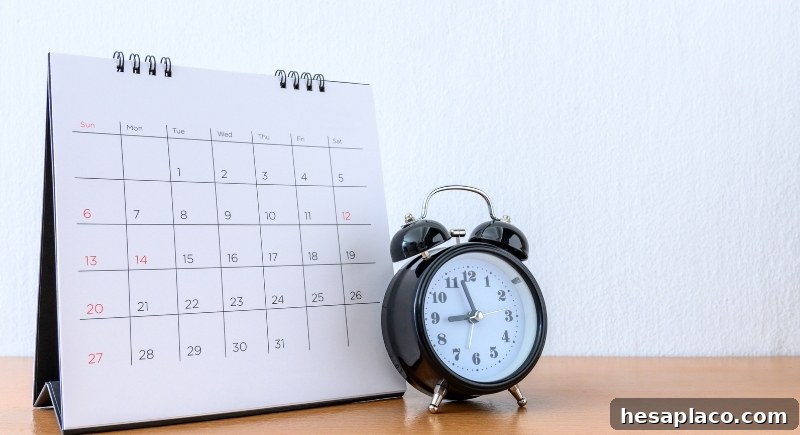
A ticking timer creates a sense of urgency, implying the deal will disappear imminently. Often, though, the timer simply loops. Investigations have found many countdowns reset without any real price change. The objective isn’t a true deadline but psychological pressure: the clock pushes shoppers to decide faster than they otherwise would.
Bigger Carts, Bigger Bills
Credit: Canva
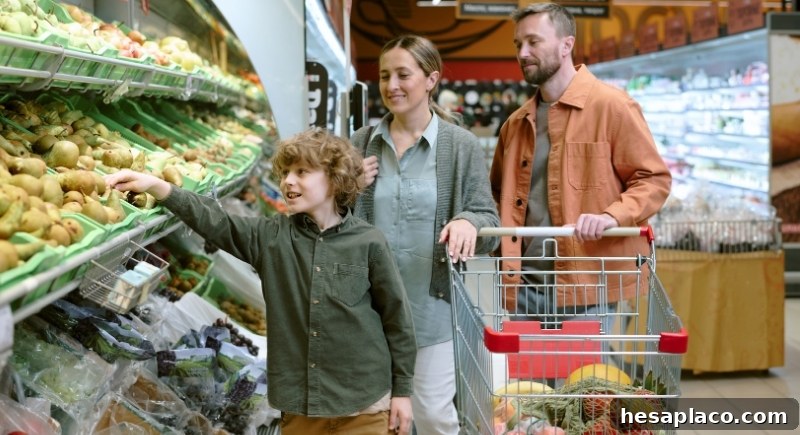
Shopping carts and baskets have grown in size over the years for a reason. Retail designers know that giving customers more space tends to increase spending. A half-full large cart makes purchases feel smaller, encouraging shoppers to add more items before checking out.
Prices That End in .99 Still Fool Us
Credit: iStockphoto
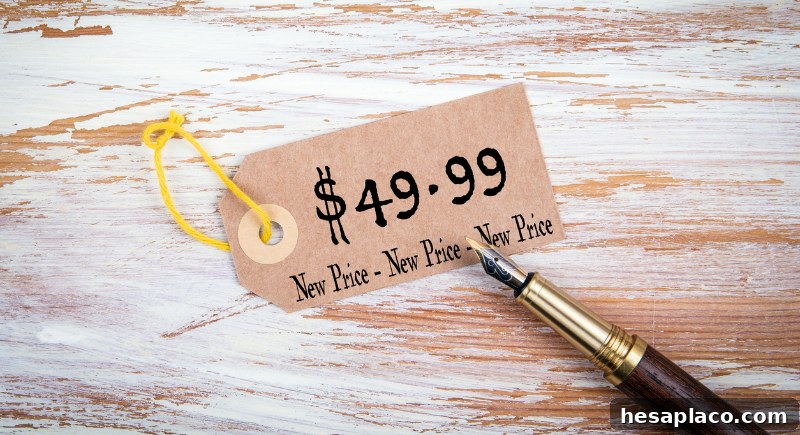
Presents like $19.99 register in our minds as notably cheaper than $20, despite the negligible difference. This left-digit effect causes shoppers to focus on the first digit, making the price feel lower. Similarly, removing commas from larger prices (for example, displaying $1999 instead of $2,000) can reduce perceived cost and make expensive items seem more affordable.
That “Sale” Might Be the Everyday Price
Credit: Canva
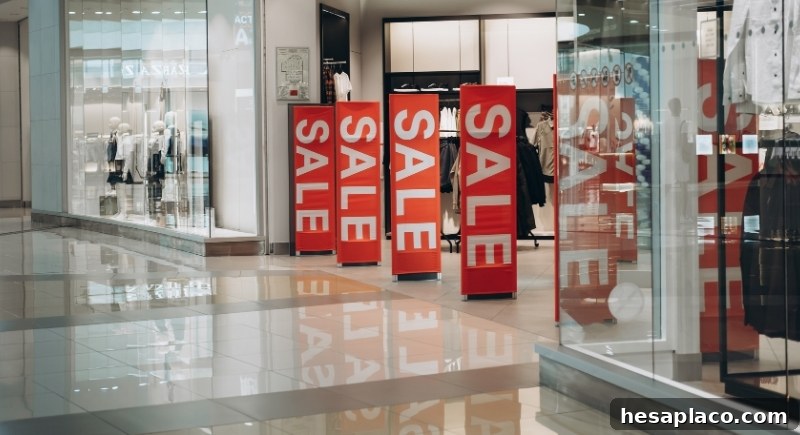
Frequent “sale” tags can be misleading. Long-term price monitoring by consumer organizations has shown that many retailers keep the same sale prices continuously. Labeling regular prices as discounts provides the emotional reward of saving without delivering significant value.
Only 2 Left… Supposedly
Credit: iStockphoto
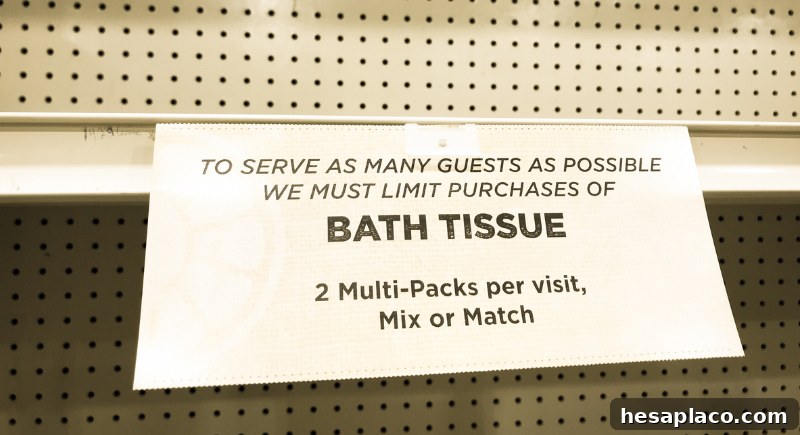
Low-stock warnings — like “Only 3 left” or “20 people are viewing this” — are crafted to spark urgency. They tap into fear of missing out and often prompt quick, unconsidered purchases. In many cases the scarcity is exaggerated or temporary; the tactic exists to push customers to buy now rather than pause and evaluate.
BOGO’s Hidden Trap
Credit: iStockphoto
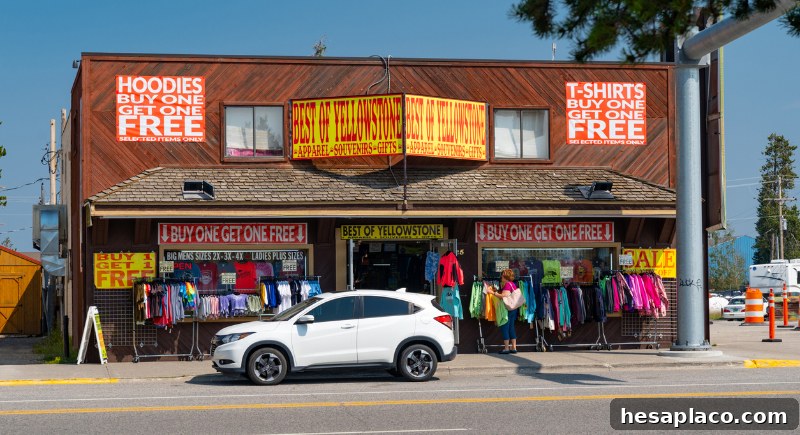
Buy-one-get-one offers feel generous and can convince you to purchase more than you intended. Retailers commonly apply BOGO deals to perishables, cosmetics, or items likely to go unused, turning an appealing offer into increased overall spending for items you don’t truly need.
Buy Now, Pay Later—Spend More Without Noticing
Credit: Canva
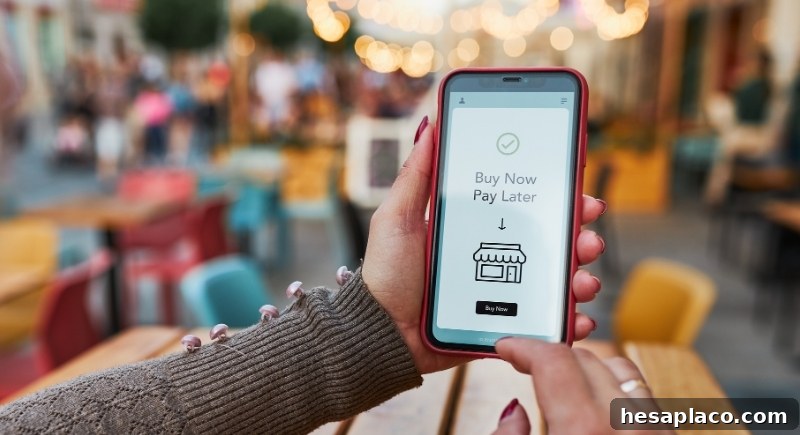
Installment plans and “buy now, pay later” options break a purchase into manageable chunks, which can make expensive items feel affordable. That mental simplification often leads to more impulse buys and underestimation of the total cost. Studies and industry admissions have shown that available installments increase the likelihood of unplanned purchases.
Store Layouts That Steer You on Purpose

Credit: Canva
Supermarkets and many physical stores arrange products to guide shopper behavior. Fresh produce and flowers are often placed near the entrance to create a pleasant, healthy impression. Starting with those positive choices makes customers more likely to justify indulgent purchases later on. Layout, sightlines and product placement are all used to nudge decision paths through the store.
Free Shipping… With a Catch
Credit: Getty Images
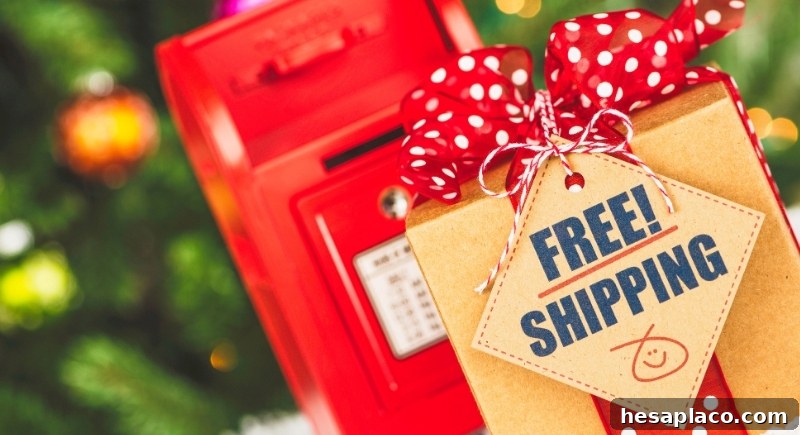
Free shipping thresholds are a common tactic to increase cart values. By offering free shipping over a certain total — for example, $50 — retailers encourage shoppers to add a small extra item to qualify. Often the added purchase costs more than the shipping would have, but the psychological benefit of “saving” nudges shoppers to spend more.
Loyalty Cards That Nudge Extra Spending

Credit: Getty Images
Store loyalty programs make savings feel personalized by highlighting exclusive discounts and member-only offers. While some promotions are genuinely beneficial, many loyalty prices match standard prices elsewhere. The perception of being rewarded, however, can encourage customers to shop more frequently and buy items they might not otherwise select.
Recognizing these tactics makes you a more informed shopper. Simple habits—making a list, comparing prices, pausing before purchases, and checking past price history—can help counter subtle nudges and protect your budget. Shopping deliberately, rather than reactively, reduces the chance that these psychological tricks will shape your spending.