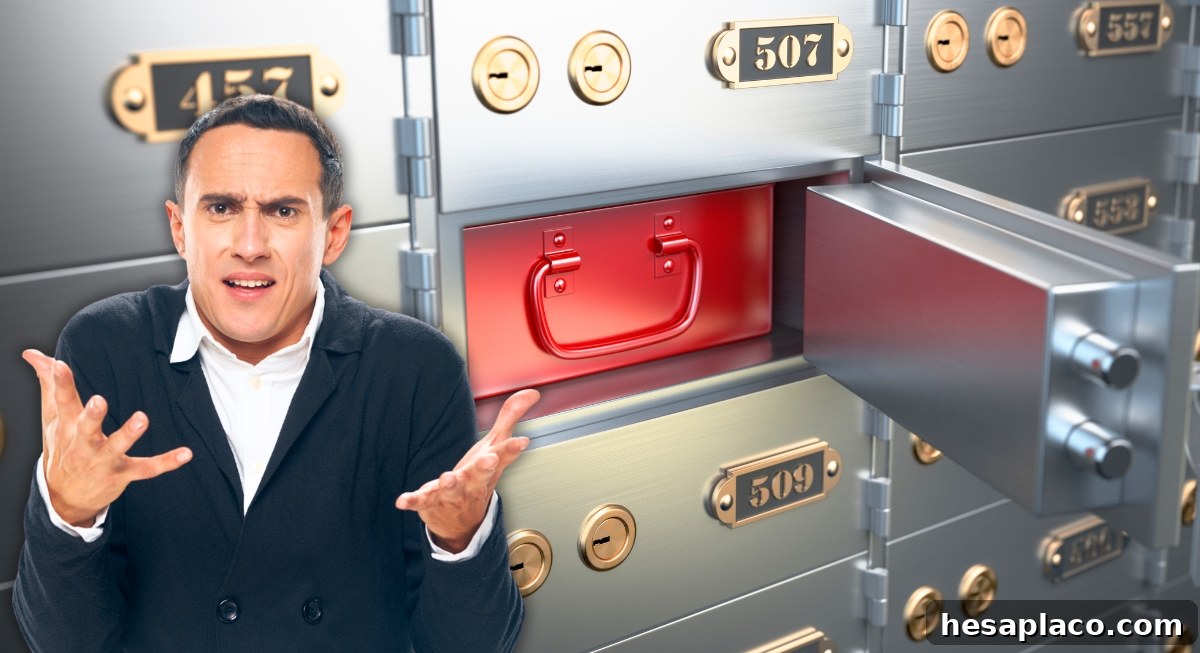
Safe deposit boxes seem like an ideal place to protect valuables and important documents: secure, climate-controlled, and tucked behind bank security. Yet for heirs and executors handling an estate, that locked metal drawer can become a major obstacle. What was meant to safeguard possessions can instead delay access, create legal hurdles, and even cause financial loss. Below are common problems families face when critical items are stored in safe deposit boxes—and practical steps to reduce the risks.
Original Wills Locked Away
Credit: iStockphoto
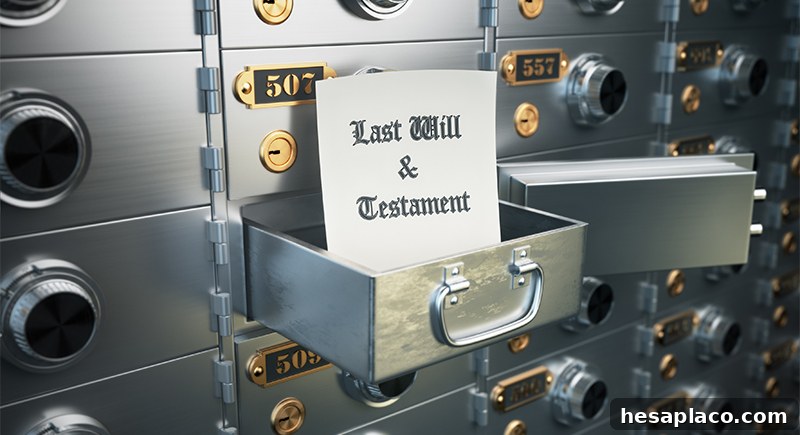
When a box owner dies, banks typically seal the box and will not allow access until courts authorize it. If the original will is inside, probate can stall because courts often need the original document to proceed. In some states an executor must obtain a court order just to inspect the box, adding time and legal expense.
Power of Attorney Documents Out of Reach
Credit: Canva
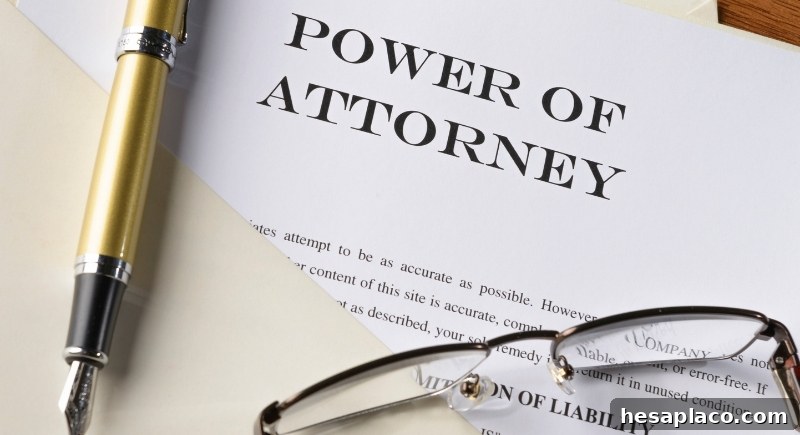
A durable power of attorney is meant to allow a trusted agent to act on someone’s behalf, but if the document is left in a safe deposit box only the owner can open, the agent can’t begin. This can freeze banking and legal actions when they’re needed most.
Final Letters of Instruction Left Unread

Credit: iStockphoto
Letters detailing funeral preferences, memorial plans, or wishes for personal items can be meaningless if they remain sealed in a box. Sharing copies with family members or keeping them alongside the will in a location accessible to the executor improves the odds your wishes are followed.
Cash That’s Inaccessible and Uninsured
Credit: Getty Images
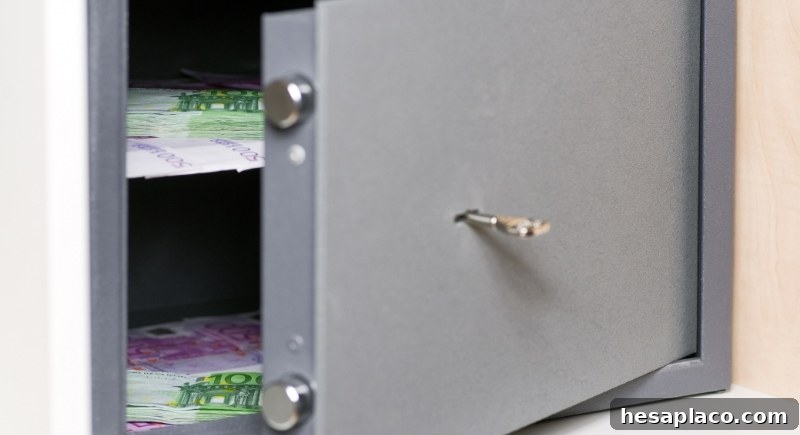
Many banks prohibit storing cash in safe deposit boxes, and even when cash is kept there it’s not covered by FDIC insurance. If cash is lost to theft, fire, or flooding, heirs may receive no reimbursement. Additionally, cash locked in a sealed box can’t be used to pay urgent bills or funeral expenses.
Uninsured Valuables at Risk
Credit: Canva
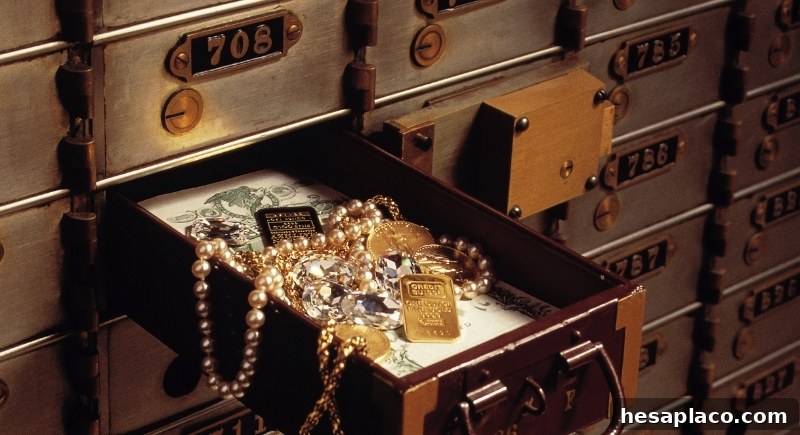
Jewelry, collectible coins, and watches stored in a box are typically not insured by the bank. If those items are stolen or damaged, heirs may have no recourse unless separate insurance was purchased. Keeping an inventory and insuring high-value items protects beneficiaries against loss.
Medical Directives Locked Away During Crises

Credit: iStockphoto
Living wills and health care proxies direct critical medical decisions. If the original directives are inaccessible during a medical emergency, medical teams will follow default protocols. To avoid this, give copies to your health care providers and trusted family members rather than storing the only copy in a bank box.
Natural Disasters Can Cut Off Access
Credit: pixabay
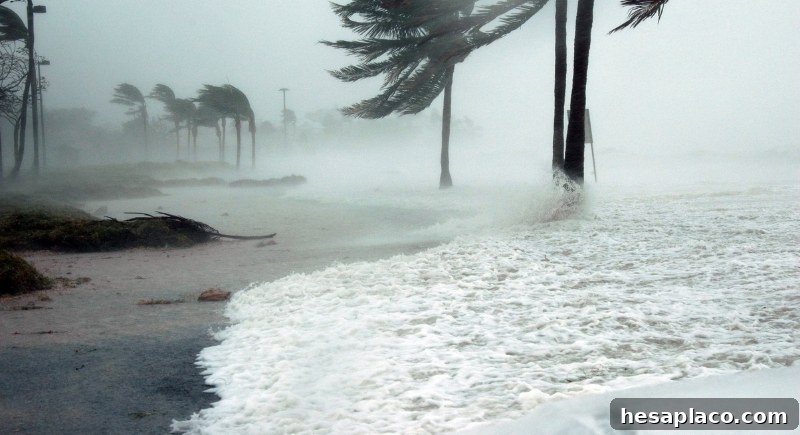
Hurricanes, floods, and earthquakes can close bank branches for days or weeks, and vaults may suffer damage in severe events. If important documents—like insurance policies needed to file claims—are stored in a sealed box, families may be unable to begin recovery efforts until the branch reopens or repairs are finished.
No Inflation Protection for Stored Cash

Credit: Getty Images
Cash sitting in a safe deposit box does not earn interest and loses purchasing power over time due to inflation. Placing funds in interest-bearing accounts or investments preserves and can grow value, whereas storing physical currency in a box effectively reduces its long-term worth.
Lost or Forgotten Keys Create Extra Costs
Credit: Getty Images
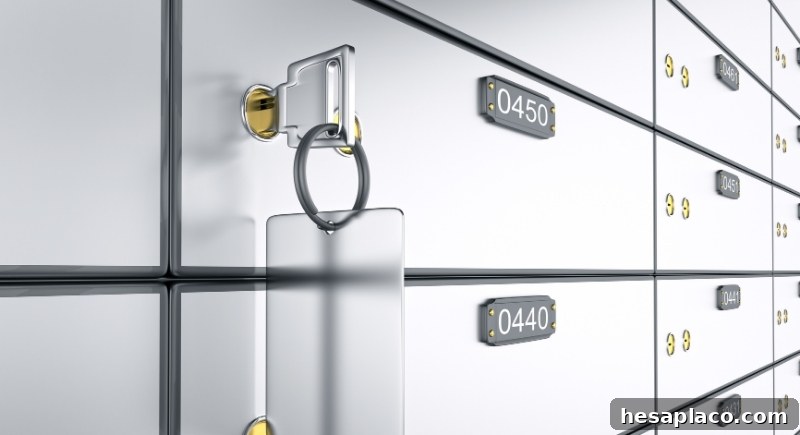
If heirs don’t know where the key is or even that a box exists, banks may require drilling and locksmith services to open it—often with fees that add up. Maintaining a secure record of the box location and key holder prevents unnecessary expense and delay.
Records Lost in Mergers or Errors

Credit: Getty Images
Branch closures, mergers, or administrative mistakes can disrupt safe deposit records. In rare instances boxes have been misplaced, emptied, or even mistakenly auctioned. Keeping an updated inventory, proof of ownership, and periodic checks reduces the chance of irretrievable loss.
Access Restricted to Authorized Signers
Credit: Getty Images
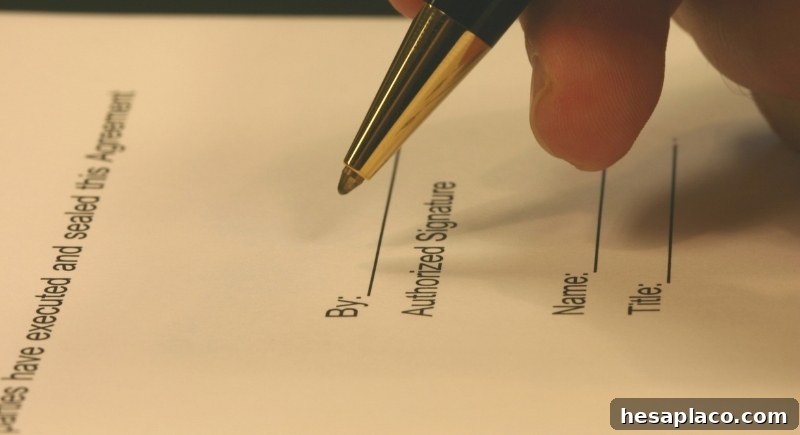
Not everyone named in a will automatically has the legal right to open a safe deposit box. Banks typically permit only authorized signers or court-appointed executors access. If the box isn’t documented in estate paperwork, heirs may need to pursue legal remedies to gain entry.
Ongoing Rental Fees After the Owner’s Death

Credit: Getty Images
If annual rental fees go unpaid, banks will eventually drill the box open and turn the contents over to the state’s unclaimed property office. Recovering items from that office is possible but often slow and frustrating. Setting up automatic payments or notifying the bank of the death and arranging access promptly avoids this outcome.
Passports Unavailable During Travel Emergencies
Credit: iStockphoto
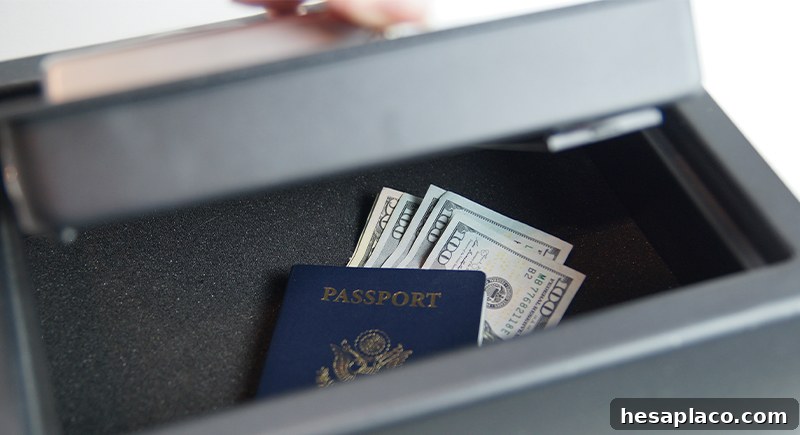
Emergencies related to travel don’t wait for bank hours. If a passport is locked in a safe deposit box, a traveler might miss flights or be unable to travel when time is critical. Storing passports in a secure, accessible place at home or keeping a certified copy available for emergencies reduces this risk.
Heirs Often Don’t Know What’s Inside
Credit: iStockphoto
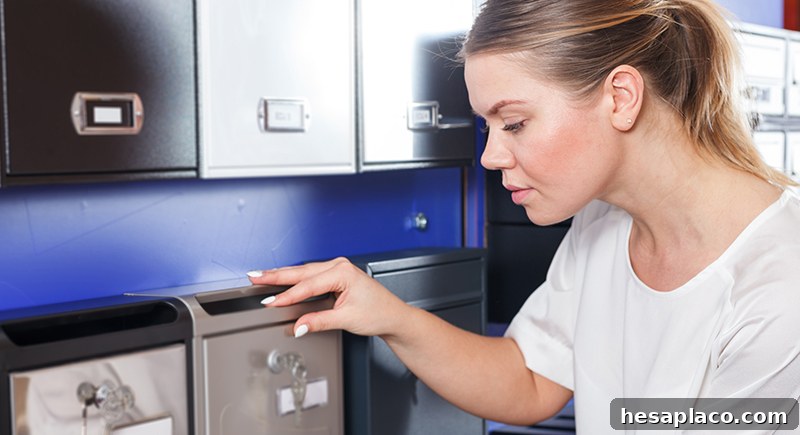
Families sometimes open a safe deposit box without any idea what it contains. It might hold valuable items—or only old, expired paperwork. That uncertainty prolongs estate settlement. A clear, up-to-date inventory stored in an obvious location helps heirs avoid needless delays and guesswork.
Perishable Items That Cause Damage

Credit: Getty Images
Although uncommon, some people store perishable goods—foodstuffs, seeds, or specialty items—in safe deposit boxes. Over time these can spoil, leak, or attract pests, damaging other contents and creating a cleanup problem for heirs. Avoid storing anything that can perish or degrade.
To minimize these problems, consider alternatives: keep originals of key documents with your attorney or executor, provide certified copies to trusted family members, purchase separate insurance for high-value items, keep an updated inventory in a known location, and ensure authorized individuals know where keys and documents are stored. These steps will make settling an estate faster, less costly, and far less stressful for the people left behind.