
Horrible bosses can drain your energy, extinguish enthusiasm, and even harm the economy. If you’re currently working for a bad boss—or have in the past—there’s a silver lining: research suggests people who’ve had poor managers are less likely to become bad bosses themselves. That doesn’t make the experience any easier, but sometimes a bit of humor and the reminder that you’re not alone can help. Below are some of the most outrageous, relatable, and occasionally amusing examples of terrible bosses, grouped by type.
The Boss Who Doesn’t Respect the Weekend
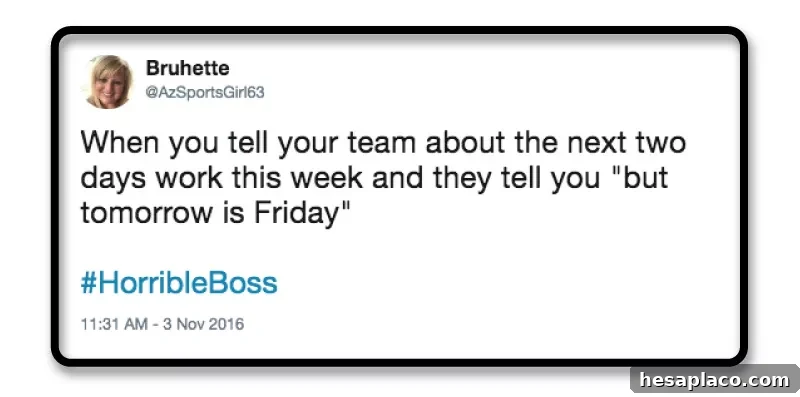
Weekends are for rest and recharging, not last-minute work demands. A leader who ignores boundaries about personal time quickly burns out their team.
The Accidental Boss
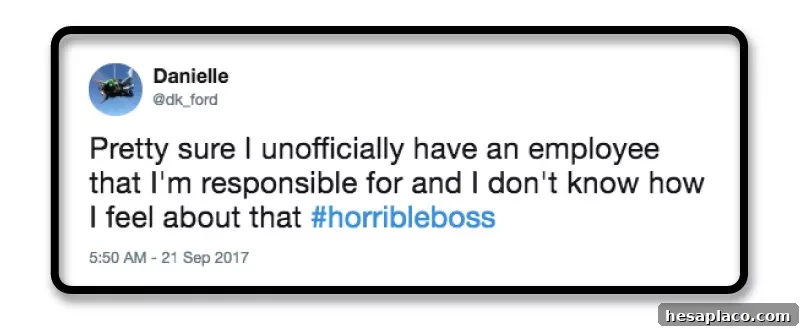
Some people end up in management without knowing what being a boss actually means. Without clarity, leadership becomes guesswork—and the team suffers.
The Boss With No Boundaries

It’s great to be friendly with colleagues, but when a manager crosses personal boundaries, it creates discomfort and confusion about professional expectations.
The Boss Who Blurs Lines

Getting too personal with staff can backfire. When relationships and work mix without clear lines, it often leads to complications—especially if the relationship ends.
The Boss With No Compassion
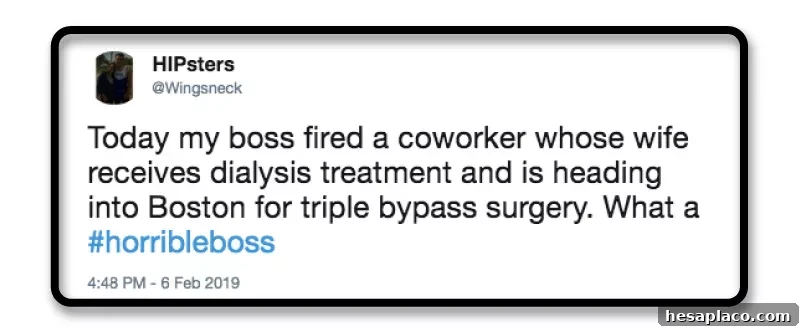
Leaders who show little empathy—firing someone amid personal hardship, for example—damage trust and morale across the organization.
The Humorless Boss
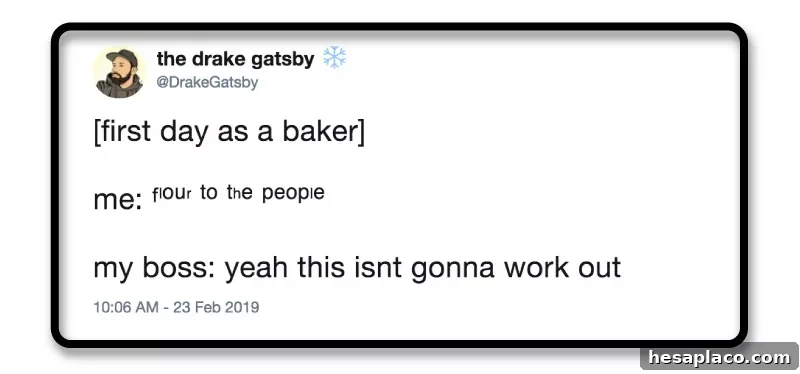
Workplaces need levity. A manager who never appreciates humor can create an overly tense, joyless environment—even when jokes are harmless and clever.
The Boss Who Doesn’t Walk the Walk
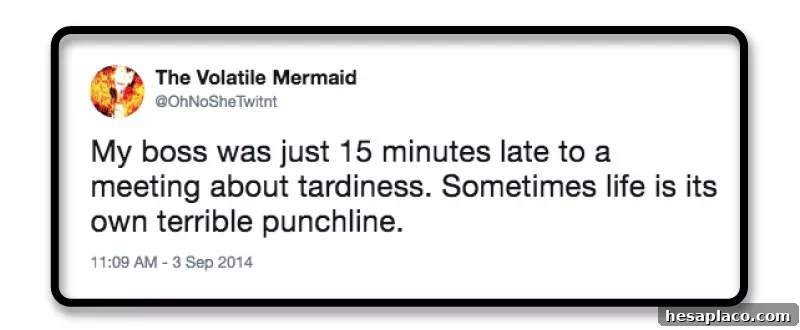
Expecting others to follow standards you don’t meet yourself undermines credibility. Good leaders model the behavior they ask of their team.
The Brutally Honest Boss
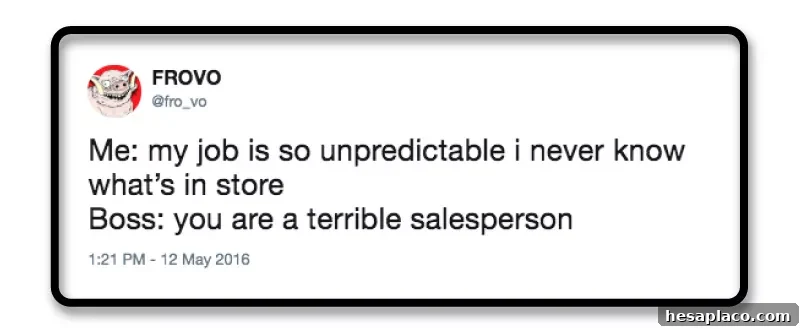
Direct communication is valuable, but unfiltered bluntness without tact can demoralize employees instead of motivating them.
The Boss Who Dishes It But Can’t Take It
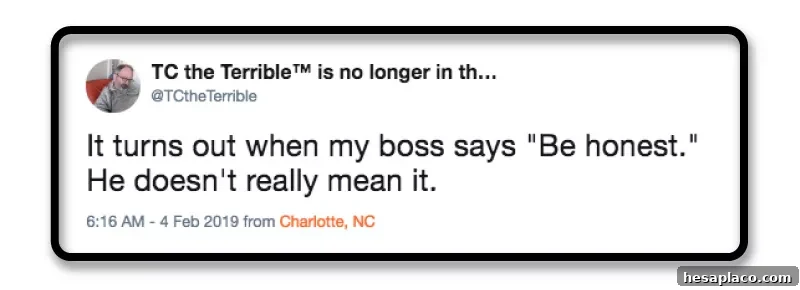
Managers who criticize freely but react poorly to feedback create a one-way culture where problems are swept under the rug.
The Boss Who Doesn’t Know What They’re Talking About
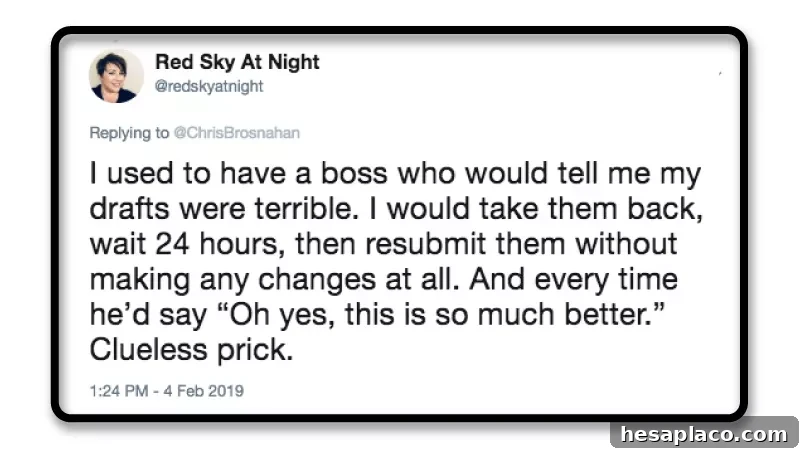
Perhaps the most frustrating situation is being directed by someone who lacks expertise. Calling them out is risky, so teams often endure inefficient or misguided decisions.
The Boss Who Doesn’t Share Information
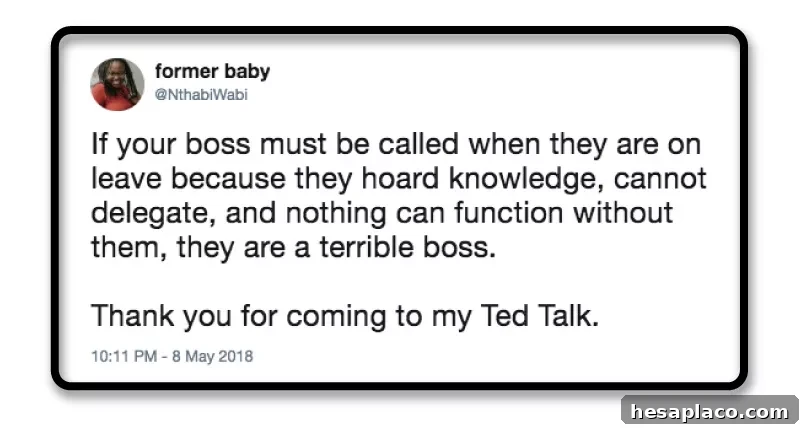
Withholding essential information prevents teams from working independently and effectively, trapping everyone in avoidable dependency on the manager.
The Boss Who Makes You Question Your Sanity
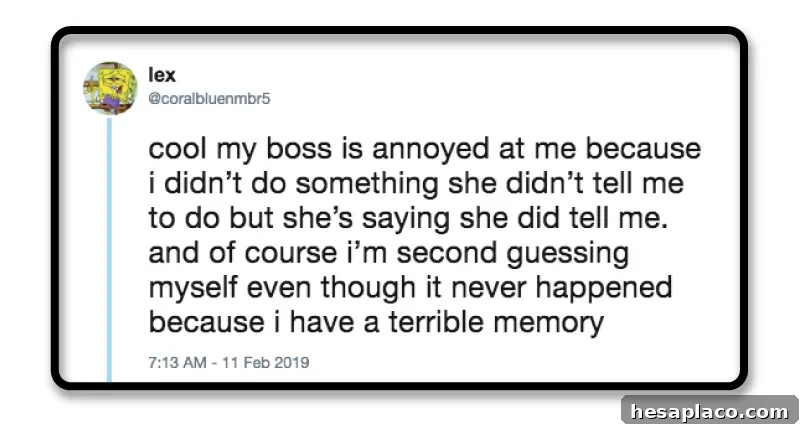
Being gaslit into believing you were told something when you weren’t is infuriating—and it undermines your confidence in doing your job.
The Passive-Aggressive Boss
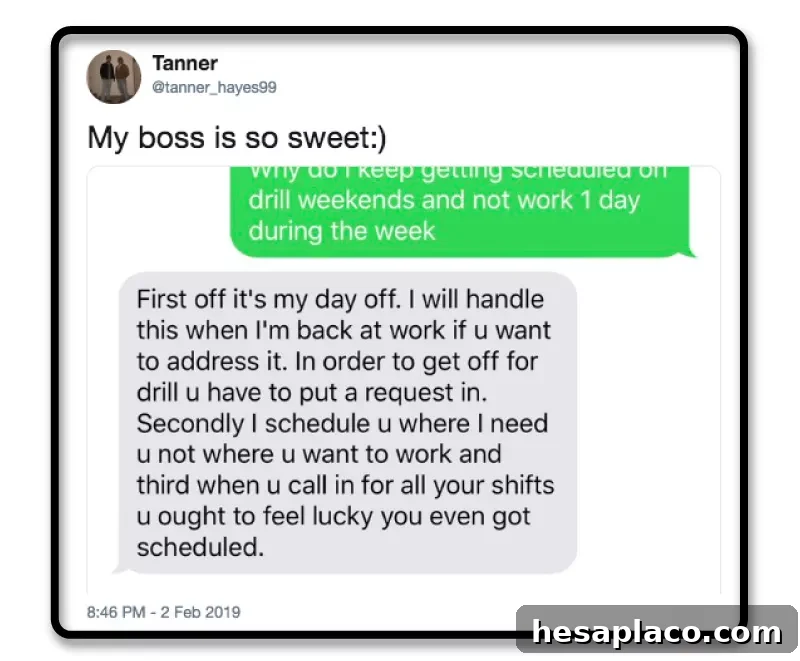
Passive-aggression corrodes workplace culture. Employees should feel respected, not pressured into gratitude or guilt.
The Farty Boss
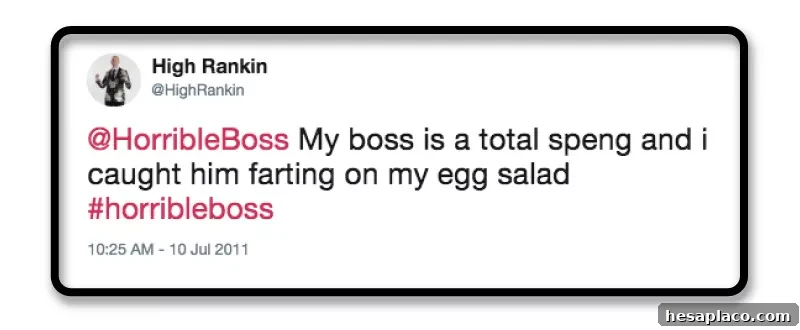
Even friendly bosses can be hard to work with when basic professional courtesy and hygiene are ignored.
The Boss Who Tries Too Hard to Be a Fun Boss
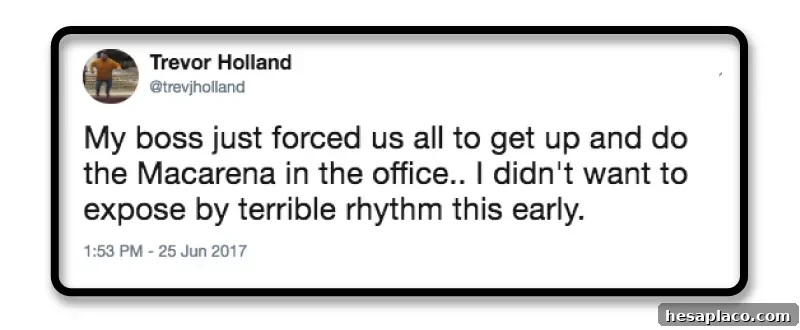
Trying to be “fun” is fine, but forced antics—like office dance routines at inappropriate times—often feel awkward and unprofessional.
The Boss Who Screws You Over
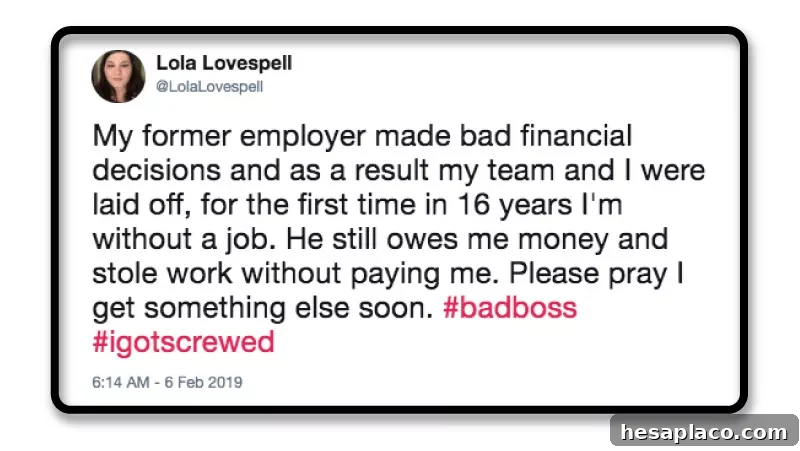
Leaders who prioritize company or personal gain at the expense of employees erode trust and loyalty.
The Boss With Double Standards

Favoritism and inconsistency in how rules are applied destroy credibility and breed resentment among staff.
The Callous Boss

Managers who pry into personal lives only to leverage that information for extra work betray employee trust and privacy.
The Worst Boss
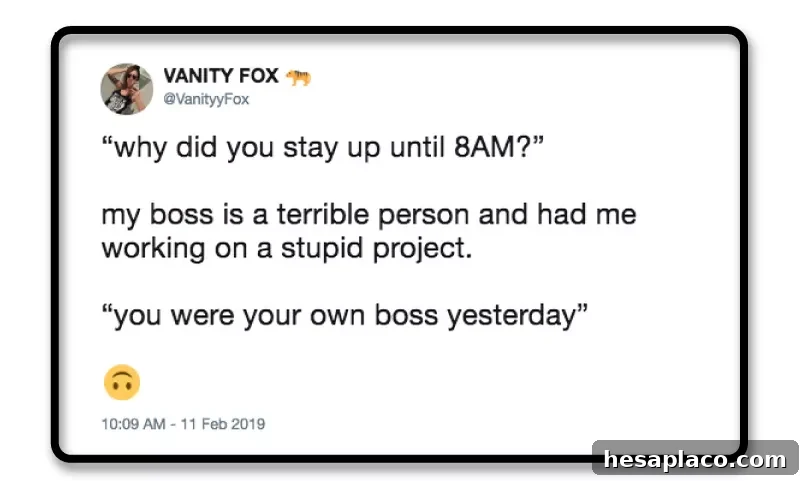
Sometimes the hardest obstacle is self-sabotage: being your own worst boss. A supportive manager—or the right external motivation—can significantly boost productivity.
The Old-Fashioned Boss

Old-school attitudes, like insisting on archaic remedies or dismissing modern medical advice, show a lack of understanding and care for employees’ well-being.
The Cryptic Boss
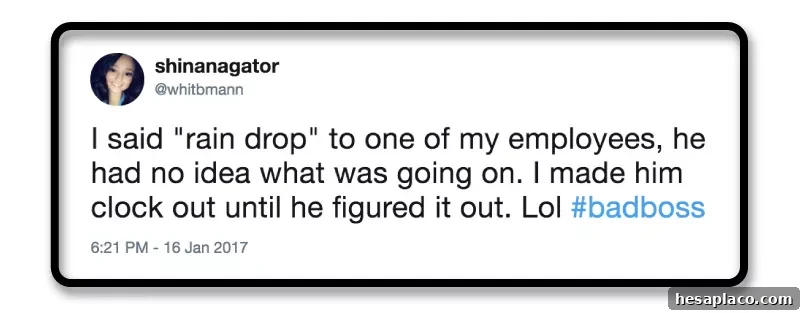
Managers who speak in riddles and expect staff to decode instructions off-duty create unnecessary stress and inefficiency.
The Unrealistic Boss
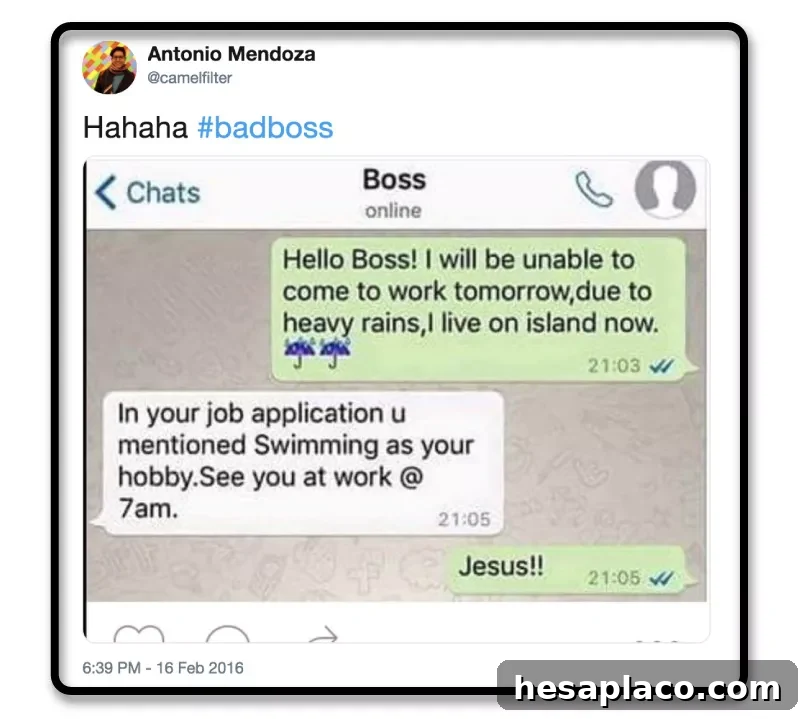
Expecting employees to show up regardless of dangerous or impossible conditions is unreasonable and shows poor judgment about their safety and needs.
The Aloof Boss

A simple “Good job” can go a long way. Leaders who avoid giving recognition leave employees feeling unseen and unappreciated.
The Cursing Boss
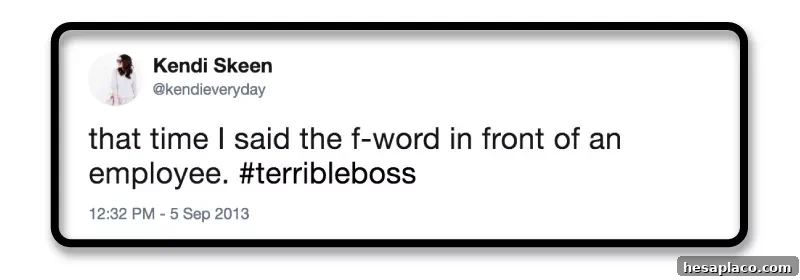
While frank language can happen, maintaining professional standards keeps the workplace inclusive and respectful for everyone.
The Judgmental Boss
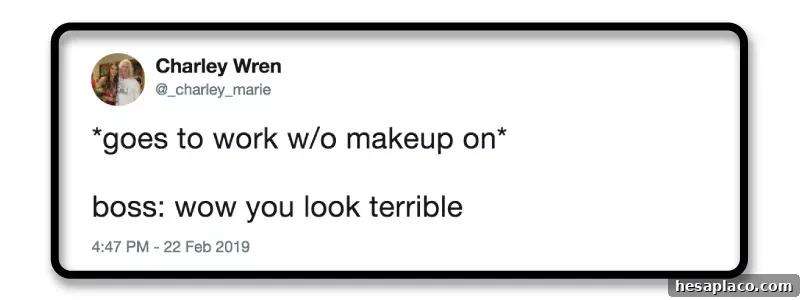
Commenting on a colleague’s appearance or singling them out is unprofessional and can be deeply hurtful.
The Taunting Boss

When employees threaten to quit and a manager calls the bluff, it can result in an uncomfortable power struggle—and often the manager wins.
The Smelly Boss

Personal hygiene issues can make daily interaction unpleasant, even if the person is otherwise well-meaning.
The Serious Boss
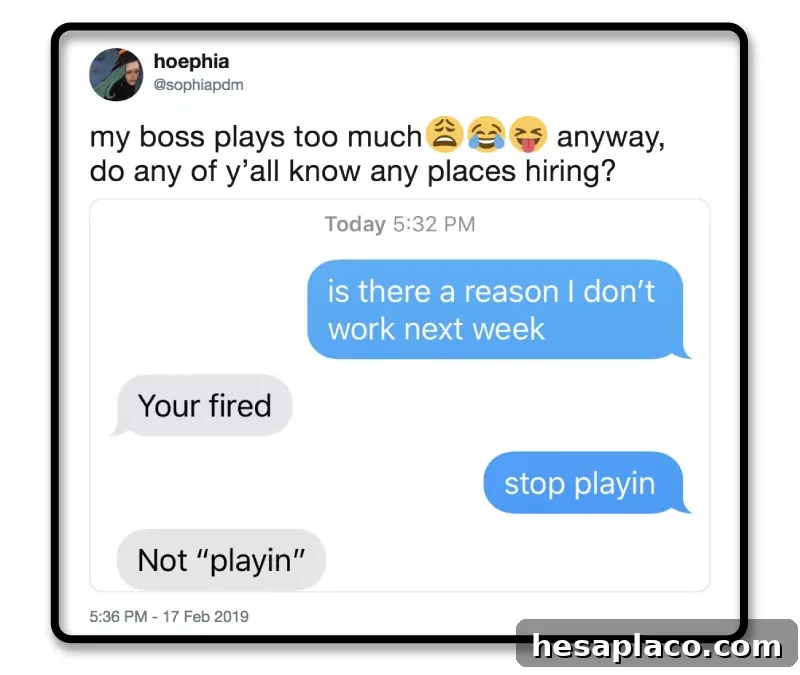
Being fired is hard; being fired by text is especially harsh. How leaders handle tough conversations reflects their respect for employees.
The Disappearing Boss

Canceling meetings without notice because a manager is away damages planning and signals a lack of accountability.
The Hierarchical Boss
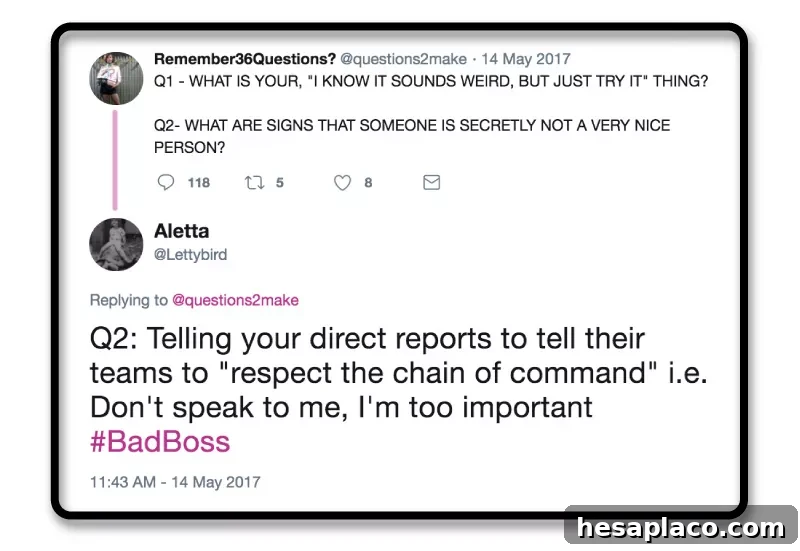
When leaders make themselves intentionally unapproachable, they miss vital input and weaken team cohesion.
The Chatty Boss
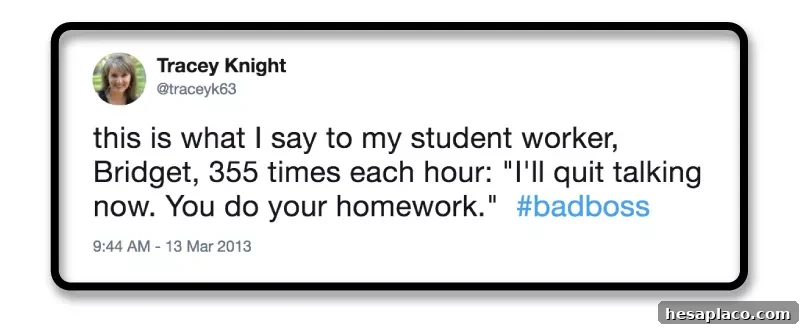
An overtalkative manager who interrupts or monopolizes conversations prevents others from contributing and slows progress.
The Revenge Boss

Occasionally former bad bosses face consequences for their behavior—sometimes a measure of justice that validates those who were mistreated.
The Repetitive Boss
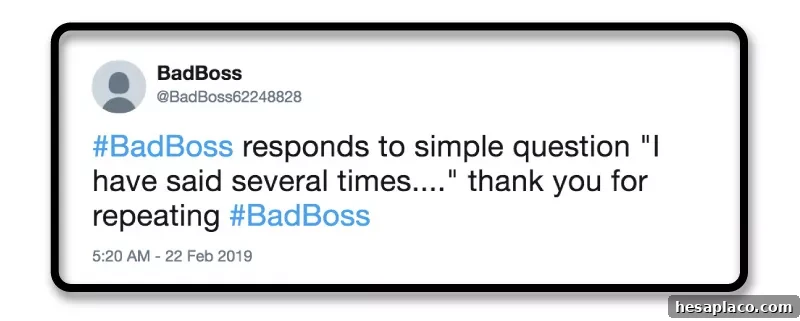
Repeating instructions endlessly is inefficient. Clear, documented communication prevents needless repetition and frustration.
The ‘I’m Not Your Friend’ Boss

Some managers blur friendliness with authority, then abruptly remind employees who’s in charge—creating an inconsistent environment.
The Loud Boss
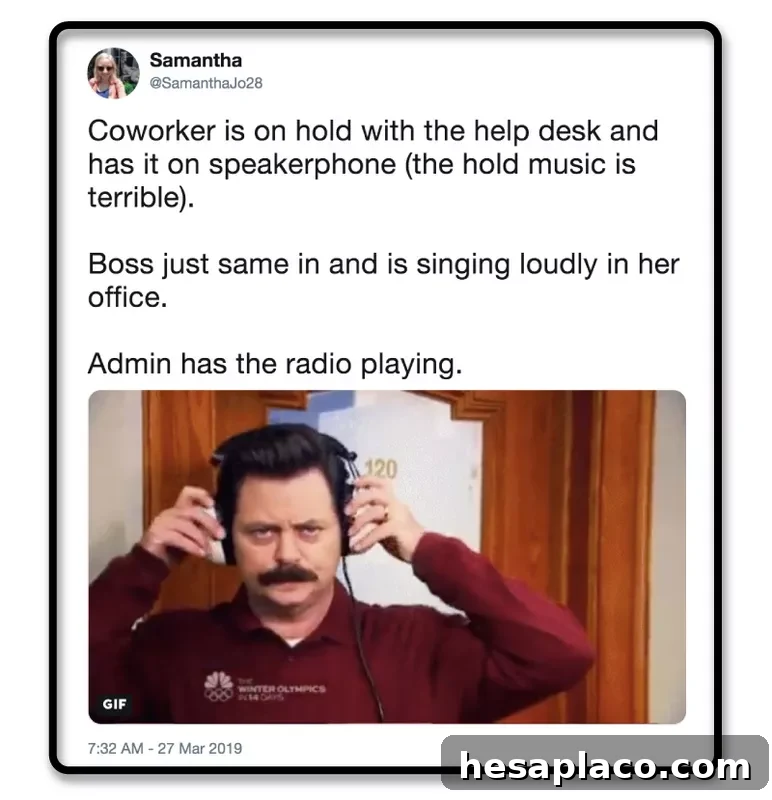
Loud behavior is disruptive. When leadership is noisy, it makes concentration and professional interaction harder for everyone.
The Boss That Takes You up on Your Offer
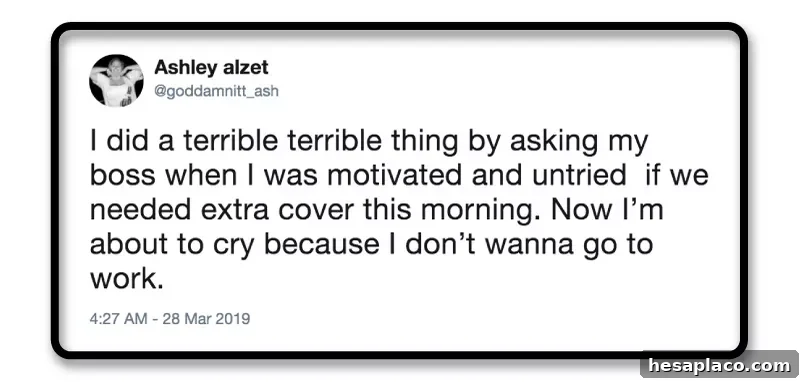
Sometimes employees make casual offers to help; a boss who then expects that casual offer to become an ongoing duty shows poor judgment.
The Note-Loving Boss
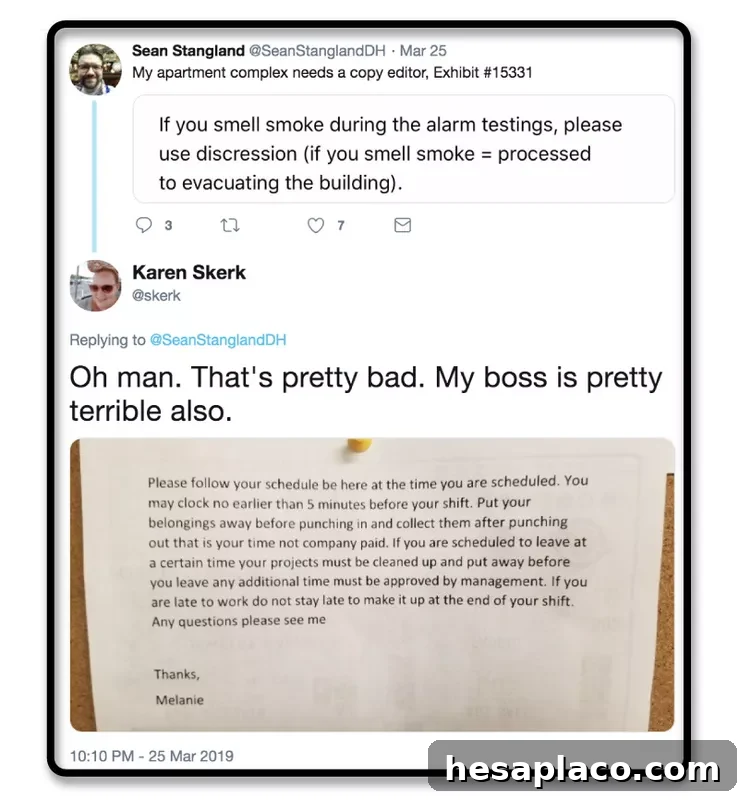
Important company-wide messages deserve direct communication, not passive-aggressive sticky notes left for everyone to decipher.
The Hypothetically Uncaring Boss
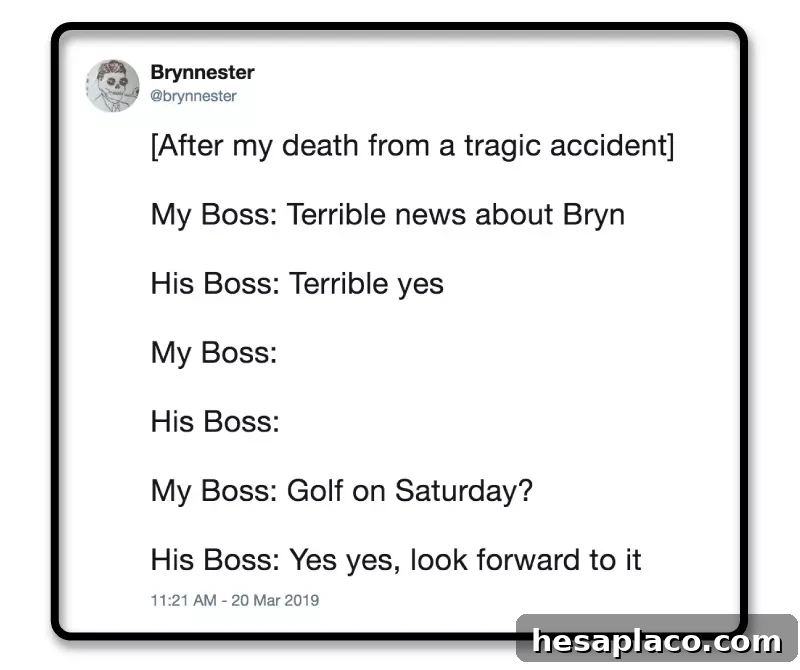
Believing a manager wouldn’t notice or care if you left is demoralizing. Good leaders make employees feel valued and noticed.
The Beet Boss

Some workplace jokes and traditions fall flat. A manager pushing odd or uncomfortable traditions may alienate their team.
The Travesty of a Boss
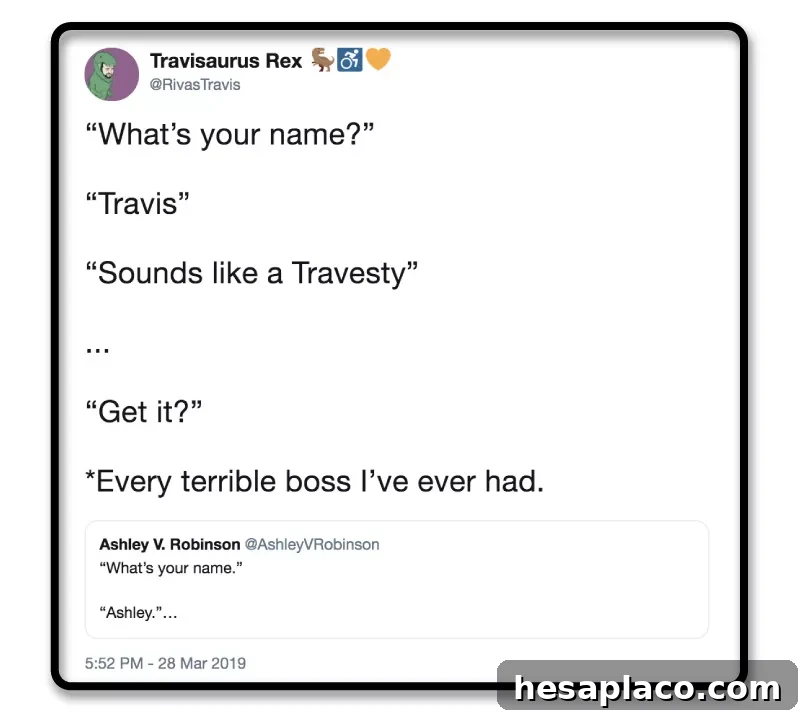
Many managers repeat the same tired stunts while believing they’re being original. Predictable behavior from leadership is surprisingly common.
The Boss Who Delegates Meetings
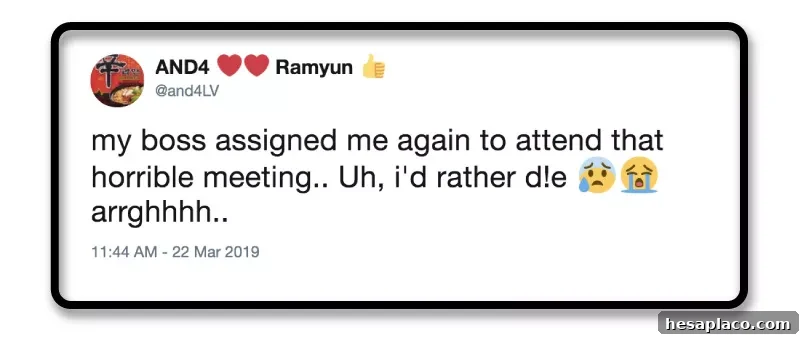
Being forced to attend pointless meetings is a major productivity drain. Managers should protect employees’ time, not squander it.
The Bragging Boss
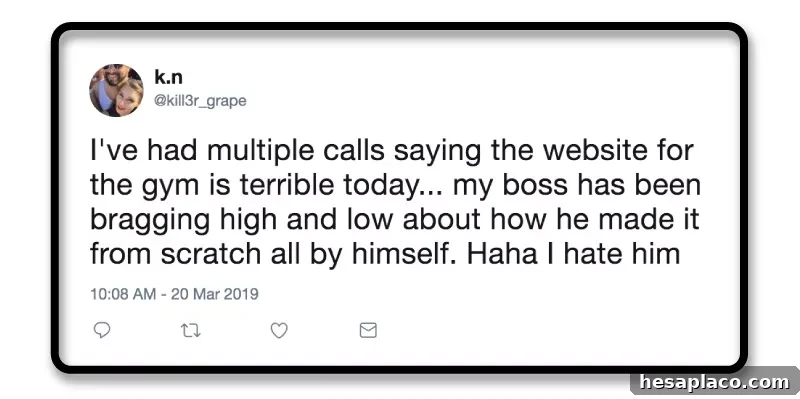
Boasting about trivial achievements or inappropriate topics diminishes a leader’s professionalism and often embarrasses the team.
The Lackadaisical Boss

A disengaged boss sets a low bar: if leadership doesn’t care, employees find it hard to stay motivated or committed.
The Boss Who Doesn’t Even Notice
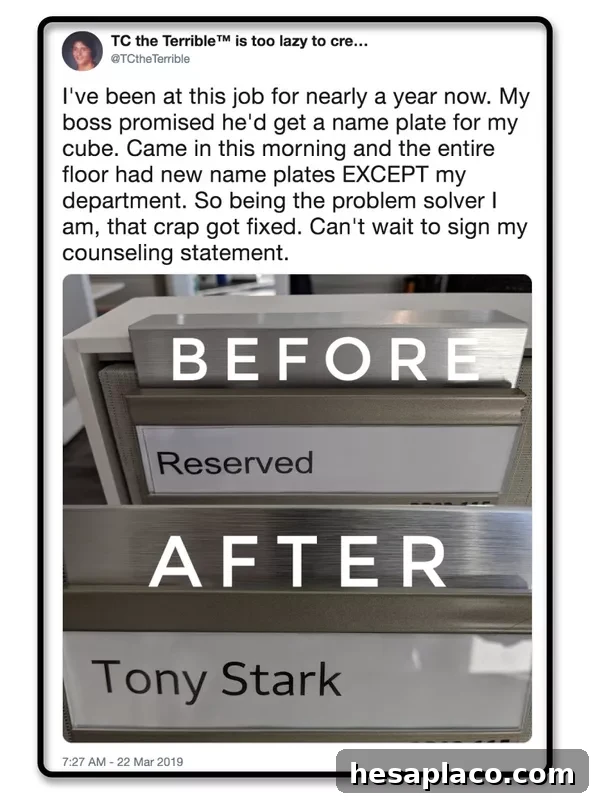
Being overlooked can be demoralizing—but sometimes employees use humor to cope and reclaim some control over their situation.
The Boss You’re Better Off Without
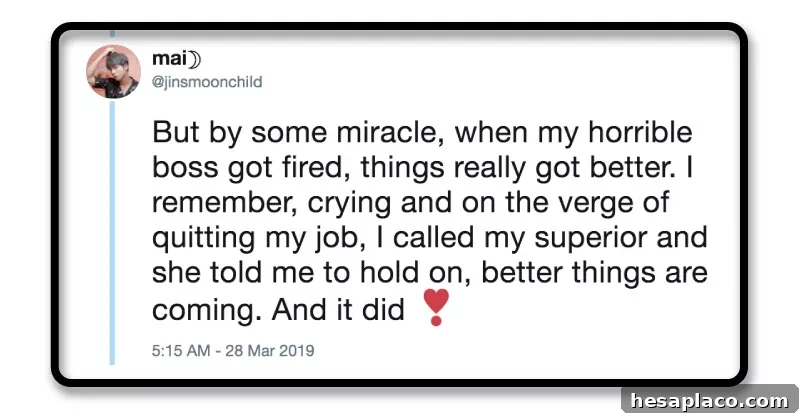
Some managers leave such a negative mark that the best outcome is to move on. Recovery often brings relief and improved well-being.
The Night Owl Boss
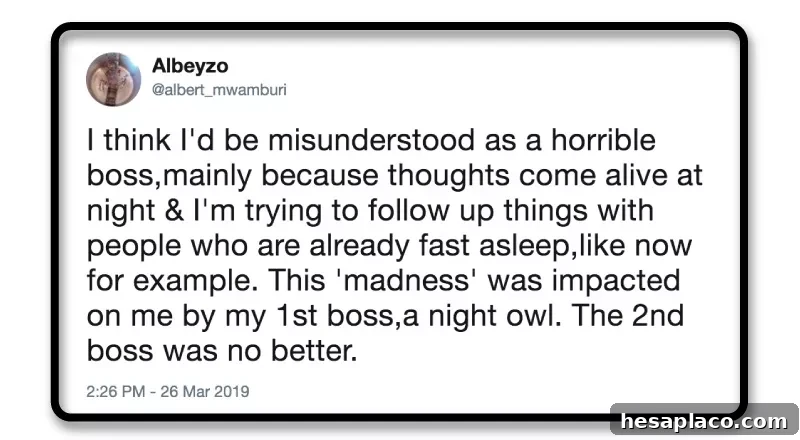
Expecting employees to respond at all hours blurs work-life balance and leads to burnout. Respecting off-hours is essential.
The Tough Love Boss

Sometimes managers offer tough love that feels more punitive than supportive—letting someone go home sick but making them feel worse in the process is not helpful leadership.
The Procrastinating Boss
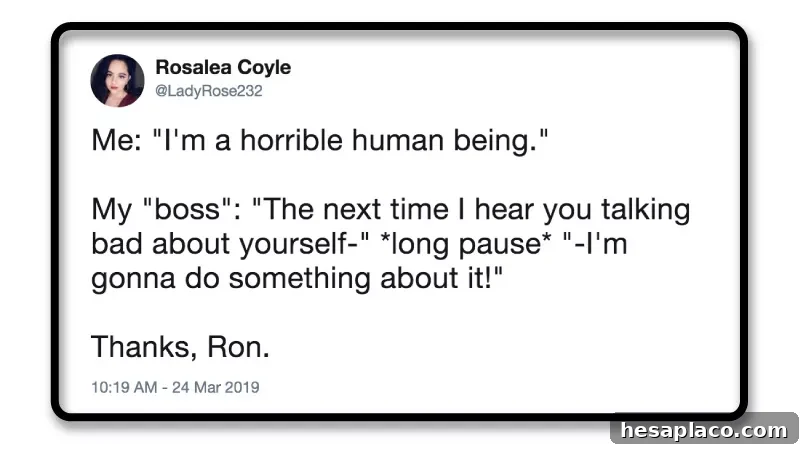
Delaying decisions or promises frustrates teams. Leaders who postpone action create uncertainty and erode trust.
The Boss Who Knows Too Much About You
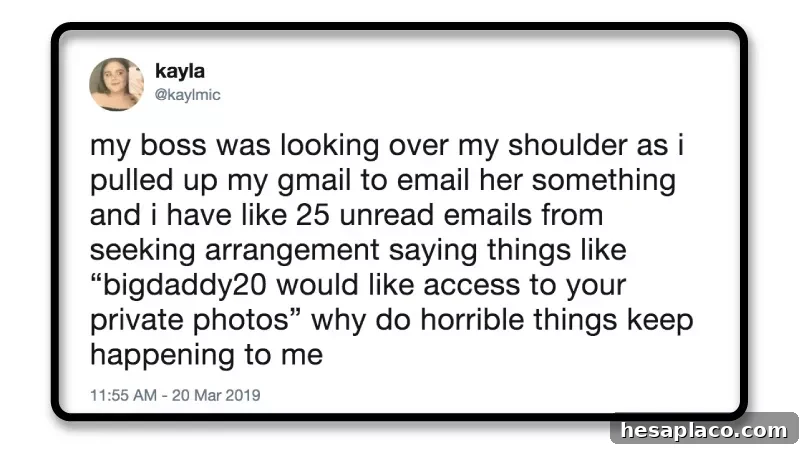
A healthy professional boundary means some personal details should remain private. Overfamiliarity can become awkward or exploitative.
The Self Aware But Grateful Bad Boss

Not every manager is perfect. Those who acknowledge their flaws and appreciate loyal employees are far easier to work with—and can improve over time.
The Neverending Bad Boss Cycle

Leaving one bad boss only to end up under another highlights a frustrating reality: organizational culture matters. Finding a workplace with respectful, competent leadership makes all the difference.