
Real estate listings often use a shorthand that hides uncomfortable truths. Bright descriptions and hopeful adjectives can mask serious issues: outdated systems, awkward layouts, or major repairs. If a listing reads oddly, trust your instincts. Here’s a guide to decoding common real estate euphemisms so you know what to ask, inspect, and budget for.
“Charming”
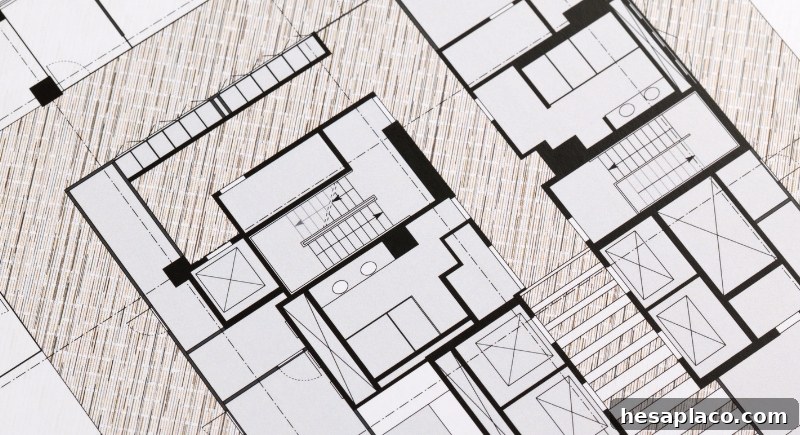
When agents call a property “charming,” it can mean more than character—it may indicate awkward floor plans, dated finishes, or mismatched updates. Look for strange room placements, quirky remodels, or elements that don’t function well together. Ask about the history of renovations and whether any changes were permitted.
Credit: Getty Images
“Cozy”
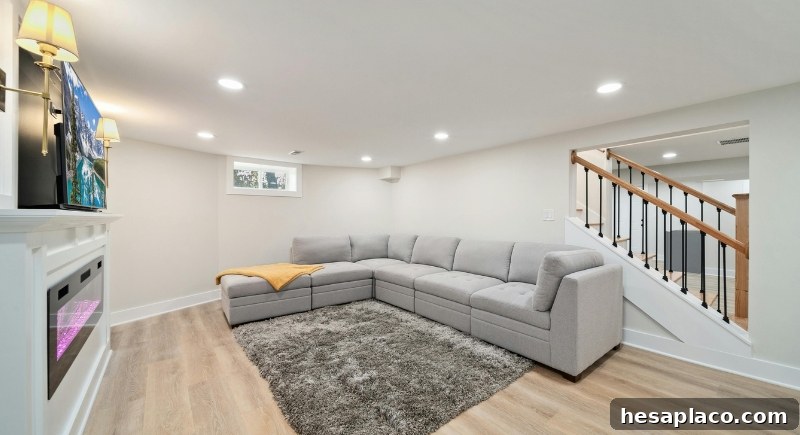
“Cozy” is commonly used to gloss over limited space. Rather than implying warmth, it often signals small rooms, low ceilings, or cramped layouts that may not meet your needs. Measure living areas and check room dimensions to ensure the space works for furniture and daily life.
Credit: pexels
“As Is”
“As is” rarely means a seller will fix small issues—it usually means no repairs will be made. Buyers should expect to inherit all existing problems, from leaks and rot to electrical or structural defects. Schedule a thorough inspection and get contractor estimates before making an offer.

Credit: pexels
“Fixer Upper”
Television makes this sound glamorous, but a true “fixer upper” often needs more than cosmetic updates. Expect structural repairs, roofing work, plumbing and electrical overhauls, and potentially hazardous materials like old insulation or knob-and-tube wiring. Factor in time, permits, and a realistic renovation budget.

Credit: Getty Images
“Investors’ Dream”
This label often targets flippers or landlords. Properties so described tend to be in rough condition and priced accordingly, requiring major work before they’re habitable or rentable. If you’re not planning a rehab, look elsewhere; if you are, verify local zoning, rental demand, and renovation costs.

Credit: pixabay
“Make This Home Your Own”
This phrase usually signals that the property hasn’t been updated in decades. Expect original wallpaper, outdated fixtures, and kitchens or bathrooms that need full replacements. “Personalize” here means you’ll likely be doing a complete renovation rather than simple cosmetic changes.

Credit: pexels
“Great Bones”
“Great bones” suggests the structure has solid fundamentals—foundation and framing may be sound—but the interior systems and finishes likely need attention. Expect to replace windows, update plumbing and electrical, and overhaul insulation and HVAC for modern comfort and efficiency.

Credit: Getty Images
“Needs TLC”
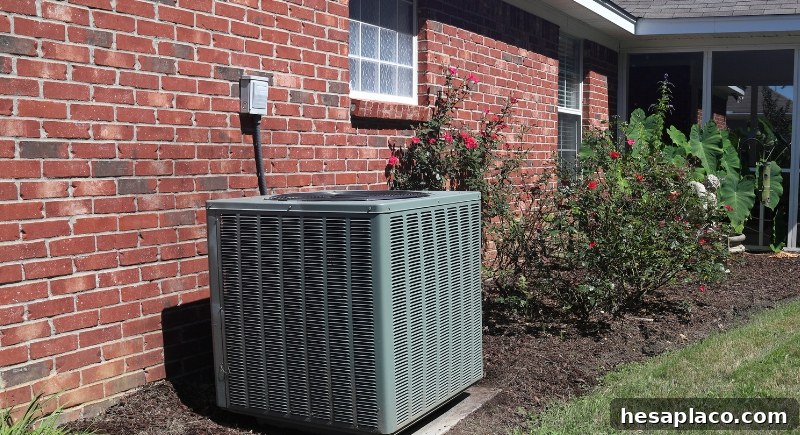
Short for “tender loving care,” this euphemism is often a gentle way of saying the home needs significant repairs. HVAC replacement, structural work, or substantial cosmetic demolition can hide behind this phrase. Treat it as a warning: get detailed inspections and realistic cost estimates before committing.
Credit: Getty Images
“Motivated Seller”
A motivated seller may be eager to close, which can be an advantage—if you know why they’re motivated. It can indicate financial pressure, a long time on market, or undisclosed problems. Ask direct questions about disclosures and timing, and don’t let urgency override due diligence.

Credit: Getty Images
“Priced to Sell”
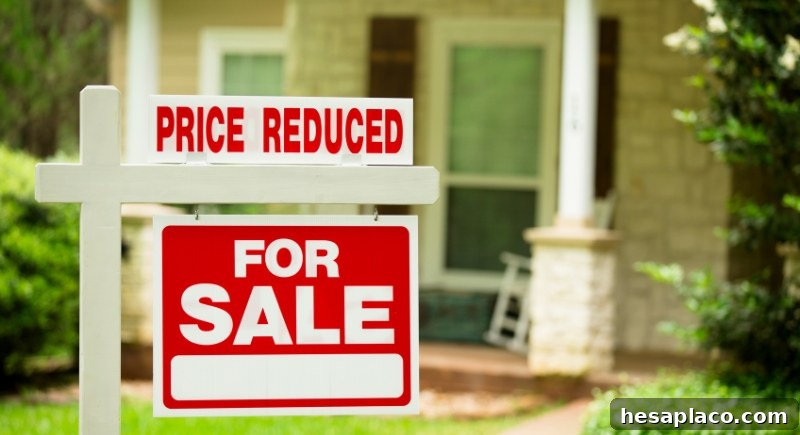
This term draws attention but can mean several things: a bargain because of needed repairs, a strategy to incite multiple offers, or a response to market pressure. Investigate why the price is set low—request inspection reports, review comparable sales, and consider repair costs when evaluating value.
Credit: Getty Images
“Hot Listing”
“Hot” is often used to create urgency. A genuinely competitive property won’t need the label—offers and activity will tell the story. Check days on market and ask your agent for showing and offer history. If it’s been listed for weeks, the “hot” tag may be more hype than reality.

Credit: Getty Images
“Unique”
“Unique” can mean architectural interest, but it can also be code for an unconventional layout or features that limit resale appeal. Unique homes can be beautiful and rewarding if you love the style, but consider whether future buyers will share that taste when evaluating long-term value.

Credit: pexels
“Endless Potential”
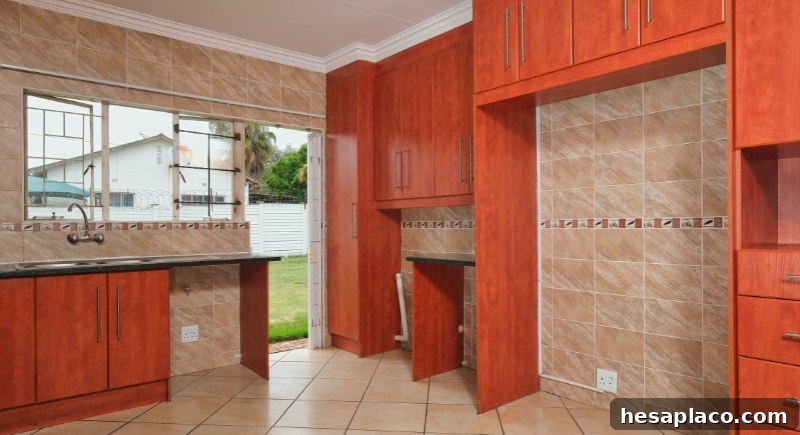
“Endless potential” usually indicates extensive work is needed. Rooms stripped to the studs, missing fixtures, or incomplete renovations are common when this term appears. You can create exactly what you want, but plan for significant time, design decisions, and a renovation budget with contingencies.
Credit: pexels
“Awaiting Your Personal Touch”
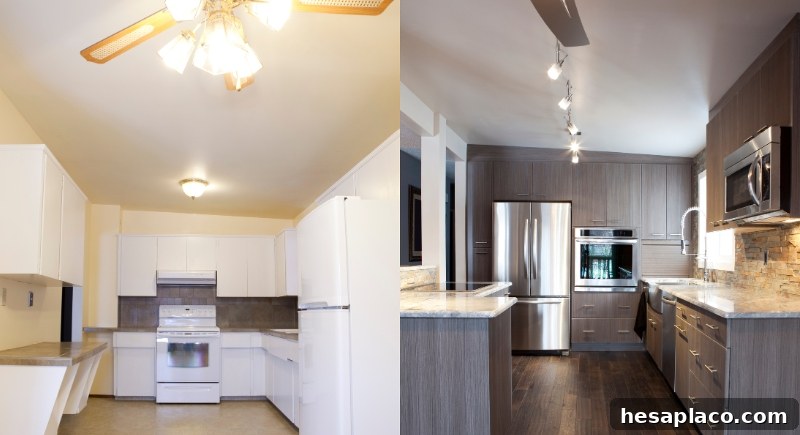
This inviting phrase often means most surfaces and systems are outdated. Expect to replace flooring, cabinetry, fixtures, and possibly major systems. It’s an honest way to say substantial updating is needed to make the space modern and livable.
Credit: Getty Images
“Bring Your Imagination”
Often used for incomplete projects or homes with major layout issues, this phrase warns of missing walls, unfinished rooms, or properties that require a full redesign. If you’re prepared for extensive renovations and have a clear vision, these listings can be opportunities—but only with careful planning and realistic budgeting.

Credit: Gpoint Studio
In short, read listings critically. Words like “cozy,” “charming,” or “needs TLC” can be helpful shorthand for what a home truly requires. Always ask for disclosures, order comprehensive inspections, and get contractor quotes before you commit. With clear questions and careful inspection, you can separate marketing sparkle from reality and find a property that fits your needs and budget.