
The traditional 9-to-5 is evolving. Increasingly, people are launching side businesses—“sidepreneurship”—as a way to add stability without giving up the benefits of steady employment. Across ages, industries, and income brackets, workers are redefining careers to be more flexible, resilient, and personally meaningful. This trend is not a short-lived experiment: side gigs are changing how careers are built, and momentum continues to grow.
Stability Without Sacrifice

Credit: Getty Images
More people are refusing to choose between job security and entrepreneurial pursuits. Keeping a regular paycheck and benefits while building a business part-time allows people to experiment, refine their ideas, and build financial resilience without risking their main source of income or health coverage.
Surge Among Women Entrepreneurs

Credit: Hamilton Campos
The fastest-growing cohort of sidepreneurs is women—especially women of color. Black women, in particular, have emerged as one of the most active and rapidly expanding groups of entrepreneurs, often launching side businesses to build independence and economic opportunity.
Generational Shift in Hourly Labor

Credit: Latino Life
Multiple-job holding is on the rise among hourly workers, with Generation X often leading the trend. Many are starting small businesses to escape stagnant pay and inflexible schedules. What began as a temporary fix for income shortfalls is turning into a path toward greater autonomy and long-term financial independence.
Entrepreneurship as a Mental Health Strategy
Credit: Odua Images
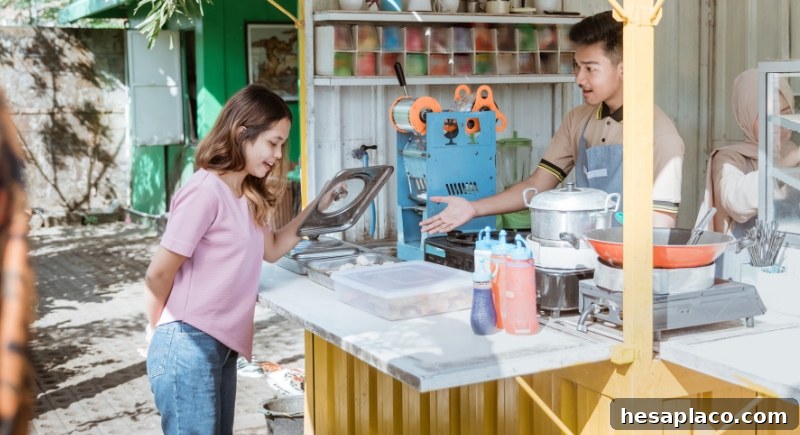
For many, starting a side business is about more than money. It can be an escape from toxic workplaces or a way to reclaim agency and reduce burnout. A creative outlet or alternate income source can improve well-being by restoring a sense of control and purpose, even when the goal isn’t to build a massive company.
Testing the Market on Your Own Terms

Credit: Getty Images
Launching a venture part-time lets people validate ideas with real customers before committing fully. This gradual approach offers time to collect feedback, iterate on products or services, and scale only when the business proves viable—lowering pressure and financial risk.
Retirement Reimagined

Credit: Getty Images
Many older professionals are choosing solopreneurship over full retirement. With experience, industry knowledge, and often fewer household responsibilities, this phase becomes an opportunity to pursue meaningful projects, supplement income, or stay active in work that feels purposeful and flexible.
Tech Makes It Possible

Credit: pexels
Technology has drastically lowered the barrier to entry. With a smartphone and a few apps, someone can sell designs, teach classes, or pick up freelance work. Lacking the need for a physical office, storefront, or large inventory, entrepreneurs can launch quickly, test demand, and scale based on customer response.
Access to Capital Is Catching Up

Credit: Getty Images
Conventional banks don’t always serve part-time entrepreneurs well, especially those without long financial histories. In response, microlenders and community-backed funding options are stepping in with lower-interest or no-interest loans and alternative underwriting that better supports small, early-stage ventures.
People Prefer Lower-Risk Entry Points

Credit: twinsterphoto
Many prefer to grow a venture gradually rather than risk their entire livelihood. Sidepreneurship lets people build at their own pace and scale only when revenue and demand justify a larger commitment—an approach that fits a cautious or measured appetite for financial risk.
Solo Isn’t Isolated Anymore

Credit: Natee Meepian’s Images
Running a solo business used to feel lonely, but digital communities have changed that. Online forums, mentorship networks, and peer groups offer practical advice, emotional support, and idea sharing so even independent entrepreneurs can connect, learn, and grow together.
Shared Economy Is a Shortcut

Credit: Getty Images
Marketplaces and platforms like Airbnb, Etsy, and Poshmark provide built-in audiences, payment processing, and logistics support, so newcomers can start earning without building an entire infrastructure. This lets solopreneurs focus on their craft and scale when ready.
Stronger Financial Literacy
Credit: Getty Images
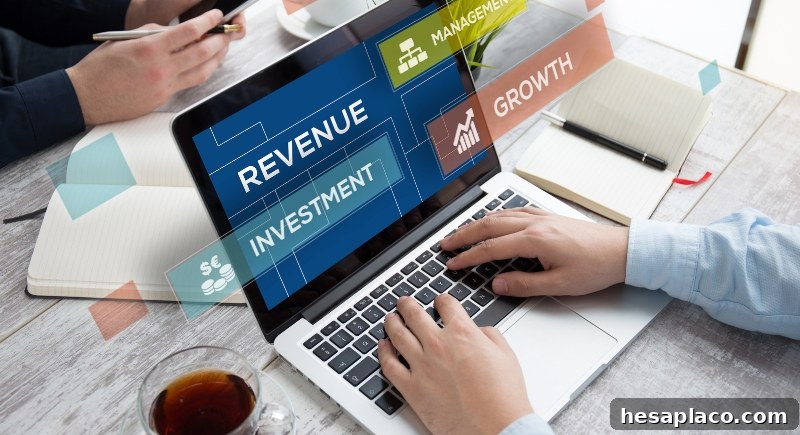
Running a side business requires learning budgeting, tax responsibilities, and revenue management. Many sidepreneurs gain financial confidence through hands-on experience, improving both their personal money habits and their ability to grow larger ventures in the future.
Employers Can’t Ignore This Shift

Credit: Getty Images
As employees increasingly prioritize flexibility and purpose, employers that want to retain talent must reconsider policies around side businesses, flexible hours, and support for entrepreneurial aspirations. Accommodating—not competing with—sidepreneurship can become a strategic advantage.
Income Layering for Long-Term Stability

Credit: 89Stocker
Rather than relying on a single job, many workers now see safety in layered income streams. A side hustle can soften the impact of layoffs, accelerate debt repayment, or help save for a down payment—giving people more control over their financial futures.
Purpose Over Paycheck

Credit: 89Stocker
For many sidepreneurs, the main reward is doing work that matters. Whether it’s a creative pursuit, a community project, or a passion turned into income, side businesses give people a reason to feel excited about their work—even while they continue to hold down a day job.