
Once the foundation of the American dream, the middle class is steadily eroding, taking with it the economic security many families once relied on. Rising living costs, stagnant wages, mounting debt, and structural shifts in the economy are squeezing households and making middle-class status harder to maintain in 2026. Below are the main forces reshaping financial stability for millions of Americans.
Rising Costs Outpacing Wages
Credit: Canva
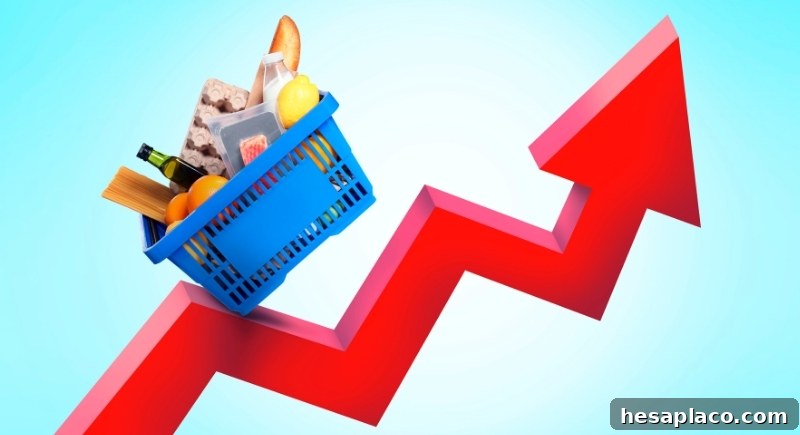
Although wages have increased in many sectors, pay growth has generally lagged behind inflation and rising everyday expenses. From groceries and utilities to childcare and transportation, costs have climbed faster than take-home pay, leaving many households constantly juggling bills and postponing long-term financial goals.
Skyrocketing Housing Prices

Credit: Getty Images
Homeownership has become increasingly out of reach for many middle-income families. Elevated mortgage rates, limited inventory of affordable homes, and sharply rising rents have pushed housing costs to levels that outstrip wage growth in many regions. Even renters face significant pressure as housing expenses consume larger shares of household income.
Debt That’s Hard to Shake

Credit: Canva
Many families rely on credit to bridge gaps between income and expenses. High interest rates on credit cards and other consumer loans can cause modest balances to balloon quickly, eating into monthly budgets and reducing the ability to save for emergencies or retirement. That cycle of debt leaves households financially fragile.
Job Insecurity Looms Large
Credit: Getty Images
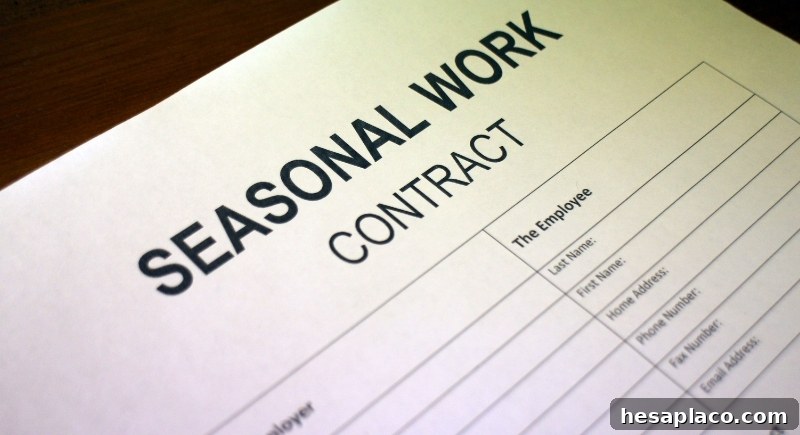
Automation, outsourcing, and shifting business models have made employment less secure for many workers. The rise of contract, temporary, and gig work often means fewer benefits, unpredictable hours, and income volatility. Those conditions make it difficult for families to plan financially and build long-term stability.
Healthcare Costs Are Crushing

Credit: Canva
Medical expenses continue to strain household budgets. Rising insurance premiums, higher deductibles, and increasing out-of-pocket costs mean that even routine care can be expensive. A single unexpected medical event can quickly deplete savings and push a previously stable household into financial distress.
Student Loans Keeping Families Stuck

Credit: Getty Images
Rising tuition and persistent student loan debt limit economic mobility for many families. Graduates facing long repayment schedules often delay major milestones—buying homes, starting families, or saving for retirement—because a significant portion of their income goes toward servicing educational loans.
Lifestyle Inflation Strains Budgets

Credit: Canva
As income rises for some, spending often rises faster—a phenomenon known as lifestyle inflation. Upgrading homes, cars, electronics, and leisure activities can quickly eat into gains from higher wages. Social media and cultural pressure to display success exacerbate this trend, leaving fewer resources for savings and emergency funds.
Changing Tax Policies Hit Hard

Credit: Canva
Frequent changes to tax rules and shifting priorities in fiscal policy can disproportionately affect middle-income households. Without predictable tax relief or targeted supports, families may find their disposable income reduced and their ability to save undermined by higher tax burdens or the loss of benefits.
Regional Inequality Grows

Credit: Canva
Economic prospects vary widely by region. Major metropolitan areas often see housing costs and living expenses rise faster than wages, shrinking the middle class in those locales. For many households, relocating in search of better opportunities may not produce the expected improvement, as costs and competition can offset potential gains.
Companies Are Leaving the Middle Behind
Credit: Getty Images
Many companies are shifting strategies to focus on high-end consumers or bargain-seeking buyers, leaving fewer options tailored to the traditional middle-class market. Brands that once offered mid-range quality and value are moving toward luxury or discount positioning, narrowing choices for households that want affordability without sacrificing quality.
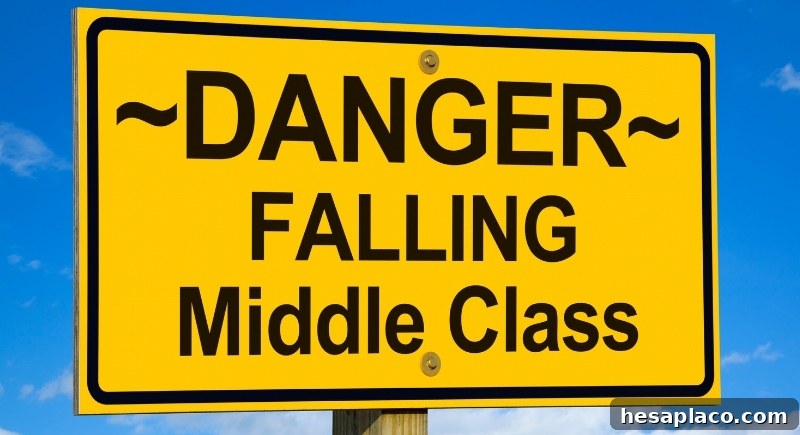
Collectively, these pressures are reshaping what it means to be middle class in America. Without coordinated policy responses, expanded access to affordable housing and healthcare, stronger worker protections, and measures to curb runaway costs, many households will continue to feel squeezed—challenged to save, invest, and secure a stable financial future.