
Imagining the United States in 2050 blends concrete trends with informed projection. When population forecasts, technological trajectories, and migration patterns are considered together, a clearer picture of the nation’s future emerges. Researchers, urban planners, demographers, and policy analysts point to several plausible shifts that could shape American life two and a half decades from now.
America Will Be Demographically Blended

Credit: Canva
By mid-century, no single racial or ethnic group is likely to form an outright majority in the United States. Hispanic and Asian populations are projected to grow faster than others, and continued immigration plus changing birth rates will deepen the nation’s ethnic and cultural mix. The result will be a more multilingual, multicultural society with new opportunities—and challenges—for institutions, workplaces, and communities adapting to greater diversity.
Religion May Retreat From Public Life

Credit: Getty Images
Participation in organized religion, particularly within some Christian denominations, has been declining and may continue to wane. Younger generations are less likely to identify with traditional religious institutions, which could lead houses of worship to shift roles—downsizing formal influence while serving as neighborhood community centers, social-service providers, or quieter places for personal reflection rather than as central cultural institutions.
Cities Will Grow Denser and Taller

Credit: pexels
Many cities are changing zoning and land-use rules to allow missing-middle housing—duplexes, triplexes, and mid-rise apartments where single-family homes once prevailed. Increasing urban density and a renewed emphasis on infill development mean that skylines will likely become denser and taller, with more mixed-use neighborhoods resembling major global cities.
Suburbs May Lose Ground to Rising Costs
Credit: Getty Images
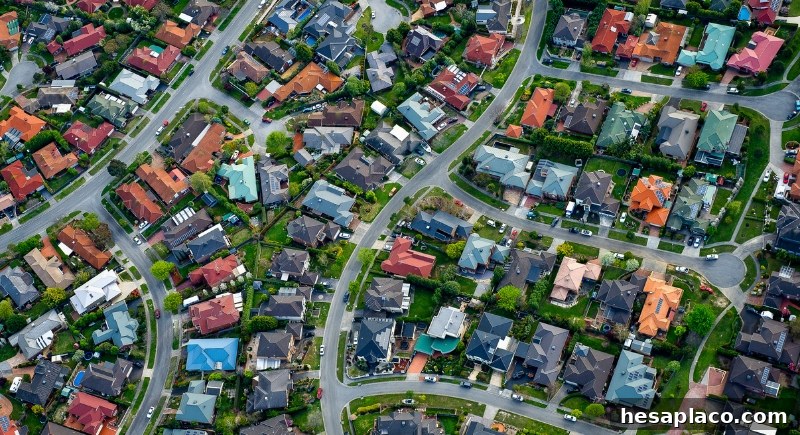
The suburban promise of affordable space and quiet living faces pressure from rising housing costs, infrastructure deficits, and changing work patterns such as remote and hybrid schedules. While some suburban areas may successfully reinvent themselves with more transit, services, and mixed housing, others could stagnate as younger households prioritize shorter commutes, amenities, and walkable neighborhoods.
Climate Migration Will Change State Populations

Credit: pexels
Rising temperatures, intensified storms, and sea-level rise will make some coastal and southern regions less hospitable over time. Internal migration patterns may redirect population growth northward and inland, boosting cities such as Denver, Seattle, and Minneapolis as people relocate from harder-hit areas. These shifts will reshape housing demand, political representation, and regional economies.
High-Speed Rail Could Finally Arrive
Credit: Canva
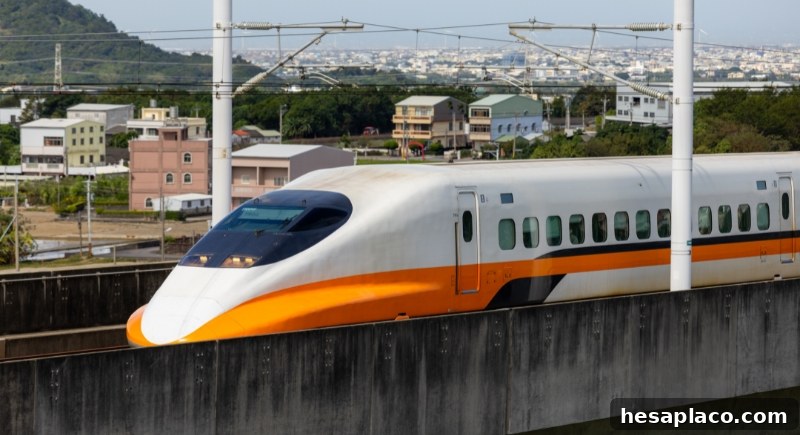
Long-planned high-speed rail corridors have faced funding, political, and logistical hurdles, but by 2050 select corridors—especially in high-density regions like California and parts of Texas—could become operational. If built, faster rail would reduce reliance on cars for intercity travel, reshape commuting norms, and concentrate growth around transit hubs.
Economic Policy Will Favor Clean Energy
Credit: Canva
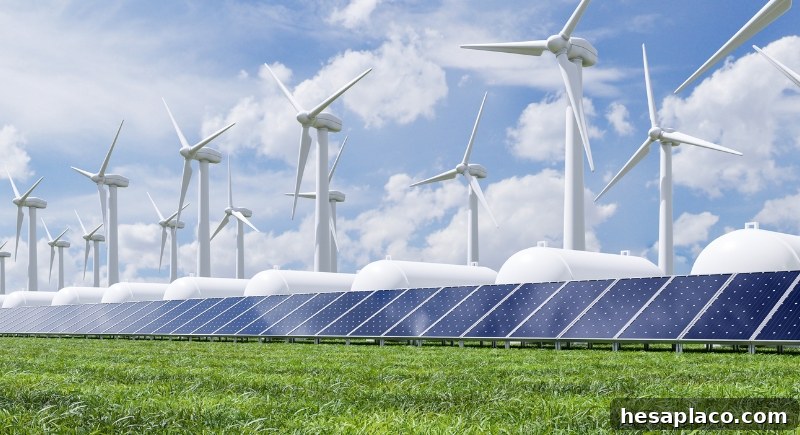
Public policy and investment are increasingly directed toward renewable energy, energy efficiency, and technological innovations that reduce carbon dependence. A continued policy emphasis on clean energy would accelerate the decline of fossil fuels’ share in the economy, prompting labor-market transitions in regions historically reliant on coal, oil, and gas while expanding opportunities in manufacturing, installation, and maintenance of green technologies.
Cash May Get Replaced by Code

Credit: Canva
Digital payments, biometric authentication, and crypto-inspired systems are already reducing cash usage. By 2050, digital wallets and instant, code-driven transactions could dominate everyday commerce, delivering convenience and speed but also raising new concerns about privacy, financial inclusion, and cybersecurity. Financial institutions and retailers will need robust systems to protect consumers and ensure accessibility.
Healthcare Will Extend Lifespans

Credit: Getty Images
Advances in AI-assisted diagnostics, personalized medicine, and genetic screening could shift healthcare from reactive treatment to proactive prevention. As medical interventions become more effective, average life expectancy may rise, placing greater demand on eldercare services, long-term care infrastructure, and public-health planning to meet the needs of an aging population.
Retirement Will Look Very Different

Credit: Getty Images
Longer lives combined with weaker employer-provided pensions and inadequate savings mean retirement will likely be extended and more variable. Many people may continue working part-time or in gig roles into older age. Retirement security will hinge on Social Security’s stability, private savings, and access to affordable healthcare and housing, with disparities by income, race, and education shaping retirement outcomes.
The Labor Market Will Split Sharply

Credit: pixelshot
Automation and AI will transform many occupations: routine tasks in transportation or customer service may decline while demand for technical, caregiving, and education roles grows. Workers without access to upskilling or retraining could face long-term unemployment or lower wages, increasing the importance of lifelong learning programs and policies that support workforce transitions.
The U.S. Will Have Far More Elderly Residents

Credit: pixelshot
By 2050, people over 65 are projected to outnumber children in the U.S., and the population aged 85 and older could more than double. This demographic shift will reshape housing demand, public services, healthcare delivery, and the labor force, placing greater pressure on caregivers and public budgets to support an aging society.
Water and Food Scarcity Could Escalate

Credit: Africa images
Climate-driven droughts and water shortages could affect regions once considered secure, altering agricultural patterns and increasing costs. Large-scale farms may adopt technology to maintain output, but smaller producers could struggle, prompting rural population declines and contributing to higher food prices that disproportionately strain low-income households.
Education Systems Will Demand Reform

Credit: Getty Images
Early childhood education may become more widespread, particularly in areas with growing immigrant populations, but K–12 systems will still face persistent gaps in funding, access, and outcomes. Pressure from student debt and labor-market demands could force changes in higher education models, including more vocational training, apprenticeships, and alternative credentialing pathways.
Politics May Bend—Or Finally Break

Credit: Getty Images
Political polarization could intensify or reach a turning point where new coalitions and institutions emerge. How the country navigates partisan divides will determine its ability to pass large-scale reforms in infrastructure, climate policy, healthcare, and inequality. The direction of politics—whether more fragmented or more collaborative—will be a decisive factor in shaping the United States’ trajectory toward 2050.