
Growing up with frugal Baby Boomer parents leaves lasting habits that linger for years. Their choices often came from genuine financial pressure, so small routines doubled as lessons in stability and resourcefulness. Many of these behaviors become automatic: if comparing prices, saving containers, or stretching purchases feels natural, you likely absorbed those instincts long before adulthood.
Extreme Coupon Appreciation

Credit: Getty Images
Coupon culture ran deep in penny-pinching homes, where clipped coupons meant tangible savings. Research shows that digital coupon users can save significant amounts annually, and this matches memories of families treating Sunday newspaper inserts like treasure maps. The habit of searching for deals and using coupons becomes ingrained, turning shopping into a practical, reward-driven activity rather than a simple errand.
Plastic Bag Stash
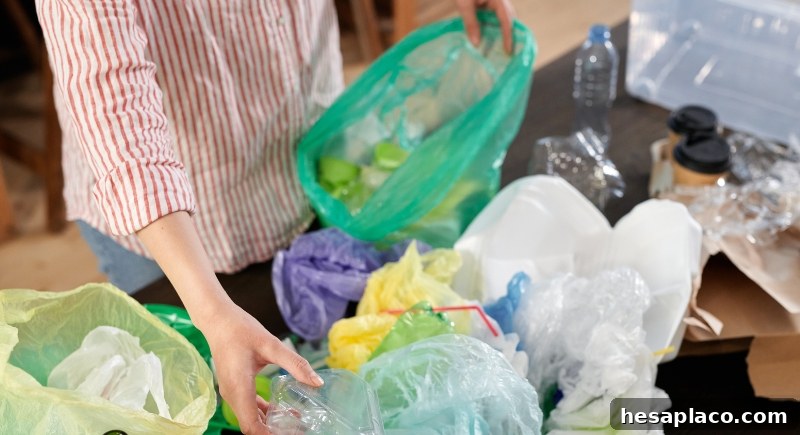
Credit: pexels
Saving every grocery plastic bag wasn’t usually driven by environmental concerns but by practicality. While many throw them away, frugal households stash bags in kitchen drawers and linen closets because they fit bathroom bins, carry lunches, or protect items during moves. Running out felt like losing a basic household supply, so saving them became a simple, sensible habit.
Light-Switch Discipline

Credit: stock dignity
Many families paid close attention to energy use, and a sense of personal responsibility encouraged conservation. Parents expected lights to be turned off when leaving a room, and some timed appliance use to avoid peak electricity rates. These small practices kept monthly bills lower and taught children that mindful energy habits matter for household finances.
DIY Repairs
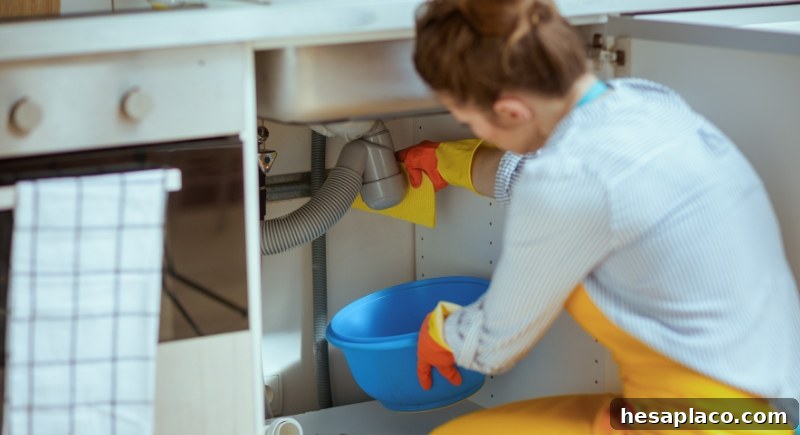
Credit: Canva
Broken sinks and wobbly chairs rarely meant calling a professional. Many frugal parents tackled repairs at home, teaching kids that a basic toolkit and patience could solve common problems. Repairing instead of replacing reduces household costs and fosters a mindset of self-reliance—skills that persist into adulthood for those raised in hands-on, fix-it households.
Water Over Soda

Credit: Aflo Images
When dining out, water was the default choice because it didn’t cost extra. For frugal families, choosing water wasn’t a statement—it was a practical habit. Even as restaurant trends shift toward healthier or free beverage options, those raised to favor water often continue the practice simply because it’s practical and economical.
Homemade and Useful Gifts

Credit: pexels
People raised in frugal households often prefer homemade or practical gifts because sincerity and usefulness matter more than price. Watching parents bake, knit, or repurpose items showed that thoughtful gestures didn’t require expensive purchases. With many Americans going into debt over gift-giving, these families modeled simpler, more affordable ways to celebrate without sacrificing generosity.
Takeout Container Loyalty
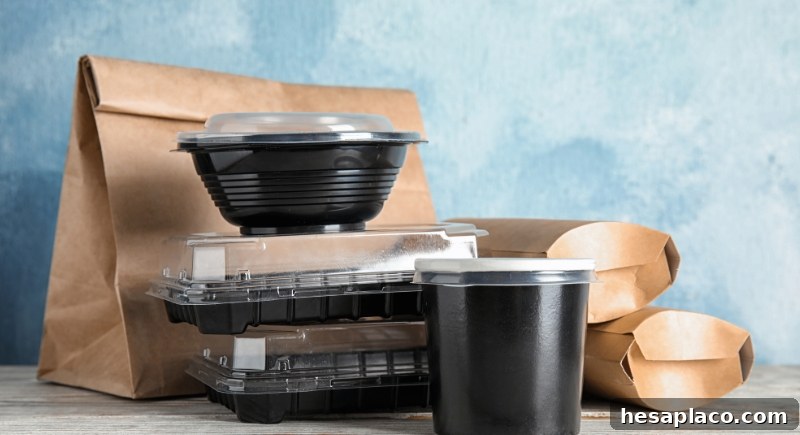
Credit: Africa Images
Saving takeout containers is a habit for many who grew up in frugal homes. Those sturdy plastic boxes were kept for next-day meals or storage, teaching children that discarding useful items was wasteful. As adults, they often continue to stash lids and containers because reusing them makes sense and reduces unnecessary spending.
Leftover Logic

Credit: pexels
Taking home party leftovers was considered smart rather than rude in many frugal families. Food waste felt unnecessary when meals could be reheated or frozen for later. Kids who watched parents save and repurpose leftovers often carry that habit forward, treating to-go plates as practical additions to future meals.
Price-Per-Ounce Math

Credit: Getty Images
Grocery trips often doubled as math lessons, where calculating unit prices became routine. Comparing price per ounce or unit taught shoppers to make informed choices quickly. That habit isn’t about stinginess; it’s about understanding value and making practical purchasing decisions based on facts rather than impulse.
Comfort with Secondhand

Credit: Getty Images
Thrift stores, estate sales, and curbside finds were seen as opportunities rather than reasons for embarrassment. Many frugal-raised adults grew up with furniture from yard sales or hand-me-downs and still enjoy the thrill of finding useful items at low prices. Clearance racks and thrift aisles remain familiar and comforting because bargain hunting was woven into childhood routines.