
When people talk about saving money and building wealth, common advice focuses on strict budgeting, cutting discretionary spending, and minimizing risk. Barbara Corcoran’s path to wealth followed a very different playbook. As a long‑time real estate investor and entrepreneur, she favored bold choices, relied on intuition, and invested heavily in opportunities she believed could grow. Some of her methods seem unconventional at first, but many of the decisions that built her empire came from thinking differently about money, value, and success.
Spending Can Create Momentum

Credit: iStockphoto
After selling The Corcoran Group for $66 million in 2001, Corcoran distributed a substantial portion of the proceeds to family, friends, charities, and education funds. That generosity reflected lessons from her mother, who raised ten children and taught that money should improve life rather than be hoarded as a status symbol. For Corcoran, spending strategically—on people, causes, and opportunities—helped create positive momentum rather than simply reducing net worth.
Big Bets Beat Tiny Ones

Credit: Getty Images
Conventional financial wisdom often emphasizes diversification as the safest route. Corcoran preferred concentrating capital where she had deep knowledge and conviction. She focused on real estate because she knew the market, the neighborhoods, and how to add value. Successful investors such as Warren Buffett and Charlie Munger have also argued that conviction investments can outperform a scattered, overly diversified portfolio. For Corcoran, placing meaningful bets in familiar areas produced outsized returns.
Paying More Can Yield Better Results

Credit: Getty Images
Corcoran often outbid rivals for properties she believed had long‑term upside. At first glance, consistently paying a premium seems counterintuitive, but in the right market a superior property in a developing neighborhood can recoup higher acquisition costs through appreciation, rental income, or repositioning. Her willingness to spend more selectively was part of a broader strategy to secure assets with durable advantages.
Personality Matters in Business

Credit: Canva
Rather than insisting on formal, conventional professionalism, Corcoran prioritized energy, warmth, and personal connection. Her offices were known for theme parties and unconventional traditions that fostered loyalty and enthusiasm. She believed happier employees were more productive and stayed longer. That belief extended to investing: on shows like Shark Tank, she often values charisma and confidence as important predictors of an entrepreneur’s potential.
Rejection Became Fuel

Credit: Getty Images
Corcoran faced early setbacks—holding more than 20 jobs by her early twenties and being labeled “the dumb kid” in school because of dyslexia. Instead of letting criticism deter her, she used it as motivation. She’s said that insults and skepticism fueled her competitive drive and sharpened her sales and negotiation skills. That resilience under pressure helped launch her career and sustain it through setbacks.
Stay Close to the Action

Credit: Pexels
Corcoran made a habit of moving her desk around the office to stay plugged into conversations, complaints, ideas, and gossip. That proximity gave her a clear sense of what employees and clients cared about and revealed small issues before they became larger problems. Staying close to everyday operations let her make informed, practical decisions rather than relying solely on reports or second‑hand updates.
Don’t Let Fear Drive Choices

Credit: Getty Images
During the 1990 recession, Corcoran nearly lost her business and admits she was terrified about money. Her mother’s pragmatic advice—to stop panicking because panic doesn’t solve problems—helped her focus. Not long after that crisis, she developed a new business idea that proved lucrative. Her experience underlines a lesson she repeats: fear is natural, but allowing it to dictate decisions prevents creative problem solving and opportunity recognition.
Speed Gives a Competitive Edge

Credit: Getty Images
Long deliberations and endless committees never suited Corcoran. She favors quick, experience‑based decisions. On Shark Tank she sometimes commits to deals within minutes because she trusts her ability to evaluate people and prospects under pressure. That decisiveness helped her secure property deals and business opportunities before rivals could react, turning speed into a strategic advantage.
Publicity Is Priceless

Credit: Getty Images
Corcoran knew how to turn attention into value. She generated publicity by producing offbeat real estate reports and rankings that journalists loved to cover, keeping her firm visible without huge advertising budgets. Through well‑timed media efforts, she transformed a small real estate company into a widely recognized New York brand, demonstrating how creative public relations can multiply the impact of business activities.
Instinct Often Outperforms Paper Plans
Credit: Wikimedia Commons
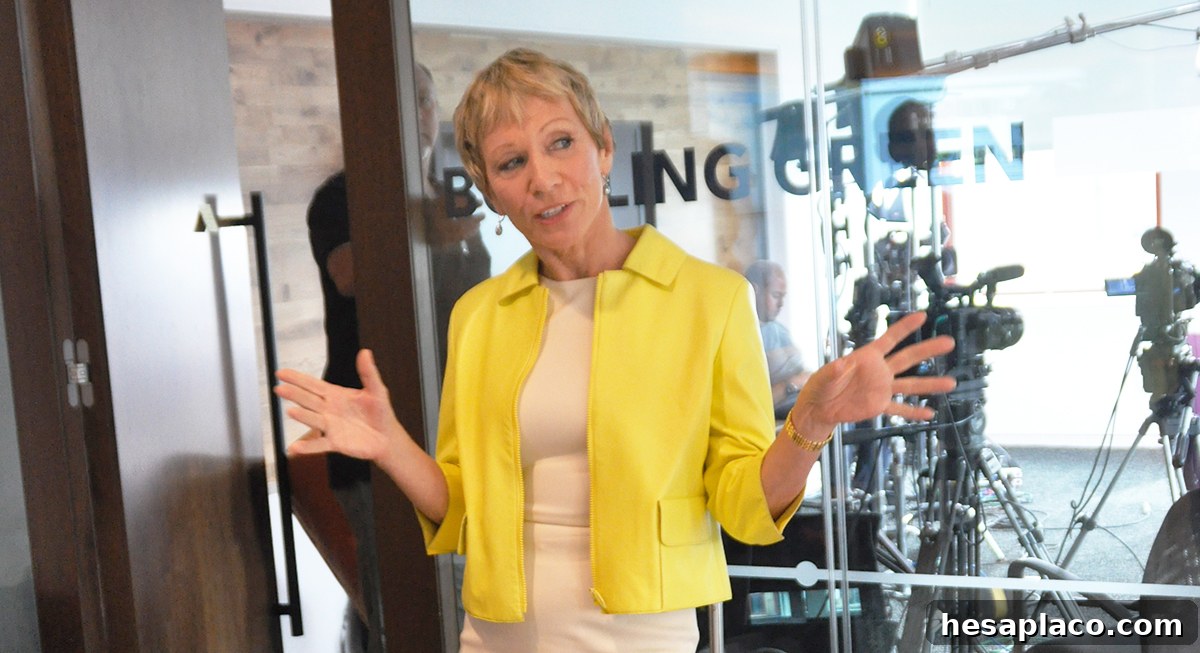
While many investors rely on detailed forecasts, charts, and long planning sessions, Corcoran often leaned on gut instinct and real‑time judgment. She described making quick calls based on reading people and sensing market momentum rather than waiting for perfect analysis. That approach unsettles cautious planners, but over decades in real estate, her instincts proved consistently valuable and helped her seize opportunities others overlooked.