
Adopting frugal habits can be a smart way to stretch your money, but some common practices end up costing more in time, effort, or stress than they save. Below are everyday penny-pinching habits that often aren’t worth the trouble. Read on to learn which ones to ditch for a simpler, more efficient life.
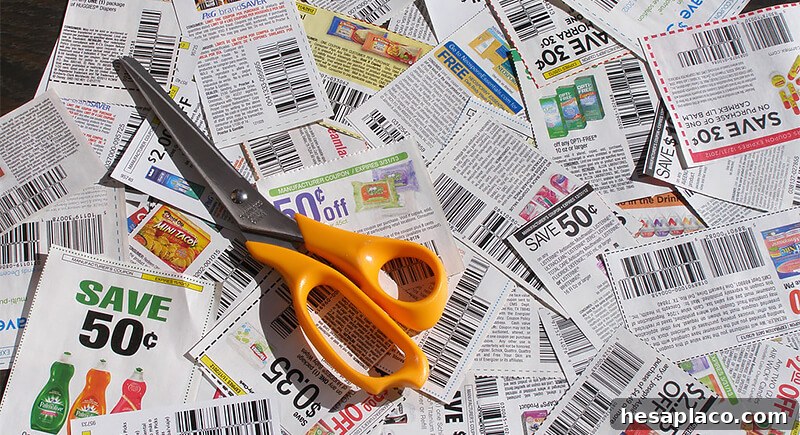
Coupon Clipping
Credit: flickr
Spending hours clipping coupons can feel rewarding, but many coupons apply to processed items you wouldn’t normally buy. Tracking expiration dates, matching coupons to store policies, and making special trips for deals often outweigh the savings. Instead, streamline your approach: buy store brands, follow a simple budget, and focus on broad discounts that align with what you actually consume.
Making Your Own Laundry Detergent

Credit: Youtube
DIY laundry detergent sounds economical, but homemade formulas can be less effective and, in some cases, more expensive once you account for ingredient costs and time. Commercial detergents are formulated for consistent results; choosing a reliable, affordable brand often saves time and prevents frustration from residues or poor cleaning.
Driving Across Town for Cheaper Gas

Credit: Getty Images
Going out of your way to save a few cents per gallon often backfires. Extra driving increases fuel consumption, accelerates wear and tear, and costs you time. Choose a convenient station along your normal route and focus on fuel-efficient driving habits instead of long detours for minor price differences.
Growing All Your Own Vegetables

Credit: freepik
Gardening is enjoyable and can lower grocery bills, but attempting to grow every vegetable you eat is rarely economical. Upfront costs for soil, tools, and seeds, plus the time and unpredictable yields, can outweigh grocery savings. Plant a few herbs and easy-to-grow vegetables for pleasure, but rely on stores for most produce to save time and reduce risk.
Extreme Budgeting

Credit: Getty Images
Keeping strict, minute-by-minute tabs on every expense can quickly lead to burnout. While financial awareness is important, obsessively micromanaging small purchases saps time and mental energy. Adopt a simple, realistic budget with periodic reviews. That balance keeps you financially responsible without sacrificing quality of life.
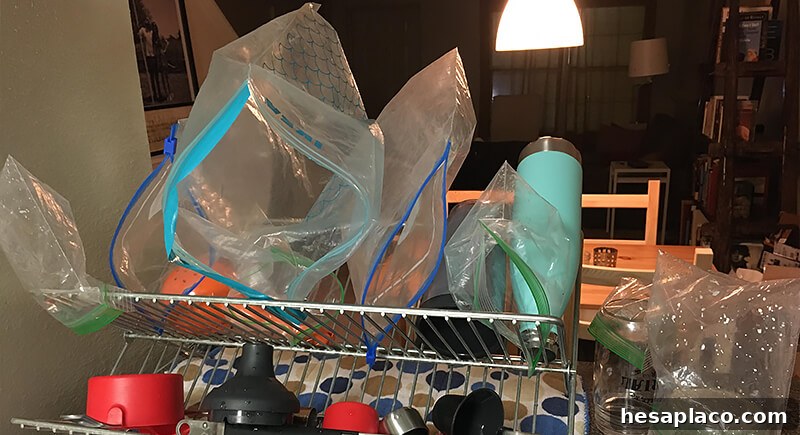
Reusing Ziplock Bags
Credit: Reddit
Washing and reusing disposable zipper bags can be time-consuming and often ineffective at fully cleaning them, especially after contact with raw foods. Reusable containers or purpose-made silicone bags are a better investment: they save money over time and reduce waste while offering a more hygienic solution.
Making Everything from Scratch

Credit: freepik
Cooking from scratch can be healthier and cheaper, but trying to prepare every ingredient and meal by hand is exhausting. There’s nothing wrong with using quality pre-made components—like bread, sauces, or frozen vegetables—to save time while still eating well. Aim for a balance that preserves your energy and enjoyment of cooking.
Waiting for Sales

Credit: Getty Images
Postponing purchases until an item goes on sale can lead to inconvenience or missed opportunities, especially if the sale doesn’t happen. Buy what you need when you need it and prioritize quality and functionality over chasing occasional markdowns. This approach reduces stress and prevents wasted time.
DIY Home Repairs

Credit: Getty Images
Handling small repairs yourself can save money, but unfamiliar or complex repairs can lead to larger expenses if done incorrectly. Be honest about your skills: learn what you can reasonably handle and hire a professional when the job requires expertise. That protects your home and avoids costly mistakes.
Collecting Loose Change

Credit: pixabay
Saving coins in a jar builds a habit but yields slow results and requires effort to sort and deposit. Modern tools like apps that round up purchases into savings or automatic transfers to a dedicated account are more efficient. They quietly accumulate value while you focus on larger financial goals.
Thrift Store Hunting

Credit: freepik
Thrift shopping can yield great finds, but constant hunting for bargains can eat up a lot of time with inconsistent results. Make thrift store trips purposeful—look for specific items or shop occasionally—rather than browsing aimlessly. That way you get value without turning it into an endless chore.
DIY Beauty Treatments

Credit: Canva
Home beauty experiments can be appealing, but homemade products often lack the stability and efficacy of well-formulated commercial products. Ingredients may be costly and results inconsistent. Invest in a few trusted products that suit your skin and hair to save time and avoid irritation or ineffective treatments.
Clipping Every Cashback Offer

Credit: pexels
Chasing every small cashback offer encourages unnecessary spending and creates a clutter of apps and accounts to manage. Focus on significant cashback programs for purchases you already make, such as credit card rewards or a few reliable rebate services. That yields better returns for less administrative hassle.
Canceling Subscriptions Monthly

Credit: DragonImages
Constantly canceling and resubscribing to shave a few dollars off your bills is more hassle than it’s worth. Choose the services that deliver real value and keep them active. Fewer interruptions and less account management free up time and can still save money over the long term.
DIY Furniture Building

Credit: Getty Images
Crafting your own furniture can be satisfying, but material costs, tool investment, and the time required often make it less economical than expected. Quality and durability may fall short compared with ready-made or second-hand pieces. Consider buying budget-friendly or used furniture when it’s a better use of your time and resources.
Over-Insulating Your Home

Credit: Getty Images
Adding insulation where it’s not needed can be an expensive mistake. Proper insulation improves efficiency, but excessive or improperly installed insulation yields little extra benefit for the cost. Target areas that need improvement and consult professionals when necessary to ensure a cost-effective upgrade.
Buying in Bulk Without a Plan

Credit: pexels
Purchasing in bulk can produce real savings for non-perishables and items you use frequently, but buying large quantities without a plan leads to wasted food, space, and money. Only bulk-buy staples you’re certain you’ll use and have room to store. Otherwise those “great deals” quickly become costly clutter.