
When selling your home, you understandably focus on highlighting its best features—but some aspects consistently turn buyers away. From dated décor to strong pet odors, a single issue can be enough for potential buyers to move on. Below, industry professionals share the top 12 things buyers most often want to avoid, with practical guidance on how to address them before listing.
Outdated Kitchen
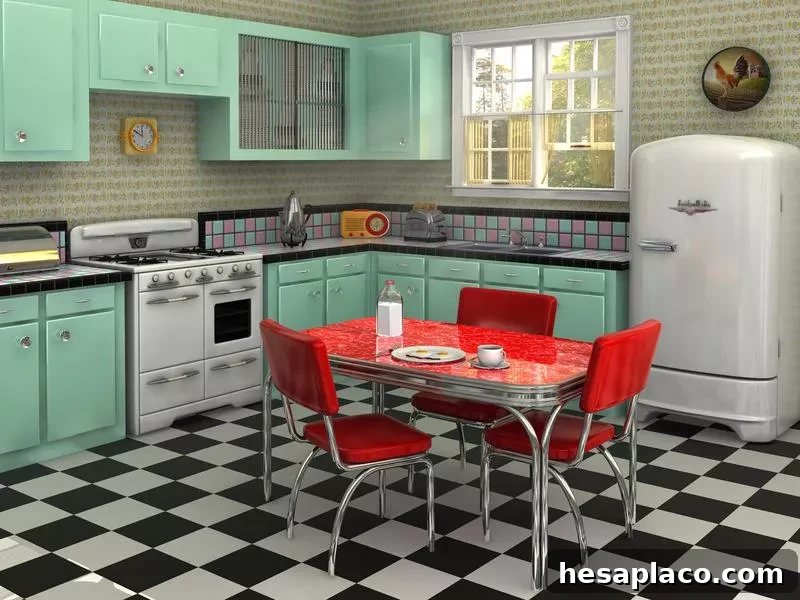
An updated kitchen sells houses faster than any other improvement, realtors say. Getty Images
Buyers generally prefer move-in-ready homes rather than properties that demand extensive DIY work. Realtors repeatedly advise that the kitchen is the top priority when deciding where to invest in updates. Simple, cost-effective changes—fresh paint, new cabinet hardware, and modern appliances—can dramatically improve the room’s appearance and buyer appeal. If you plan to make a larger investment, start with the kitchen; it often delivers the best return and helps your home sell faster.
Animal Smells

Selling a home with animals is tough. It can be an instant turn off for buyers. Getty Images
Even buyers who love pets can be put off by lingering animal odors. Strong pet smells are a frequent and immediate turnoff; some buyers will eliminate a property from consideration before they even step inside. Thorough cleaning, professional carpet cleaning or replacement, and neutralizing odors from upholstery and HVAC systems can make a big difference. If possible, keep pets away during showings and air the house well.
Poorly Executed DIY Work

When it comes to renovations, it’s usually worth it to pay a licensed contractor to do things correctly. Getty Images
Incomplete or amateur renovations often subtract value rather than add it. Buyers notice mismatched finishes, half-done updates, and makeshift repairs. For important jobs—tiling, plumbing, electrical, or structural work—hire licensed professionals who will deliver a durable, polished result. A properly finished remodel reassures buyers and avoids the impression that more hidden problems might exist.
Unfavorable Location

How your house is situated in its surroundings has a powerful impact on its resale value. Getty Images
Location is a core factor buyers consider, and it’s largely outside a seller’s control. A small yard, proximity to heavy traffic, or an undesirable neighborhood can be deal breakers. When location is a drawback, price your home competitively and highlight compensating features—upgraded systems, curb appeal, or interior renovations—that help buyers overlook the setting.
Bold Paint Colors or Excessive Wallpaper
Wallpaper is difficult to remove, and sometimes too personal to appeal to buyers. Getty Images
Unusual wall colors and heavy wallpaper can make rooms feel small or overly personal. Neutral, light tones brighten spaces and help buyers envision their own furnishings in the home. Wallpaper, especially in main rooms, can be time-consuming and costly to remove—another deterrent. If repainting feels like a hassle, many agents will recommend or even offer to help cover the cost because the visual impact is frequently worth the investment.
Outdated Bathrooms
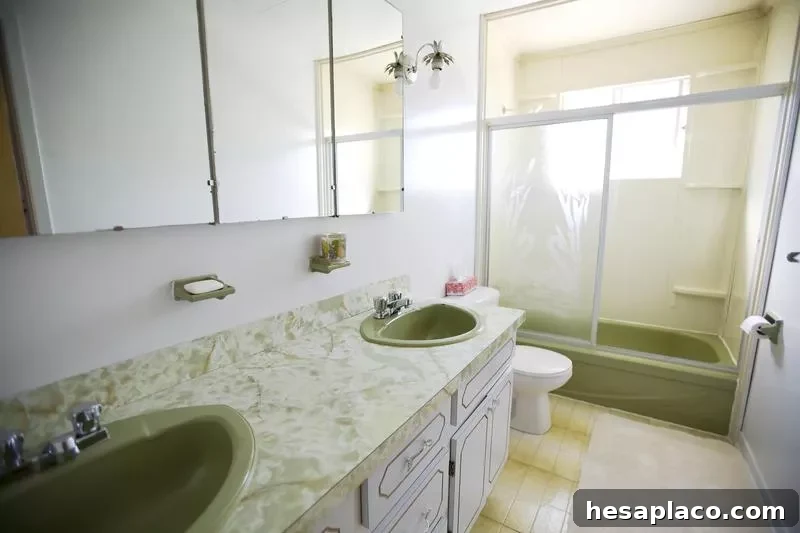
An outdated bathroom can be a pain point in general for buyers. Getty Images
Bathrooms with old-fashioned fixtures, carpeted floors, or dated tile can be significant turnoffs. Replacing bathroom carpet with tile and updating fixtures creates a cleaner, more modern look. Depending on the age and condition of the space, consider targeted upgrades—new vanity, lighting, or a contemporary showerhead—that offer visible improvement without a full gut renovation. These changes often pay back at resale.
Personal Items and Unusual Décor

Sellers should remove items that may be viewed as superstitious or tied to very strong points of view, such as statues, odd paintings, artifacts like masks or crystals. Getty Images
Too many personal photos, strong political or religious symbols, or quirky collections can distract buyers and make it harder for them to imagine the home as their own. Decluttering and removing highly personalized or potentially divisive items helps neutralize the space. Simple staging or rearranging furniture and décor can dramatically improve the home’s appeal.
Popcorn Ceilings

Buyers hate popcorn ceilings; better to replace them. Getty Images
Popcorn ceilings are frequently mentioned by buyers and can date a home significantly. While not always a deal breaker, they prompt questions about hidden issues and future repair costs. Getting a contractor estimate to remove or smooth the ceiling can be a smart pre-listing expense that improves buyer impressions and shortens market time.
Problematic Room Layouts

You can’t control how each room in the home you’re selling is laid out, but it’s important to know it might be viewed as a problem by a buyer. Getty Images
Older homes can have layouts that don’t match modern preferences—small rooms, awkward traffic patterns, or closed-off kitchens. While layout is fixed, clever staging, removing nonstructural walls when feasible, or rethinking room functions can help buyers see the home’s potential. Some buyers will prefer an intact, well-built older layout; others may want a property they can remake.
Dirt and Clutter

Too much clutter prevents buyers from imagining how they will use your space. Getty Images
A clean, decluttered home invites buyers to picture themselves living there. Excess clutter suggests neglect and can lead to lowball offers. If time is tight, invest in professional cleaning and consider renting a storage unit to temporarily remove excess belongings. Clean floors, sparkling bathrooms, and tidy counters go a long way toward generating strong offers.
Overuse of Air Fresheners

Using heavy air freshener is a warning sign for many buyers. Getty Images
Trying to mask odors with heavy plug-ins, candles, or sprays can backfire: strong scents may make buyers wonder what’s being hidden. Instead, eliminate sources of odor through thorough cleaning, carpet and upholstery treatments, and ventilation. Use very subtle, natural scents if you wish, but avoid overpowering fragrances that raise suspicion.
No Recent Major Updates
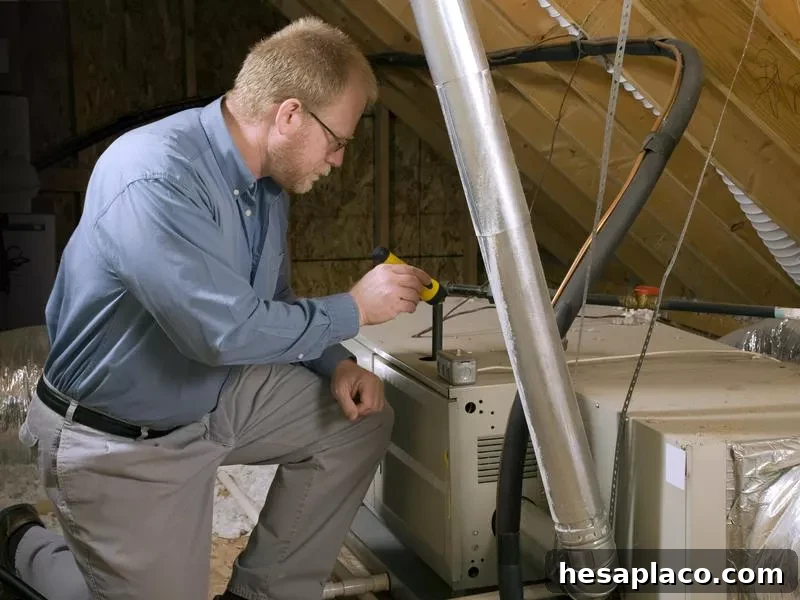
Replacing major appliances or other big-ticket items like the furnace will help sell the house. Getty Images
Buyers expect that major systems—roof, HVAC, furnace, water heater, windows—have reasonable lifespans remaining. If several large items are near the end of their useful life, buyers may be discouraged or factor substantial repair costs into their offers. Consider replacing or servicing high-ticket components before listing, or be prepared to adjust price expectations to reflect upcoming maintenance needs.
Addressing these common issues—updating kitchens and bathrooms, eliminating odors, decluttering, and fixing or disclosing major system concerns—can substantially increase buyer interest and improve sale outcomes. A targeted investment in the right areas often shortens time on market and attracts better offers.