
Cutting energy costs doesn’t mean sacrificing comfort. With the right devices you can maintain a cozy, functional home while reducing electricity bills. Below are 15 practical devices that help lower energy use, explained in clear, actionable terms so you can decide which upgrades make sense for your home.
Energy Monitors
Credit: Amazon
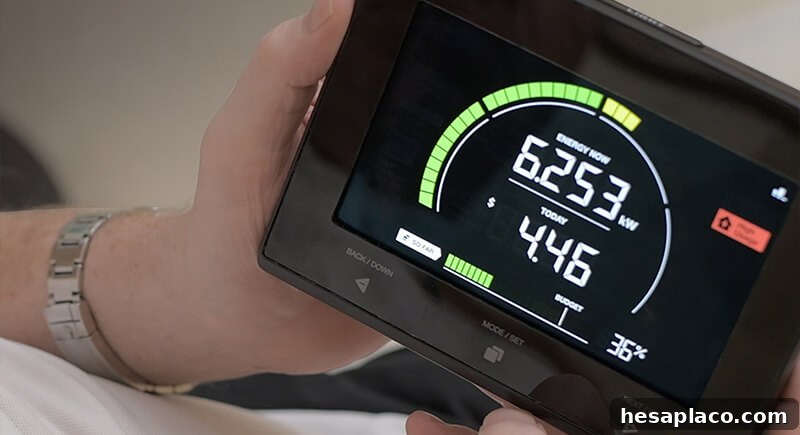
Energy monitors show which devices or circuits consume the most power, often in real time. Many pair with smartphone apps or smart assistants so you can track usage, spot wasteful appliances, and change habits or schedules to cut costs.
Smart Plugs
Credit: Youtube
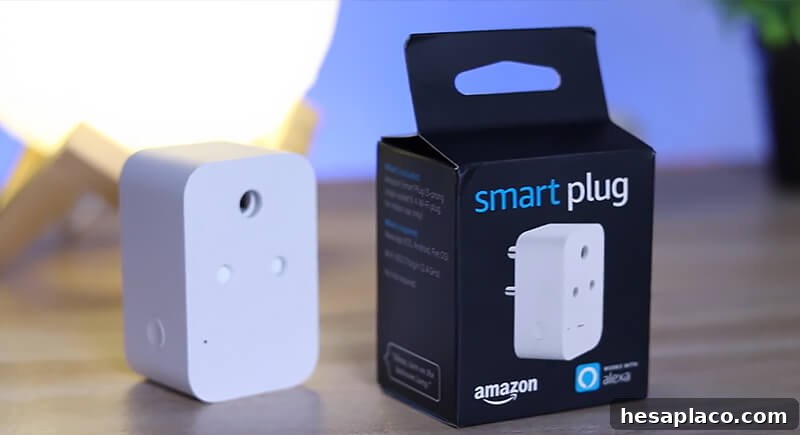
Many electronics draw power even when “off.” Smart plugs let you schedule, remotely switch, or voice-control devices to eliminate that standby drain. They’re an inexpensive way to reduce phantom loads from chargers, TVs, and entertainment gear.
Smart Power Strips
Credit: flickr
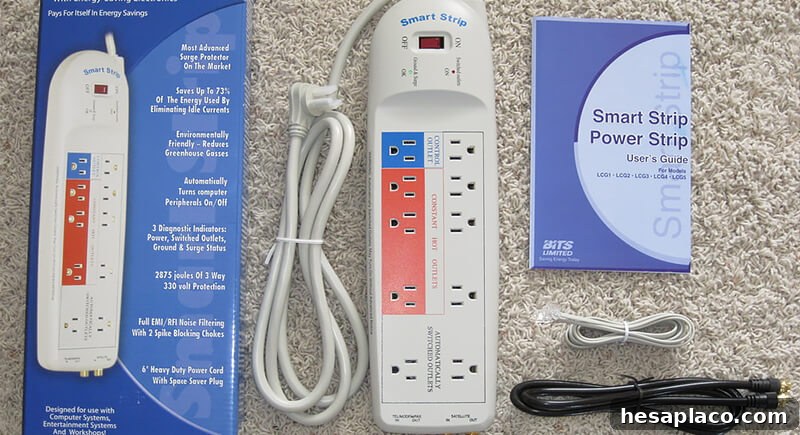
Smart power strips automatically cut power to peripherals when a main device turns off or after a set idle time. Some include timers or motion sensors. They’re a simple fix for preventing hidden energy leaks from printers, speakers, and monitors.
Smart Thermostat
Credit: flickr
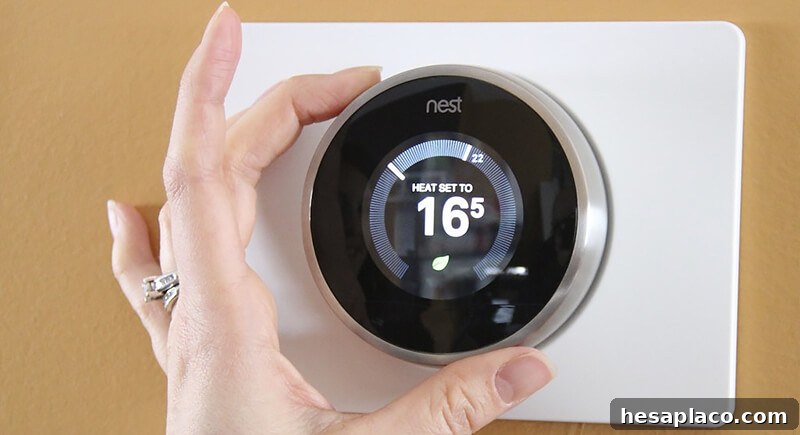
Smart thermostats learn your schedule and adjust heating and cooling automatically, reducing runtime when you’re away or asleep. Over time they can lower HVAC costs by optimizing setpoints and avoiding unnecessary operation.
Heat Sensors
Credit: Reddit
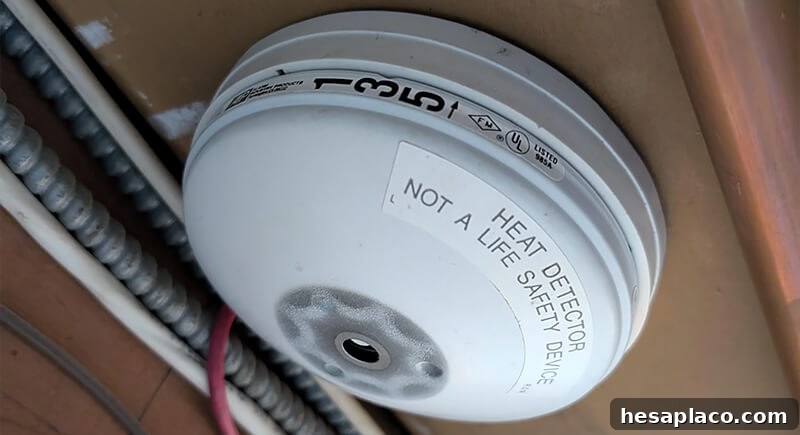
Thermal cameras and heat sensors reveal drafts and insulation gaps around windows, doors, and vents. Identifying problem spots lets you seal leaks or add insulation, which reduces heating and cooling losses—often at a fraction of the cost of major upgrades.
Smart Glass
Credit: priviglaze
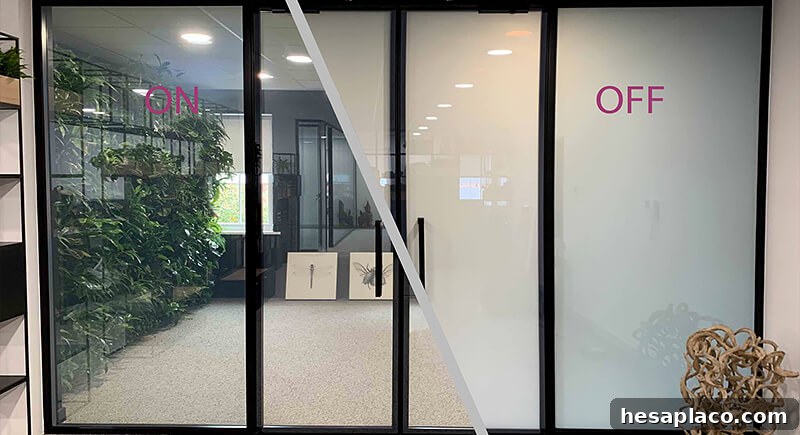
Switchable or electrochromic glass changes tint to control solar heat gain and glare. While initially more costly than conventional windows, smart glass can reduce cooling demand and improve comfort without blocking views.
Energy-Efficient Windows
Credit: iStockphoto
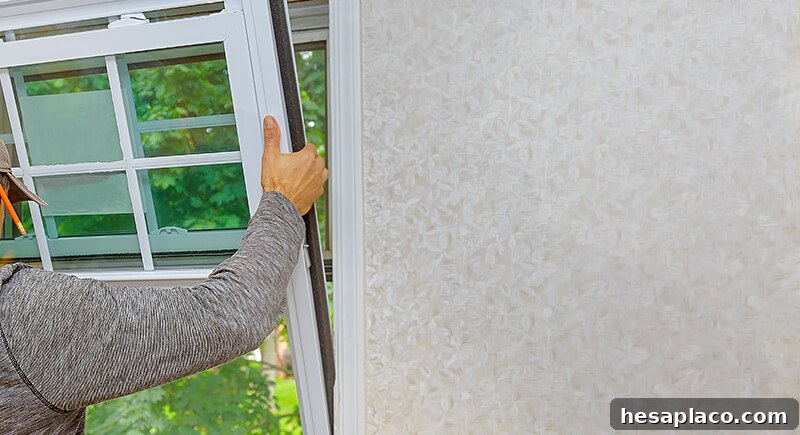
Replacing old single-pane windows with double-glazed units and low-emissivity (low-E) coatings improves insulation, reducing heat loss in winter and heat gain in summer. Properly chosen windows let in daylight while lowering HVAC demand.
Motion Sensor Switches
Credit: Reddit
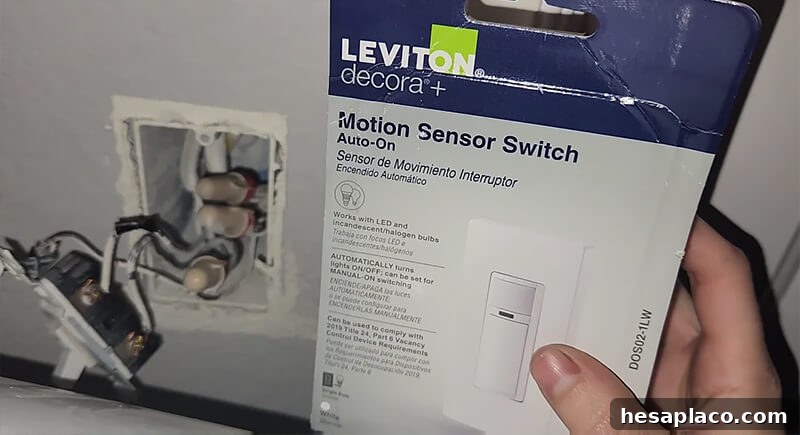
Motion-activated lighting automatically turns lights on when a room is occupied and off after it’s empty. These switches are especially useful in hallways, closets, garages, and laundry rooms where lights are often left on unnecessarily.
Dimmer Switches
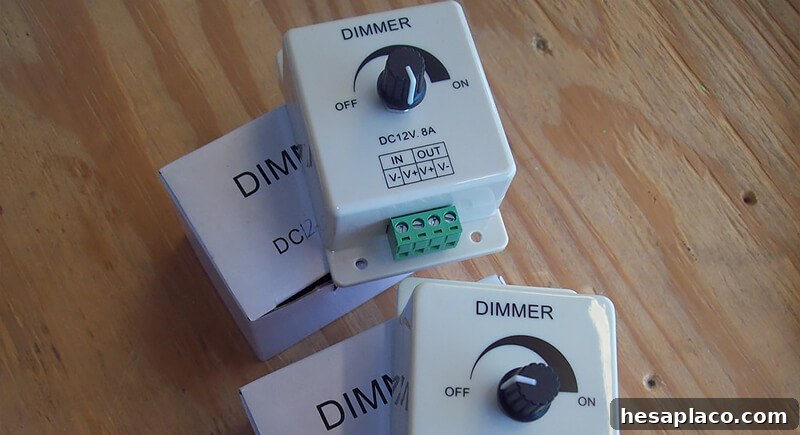
Credit: flickr
Dimmers let you match light output to need, reducing wattage and extending bulb life. Paired with LEDs, modern dimmers offer smooth transitions, presets, and remote control for convenience and energy savings.
Smart Blinds
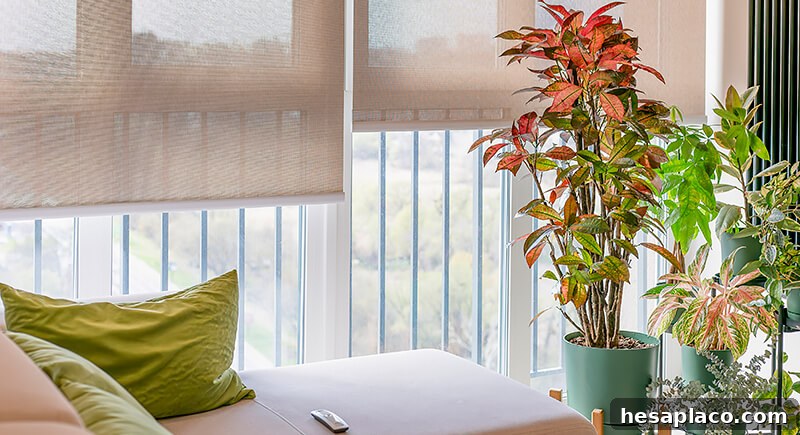
Credit: iStockphoto
Motorized blinds and shades can be scheduled or triggered by light and temperature sensors to block solar heat in summer and trap warmth in winter. Automating window coverings reduces HVAC load without daily manual adjustments.
Solar-Powered Chargers
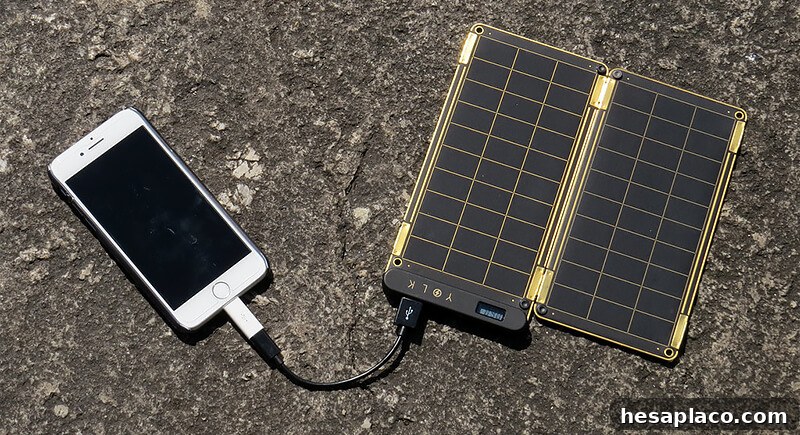
Credit: flickr
Portable solar chargers won’t power major appliances but can keep phones, tablets, and small electronics topped up without using household electricity. They’re handy for outdoor work, travel, or placing near bright windows to offset small loads.
LED Light Bulbs
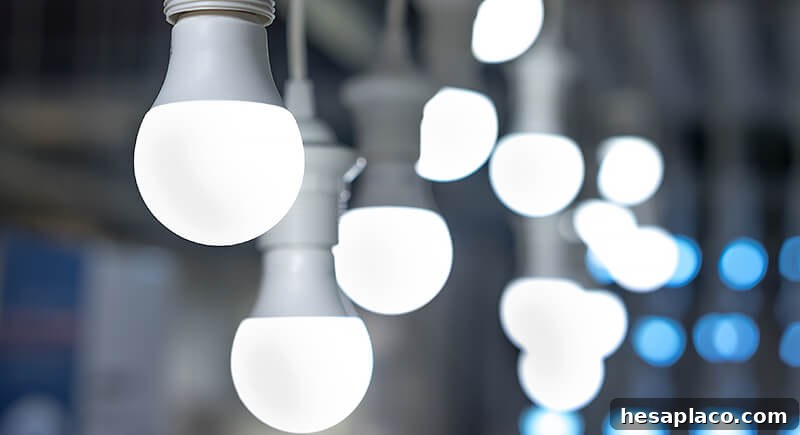
Credit: iStockphoto
LED bulbs are one of the highest-impact swaps for homes: they use far less energy than incandescent bulbs and last much longer. Available in multiple color temperatures and brightness levels, LEDs reduce lighting costs while improving quality of light.
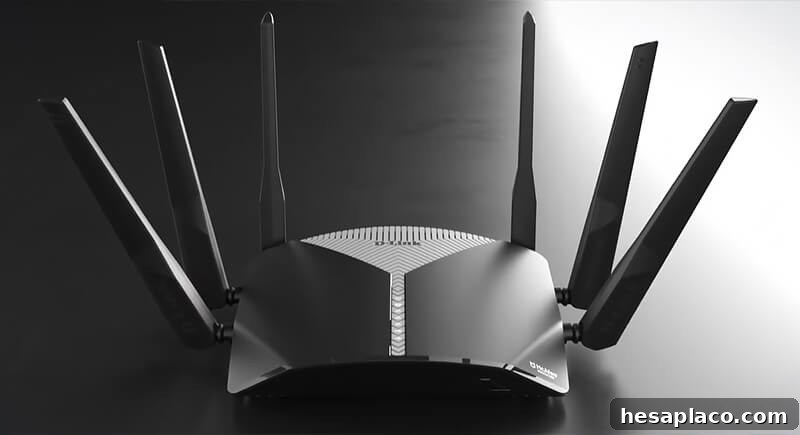
Smart Routers
Credit: Youtube
Smart routers offer power-saving features like scheduled low-power modes and device prioritization. In homes with many connected devices, managing network activity can slightly reduce overall standby consumption and improve efficiency.
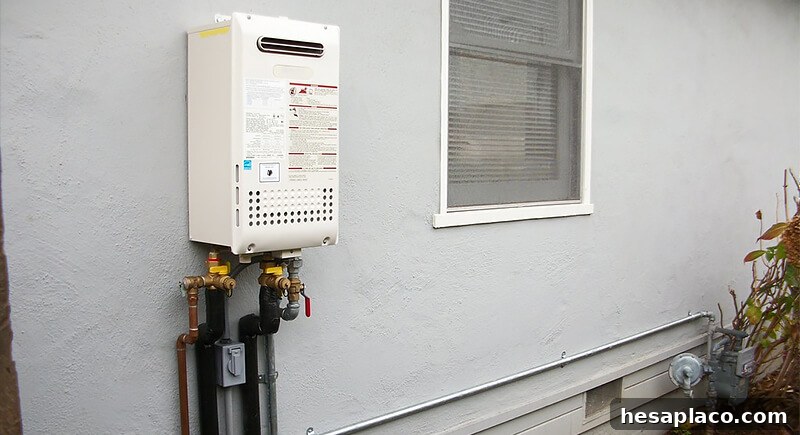
Tankless Water Heaters
Credit: flickr
Tankless water heaters heat water on demand instead of maintaining a hot tank, eliminating standby heat loss. For households with moderate hot water use, they often reduce energy consumption compared with traditional tank systems.
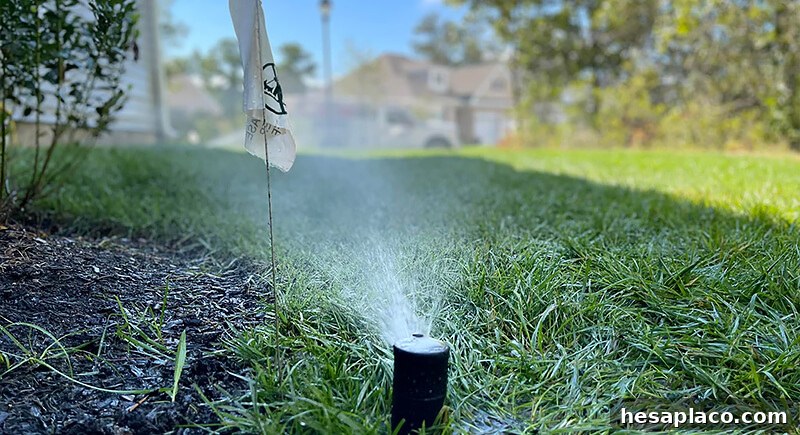
Smart Irrigation Systems
Credit: Facebook
Smart irrigation controllers use weather forecasts and soil moisture data to avoid unnecessary watering. By preventing wasted cycles, they cut water use and associated pumping energy while keeping lawns and gardens healthy.
Combining several of these devices—like LED lighting, a smart thermostat, and energy monitors—delivers the best results. Start with easy, low-cost upgrades that stop obvious waste, then consider larger investments such as efficient windows or tankless water heaters as your budget allows. Small changes add up to meaningful savings and a more comfortable, efficient home.