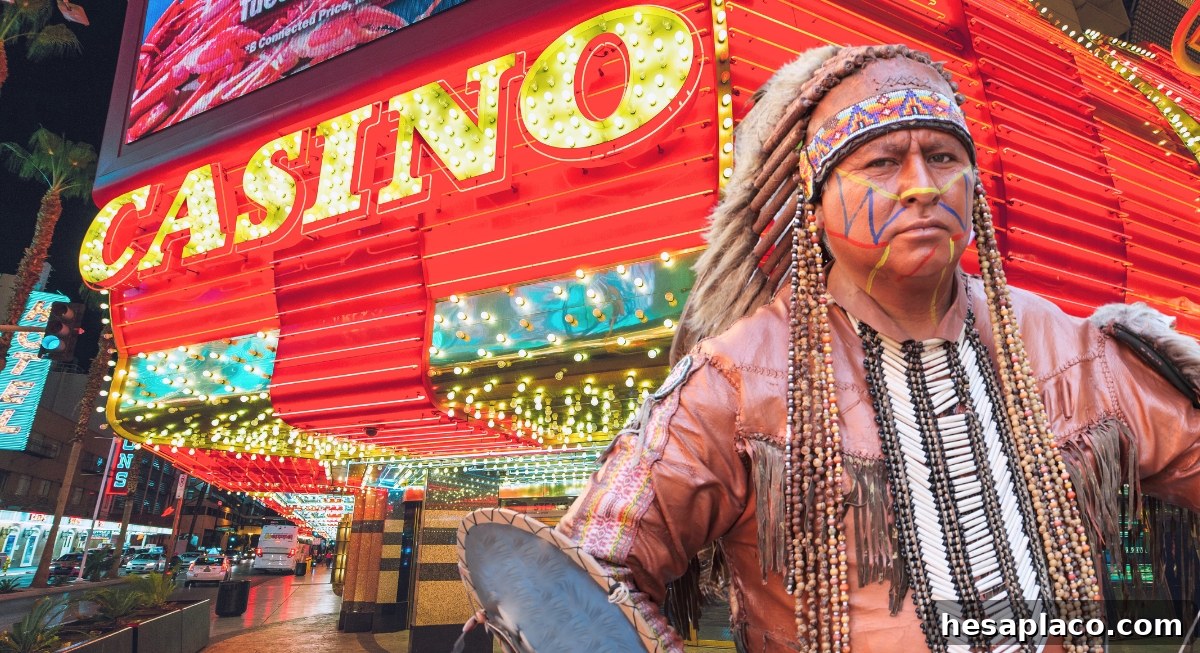
Native American casinos are far more than slot machines and bingo nights. They represent a complex history of legal struggle, tribal sovereignty, and efforts to build economic self-sufficiency within a distinct legal framework.
Beneath the flashing lights and spinning reels lie stories of resilience, regulation, and community reinvestment. The following overview highlights important, often overlooked facts about tribal casinos and the role they play for many Native nations.
Sovereignty Laid the Groundwork for the First Casino
Credit: flickr
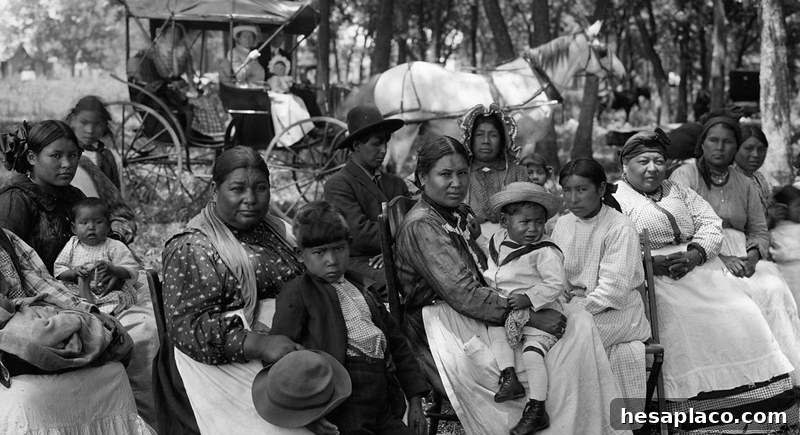
In 1979 the Seminole Tribe opened a bingo hall in Florida that quickly became a flashpoint. County officials sought to close it, but after litigation the U.S. Supreme Court’s 1981 rulings affirmed that federally recognized tribes exercise sovereign authority that limits state interference with on‑reservation gaming. That legal recognition set a precedent for the expansion of tribal gaming nationwide.
Casino Revenue and Tax Rules

Credit: Canva
Tribal governments generally do not pay federal or state income taxes on government revenues, including many casino earnings. That exemption does not mean there are no financial obligations: negotiated revenue‑sharing compacts often require tribes to transfer a portion of gaming proceeds to state or local governments. Additionally, tribal employees pay income taxes on wages, distributions to tribal members can have tax implications, and individual players are responsible for taxes on gambling winnings.
Tribal Gaming Surpasses the Las Vegas Strip in Aggregate Revenue
Credit: Getty Images
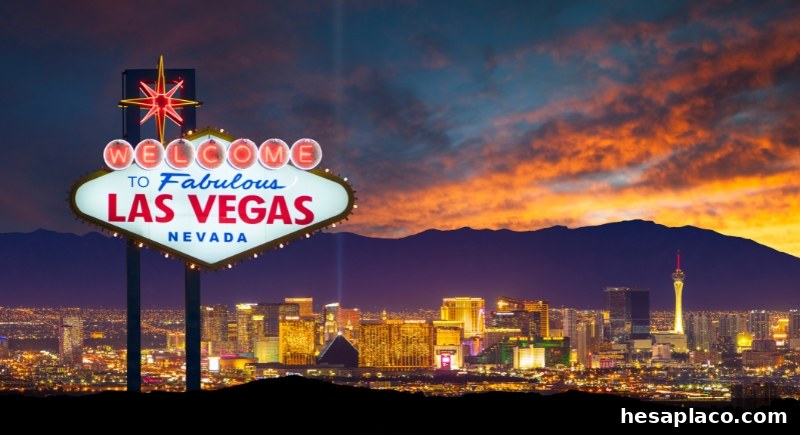
Collectively, tribal casinos generate substantial revenue. In 2021 tribal gaming reported roughly $39 billion in revenue—reflecting the scale of hundreds of casinos across the country and the economic impact of serving local and regional markets. This aggregate figure underscores how tribal gaming is a major economic sector distinct from, and in many cases larger than, individual commercial gaming centers like those on the Las Vegas Strip.
Security and Law Enforcement Differ on Tribal Lands

Credit: flickr
Security at tribal casinos is often handled by trained tribal officers who operate under tribal law and may have arrest and detention authority on reservation land. Jurisdictional rules can be complex: while tribal officers can detain suspects, law enforcement authority over non‑Native individuals and certain crimes may fall to federal or state agencies, depending on the circumstances and applicable law.
Games Are Regulated Differently Than State‑Run Casinos
Credit: Wikimedia Commons
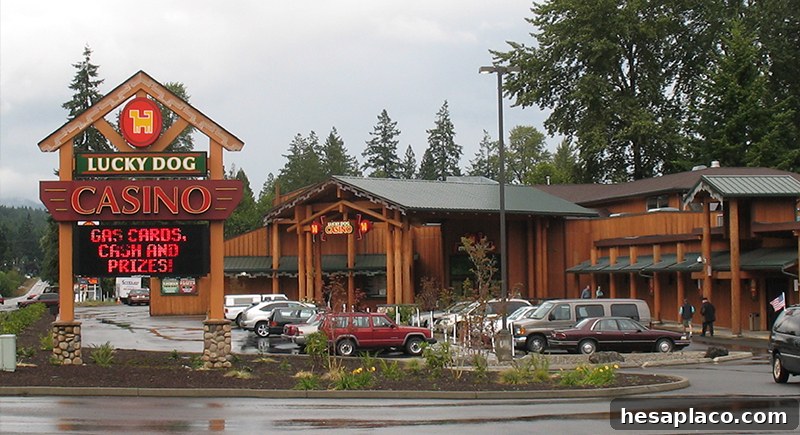
Tribal gaming is overseen by the National Indian Gaming Commission (NIGC), and tribes negotiate specific gaming compacts with states for certain types of games. Unlike Nevada’s uniform state regulatory approach, tribes set many operational rules, including payout structures and machine configurations, within the framework of federal and compact requirements. As a result, two similar machines on different reservations may offer different experiences and payout rates.
A Landmark Tribal Acquisition in Las Vegas
Credit: flickr
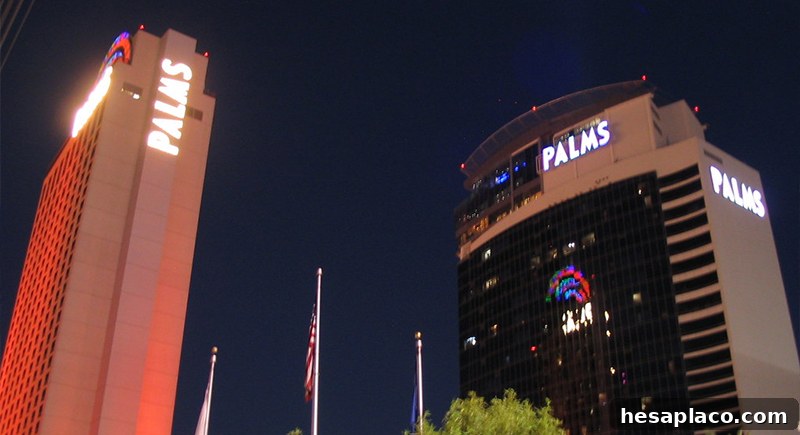
In 2021 the San Manuel Band of Mission Indians purchased the Palms Casino Resort in Las Vegas for $650 million. That acquisition marked a notable moment: a tribal nation acquiring and operating a major resort property in one of the world’s most competitive gaming markets, signaling the growing commercial reach and business sophistication of some tribal enterprises.
Not All Tribal Casinos Are Operated Directly by Tribes

Credit: flickr
Some tribes contract with outside management companies or enter partnerships with private investors to operate gaming facilities. Major commercial casino operators have managed tribal venues in some states under contractual arrangements. These partnerships can bring operational expertise and capital but also raise governance and revenue‑sharing considerations that tribes must weigh carefully.
Profits Often Fund Community Services and Infrastructure
Credit: flickr
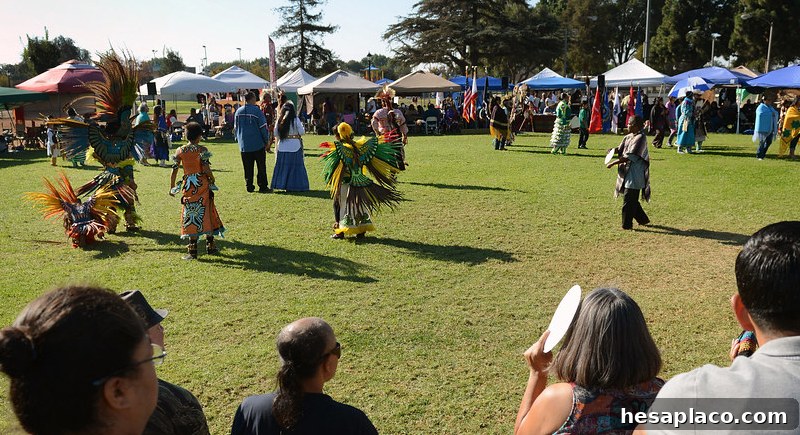
For many tribal nations, gaming revenue supports essential services and capital projects. Funds are often allocated to health care facilities, schools, housing, elder care, and community development. For example, some tribes have invested casino proceeds in medical and dental centers, senior housing, and local charitable grants, creating tangible benefits across tribal communities.
Casinós Have Measurable Impacts on Employment and Population Trends

Credit: Wikimedia Commons
Opening casinos has often led to job creation, reduced unemployment, and a return of tribal members to reservations. Some studies have documented significant declines in unemployment and increases in reservation populations following the establishment of gaming facilities. The economic opportunities offered by casinos can encourage people to return to tribal lands and participate in community life.
Some of the Largest Casinos Are Tribal‑Owned

Credit: Wikimedia Commons
Several of the world’s largest casinos are owned and operated by tribal nations. WinStar World Casino and Resort in Oklahoma, operated by the Chickasaw Nation, spans a vast footprint, and other major properties—such as Foxwoods Resort Casino in Connecticut—are also run by tribes. These facilities compete on scale and amenities with major commercial resorts.
Local Challenges and Social Concerns
Credit: flickr
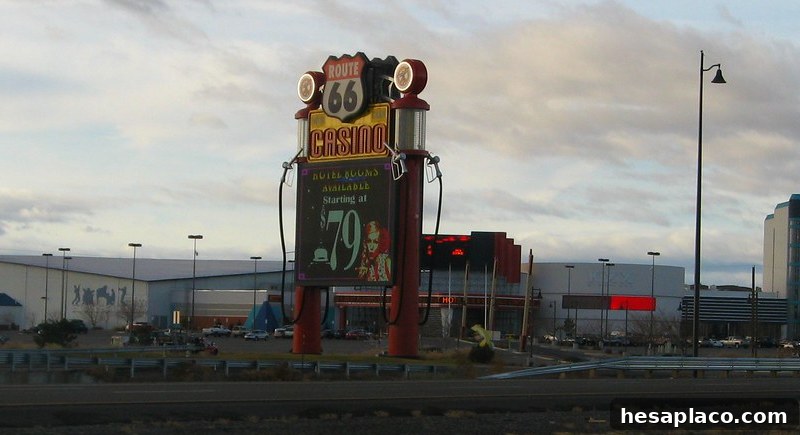
While casinos bring economic opportunities, they can also create local challenges. Areas near gaming facilities sometimes experience increases in certain types of crime, vehicle theft, or financial distress. Additionally, gambling addiction is a significant concern in many Native communities, prompting tribes to invest in prevention and treatment programs alongside economic development.
Federal Law Frames Tribal Gaming Agreements
Credit: Getty Images
The Indian Gaming Regulatory Act (IGRA) of 1988 remains the legal foundation for tribal gaming. IGRA affirms tribal authority to conduct gaming on Indian lands while establishing federal standards and requiring compacts with states for certain classes of gaming. The balance struck by IGRA continues to influence how casinos develop and how tribes, states, and the federal government interact over gaming policy.
Diverse Gaming Experiences Across Reservations
Credit: flickr
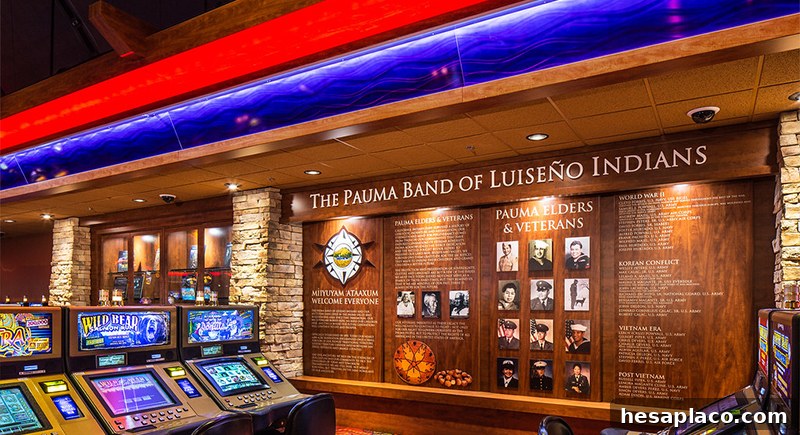
No two tribal casinos are exactly alike. Some remain modest bingo halls serving local communities, while others operate as full-scale resorts with hotels, entertainment, and luxury amenities. Location, tribal governance, market demand, and cultural priorities all shape what each casino becomes.
Public Misconceptions and the Reality of Shared Benefits
Credit: flickr
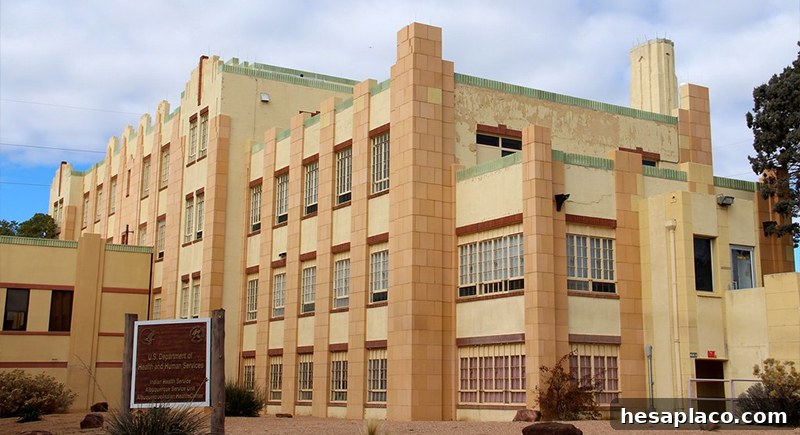
A common misunderstanding is that tribal casinos automatically produce personal wealth for every tribal member. In practice, many tribes channel gaming profits into collective services and long‑term investments rather than direct individual payments. Decisions about revenue use are usually made by tribal governments and are governed by internal policies and oversight mechanisms.
Casinos Support Cultural and Political Self‑Determination
Credit: Wikimedia Commons
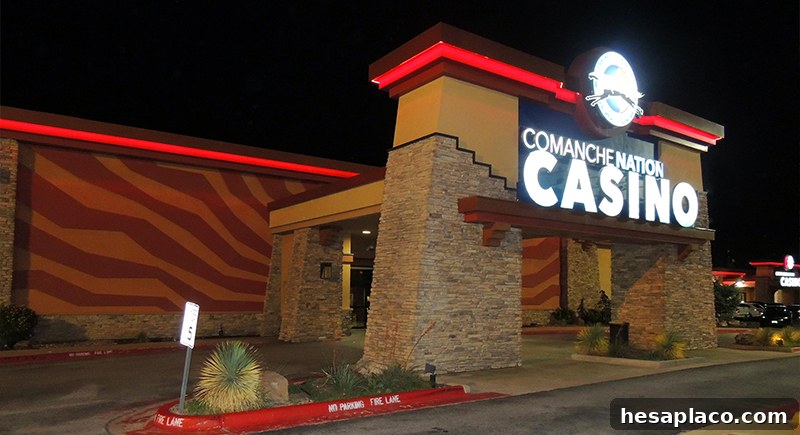
Beyond revenue, gaming enterprises have been used to strengthen tribal sovereignty and self‑determination. Many tribes use gaming income to fund language preservation, cultural programming, legal institutions, and other efforts that reinforce political and cultural autonomy. While not every tribe operates a casino, for many that do, gaming has become a powerful tool for economic development and community resilience.