
Research from early 2024 indicates that only about 16% of U.S. workers regularly use AI tools at work; most have little to no exposure. Despite widespread attention, practical adoption remains limited. That gap, however, creates opportunity for individuals who learn to apply AI thoughtfully—saving time and sharpening skills. Below are practical, actionable ways to begin integrating AI into daily routines and professional practice.
Automate Repetitive Daily Tasks
Credit: Canva
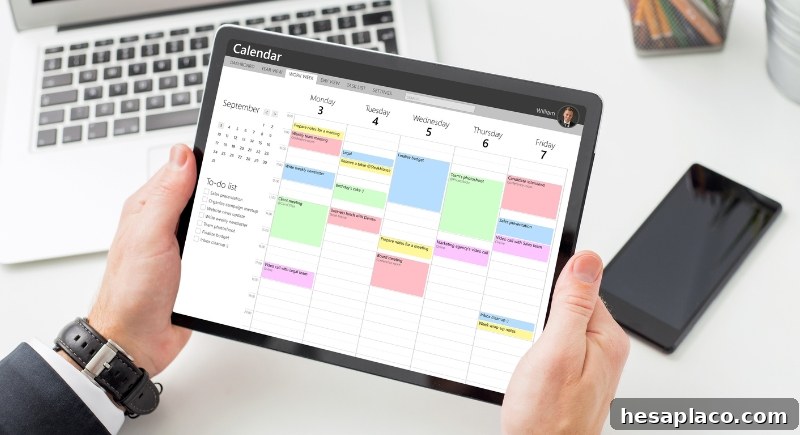
AI excels at routine, low-value work: sorting emails, managing calendars, cleaning up spreadsheets, or generating basic summaries. Automating these tasks reduces the number of daily decisions you must make, lowering mental fatigue and helping you focus on higher-impact work. Workflow tools and automation platforms can also minimize context-switching so you stay productive in a single flow.
Build Skills AI Can’t Replicate

Credit: Getty Images
Don’t spend all your time training skills that AI handles better. Routine writing, formatting slides, or organizing notes are prime candidates for automation; overinvesting in them makes your role more replaceable. Instead, focus on communication, leadership, strategic thinking, and emotional intelligence—areas where human judgment, creativity, and relationship management matter most.
Prepare Smarter for Interviews and Presentations

Credit: pexels
Use AI to refine talking points before meetings, interviews, or presentations. Ask it to identify gaps, clarify language, or point out unclear areas. Advanced assistants can also simulate likely questions so you can practice concise, persuasive responses and anticipate follow-ups.
Start With One Useful Tool and Master It

Credit: pexels
Many give up on AI because they try to learn too many tools at once. Instead, choose one tool that solves a real problem—drafting emails, summarizing articles, or generating templates—and learn its strengths, limitations, and best prompts. Mastery of a single tool yields more benefit than shallow familiarity with many.
Stay On Top of Trends

Credit: Getty Images
Organizations that adopt AI earlier often gain productivity and competitive advantages. Use AI to summarize industry reports, scan press releases, or condense research so you notice shifts before they become obvious. This early awareness helps you adapt strategies and maintain relevance.
Practice Better, More Specific Prompts

Credit: Getty Images
General requests produce vague results. Give clear, specific prompts instead—for example, “Write a 100-word summary of leather jacket trends for teenagers,” rather than “Write something about fashion trends.” Precise prompts produce more usable output and teach you to think more clearly about the outcomes you want.
Understand How AI Impacts Your Industry

Credit: Canva
Industries adopt AI at different rates—finance and logistics integrated machine learning years ago, while others are only beginning. Stay informed about adoption patterns and likely impacts so you can align your skills and work processes with how your field is evolving.
Test Ideas Quickly Without Heavy Investment

Credit: Canva
AI lowers the cost of experimentation. Whether planning a trip, organizing an event, or outlining a small project, an AI assistant can draft an itinerary, generate a checklist, or propose a timeline. These initial drafts turn scattered ideas into tangible plans you can refine without major upfront investment.
Support Language Learning

Credit: 89stocker
AI can reinforce language learning through vocabulary quizzes, pronunciation feedback, grammar explanations, and short conversation practice. On-demand help keeps practice consistent and manageable, allowing steady progress toward fluency when combined with real-world practice.
Ensure Efficient Personal Organization

Credit: Africa Images
Without a consistent system, daily planning drains focus and turns you into a reactive planner. Tools that suggest realistic time blocks and help prioritize tasks can reduce friction, protect focus time, and keep work aligned with important goals.
Improve Decision-Making with Structured Input

Credit: Getty Images
AI won’t tell you what to do, but it can run structured cost-benefit analyses and surface risks or blind spots. Provide your objectives and data, then use the output as a filter to highlight consequences or alternatives you may have missed—treating AI’s suggestions as one input among many.
Simplify Meal Planning and Cooking

Credit: Base Image
Meal planning is another area where AI can reduce decision fatigue. Use it to generate recipes, suggest ingredient substitutions, create prep timelines, and build shopping lists tailored to dietary goals—so dinner planning becomes faster and less stressful.
Strengthen Emotional Awareness in Communication

Credit: corelens
For sensitive messages—performance reviews, apologies, or condolences—use AI to test tone and phrasing before sending. This does not replace human judgment but offers a helpful check on how words might be perceived and helps you balance clarity with empathy.
Catch Biases in Content or Strategy

Credit: Getty Images
Run drafts through AI to flag language that might exclude or alienate audiences or that relies on outdated assumptions. Even quick scans can identify problematic phrasing and help you produce more inclusive and effective communication.
Streamline the Job Application Process

Credit: Canva
Job searches often feel overwhelming. AI can help format resumes, improve phrasing, tailor descriptions to specific job postings, and draft targeted cover letters—saving time and increasing the clarity and relevance of your applications.
Adopting AI thoughtfully means using it to remove friction, amplify uniquely human strengths, and make better-informed decisions. Start small, learn deliberately, and use these tools as amplifiers rather than replacements for your judgment and expertise.