
The rising cost of living is affecting every corner of daily life, and auto insurance is no exception. Across the United States, premiums are climbing as insurers respond to a mix of factors such as traffic congestion, theft, severe weather, and a higher share of uninsured drivers. Below is an overview of U.S. cities experiencing some of the sharpest increases in auto insurance costs and the local conditions driving those increases.
Los Angeles, California:
Credit: Wikimedia Commons
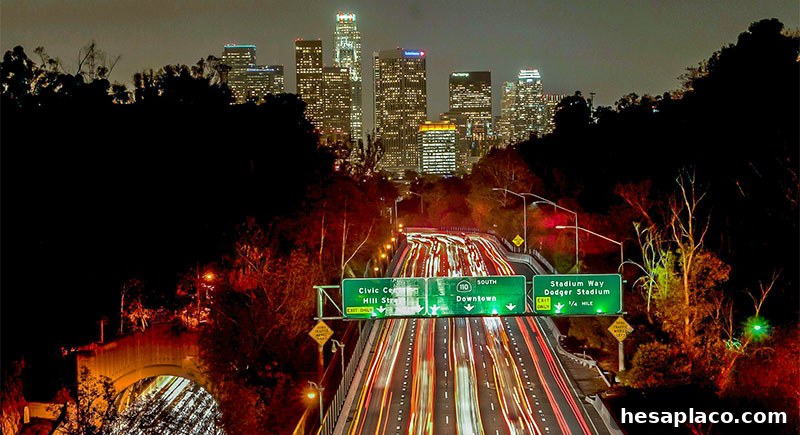
With dense traffic, heavy congestion and very high vehicle-theft levels—tens of thousands of reported thefts in recent years—Los Angeles presents a costly proposition for insurers. A large population combined with frequent traffic incidents raises the frequency and severity of claims, which translates into higher premiums for drivers.
Tampa, Florida:
Credit: flickr
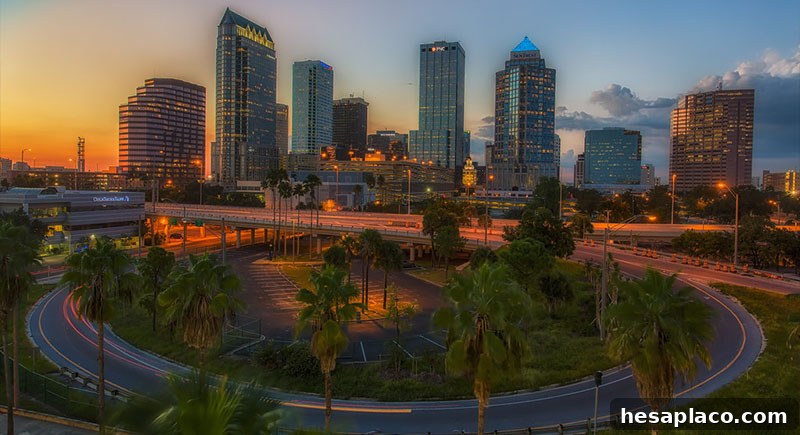
Tampa’s exposure to hurricanes and flooding increases the number of comprehensive claims when vehicles are damaged by severe weather. Population growth and a steady stream of visitors add congestion and accident risk, pushing insurers to raise rates to cover heightened loss exposure.
Cleveland, Ohio:
Credit: Facebook
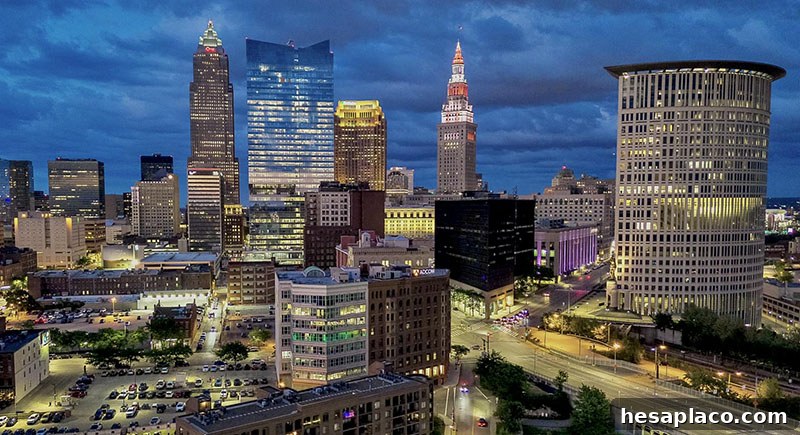
Severe winter weather, icy roads and an elevated share of uninsured drivers contribute to Cleveland’s higher insurance costs. Cold-season collisions spike claims, while a larger uninsured driver population shifts more financial burden onto insured motorists and insurers alike.
Minneapolis, Minnesota:
Credit: flickr
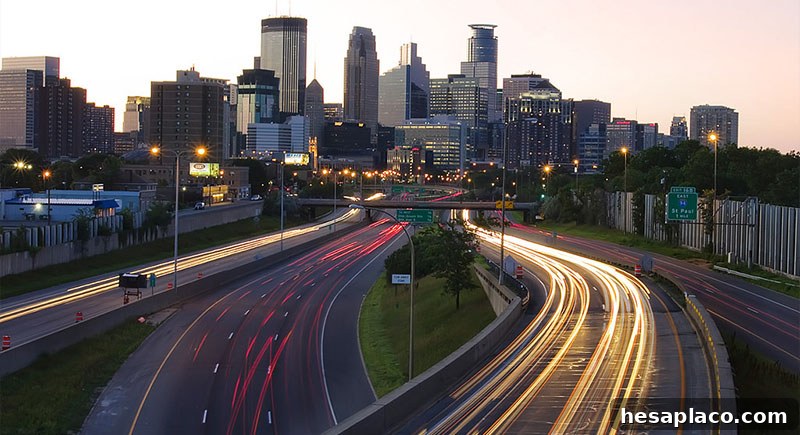
Harsh winters with heavy snow and ice increase accident frequency in Minneapolis. The city’s dense urban layout also raises the likelihood of collisions. Minnesota’s no-fault insurance requirements, which mandate personal injury protection, tend to raise policy costs relative to states with different systems.
Detroit, Michigan:
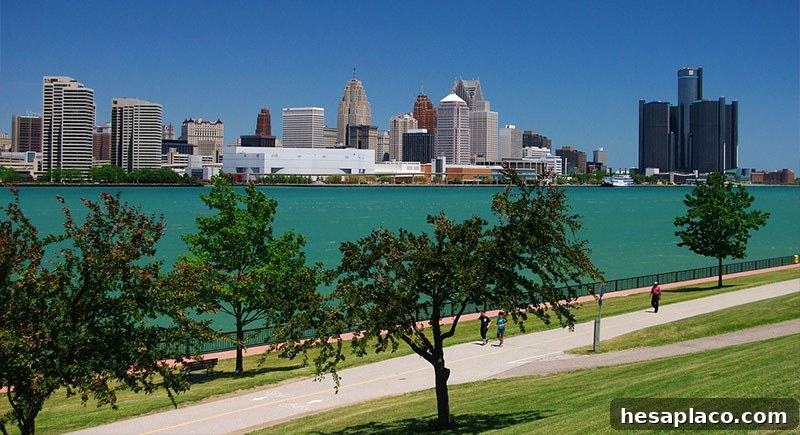
Credit: flickr
Although car thefts in Detroit have decreased from prior peaks, a high proportion of uninsured drivers remains a significant problem. This increases the risk of hit-and-run incidents and unrecovered losses, causing insurers to raise rates to offset the added exposure.
Miami, Florida:
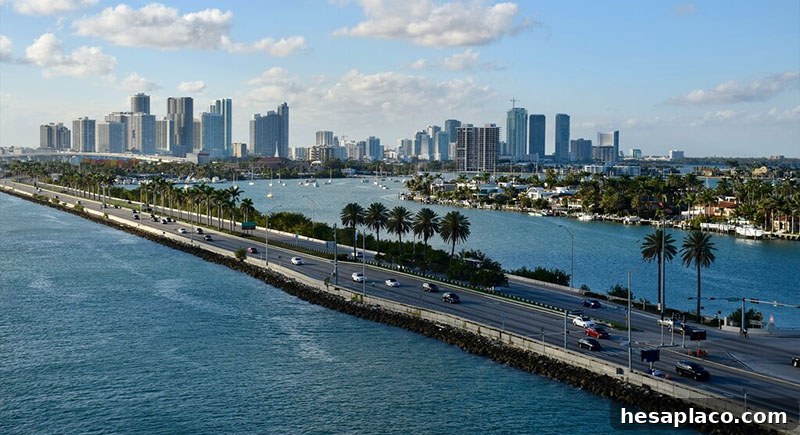
Credit: flickr
Miami faces some of the highest auto insurance costs in the country. High accident rates, heavy tourist traffic and a greater likelihood of vehicle damage in urban settings push premiums well above state and national averages.
New Orleans, Louisiana:
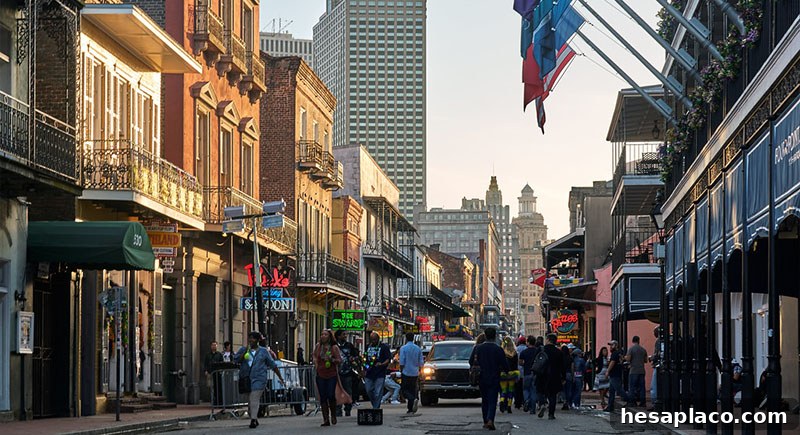
Credit: flickr
Recurrent flooding and a relatively high rate of uninsured motorists increase claim frequency and severity in New Orleans. Water damage to vehicles can be costly to repair or replace, and a larger share of uninsured drivers amplifies financial risk for insurers and policyholders alike.
Atlanta, Georgia:
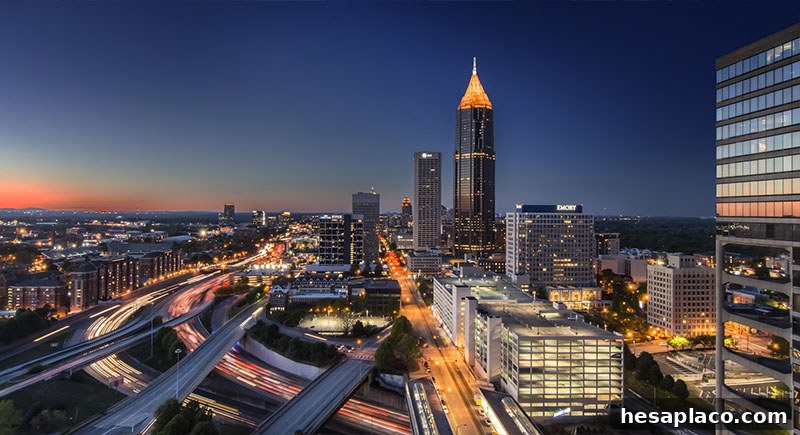
Credit: Wikimedia Commons
As one of the nation’s most congested metropolitan areas, Atlanta records a high volume of traffic accidents. Frequent collisions increase claim payouts, prompting higher premiums to cover the city’s elevated accident risk.
San Francisco, California:
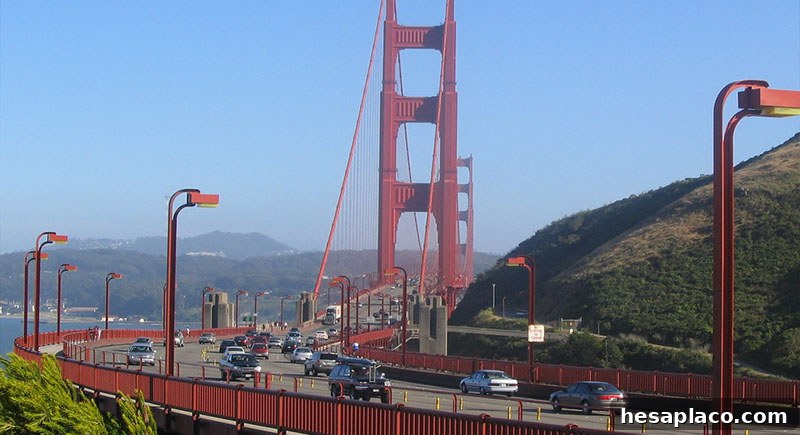
Credit: flickr
San Francisco’s dense population, heavy traffic and high rate of vehicle break-ins contribute to a riskier insurance environment. Elevated theft and vandalism claims, along with frequent urban accidents, push premiums higher for drivers in the Bay Area.
New York City, New York:

Credit: flickr
Insuring a car in New York City brings unique costs: rising theft rates, steep parking and garaging expenses, and dense traffic all increase the likelihood and cost of claims. These factors combine to make NYC one of the more expensive places to insure a vehicle.
Chicago, Illinois:

Credit: Wikimedia Commons
Chicago’s harsh winters lead to a spike in weather-related accidents, increasing claim frequency during colder months. The resulting higher claim costs are reflected in elevated insurance premiums for drivers across the metro area.
Houston, Texas:
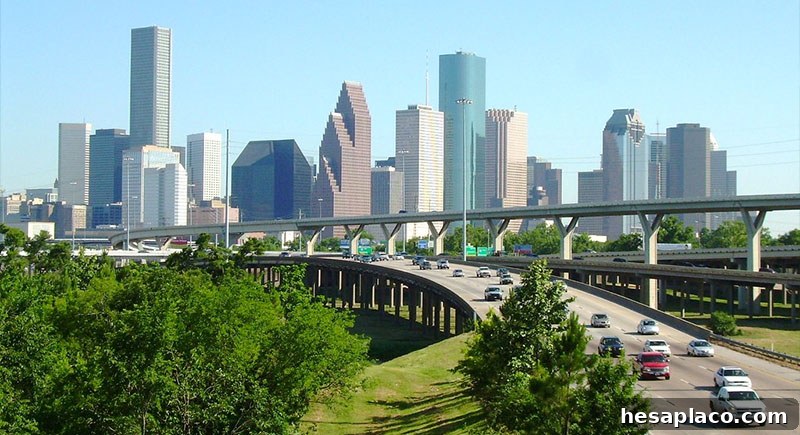
Credit: flickr
Although Texas overall often reports lower-than-average insurance costs, Houston is a notable exception. The city’s large geographic footprint and a substantial percentage of uninsured drivers raise the frequency and financial impact of accidents, contributing to higher premiums.
Baltimore, Maryland:

Credit: flickr
Baltimore’s combination of high vehicle-theft numbers and a notable rate of uninsured drivers increases the likelihood of costly claims. These trends translate into steeper premiums as insurers price in the added risk.
Seattle, Washington:
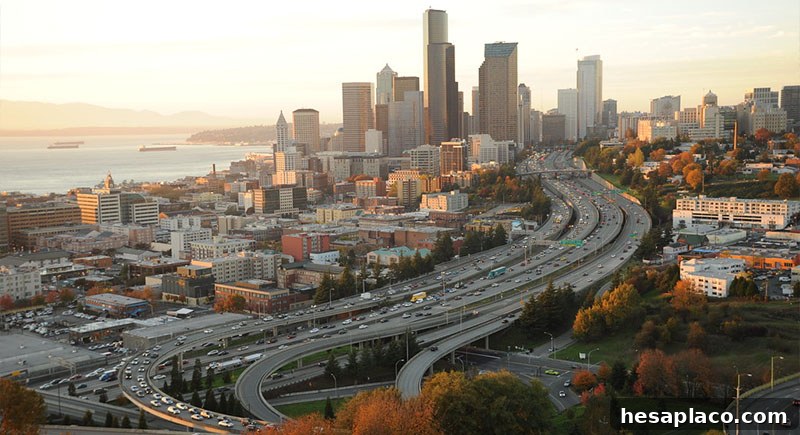
Credit: flickr
Long average commute times and challenging weather conditions contribute to a higher incidence of accidents in Seattle. More time on the road and frequent rain or slick conditions increase claims, which raises insurance costs for local drivers.
Phoenix, Arizona:
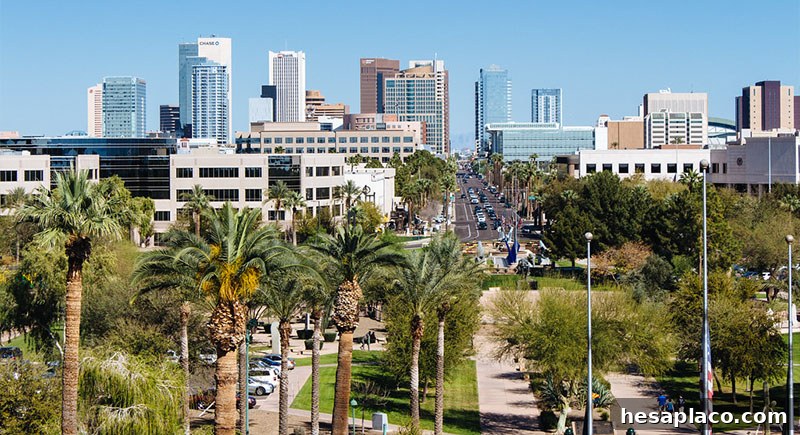
Credit: flickr
Despite wide roads designed for drivers, Phoenix is seeing rising insurance costs due to extreme heat, increasing vehicle wear and more instances of distracted driving. These conditions contribute to higher accident and repair rates, prompting insurers to raise premiums.
Philadelphia, Pennsylvania:

Credit: flickr
Aggressive driving patterns and a higher share of uninsured motorists increase accident frequency and out-of-pocket losses for insured drivers in Philadelphia. These dynamics push insurers to raise rates to offset a heavier claims load.
Denver, Colorado:
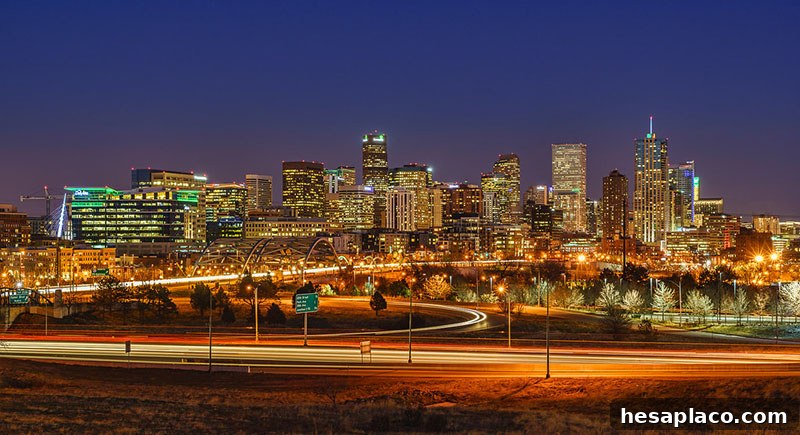
Credit: flickr
Population growth and worsening congestion have pushed Denver into the ranks of America’s more traffic-clogged cities. More cars on the road mean more collisions and higher claim costs, which feed through to increased insurance premiums.
Portland, Oregon:
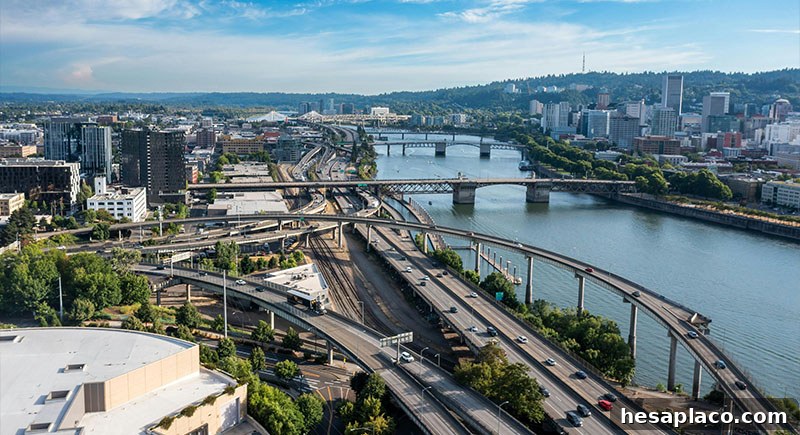
Credit: pexels
Portland’s frequent rain, fog and wet roads reduce visibility and traction, increasing accident risk. A high number of cyclists and pedestrians adds complexity to traffic patterns and raises the likelihood of claims, contributing to higher insurance costs.
San Diego, California:
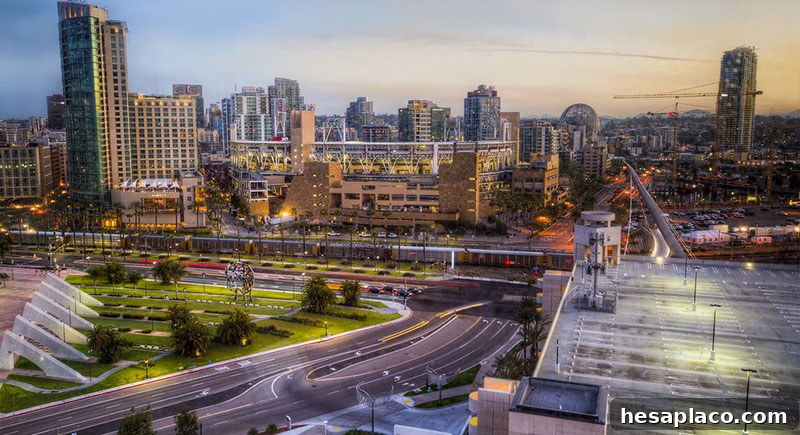
Credit: flickr
San Diego’s favorable climate and extensive freeways do not shield it from rising insurance costs. Proximity to the border contributes to higher theft and uninsured-driver risks in some areas, and the region’s high cost of living increases the overall expense of vehicle ownership, including insurance premiums.
Across these cities, common themes—weather extremes, congestion, theft and uninsured drivers—are forcing insurers to adjust pricing to cover greater losses. For motorists, shopping around, maintaining a clean driving record, bundling policies and asking about available discounts can help manage rising insurance costs in a challenging market.