
Not every valuable skill requires weeks of study or costly classes. Some abilities can be learned in less time than it takes to watch a movie. These quick skills won’t overwhelm your schedule, yet they’ll leave you feeling more capable and prepared. Practical and easy to fit into a lunch break or an evening, they deliver immediate, useful results.
With about 60 minutes and a bit of curiosity, you can pick up more than you might expect.
Recognize a Rip Current Before You’re in One

Credit: Wikimedia Commons
Rip currents can appear calm and unthreatening—an odd gap in the breaking surf or a stretch where foam and whitewater are absent. Those deceptively quiet channels can hide a strong outward pull. Learning what rip currents look like and how to respond if you’re caught—stay calm, float or tread water, swim parallel to shore to escape the flow—are essential skills for anyone who visits the beach.
Use a Fire Extinguisher Without Second-Guessing

Credit: Getty Images
In an emergency there’s no time to study a label. The simple P.A.S.S. method—Pull the pin, Aim at the base of the fire, Squeeze the handle, Sweep from side to side—is easy to learn and practice. A short demonstration or hands-on tryout builds the confidence to act quickly and safely when needed.
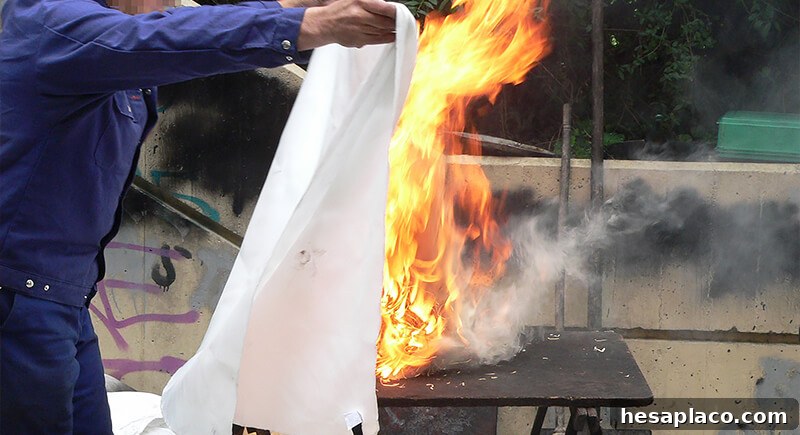
Smother Flames With a Fire Blanket
Credit: Wikimedia Commons
A fire blanket is often the quickest, safest option for small stove-top fires or clothing fires. With one short demonstration you can learn how to drape the blanket over flames, turn off the heat if it’s safe to do so, and allow the fire to starve of oxygen. It’s a low-tech skill that prevents panic.
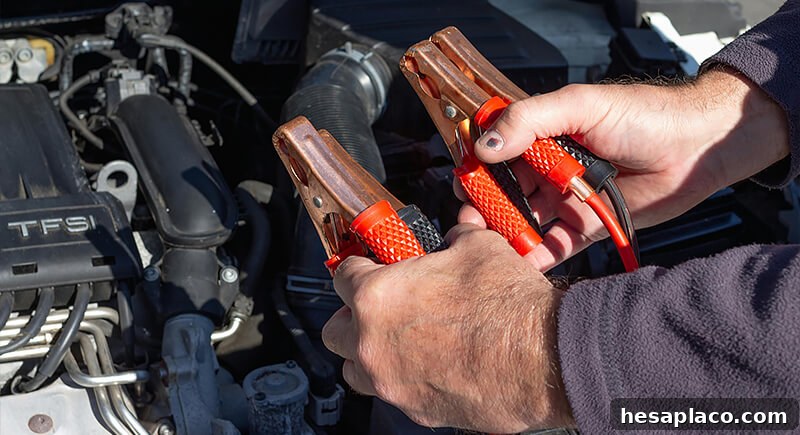
Get a Car Running With Jumper Cables
Credit: pexels
Many people carry jumper cables but hesitate when a battery dies. The procedure is straightforward: connect the positive (+) clamp to the dead battery’s positive terminal, connect the other positive clamp to the donor battery, attach the negative (–) clamp to the donor battery’s negative terminal, and finally connect the remaining negative clamp to an unpainted metal surface on the dead car’s frame. Start the donor car, wait a few minutes, then try to start the dead car. Knowing the sequence and safety precautions makes roadside assistance quick and confident.
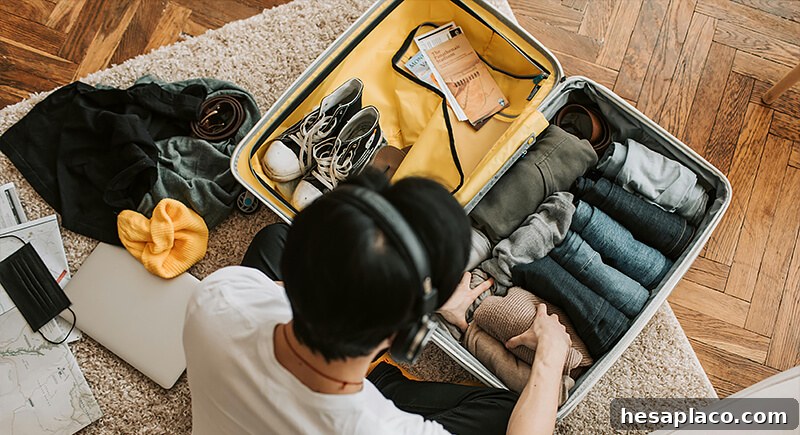
Pack a Suitcase Without Fighting the Zipper
Credit: pexels
Packing well is a repeatable skill. Rolling clothes, layering heavier items, and limiting what you bring lets you fit more and reduce creases. Watching a brief tutorial on packing strategies teaches how to maximize space and avoid the classic “where are my socks?” scenario.
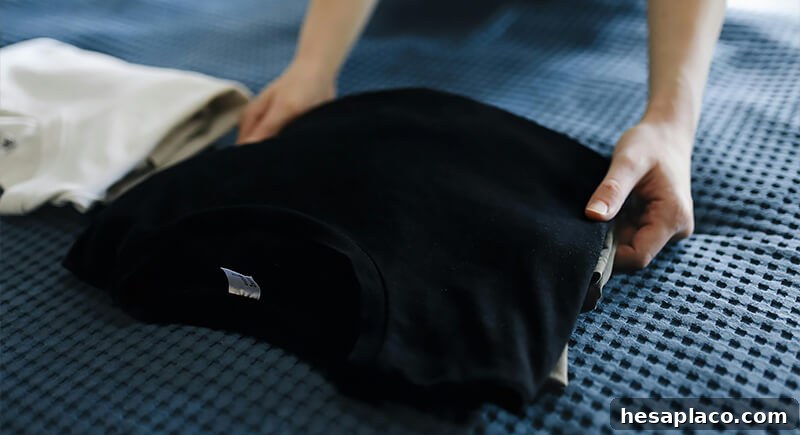
Fold a T-Shirt So It Stacks Cleanly
Credit: pexels
A neat, retail-style fold reduces clutter and makes drawers easier to navigate. Learn a simple method once—pinch, fold, and flatten—and muscle memory will handle the rest. It’s a tiny habit that makes daily routines smoother.
Light a Proper Fire Without Frustration

Credit: pexels
Starting a fire requires more than piling logs; create a structure that lets air flow—a teepee or log cabin arrangement—use dry tinder and kindling, and add progressively larger fuel. When done correctly, flames catch quickly, smoke remains manageable, and you won’t waste matches or struggle to maintain the blaze.
Tie a Necktie or Bow Tie Without Guessing

Credit: pexels
Mastering a half-Windsor or a basic bow tie takes only a few tries. Practice in front of a mirror and follow the pattern slowly at first. Once your hands learn the sequence, you’ll be ready for weddings, interviews, and last-minute formal events without searching for tutorials.
Wrap a Gift That Doesn’t Look Last-Minute

Credit: pexels
Good wrapping doesn’t require perfection—basic techniques for measuring paper, folding neat corners, and using the right tape make a noticeable difference. With a few simple steps and an optional ribbon, you can make a present look intentional instead of last-minute.
Greet People in 30 Different Languages

Credit: Canva
You don’t need fluency to connect. Learning simple greetings—hello, good morning, thank you—in multiple languages like Tagalog, Hindi, Swahili, Spanish, and Mandarin can open doors and spark smiles during travel or multicultural encounters.
Read Faster by Breaking a Habit You Didn’t Know You Had

Credit: pexels
Many readers subvocalize—mentally “saying” each word—which slows reading speed. Practice guiding your eyes faster across lines, use a pointer or finger to pace yourself, and reduce inner speech. Over time this small habit change increases reading speed and comprehension.
Carve Out Focus With One Breathing Technique

Credit: pexels
A quick breathing rhythm can restore calm and focus: inhale slowly for a count of four, hold briefly if comfortable, then exhale for a count of four. Repeating this for a minute or two helps clear mental clutter and sharpen attention.
Do More in Excel With Just Three Functions

Credit: Canva
Excel becomes far more useful once you know a few core functions. SUM totals values, IF applies conditional logic, and VLOOKUP (or its modern equivalents) retrieves matching data from other tables. Master those three and many everyday spreadsheet tasks become quick and automated.
Cook One Dish Without Looking Up the Recipe

Credit: pexels
Having one reliable, flexible meal in your repertoire—like a stir-fry, pasta bake, or simple roasted dinner—means you can cook quickly without checking a recipe. Learn basic ratios, seasoning principles, and simple timings so you can adapt to what’s in the fridge and feed yourself confidently on busy nights.
Pour and Set Your Own Candle
Credit: pexels
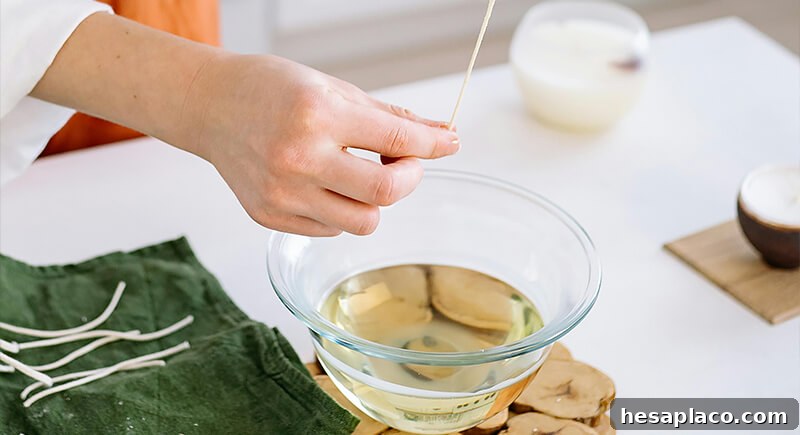
Candle making is simpler than it seems. With wax pellets, a prepared wick, and a container, the steps are melt, pour, and allow to cool. A short session teaches safe melting and pouring techniques and produces a handmade candle with minimal cleanup.
Create a Document Scanner With Your Phone
Credit: Youtube
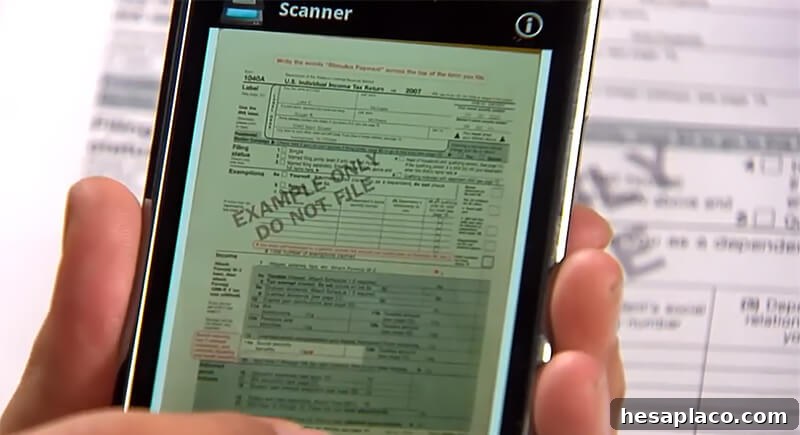
You don’t need a separate scanner. Most smartphones include scanning in their camera app or offer free scanning apps. Frame the document, crop the edges, adjust contrast if needed, save as a PDF, and share. It’s a fast way to digitize forms, receipts, and notes.
Fix Tech Issues by Searching Smarter

Credit: pexels
Many common tech problems are solvable with the right search approach: copy the exact error message, include your device and operating system, and add the word “fix” or “solution.” Review recent forum threads, official support pages, and step-by-step answers. This method often yields a quick fix without calling support.
Start Securing Your Accounts Without Changing Every Password

Credit: Getty Images
Improving account security doesn’t require immediate password changes across the board. Enable two-factor authentication on key accounts and start using a password manager to generate and store strong, unique passwords. These two steps dramatically reduce risk with minimal effort.
Break a Wrist Grab and Create Space

Credit: pexels
A basic wrist-release technique can turn a dangerous grip into an opportunity to escape. The principle: shift your weight, twist your wrist toward the attacker’s thumb (the thumb is the weakest part of the grip), then step back to create distance. Practice slowly until the movement feels natural—this skill gives you time to run to safety and seek help.
Solve the First Step of a Rubik’s Cube

Credit: pexels
Every cuber starts with the white cross. Focus on aligning the white edge pieces with their center colors and forming a cross on one face. With repetition you’ll recognize patterns and gain the confidence to tackle the rest of the cube. Learning that first step turns the puzzle from baffling to approachable.