
From online salary comparisons to internal pay differences, these clear indicators will help you determine whether your compensation fairly reflects your contributions.
Low Experience, Higher Pay for New Hires

Credit: iStockphoto
If newly created roles at your company demand less experience yet come with higher pay, it may indicate you are underpaid. When newer, less experienced hires receive better compensation than long-standing employees with greater expertise, it’s a strong sign your salary doesn’t match your level of skill and tenure.
Regional Salary Gaps

Credit: freepik
Compare salaries for similar roles in your geographic area to see whether your pay falls below the local average. If peers in your region consistently earn more for equivalent positions, your compensation may be out of step with regional market standards.
Stagnant Salary Over Time

Credit: freepik
If your pay has not risen over the years, you could be losing ground to inflation and evolving market rates. Long service and improved performance should normally lead to salary growth; a lack of increase suggests your employer may not be compensating you fairly for loyalty and results.
Specialized Skills Not Rewarded

Credit: freepik
Careers that require deep specialization typically command higher pay. If your niche expertise, certifications, or unique experience aren’t reflected in your salary, it likely means you’re undercompensated for the value you bring.
High-Demand Field, Low Pay

Credit: freepik
When your industry is actively hiring and talent is scarce, employers usually pay a premium to attract and retain workers. If your field is in high demand but your salary does not reflect market pressure, you may be paid below market value.
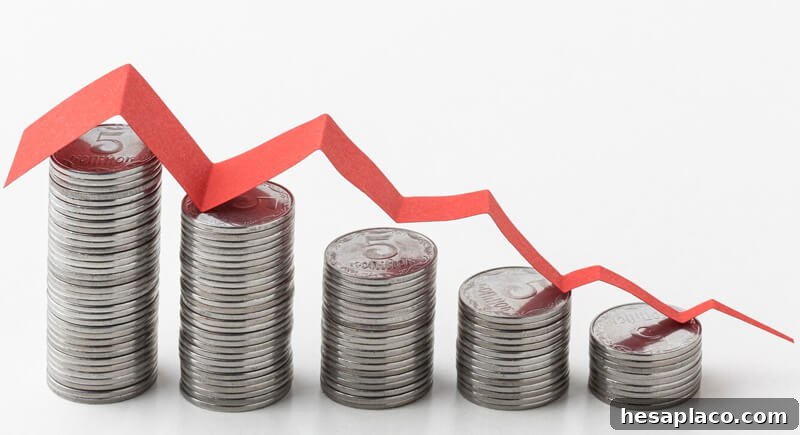
Salaries Not Keeping Up with Inflation
Credit: freepik
When salary increases lag behind inflation, your real earnings decline even if the nominal salary is unchanged. Regular adjustments for cost-of-living are an important indicator of fair compensation; absence of such adjustments suggests underpayment in real terms.
Selective Raises Favor New Hires

Credit: iStockphoto
If the company routinely increases salaries for incoming staff but neglects to do the same for existing employees, this is a red flag. Preferential pay for recent hires while long-term staff remain on the same wages indicates potential underpayment and unfair compensation practices.
High Turnover Rates

Credit: freepik
Frequent departures among colleagues can point to dissatisfaction with pay or benefits. When turnover is consistently high, it often signals that employees feel undervalued financially or professionally.
Company Growth Without Salary Increases

Credit: iStockphoto
If your employer’s revenue and profits rise but your salary remains unchanged, you’re not sharing in the company’s success. Growth that doesn’t translate into improved pay or benefits for employees suggests compensation practices that may undervalue staff contributions.
Better External Offers

Credit: iStockphoto
Receiving higher salary offers from other companies is a practical indicator that your current pay may be too low. Competitive offers that surpass your existing compensation suggest your market value is higher than what your employer is paying.
Online Salary Data and Comparisons

Credit: freepik
Research average salaries for your position and level online to gauge where you stand. If your pay falls well below published industry averages for your role and location, that gap indicates potential underpayment.
Use Online Salary Calculators

Credit: freepik
Salary calculators tailored to your industry, experience, and location can help you determine a fair compensation range. These tools provide data-driven benchmarks to compare your current pay against expected levels.
More Responsibilities, Same Pay

Credit: iStockphoto
If your role has expanded—more tasks, bigger projects, or leadership responsibilities—but your pay hasn’t changed, that mismatch suggests underpayment. Compensation should reflect the scope and impact of your work.
Unequal Benefits Packages

Credit: iStockphoto
Even when salaries appear similar, differences in health coverage, retirement contributions, bonuses, or other benefits can mean unequal total compensation. If your benefits are noticeably less generous than colleagues’, your overall pay package may be insufficient.
Switching to a Higher-Paying Industry Without a Pay Increase

Credit: freepik
When you move into a sector that typically pays more but your starting salary remains low—possibly carried over from your previous role—you may be undervalued. A true market-aligned transition should come with pay that reflects the higher industry standard.
Not Negotiating Your Pay

Credit: iStockphoto
Failing to negotiate salary—especially when taking a role or after demonstrating sustained performance—can leave you below market rates. Proactively negotiating is often necessary to align pay with your value.
Internal Pay Disparities

Credit: iStockphoto
Finding out that colleagues in equivalent roles earn more is a clear sign of potential underpayment. Pay discrepancies among employees with similar responsibilities and experience indicate an imbalance that should be addressed.
Peer Comparisons

Credit: freepik
Compare your pay with peers who have similar education and experience. If colleagues with comparable backgrounds earn more, it suggests your compensation may not reflect your market or internal value.
No Regular Performance Reviews

Credit: iStockphoto
Lack of scheduled performance reviews can mean fewer conversations about raises and career progression. Without these reviews, opportunities to secure fair pay based on achievements may be limited, increasing the risk of underpayment.
Recruiter Feedback on Market Rates

Credit: iStockphoto
Recruiters often have current insight into salary trends and what employers are paying for specific skills. If recruiters indicate that your target salary should be higher than what you currently earn, consider that a reliable signal to reassess your compensation.