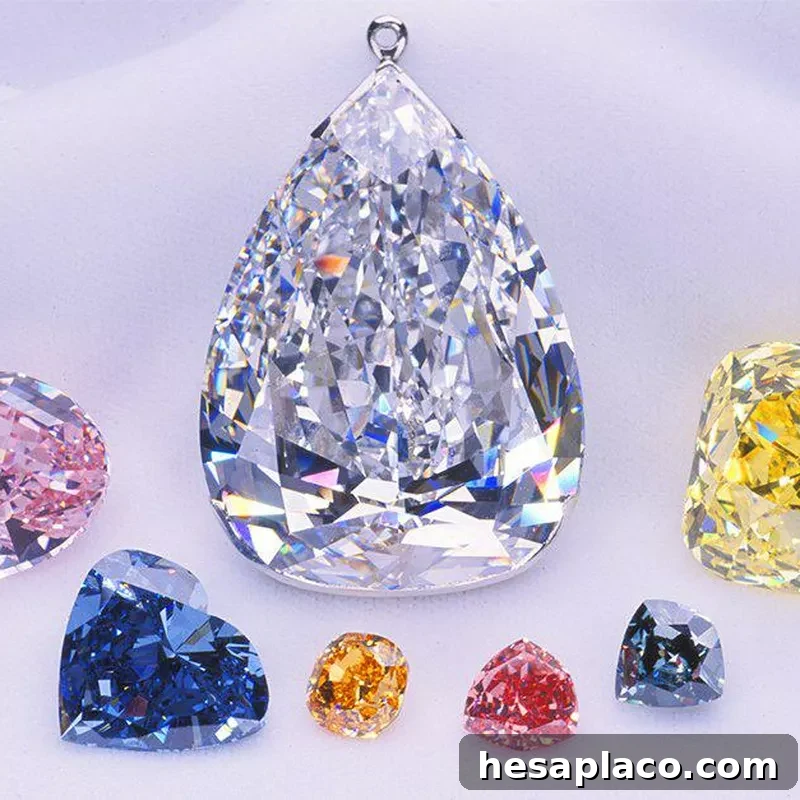
Gemstones have captivated people since ancient times. The Romans believed diamonds fell from the sky, and the Greeks thought gems were tears from the heavens. Throughout history, precious stones have served as symbols of wealth and status, portable stores of value that often appreciate over time. People have prized them for protection, supposed healing powers, or simply to display wealth and taste.
The most famous and valuable gems have historically attracted royalty and collectors. Diamonds from India and South Africa, sapphires from Sri Lanka, rubies from Burma (Myanmar), and emeralds from the Americas have long been coveted. Many of the well-known gems on this list passed through royal treasuries, noble collections, or prominent private owners, often changing hands after wars, conquests, or diplomatic gifts. Several remain in museums or royal collections; others are privately owned and considered priceless because of their rarity and provenance. Notably, actress Elizabeth Taylor built a private jewelry collection that rivaled many royal treasuries.
Below is a curated list of 30 of the most famous and rare gemstones in the world, each renowned for its beauty, history, and value.
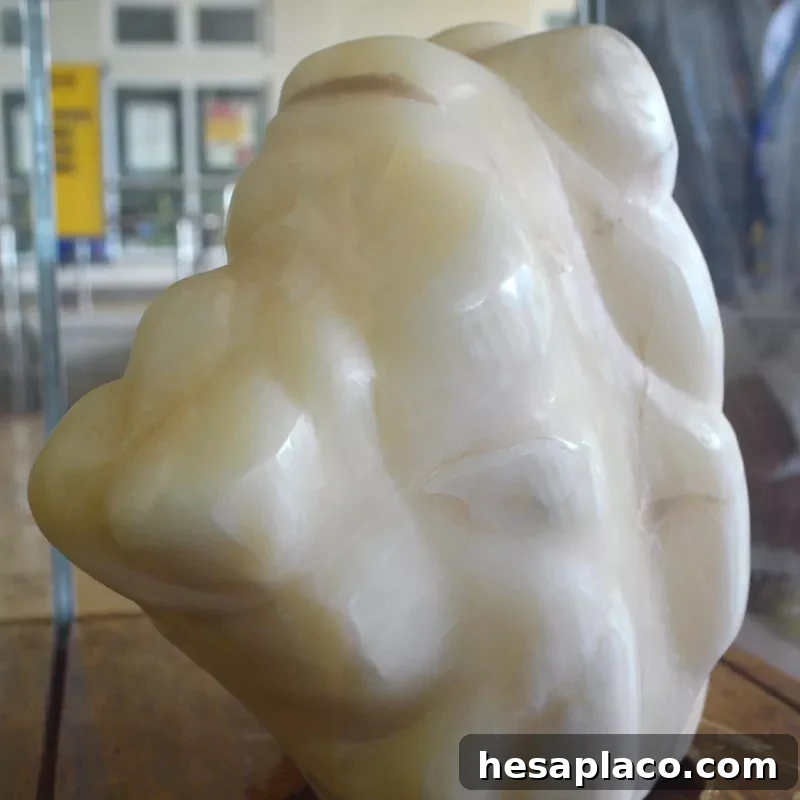
30. Pearl of Lao Tzu
Herald Hugo / AP Photo
Value: $200,000 (estimated)
Year found: 1934
Current location: Colorado Springs, Colorado
The Pearl of Lao Tzu is an enormous, irregularly shaped pearl produced by a giant clam. A diver discovered it near Palawan in the Philippines and presented it to a local chief. American Wilburn Cobb later obtained the pearl after treating the chief’s son for malaria. The gem was authenticated at the American Museum of Natural History and displayed at Ripley’s Believe It or Not before eventually passing to private owners in Colorado.
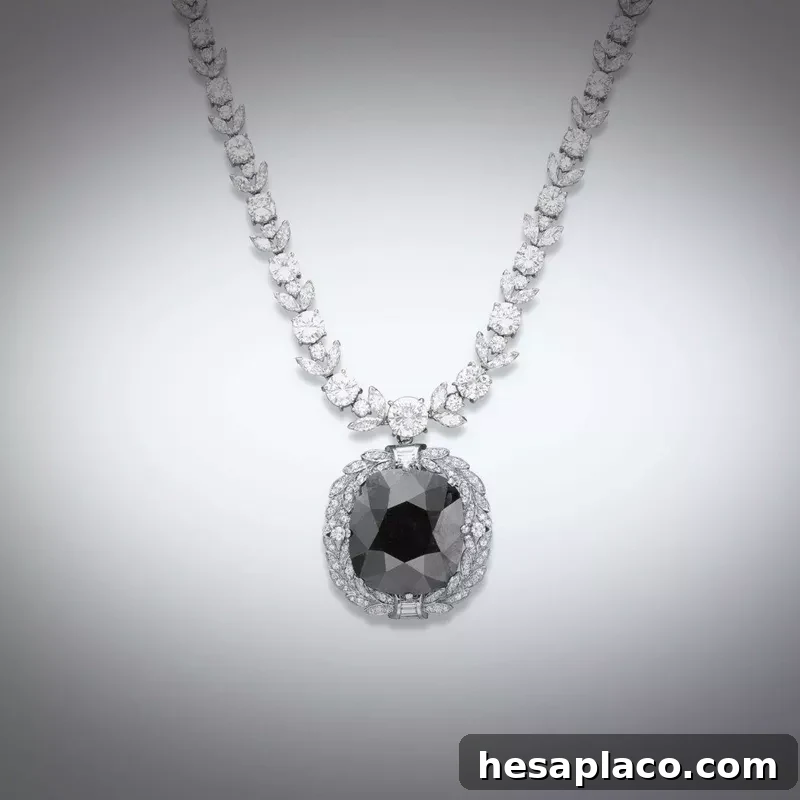
29. The Black Orlov Diamond
Natural Diamonds
Value: $360,000 (estimated)
Year surfaced: 1932
Current location: Unknown
Legend says the Black Orlov was stolen from an Indian temple in the 19th century. It surfaced in New York in 1932 and was later cut by Cartier into a 67.5-carat cushion gem set with colorless diamonds. The necklace has passed through several owners and was sold at Christie’s in 2006 to an anonymous buyer.
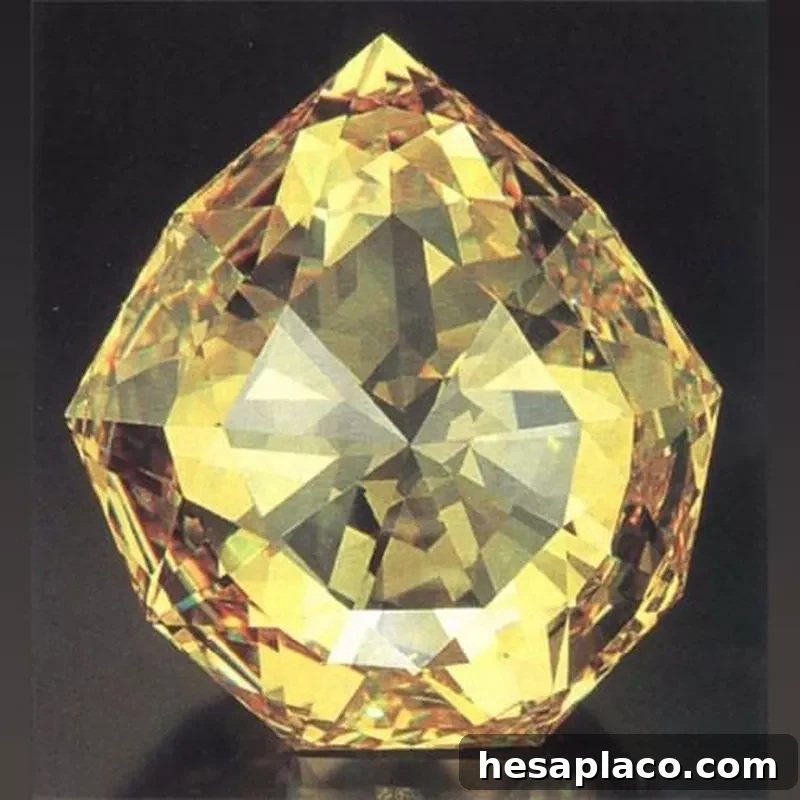
26. The Sancy Diamond (Tie)
Museum of Diamonds
Value: $1 million (estimated)
First known: 14th century
Current location: The Louvre, Paris
The Sancy is a 55.23-carat shield-shaped pale greenish-yellow diamond from India. Smuggled to Europe in the Middle Ages, it passed among Italian dukes, French and Portuguese royalty, the Bonapartes, and several other notable families. The Louvre acquired the stone from the Astor family in 1976, where it remains among France’s historic crown jewels.
26. The Andamooka Opal (Tie)
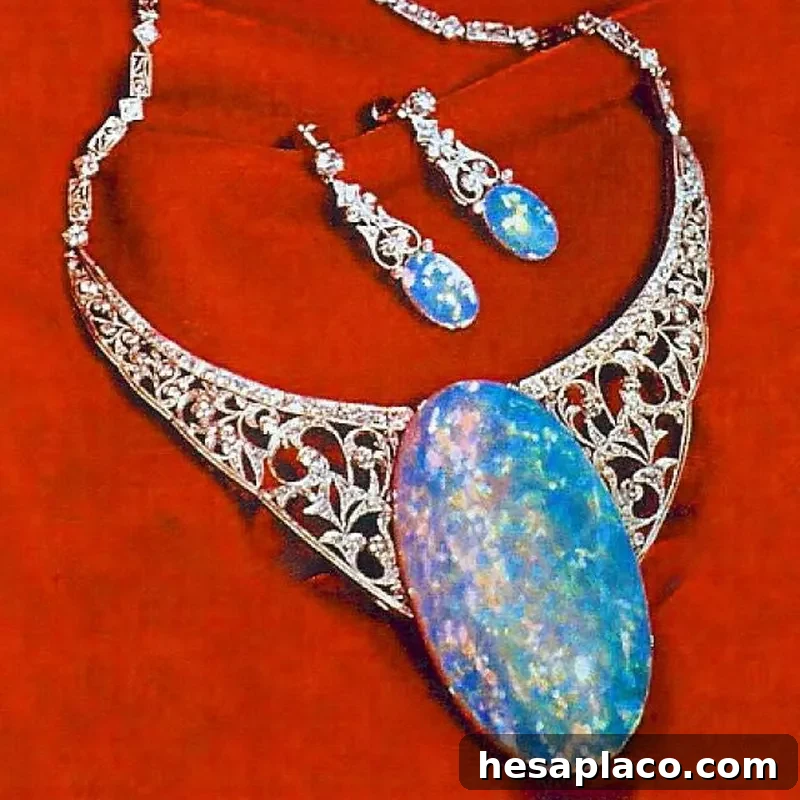
Value: $1 million (estimated)
Year presented: 1954
Current location: Buckingham Palace, London
From the Andamooka fields of South Australia, this remarkable opal was set into a necklace for Queen Elizabeth II as a gift from South Australia on her 1954 state visit. The centerpiece is a 203-carat opal known as the “Queen’s Opal.” Because it was never publicly sold, its official market value is uncertain, but comparable stones command high prices.
26. The Carolina Queen Emerald (Tie)
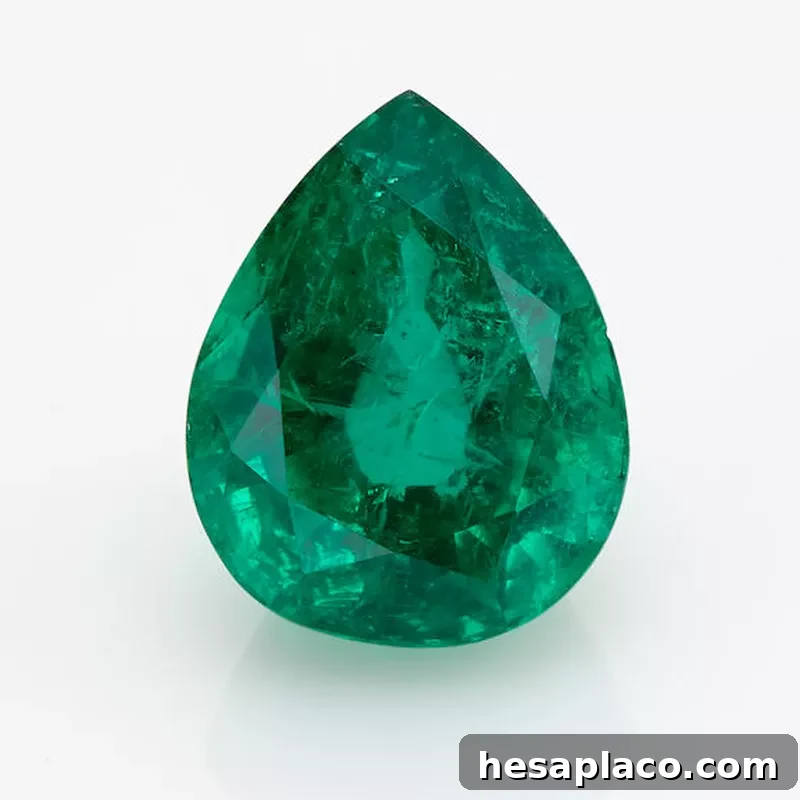
Bonhams
Value: $1 million (estimated)
Year discovered: 1998
Current location: Statesville, North Carolina
Unearthed in North Carolina, the Carolina Queen Emerald is one of the finest emeralds ever found in the United States. A 71-carat rough produced multiple gem-quality stones, including the 18.88-carat Carolina Queen and a 7.85-carat companion called the Carolina Prince. The find highlighted the unexpected quality of U.S. emerald deposits.
25. Queen Marie of Romania’s Sapphire
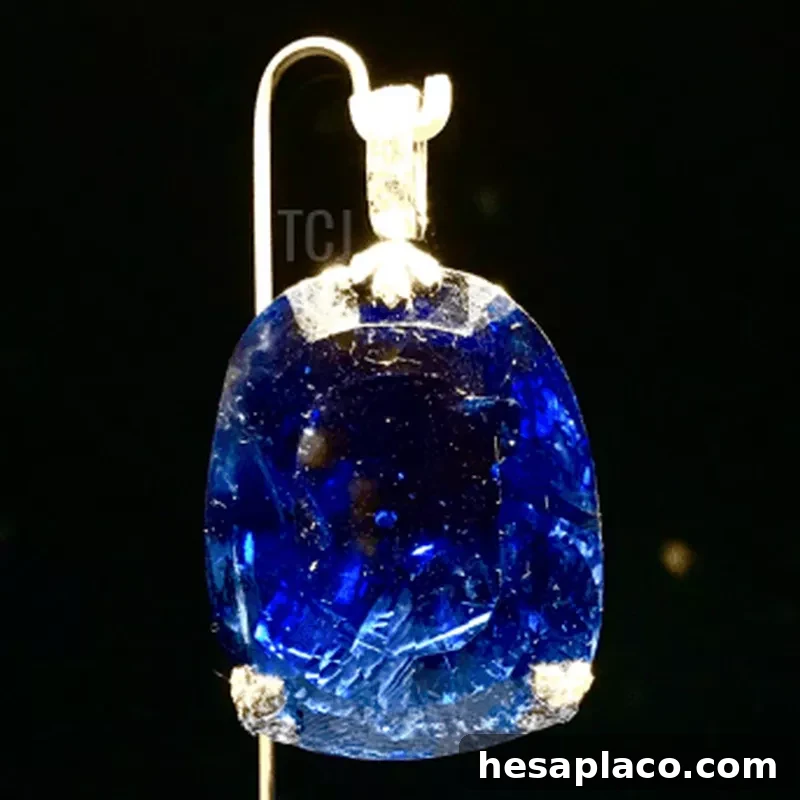
The Court Jeweller
Value: $1.5 million (estimated)
Year mounted: 1913
Current location: Unknown
The 478-carat Queen Marie Sapphire, originally from Sri Lanka, is among the world’s largest sapphires. King Ferdinand of Romania acquired the gem from Cartier in 1921 for Queen Marie. The sapphire later left Romania in the 20th century and eventually entered the international jewelry market, where its current ownership is privately held.
24. The Star of Asia Sapphire
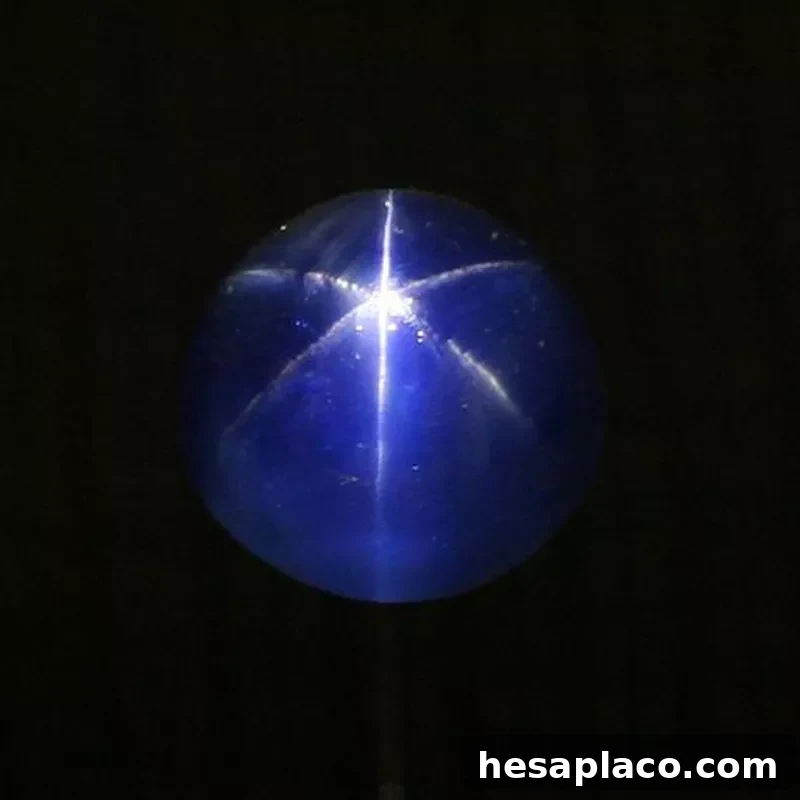
Wikimedia Commons
Value: $1.65+ million (estimated)
Age: 15th–16th century (likely)
Current location: Smithsonian National Museum of Natural History, Washington, D.C.
The Star of Asia is a 330-carat star sapphire, probably from Mogok, Myanmar. Its six-rayed asterism makes it one of the most celebrated star sapphires. It entered Western collections in the 20th century and was acquired by the Smithsonian in 1961, where it remains on display.
23. The Pumpkin Diamond
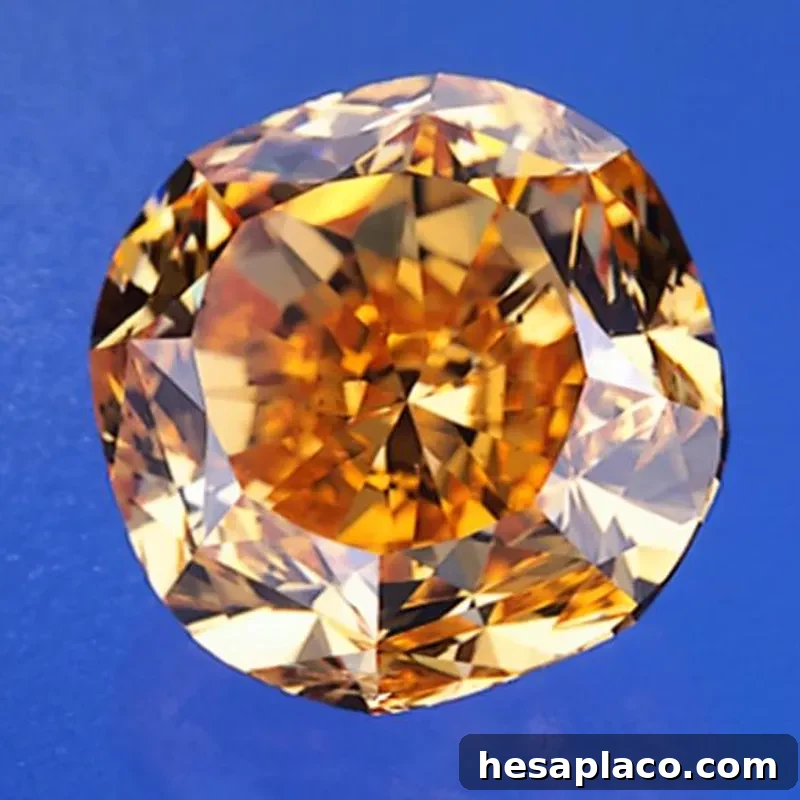
GIAnews
Value: $3 million (sold)
Year found: 1997
Current location: Private/unknown
A South African farmer discovered an 11-carat rough brown-orange diamond in 1997. Harry Winston transformed it into a vivid 5.54-carat orange gem known as the Pumpkin Diamond. Orange diamonds are exceedingly rare; the finished ring, worn by Halle Berry at the 2002 Academy Awards, later sold for $3 million.
21. The Krupp Diamond (Tie)
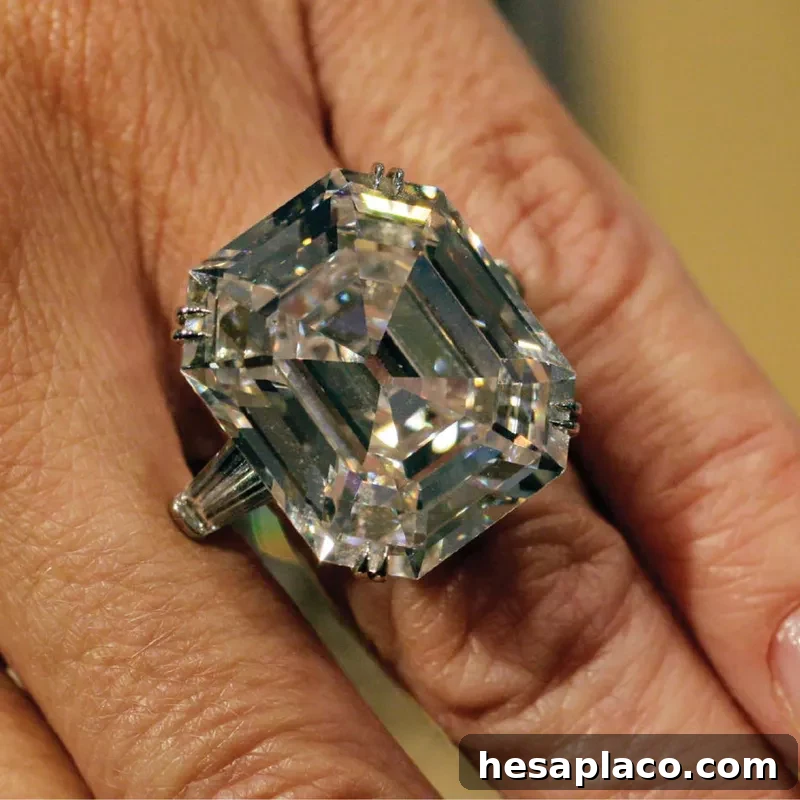
Natural Diamonds
Value: $8.8 million (sold)
Year gained prominence: Mid 20th century
Current location: E-World, Daegu, South Korea (on display)
Likely mined in South Africa, the 33.19-carat Krupp Diamond became notable when Vera Krupp purchased it from Harry Winston in 1957. After a history that included theft and recovery, Richard Burton bought the stone for Elizabeth Taylor in 1968. The diamond was sold after Taylor’s estate auction and later displayed by the E-Land Group in South Korea.
21. The Taj Mahal Diamond (Tie)
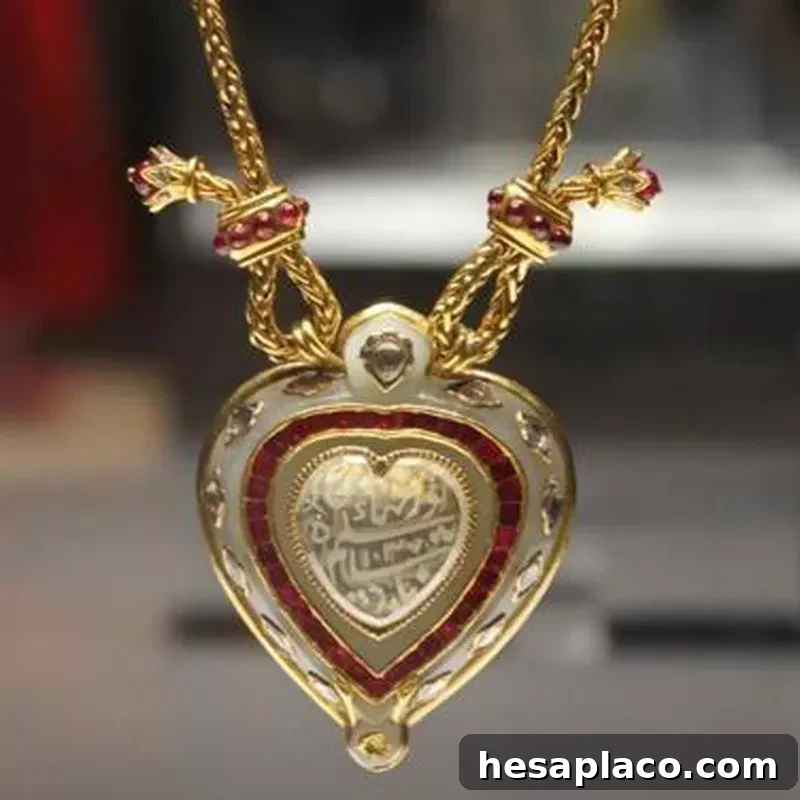
Historic Gems
Value: $8.8 million (auction price)
Year mounted: 1627–1628
Current location: Christie’s, New York (auction custody/disputed)
Named for the Taj Mahal, the heart-shaped diamond was reportedly part of Shah Jahan’s collection and later set by Cartier into a pendant of gold and rubies. Richard Burton purchased it for Elizabeth Taylor; its sale has been subject to disputed transactions and uncertain custody since Taylor’s estate auctions.
20. La Peregrina Pearl
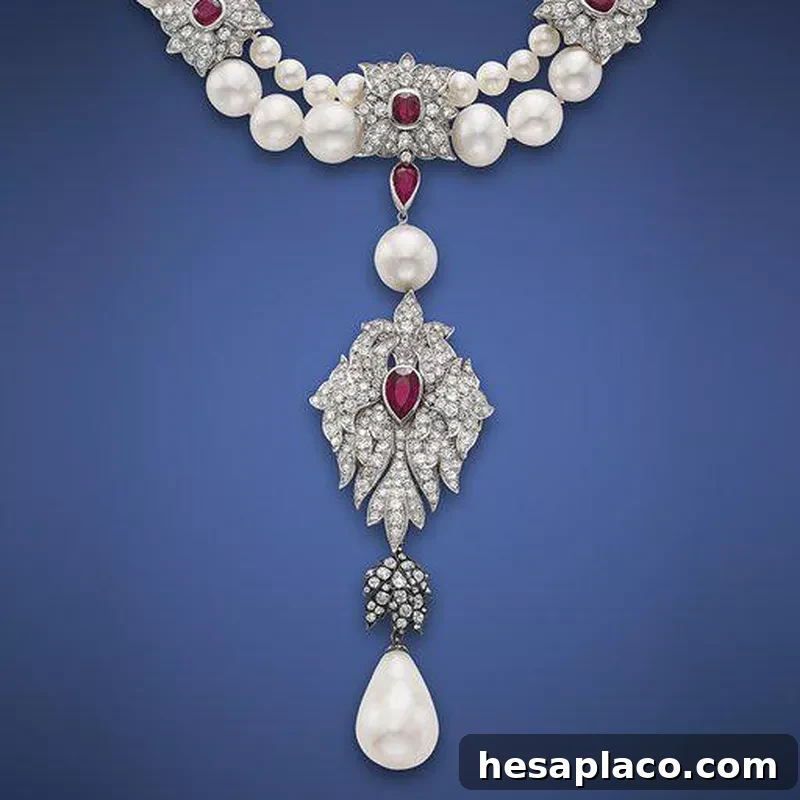
GIAnews
Value: $11.8 million (auction)
Year found: 1513
Current location: Asia (private collection)
Named “the pilgrim” for its long travels, La Peregrina was discovered in Panama and entered Spanish royal inventories. It was gifted to Queen Mary I of England, later returned to Spain, and eventually entered private hands. Richard Burton bought the pearl for Elizabeth Taylor in 1969; after her death it sold at auction to a private Asian buyer.
19. The Tiffany Yellow Diamond
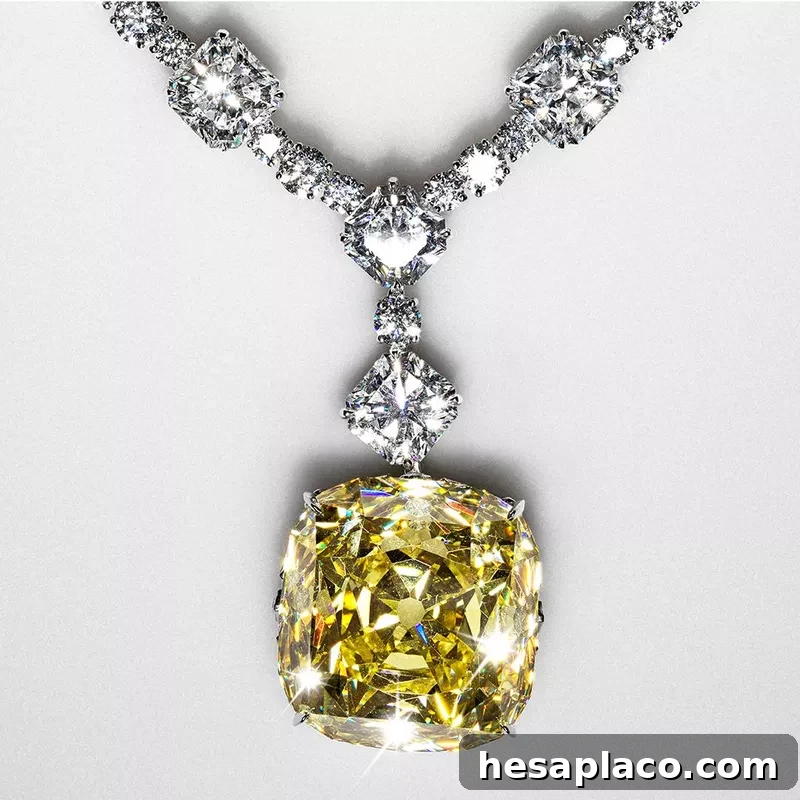
Tiffany & Co.
Value: $12 million (estimated)
Year cut: 1878
Current location: Tiffany’s flagship store, New York
This iconic 128.54-carat yellow diamond was cut by Tiffany’s cutters from a rough mined near Kimberley, South Africa. Known for Audrey Hepburn’s publicity photos and for occasional loans to celebrities, the Tiffany Yellow Diamond remains on permanent display at Tiffany’s New York flagship.
18. The Dresden Green
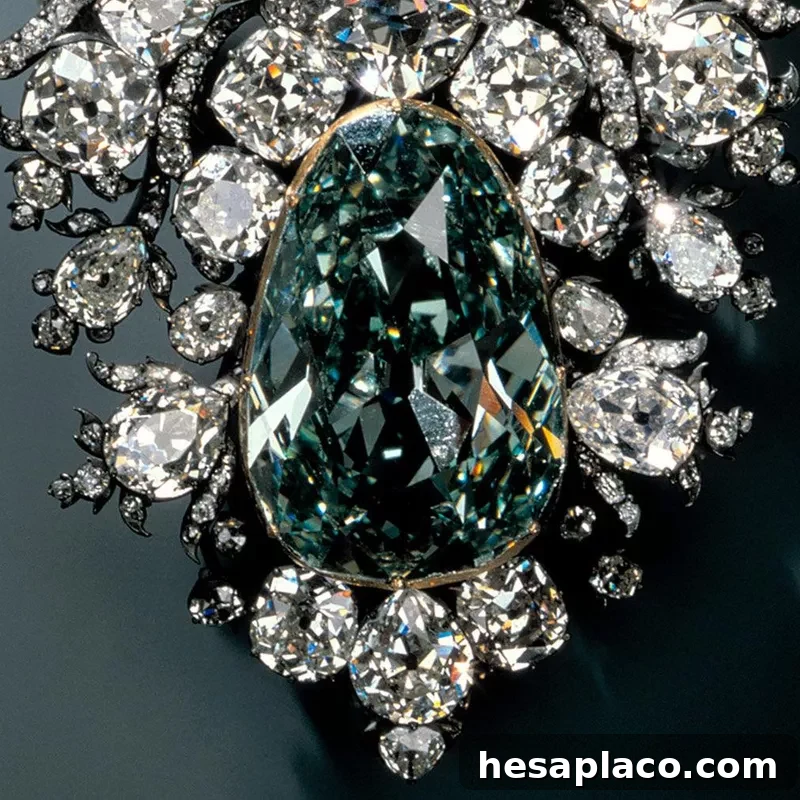
The Metropolitan Museum of Art
Value: $12.2 million (estimated)
Century: 18th century
Current location: Albertinum Museum, Dresden, Germany
The Dresden Green is the largest known naturally green diamond, weighing 40.70 carats. Likely from Indian mines, it became part of Saxony’s royal jewels and remains an important historic gem in Dresden’s collections.
17. The Cora Sundrop Diamond
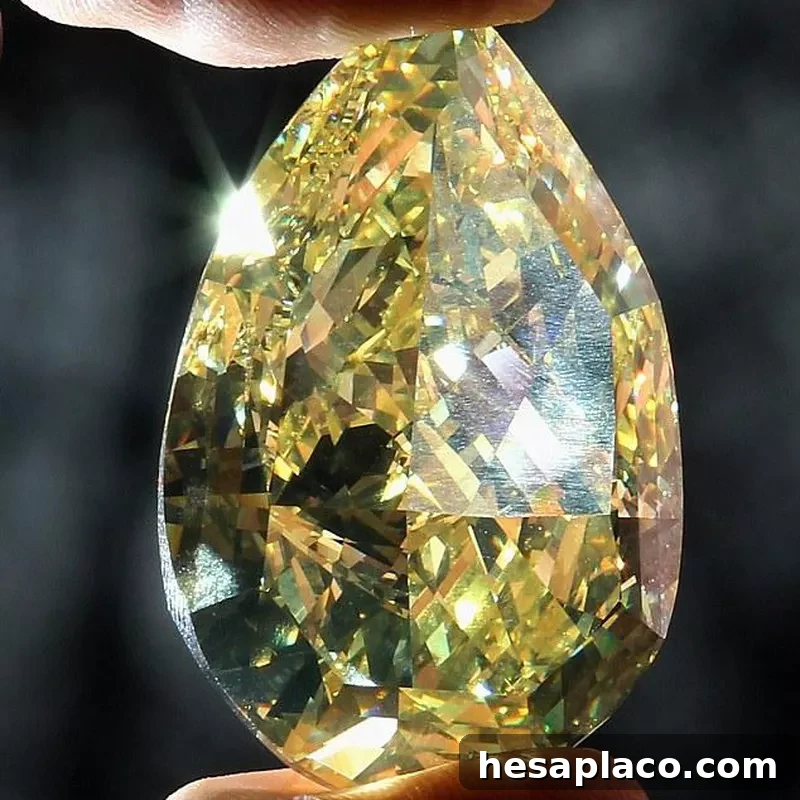
Andrea Li
Value: $12.36 million (auction)
Year cut: 2010
Current location: Private/unknown
Discovered in South Africa, the rough was transformed by Cora International into a 110.3-carat pear-shaped yellow diamond—the largest known vivid yellow diamond. It set records when sold at auction and was displayed publicly, including at the Natural History Museum in London.
16. The Taylor-Burton Diamond
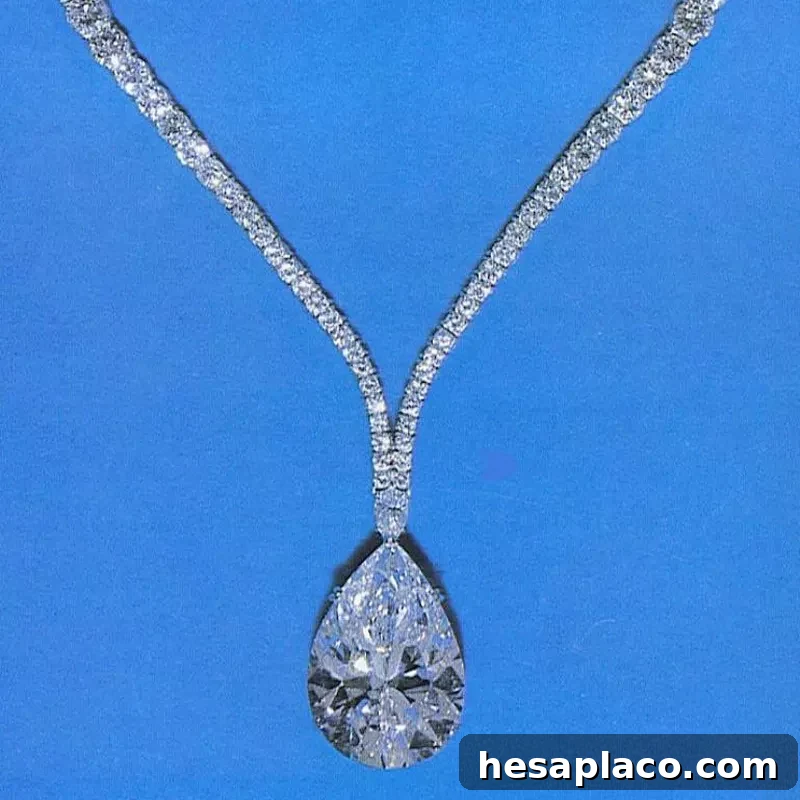
internetstones.com
Value: $18.9 million (adjusted estimate)
Year cut: 1966
Current location: Private/unknown
From a 241-carat rough mined in South Africa, Harry Winston fashioned a 69-carat pear-shaped gem. The diamond gained fame when Richard Burton purchased it for Elizabeth Taylor; it was later sold by Taylor after their divorce and remains privately held.
15. The Archduke Joseph Diamond
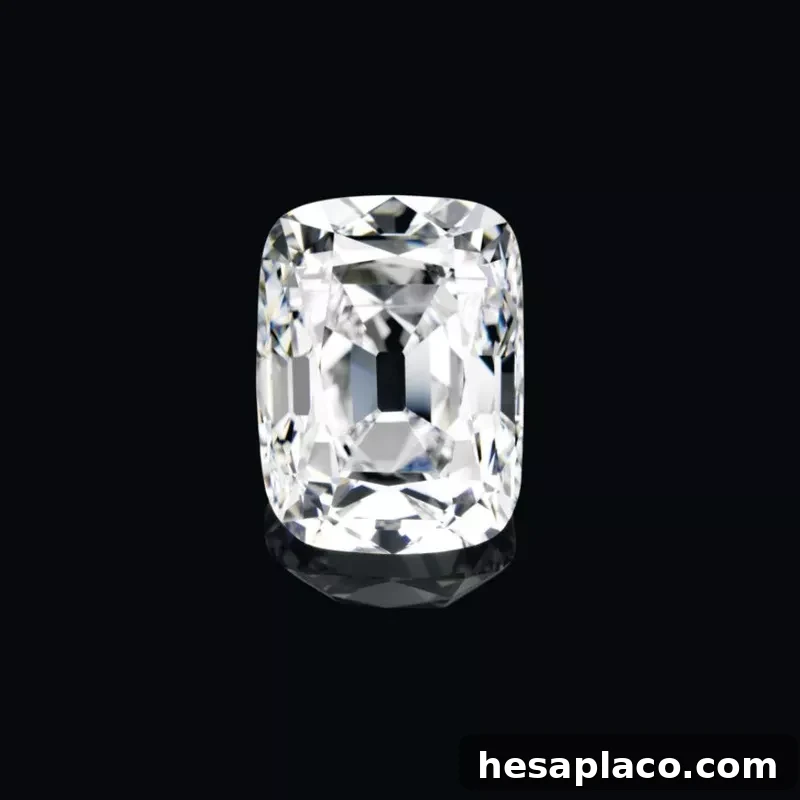
Christie’s
Value: $21.5 million (estimated)
Era: 16th–17th century
Current location: Private/unknown
Likely from Golconda mines, this diamond entered European royal circles and was named for Archduke Joseph of the Habsburgs. It passed among collectors and was sold at auction several times, often into anonymous private ownership.
14. The Sunrise Ruby
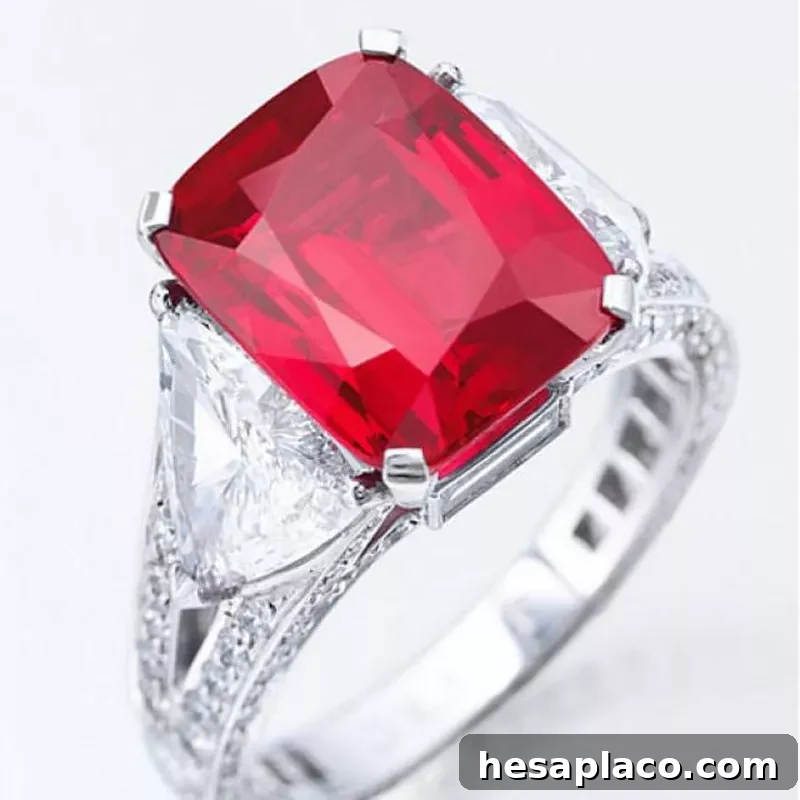
Gem Rock Auctions
Value: $30.3 million (auction record)
Origin: Burma (Myanmar)
Current location: Private/unknown
The Sunrise Ruby is a 25-carat “pigeon’s blood” ruby of exceptional color and clarity. Set by Cartier with white diamonds, it sold at auction in 2015 for a world-record price for a ruby and for any non-diamond colored gemstone, purchased by an anonymous buyer.
13. The Star of India
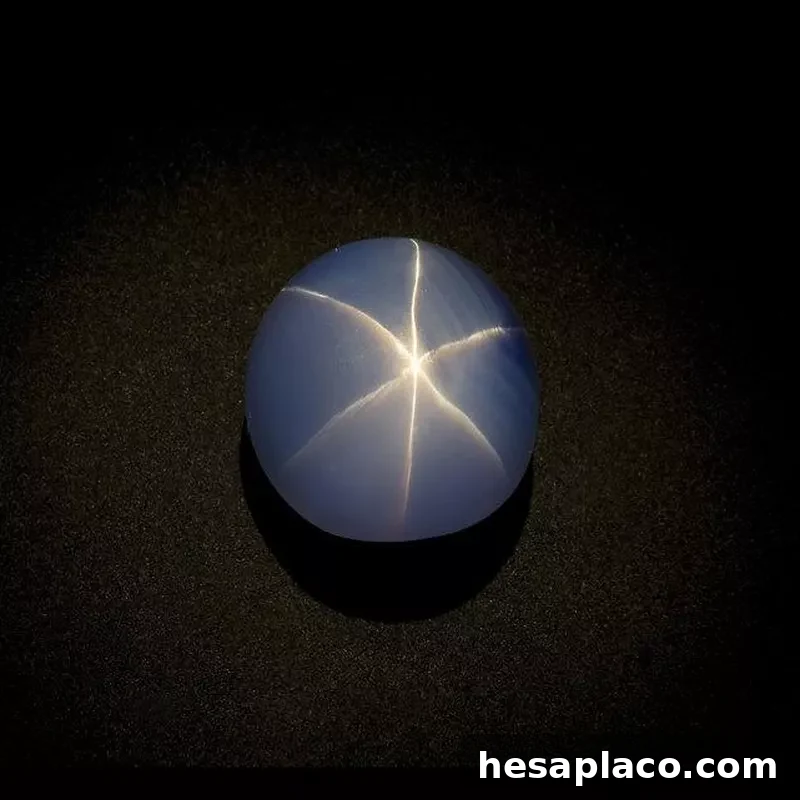
Roderick Mickens / Andrea Li
Value: $37–50 million (estimated)
Discovered: Circa 1720
Current location: American Museum of Natural History, New York
The Star of India is one of the world’s largest gem-quality star sapphires. Its precise origins trace to Sri Lanka, and J. P. Morgan later acquired and donated it to the American Museum of Natural History. It survived a 1964 theft and remains a centerpiece of the museum’s gem collection.
12. The Hortensia Diamond
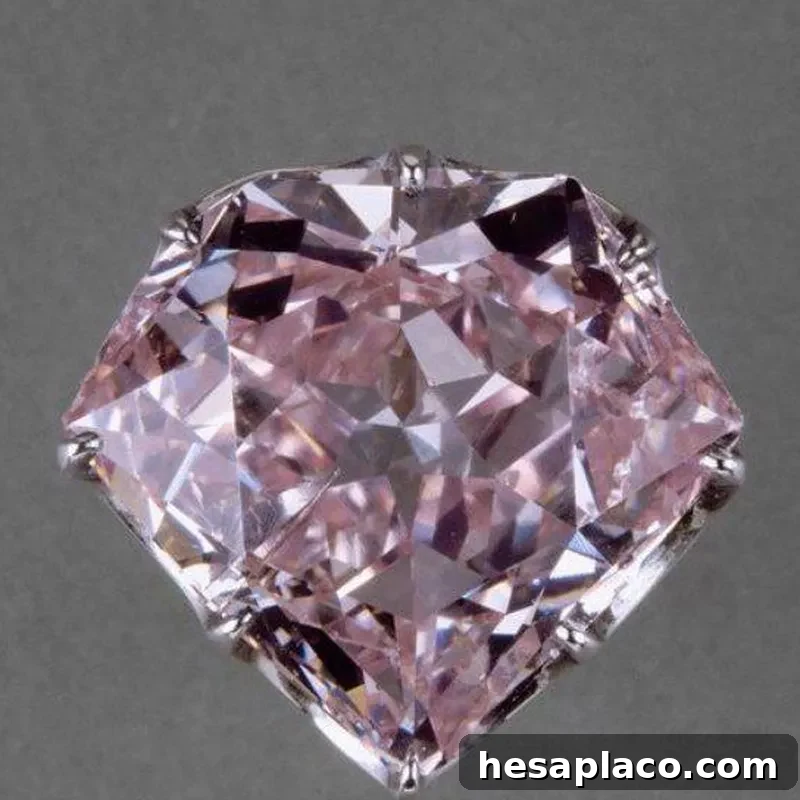
Gemological Science International
Value: $43 million (estimated)
First recorded: 1668
Current location: The Louvre, Paris
A 20-carat pink diamond likely introduced to Louis XIV’s collection via 17th-century gem trade, the Hortensia became part of the French Crown Jewels and was named after Queen Hortense of Holland. The rare pink diamond has been stolen and recovered multiple times and is now housed in the Louvre.
11. The Logan Blue Sapphire
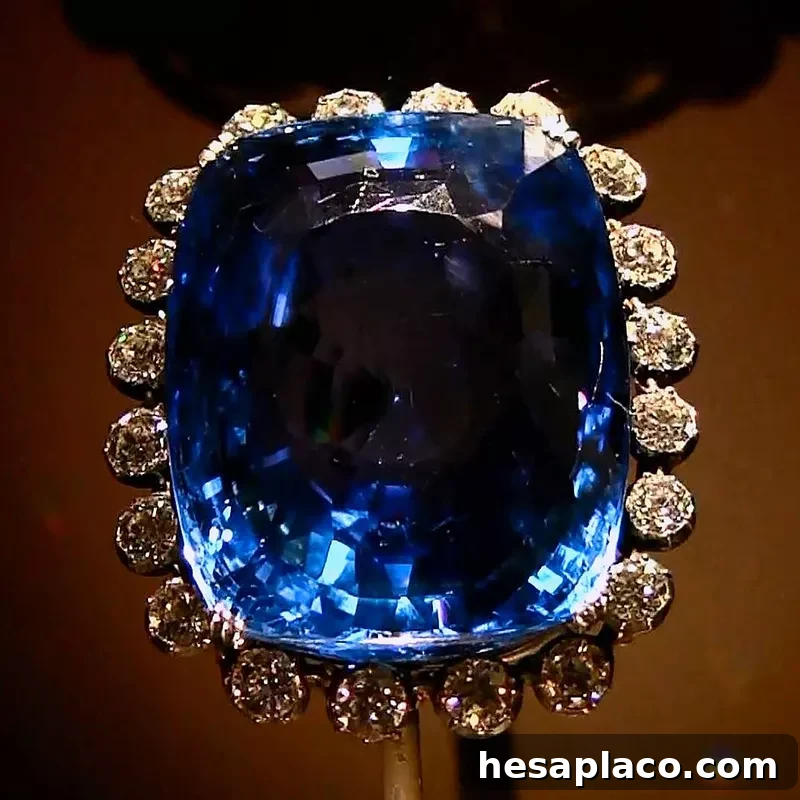
Studio McGraw / Smithsonian
Value: $57 million (estimated)
Year surfaced: 19th century
Current location: Smithsonian National Museum of Natural History, Washington, D.C.
The flawless 422.99-carat Logan Sapphire is one of the largest known sapphires. Believed to have been mined in Sri Lanka, it was set as a brooch by Mrs. John A. Logan and donated to the Smithsonian in 1960, where it remains on public display.
10. The Queen Isabella Emerald
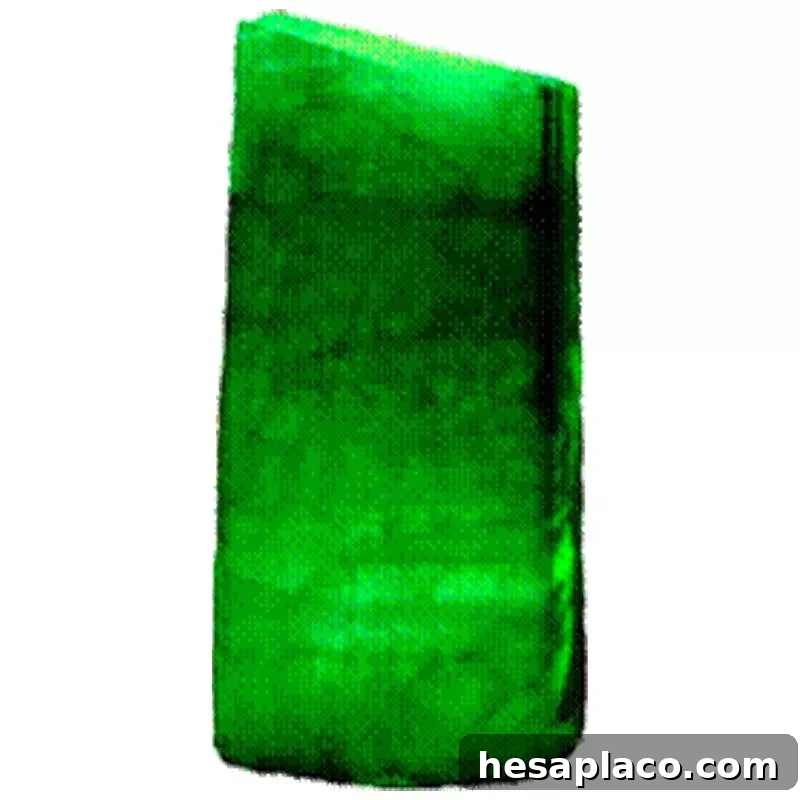
internetstones.com
Value: $61 million (estimated)
First recorded: 1519
Current location: Phoenix, Arizona
The 306-carat Queen Isabella Emerald, reputedly sent by Hernán Cortés as a diplomatic gift to Queen Isabella of Spain, is one of the largest gem-quality Colombian emeralds. Thought lost when its ship sank, it was recovered by underwater archaeologists in 1992 and is now in private hands.
9. The Regent Diamond
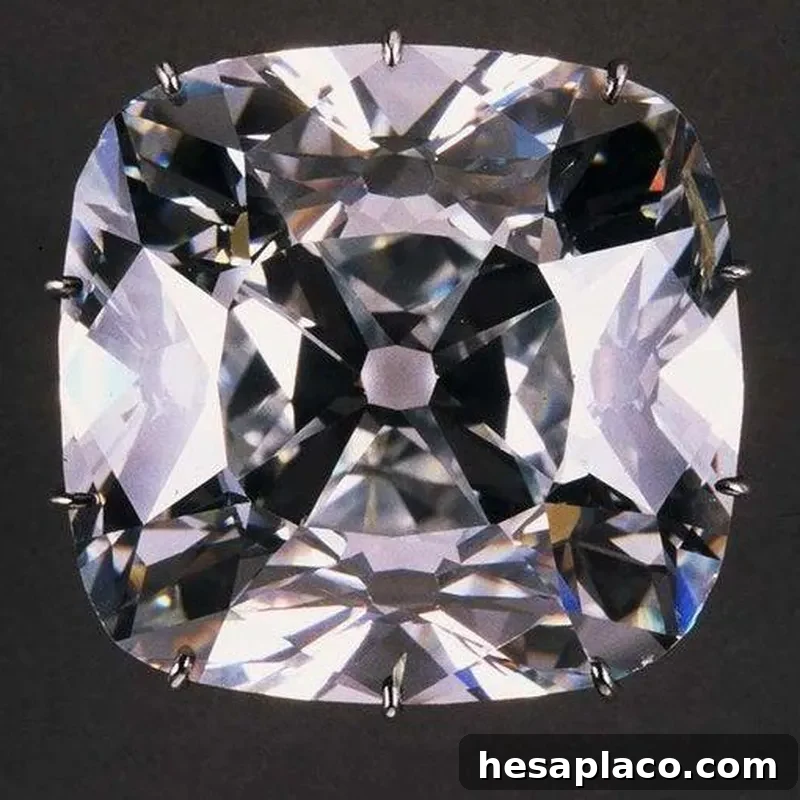
Value: $65 million (estimated)
Cut: 1704–1706
Current location: The Louvre, Paris
Originally from Golconda, the Regent was bought and cut by Thomas Pitt and later acquired by the Regent of France. It survived theft during the Revolution and has been part of the Louvre’s crown jewels since the late 19th century.
8. The Steinmetz Pink Diamond
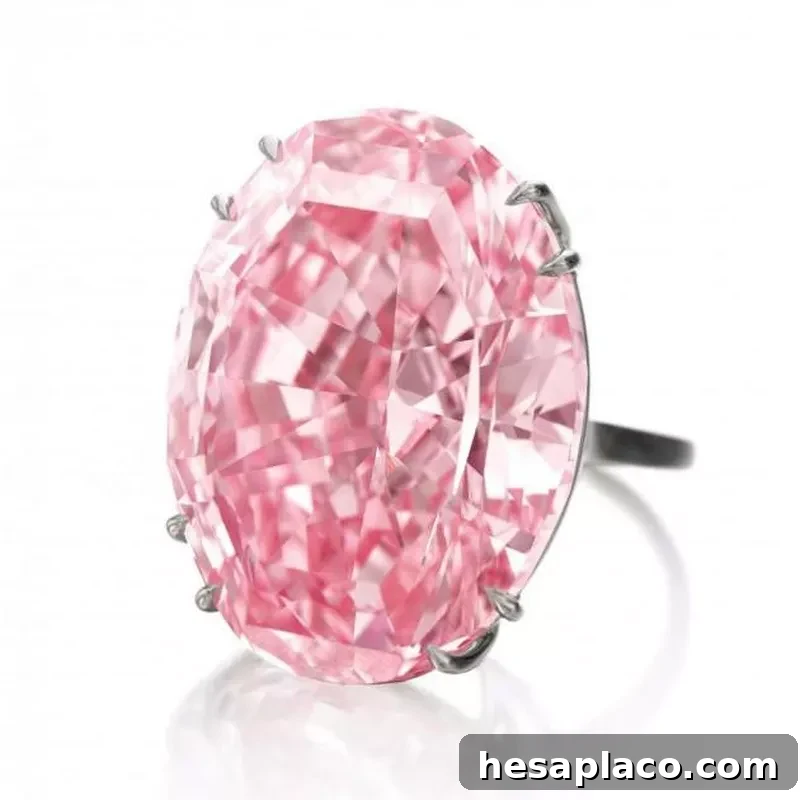
Gem Rock Auctions
Value: $71 million (auction)
Rough found: 1999
Current location: Private/unknown
From a De Beers mine in South Africa, the rough was cut by Steinmetz into a 59.6-carat oval pink diamond, later sold and renamed the “Pink Star.” The gem fetched a record price at auction and remains one of the most valuable colored diamonds ever sold.
7. The DeLong Star Ruby
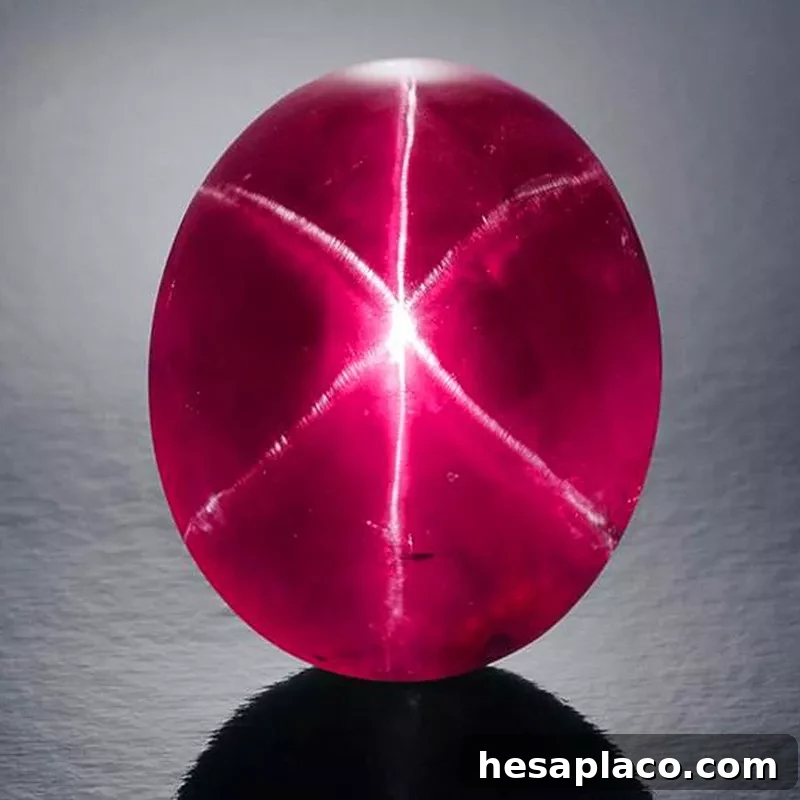
Kahle Appraisals
Value: $117.6 million+ (estimated)
Year found: Early 1900s
Current location: American Museum of Natural History, New York
The 100.32-carat DeLong Star Ruby, from Burma’s Mogok region, is widely regarded as the finest star ruby. Donated to the American Museum of Natural History in 1937, it survived a major 1964 theft and was later recovered and returned to public display.
6. The Millennium Star Diamond
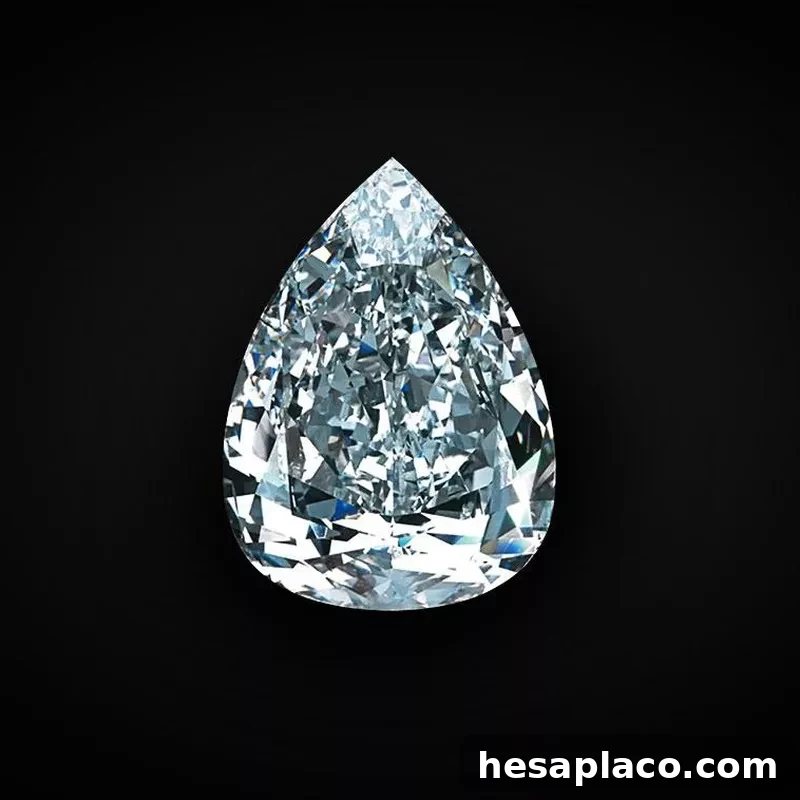
Diacore
Value: $134 million (insured amount)
Rough discovered: 1990
Current location: De Beers Group collection
Cut from a 777-carat rough found in the Democratic Republic of Congo, the Millennium Star is a 203-carat, flawless, pear-shaped diamond. It gained notoriety during a failed 2000 robbery at London’s Millennium Dome, where it had been displayed as part of De Beers’ collection.
5. The Koh-i-Noor Diamond
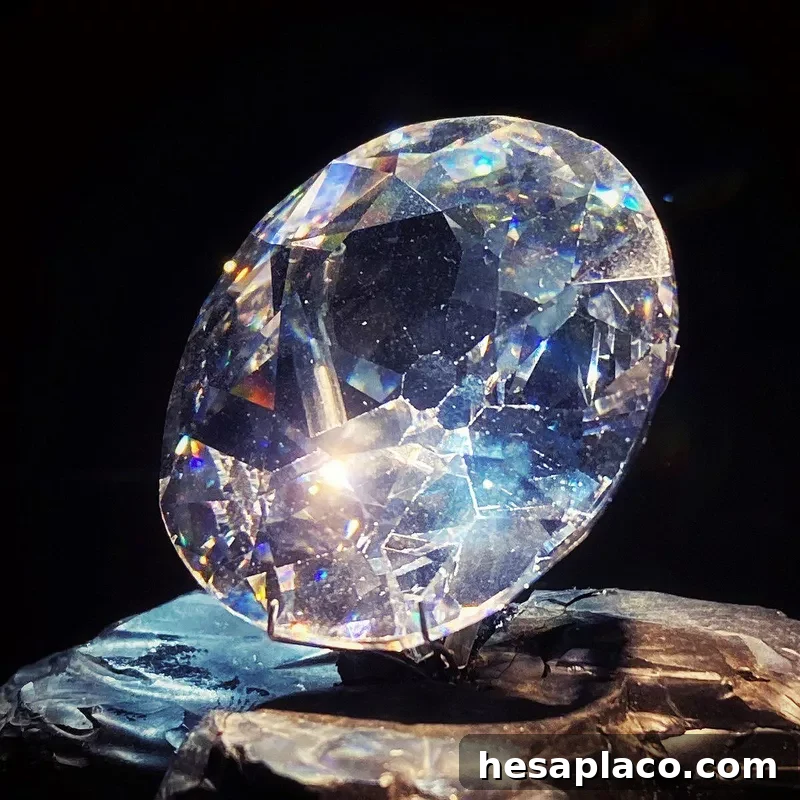
Wikimedia Commons
Value: $190–544 million (estimated)
Year recorded: 1628
Current location: Jewel House, Tower of London
The Koh-i-Noor, whose name means “Mountain of Light,” appeared on Mughal thrones and was later taken by successive conquerors. In the 19th century it entered British hands and was presented to Queen Victoria. Today it is set in the Crown Jewels and remains one of the most controversial and famous gems in history.
4. The Hope Diamond
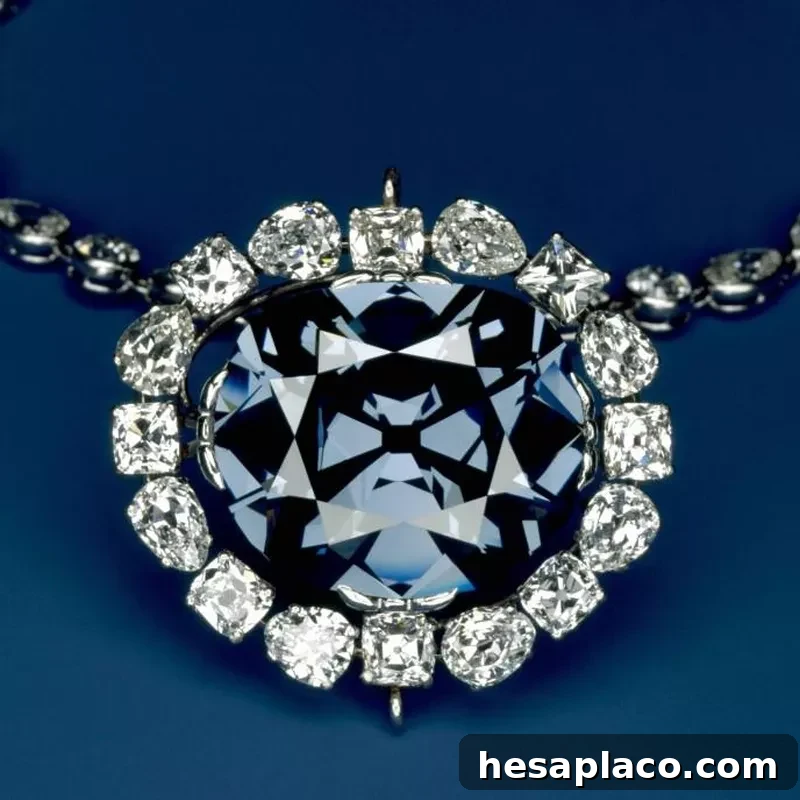
Smithsonian Institution
Value: $250 million (estimated)
First known: 1673
Current location: Smithsonian National Museum of Natural History, Washington, D.C.
Originally sold by Jean-Baptiste Tavernier to Louis XIV, the blue diamond disappeared during the French Revolution and later became known as the Hope Diamond after a prominent English owner. It passed through private collectors before Harry Winston donated it to the Smithsonian in 1958. The Hope Diamond remains one of the most famous gemstones on public display.
3. The Cullinan Diamond
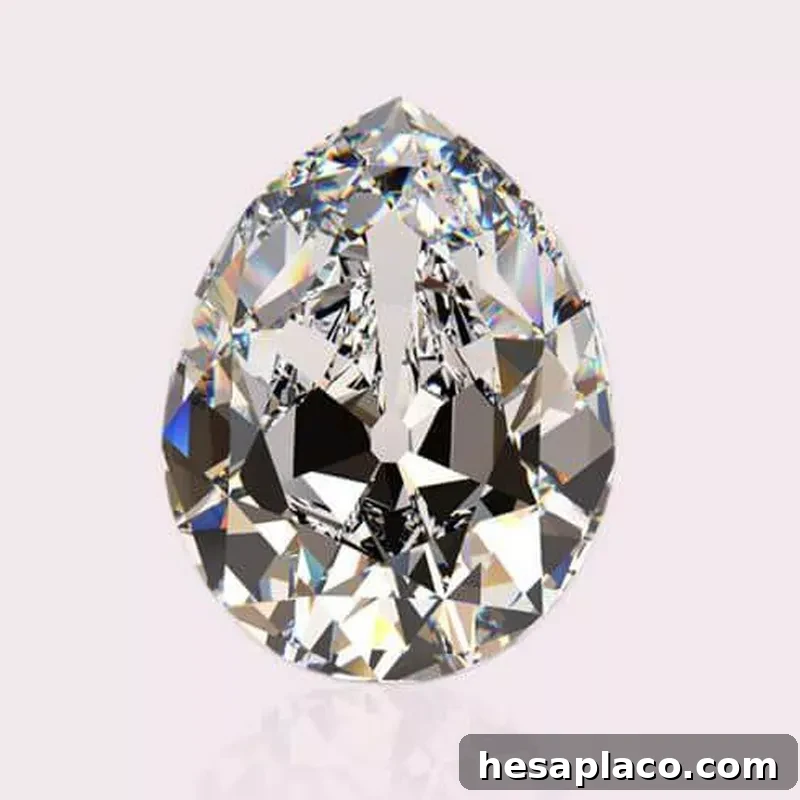
Worthy
Value: $400 million (estimated)
Year found: 1905
Current location: Tower of London
The Cullinan was a massive 3,106-carat rough discovered in South Africa. It was cut into nine major gems and many smaller stones. The largest piece, Cullinan I (the Great Star of Africa), is a 503-carat colorless diamond set in the sovereign’s scepter, part of the British Crown Jewels.
1. The Black Prince’s Ruby (Tie)
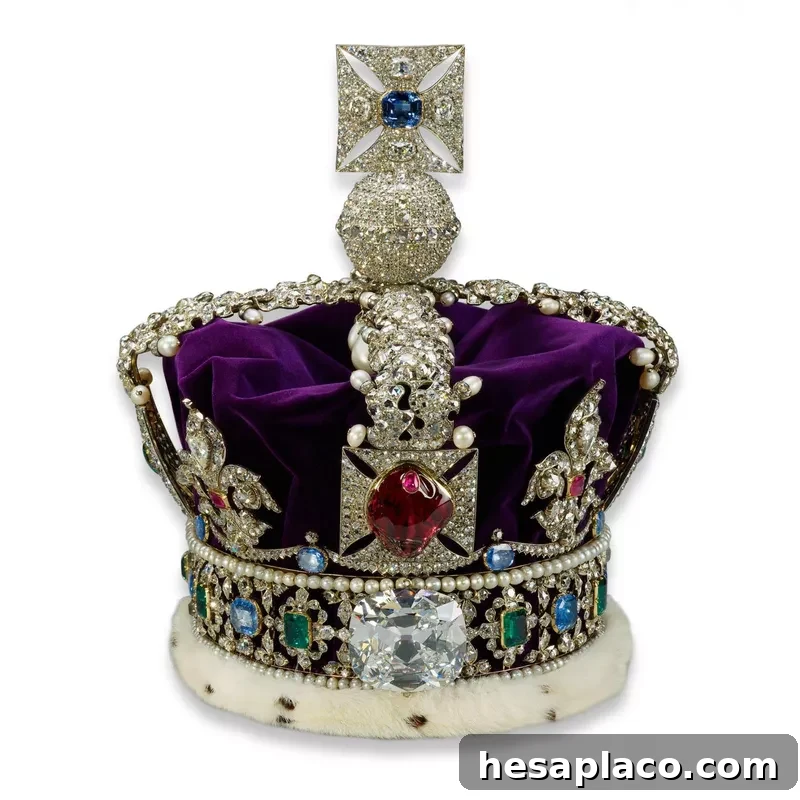
Diamond Buzz
Value: Priceless
Year recorded: 1366
Current location: Jewel House, Tower of London
This large red spinel—long thought to be a ruby—likely originated in Central Asia. It entered European royal hands in the 14th century, was granted to Edward, the Black Prince, and later became part of England’s crown jewels. Its historical role in state regalia makes it effectively priceless.
1. The Timur Ruby (Tie)
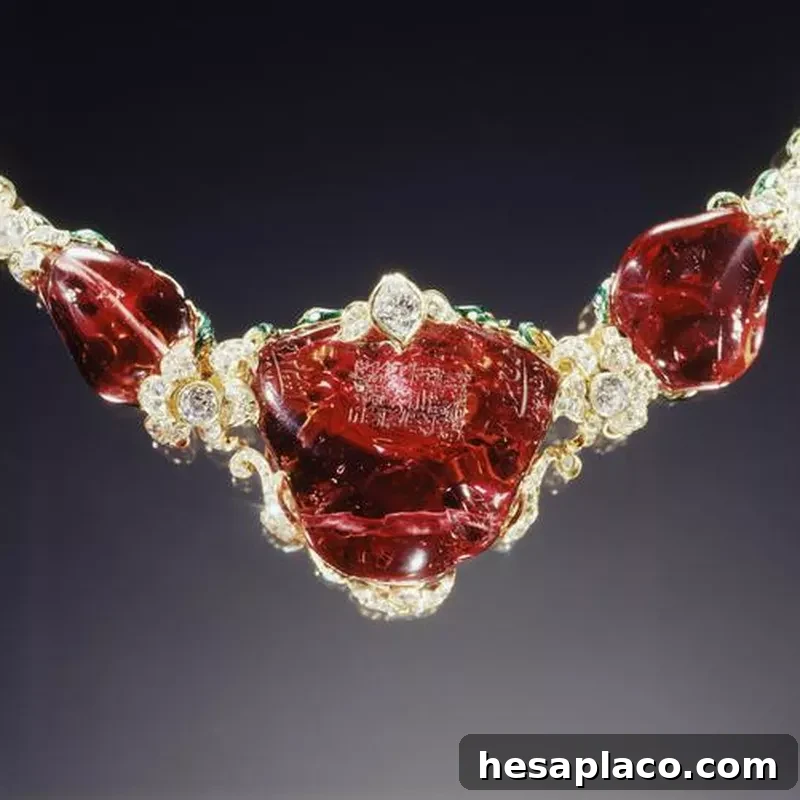
Royal Collection Trust
Value: Priceless
Year recorded: 1398
Current location: Jewel House, Tower of London
Originally owned by the conqueror Timur and later passing through Persian and Indian courts, the Timur Ruby is actually a large red spinel. It became part of the possessions of the Sikh ruler Duleep Singh and was transferred to Queen Victoria in the 19th century. Set in a necklace, it remains part of the British Crown Jewels and is valued for its exceptional history.
These gemstones represent a broad cross-section of the world’s most famous and historically significant stones—each prized not only for its intrinsic beauty and rarity but also for the stories and cultures attached to it. Many now reside in museums and royal collections where they continue to inspire wonder and curiosity.