
Long before TED Talks, autobiographies, and public-facing career rebrands, a cohort of high-powered CEOs relied on far more than traditional administrative help. Their assistants were trusted strategists, crisis managers, event planners, and often the invisible forces shaping daily operations at the highest levels of business. These professionals managed sensitive schedules, organized private events, coordinated global travel, and sometimes translated that inside knowledge into new careers. Below is a look at several influential executive assistants from the past, what their roles entailed, and how their careers have evolved.
Steve Ballmer: Then
Credit: Wikimedia Commons
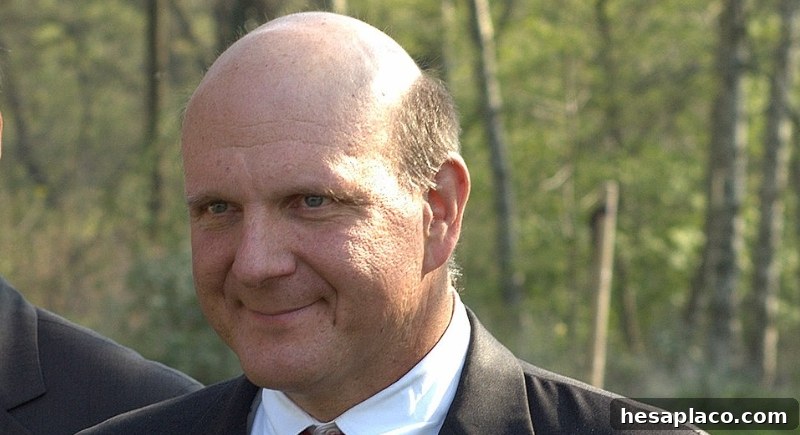
Steve Ballmer’s early role at Microsoft began in 1980 when Bill Gates brought him into the company. Though often described as an “assistant,” Ballmer’s responsibilities extended well beyond clerical tasks. He focused on business operations and strategy, serving as a trusted adviser and sounding board for Gates. That early proximity to leadership and strategic decision-making positioned him not as a mere administrator but as a central business leader—an influence that would ultimately propel him into the CEO role.
Steve Ballmer: Now
Credit: Youtube
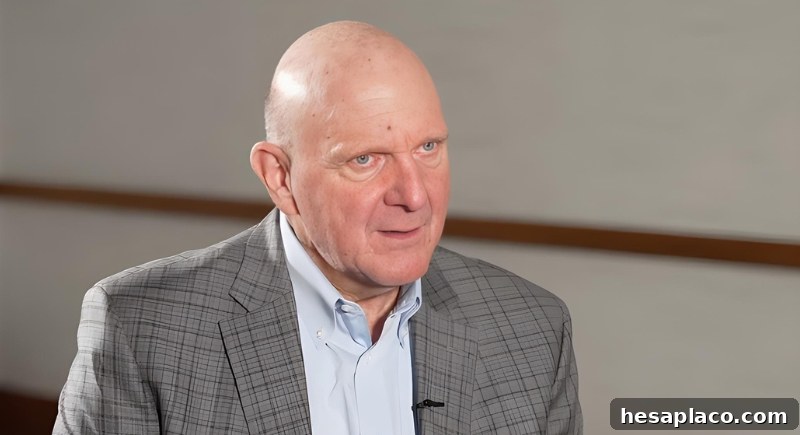
Ballmer became Microsoft’s CEO in 2000 and led the company for 14 years. During that tenure and afterward his ownership stake in Microsoft grew substantially, contributing to his current billionaire status. Today, Ballmer focuses on other passions: he is the owner of an NBA team, dedicates significant time to philanthropy, and supports data transparency initiatives through his nonprofit organization. His career path illustrates how an early operational role can evolve into major leadership and philanthropic influence.
Ann Hiatt: Then
Credit: Instagram
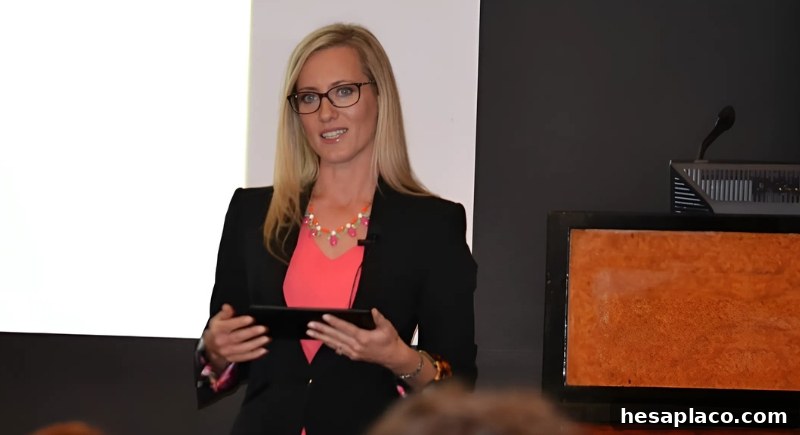
Ann Hiatt launched her career at Amazon in 2002 as an assistant to Jeff Bezos, a role she later described as “unforgiving” and “relentless.” She handled high-stakes scheduling, last-minute logistics, and the unglamorous but critical work that kept leadership functioning under pressure. After Amazon, she supported leaders like Eric Schmidt and Marissa Mayer, refining skills in both operational support and executive-level problem solving.
Ann Hiatt: Now
Credit: Instagram
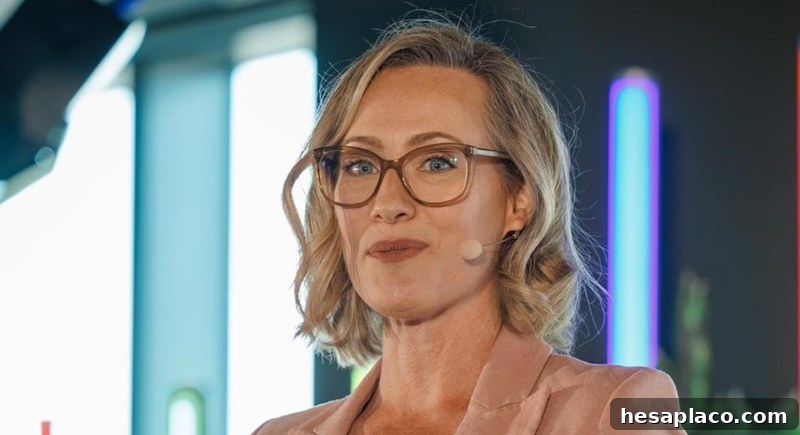
Hiatt transitioned from executive support to strategic advisor and entrepreneur. She now runs a leadership consulting practice, coaches startup founders, and authored a book that shares lessons learned from years working closely with top CEOs. Her writing and coaching emphasize how assistant-level exposure to executive decision processes can translate into leadership instincts and advisory roles.
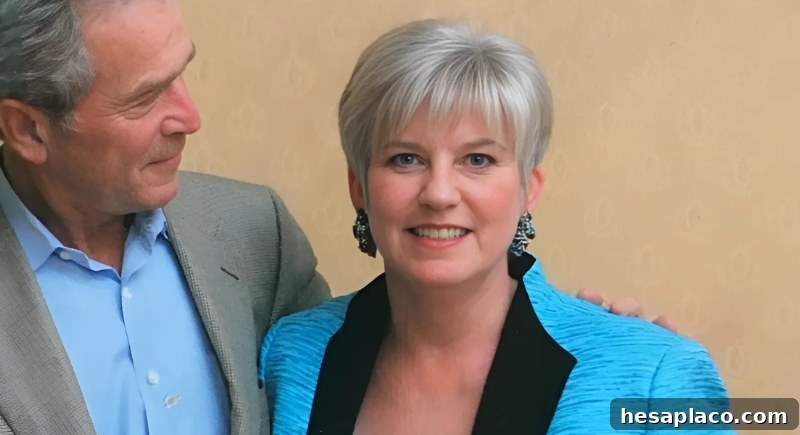
Debbie Gross: Then
Credit: Instagram
Debbie Gross began at Cisco in 1991 when John Chambers was still a vice president. She quickly became essential to his daily workflow and later led a global administrative team of more than a thousand employees. Gross didn’t just manage logistics; she produced materials, helped shape presentations, and supported the communication and organizational standards that Chambers relied on day to day.
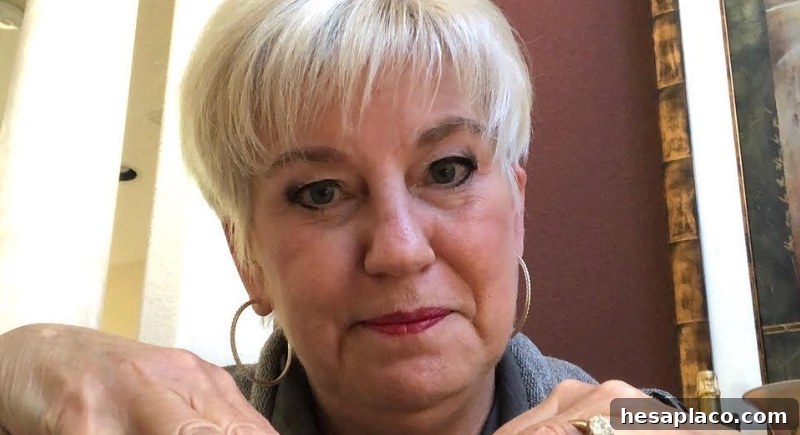
Debbie Gross: Now
Credit: Instagram
After leaving Cisco, Gross remained active in the executive support world by coaching assistants and running training programs that translate corporate administrative experience into career development. She is the author of a practical guide for assistants that covers relationship management, influence, and thriving in high-pressure corporate environments.
Naz Beheshti: Then

Credit: Instagram
Naz Beheshti’s first notable role out of college was serving as executive assistant to Steve Jobs at Apple. During her time there, she observed a leader who, despite public portrayals, showed a deep interest in wellness and intentionality. That early exposure to a high-performance culture shaped her appreciation for integrating personal well-being with professional demands.
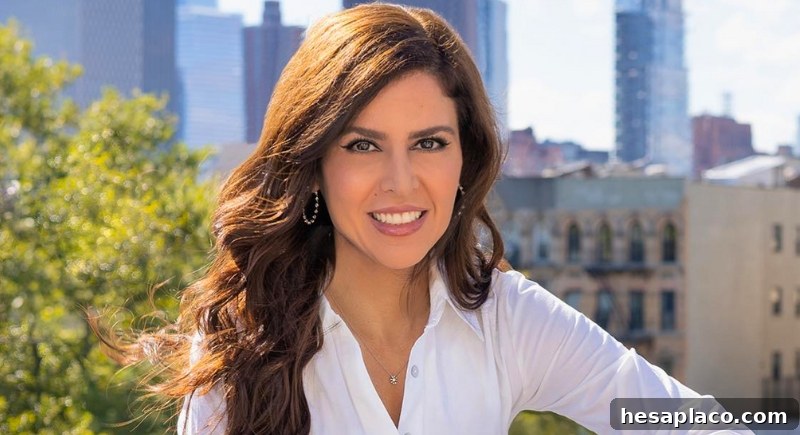
Naz Beheshti: Now
Credit: Instagram
Beheshti parlayed her Apple experience into a career focused on corporate wellness. She founded a wellness company that delivers programs designed to improve workplace health and performance, and she authored a book that promotes mindful practices for busy professionals. Her work blends practical business experience with strategies for sustaining energy and focus in demanding roles.
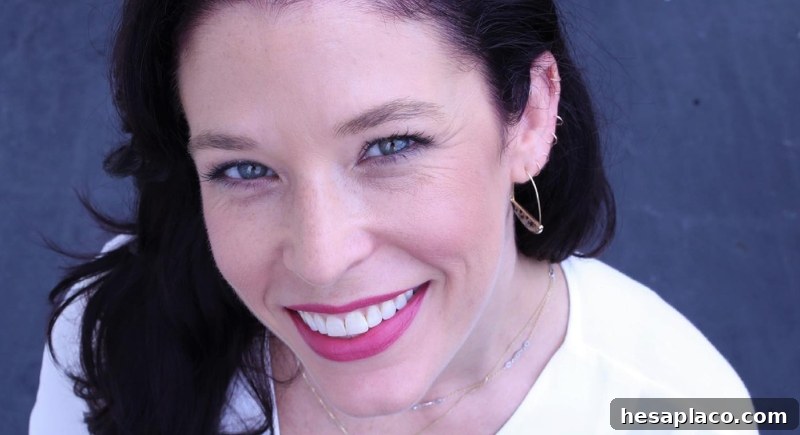
Monique Helstrom: Then
Credit: Instagram
Monique Helstrom spent nearly a decade coordinating Simon Sinek’s public life, managing speaking tours, media engagements, book launches, and travel. She described her role as “Chief of Simon,” reflecting a holistic stewardship of how his message was presented. Her responsibilities extended beyond logistics—she helped ensure that every public appearance reinforced the broader themes of his leadership work.
Monique Helstrom: Now
Credit: Instagram
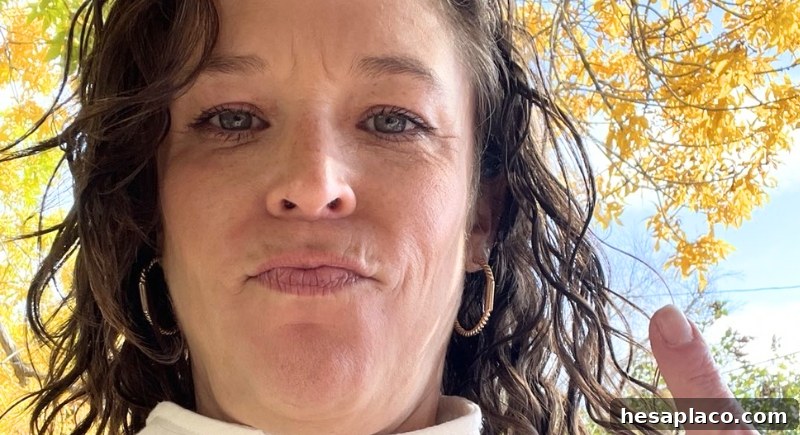
Today Helstrom is an executive coach and speaker who trains assistants and executives to form strategic partnerships. Her work advocates for evolving the assistant role into a collaborative, high-impact function that contributes to organizational strategy and message consistency. She speaks and trains on how assistants can move beyond task execution to become essential partners in leadership.
These stories show how assistant roles have long served as incubators for leadership insight and operational expertise. Whether the career outcome was the CEO’s chair, a consulting practice, a wellness company, or a coaching business, each trajectory reflects how deep exposure to executive decision-making can translate into new opportunities. Skilled assistants combine discretion, logistical mastery, and strategic thinking—qualities that have allowed many to move from the wings to center stage in their own right.