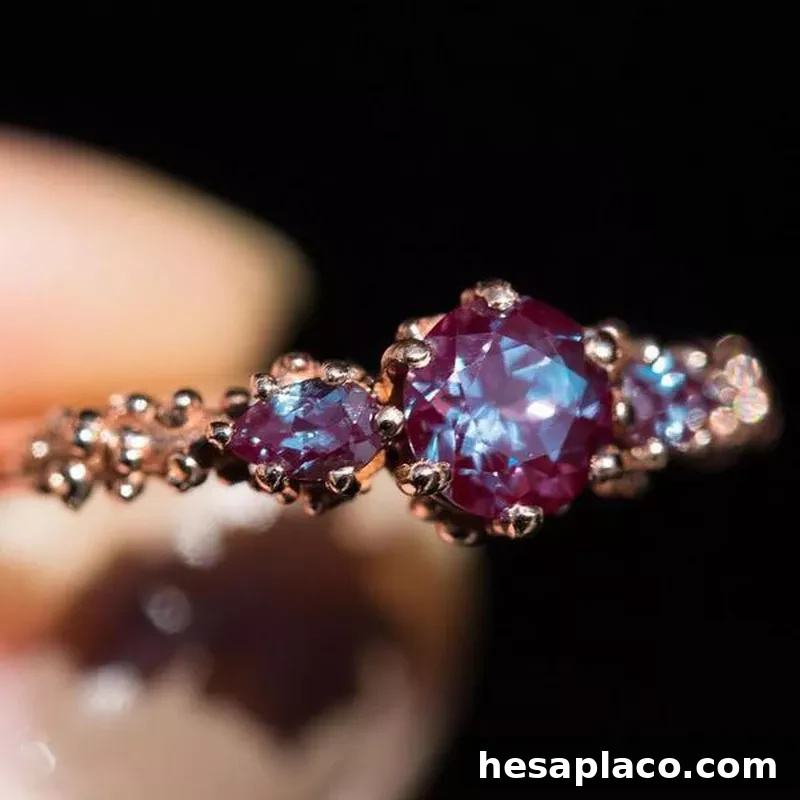
When people think of expensive gemstones, the “Big Four”—diamonds, emeralds, rubies and sapphires—often come to mind. Yet there are many precious stones rarer and, in some cases, far more valuable than those household names.
Several of the world’s most valuable gems have been discovered only in recent decades. Minerals like pezzottaite (discovered in 2002) and musgravite (first gem-quality find in 1993) are relatively new to the market but have quickly become sought after. Their high prices reflect extreme scarcity, limited supply from single or few locations, and strong collector demand.
Other gems, such as aquamarine, have been prized since ancient times, while unusual varieties like black diamonds have seen price increases driven in part by celebrity fashion. Below is a refined, SEO-optimized overview of 35 of the most valuable gemstones in the world, ranked roughly by price per carat. The list includes familiar classics as well as rare, lesser-known stones.
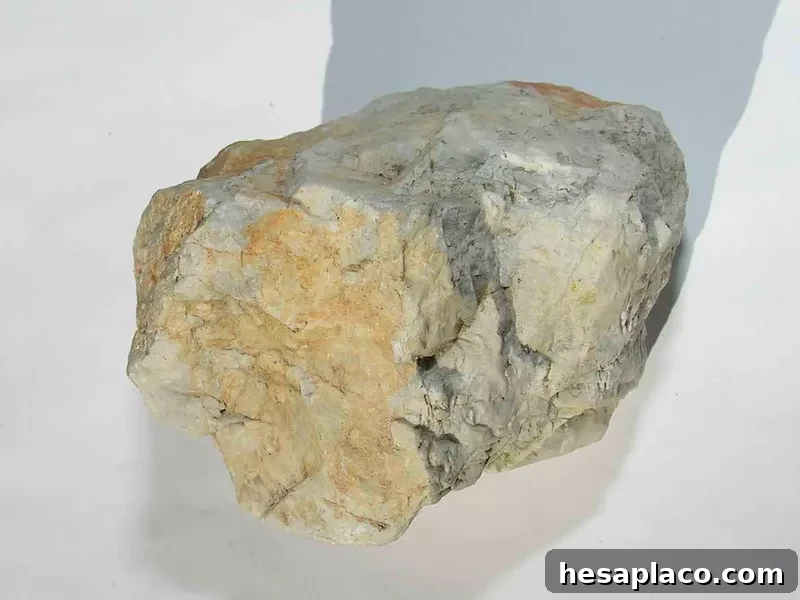
35. Amblygonite
Luis Miguel Bugallo Sánchez / Wikimedia Commons
Price per carat: $51–$108
Highlights: Typically light straw-colored, amblygonite can also appear in yellow, green, blue-green and lilac. It is relatively soft and best suited to collector pieces rather than daily-wear jewelry. Large, faceted examples are rare and prized by collectors.
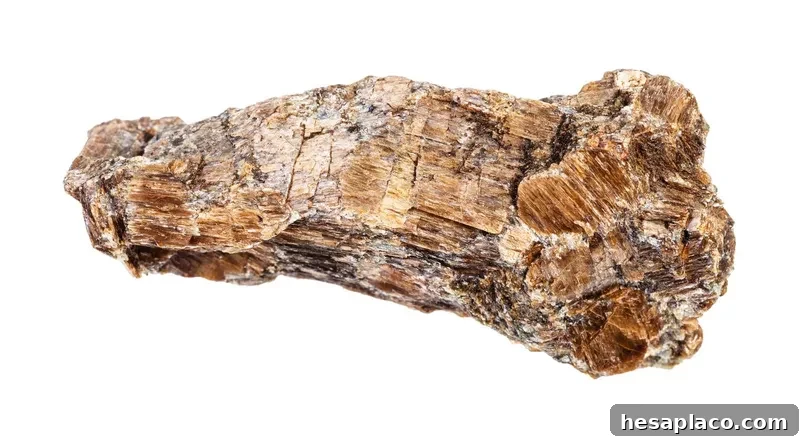
34. Enstatite
VvoeVale / Getty Images
Price per carat: $59–$81
Highlights: A common silicate mineral, enstatite varies from clear to gray, yellow, brown or green. Green varieties from South Africa or Myanmar are rarer and command higher prices. With a Mohs hardness of about 5–6, enstatite is more often a collector’s gem than a durable daily-wear stone.
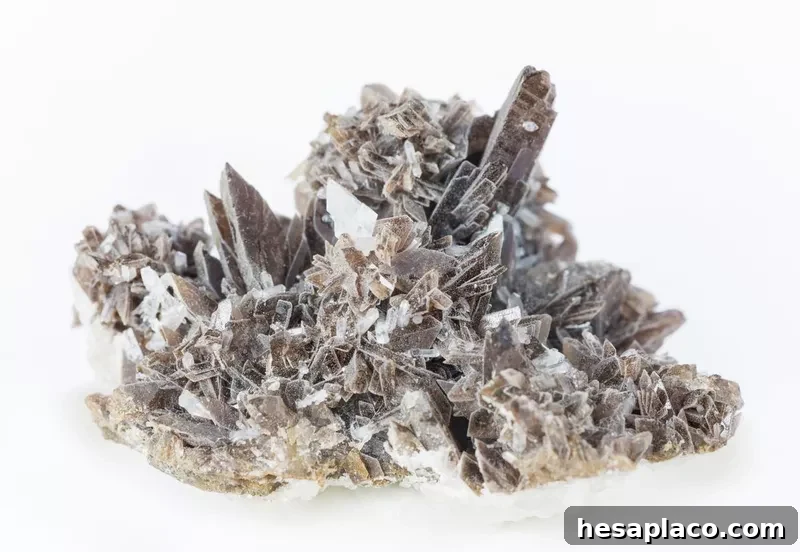
33. Axinite
Epitavi / Getty Images
Price per carat: $59–$540
Highlights: A borosilicate mineral, axinite occurs in gray, brown and purple tones. It is hard enough to be faceted and used in jewelry but can be brittle under impact. Its rarity and attractive colors make gem-quality specimens valuable.
32. Kornerupine
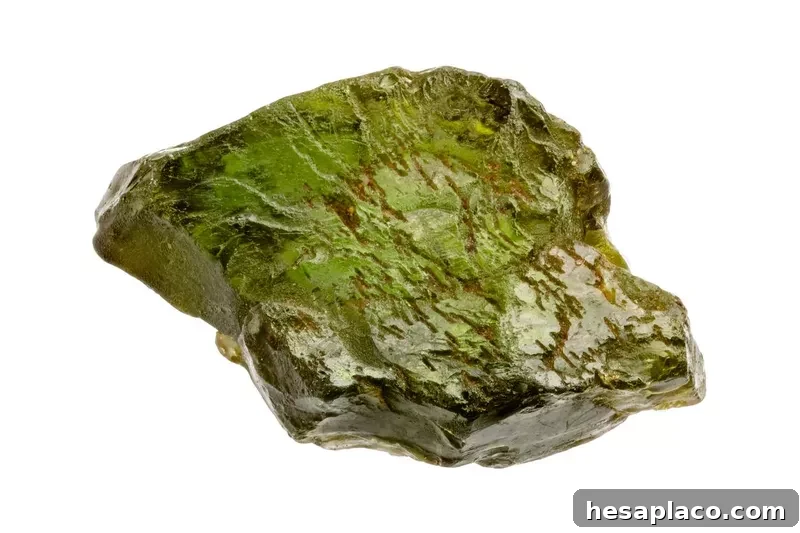
Reimphoto / Getty Images/iStockphoto
Price per carat: $64–$122
Highlights: Also known as prismatine, kornerupine is a borosilicate first described in 1884. Bluish-green and emerald-green stones that are clear and transparent are the most prized and rare.
31. Hiddenite
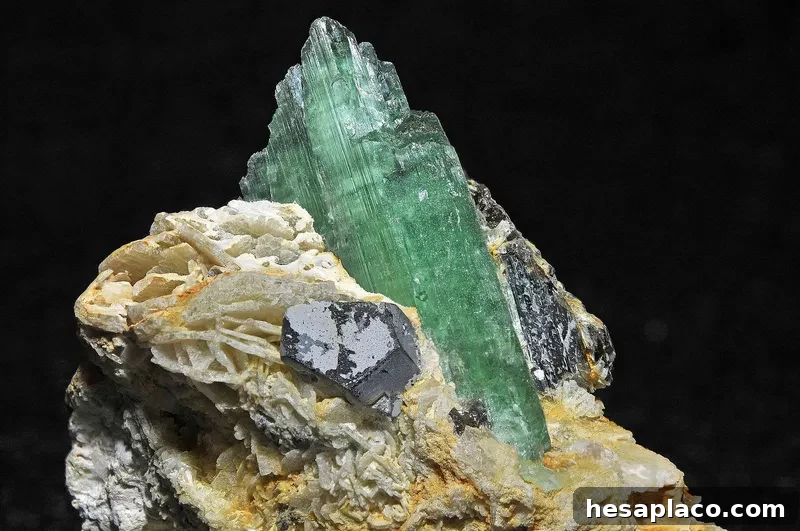
Parent Gery / Wikimedia
Average price: $100 per carat (varies widely)
Highlights: A green variety of spodumene, hiddenite ranges from pale to deep emerald green. The deepest greens and high-clarity custom cuts are the most valuable, though the stone can be challenging to cut without fracture.
30. Pearl
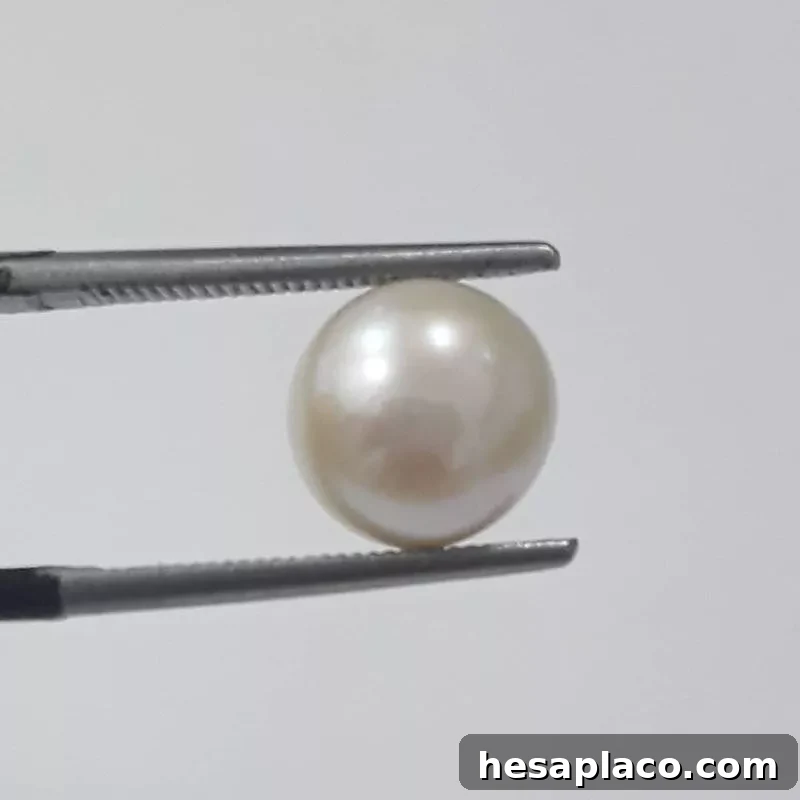
bismillah_gems / Instagram
Price per pearl: $300–$1,500 (single pearls vary; strands can fetch six-figure prices)
Highlights: Pearls are organic gems composed of calcium carbonate produced by mollusks. South Sea pearls are especially prized—long-standing symbols of elegance and family heirlooms, sometimes reaching very high values when size, luster and uniformity are exceptional.
29. Red Coral
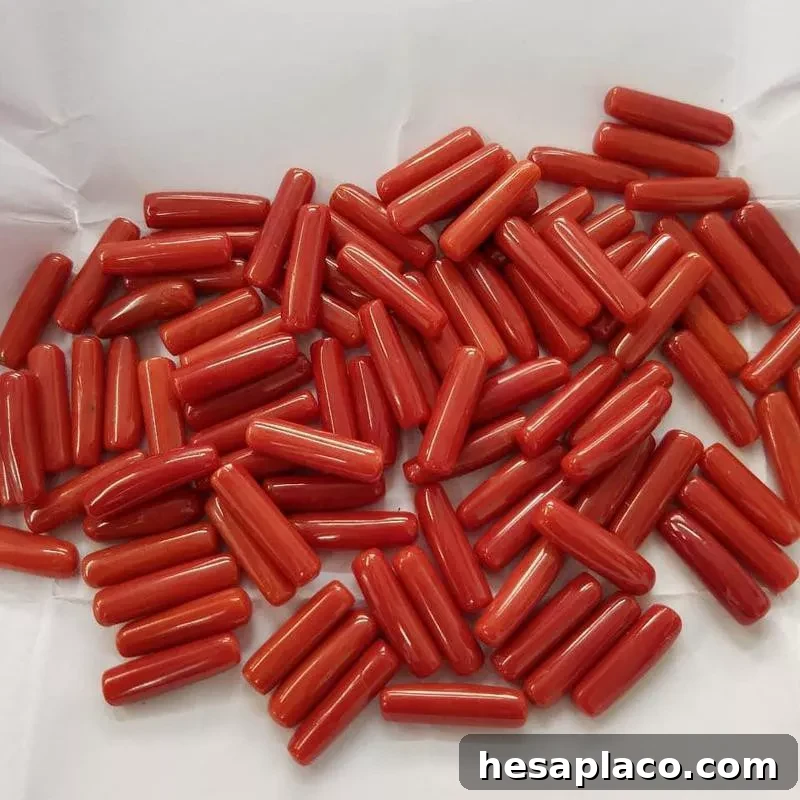
pearlscentreonline / Instagram
Price per carat equivalent: Approximately $320 for fine-quality pieces
Highlights: True red coral—particularly Japanese “ox blood” coral—is increasingly rare due to overharvesting. Valued for its saturated color and carved forms, red coral has long been used in jewelry and decorative objects.
28. Tanzanite
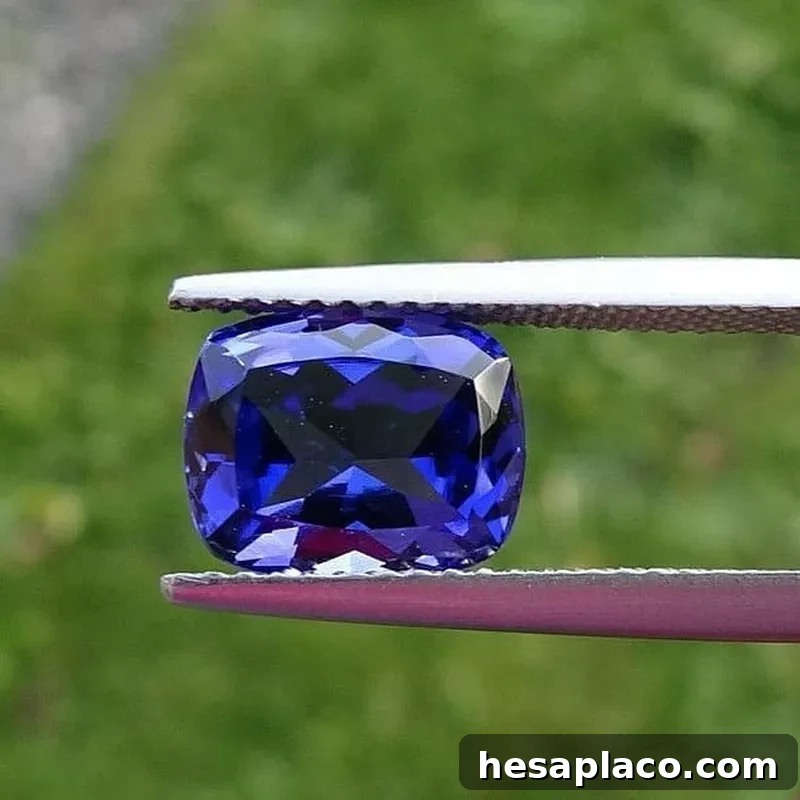
aurarocksandminerals / Instagram
Price per carat: $600–$1,000
Highlights: Found only in the foothills of Mount Kilimanjaro, tanzanite is a variety of zoisite that is typically heat-treated to bring out its blue-violet color. Known deposits are limited and could be exhausted within decades, contributing to its scarcity and value.
27. Aquamarine
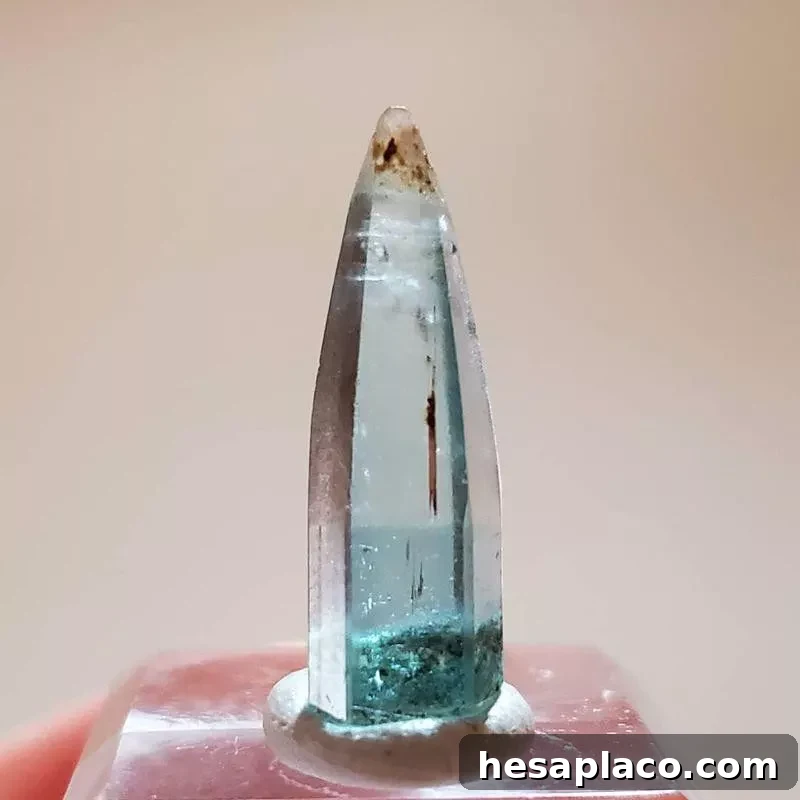
perfectgemcreations / Instagram
Price per carat: Around $1,000 for fine-quality stones
Highlights: A blue to green-blue beryl, aquamarine has been prized since antiquity. Darker, intensely saturated blue examples—especially those from Brazil—are the most valuable.
26. Sapphire
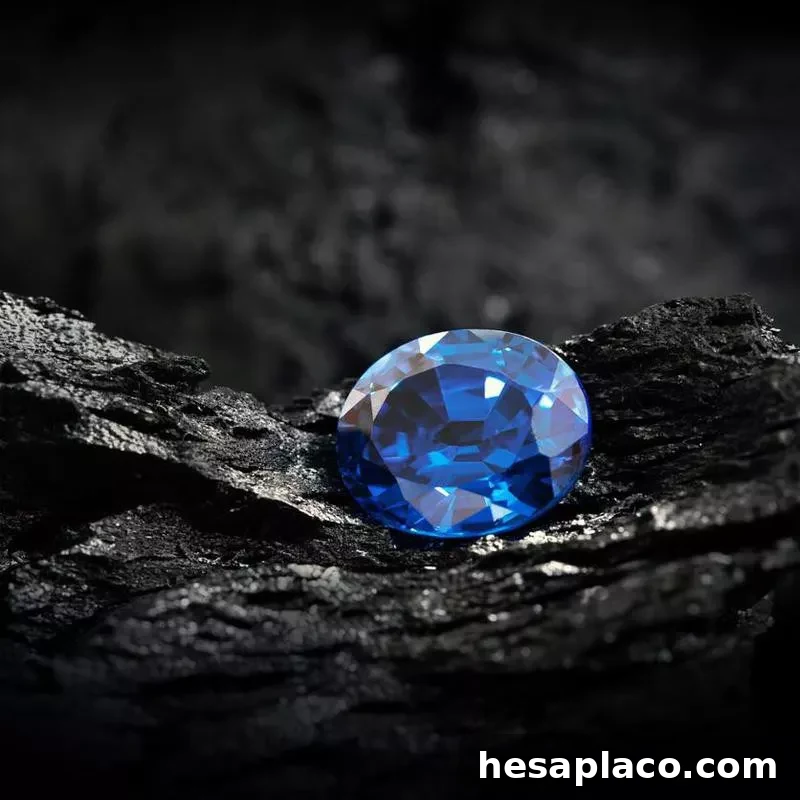
Getty Images
Price per carat: $1,200–$2,000 (top specimens much higher)
Highlights: Corundum varieties, sapphires come in many colors; vivid blue and rare colors fetch the highest prices. The Blue Belle of Asia (392.52 carats) is one of the most famous and valuable sapphires ever sold.
25. Spessartine Garnet
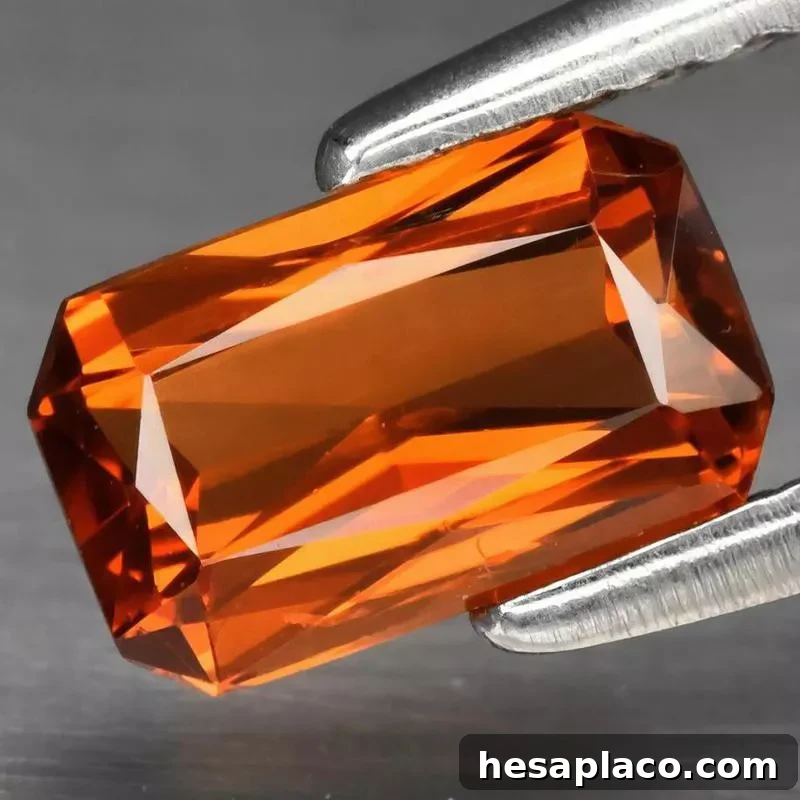
V&G Studio / Getty Images
Price per carat: $1,500–$3,000
Highlights: Known for vivid orange to reddish-orange hues, top “mandarin” spessartine garnets are rare and highly sought. Gem-quality stones of larger size are uncommon, which drives up value.
23. Jeremejevite (tie)
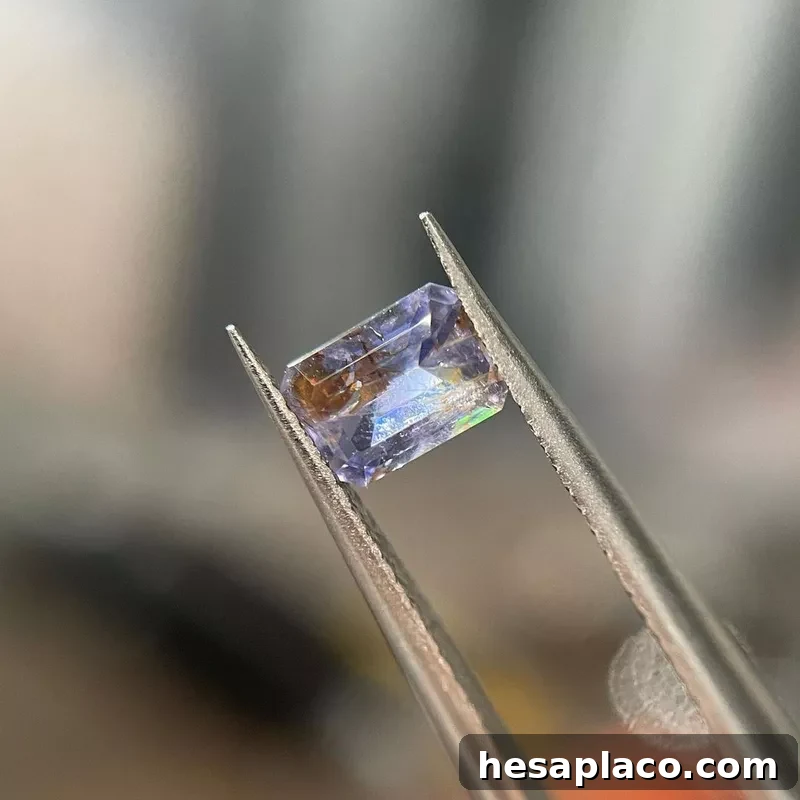
siam_ruby_ / Instagram
Price per carat: Around $2,000
Highlights: A rare aluminum borate mineral, jeremejevite appears in blue, yellow, brown and colorless forms. Gem-quality stones over 1 carat are uncommon; the largest cut specimen known weighs 45.61 carats.
23. Pezzottaite (tie)
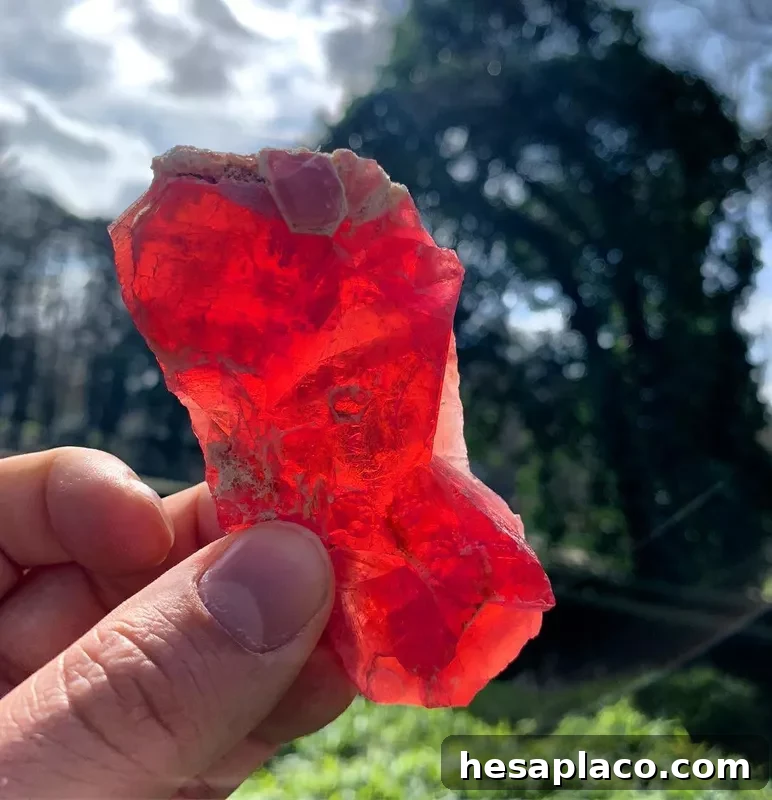
jochenleen / Instagram
Price per carat: About $2,000
Highlights: Discovered in 2002 and found in only a few localities, pezzottaite is a cesium-beryllium-lithium silicate prized for its raspberry-pink to orange-pink tones. Limited supply and strong demand push prices upward.
22. Fire Opal
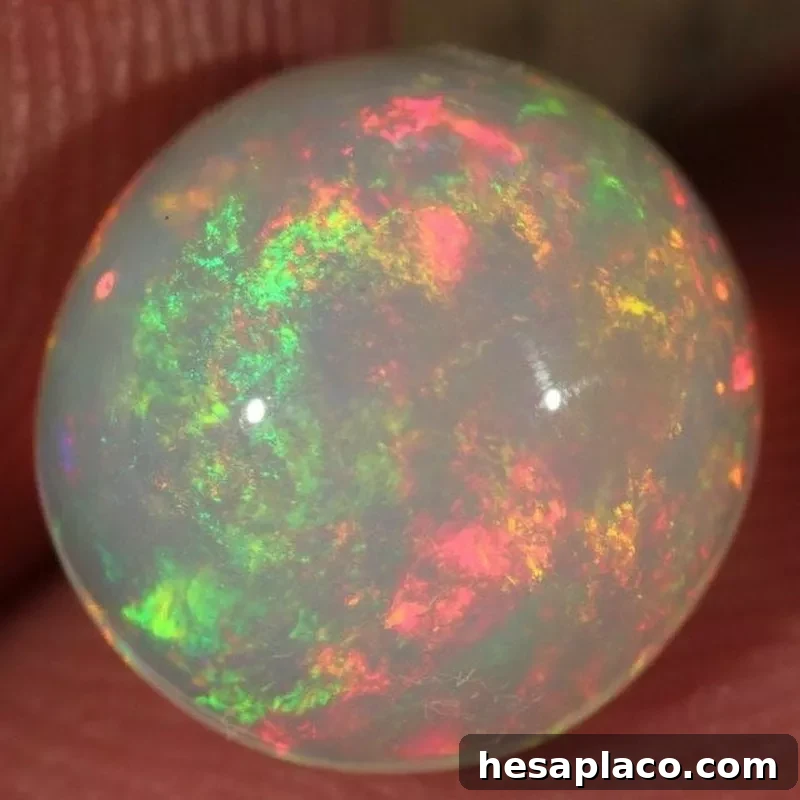
aurarocksandminerals / Instagram
Price per carat: Approximately $2,300 for fine specimens
Highlights: Translucent and warm-hued, fire opals show a play of color and range in tones from yellow to red. Gem-quality examples are rare; the Fire of Australia is one of the most famous and valuable uncut opals.
21. Poudretteite
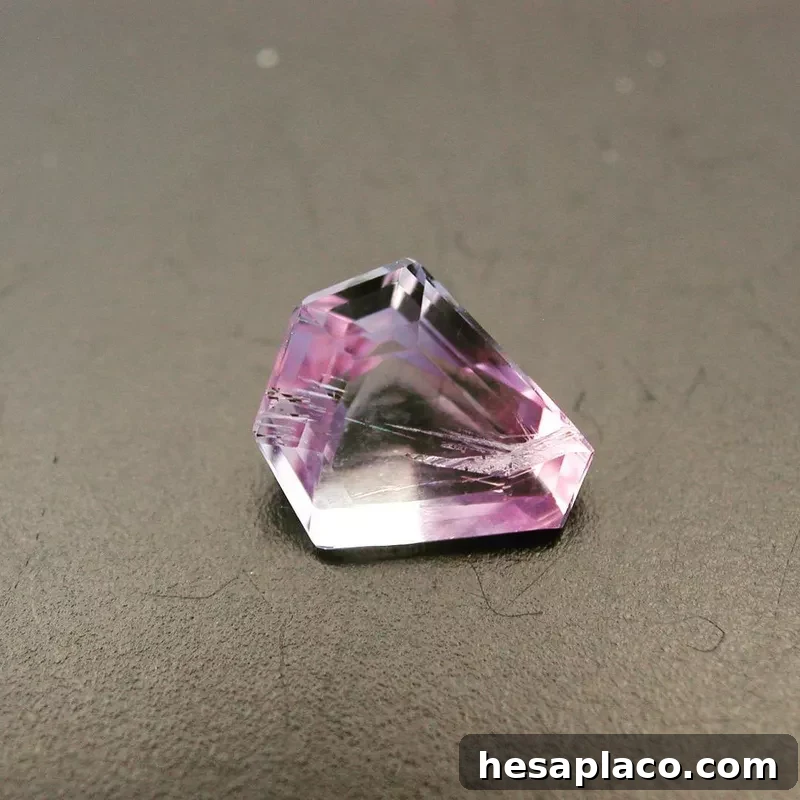
gemstore_24 / Instagram
Price per carat: Around $3,000
Highlights: First found as small crystals in Quebec, poudretteite is an extremely rare borosilicate. Gem-quality, transparent stones over 1 carat are very uncommon; the Smithsonian holds a notable 9.41-carat example.
20. Black Diamond
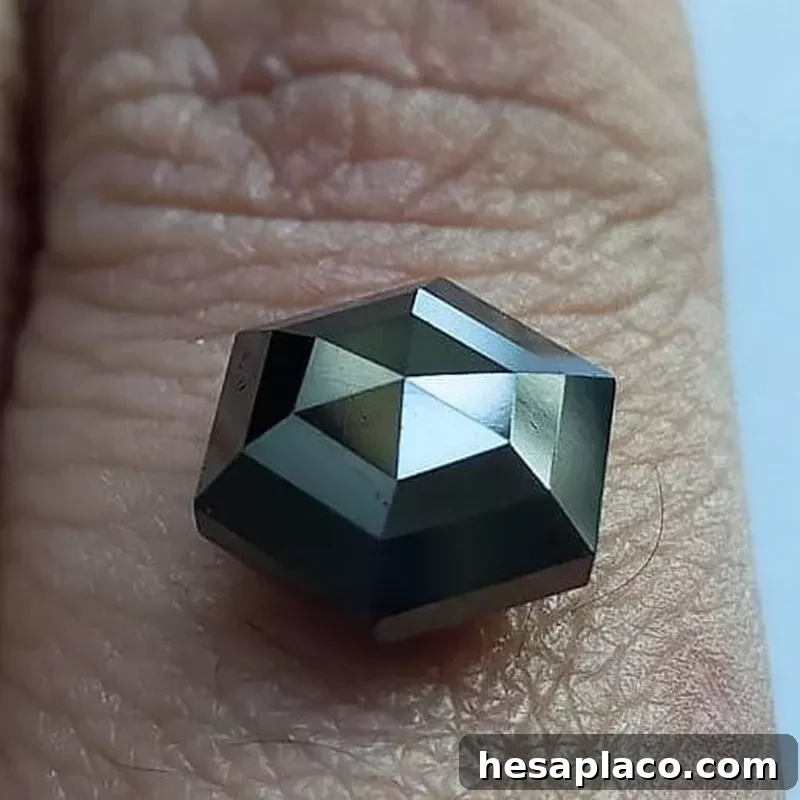
blackdiamond.supply / Instagram
Price per carat: $3,000–$5,000
Highlights: Opaque fancy-color diamonds colored by graphite inclusions, natural black diamonds (carbonados) are rare and increasingly fashionable. Treated stones are cheaper than naturally black diamonds.
19. Demantoid Garnet
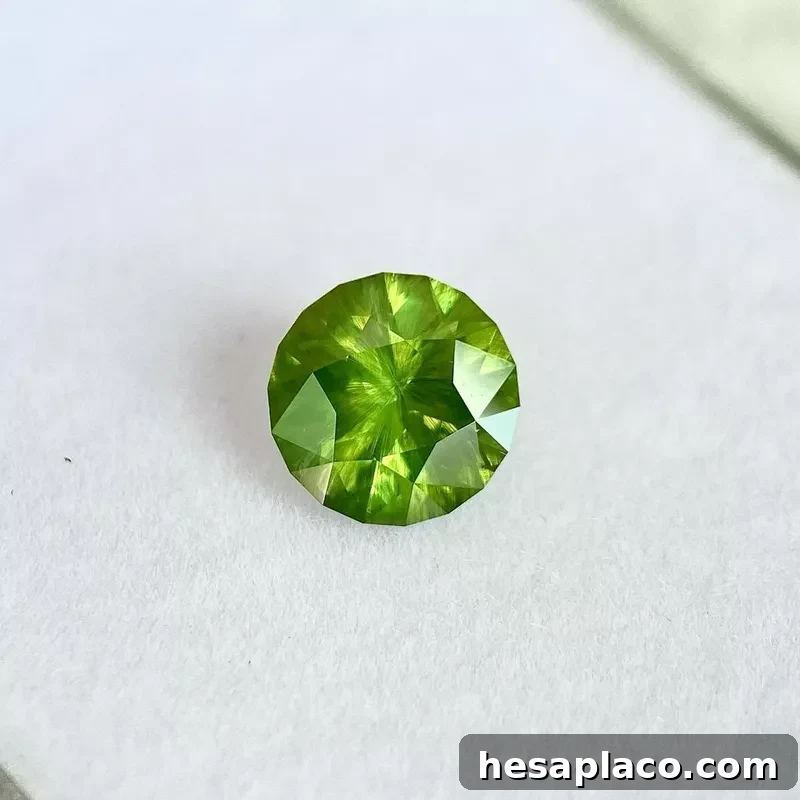
yoyogemsllc / Instagram
Price per carat: Approximately $3,300
Highlights: A green andradite garnet discovered in Russia’s Urals, demantoid is prized for intense brilliance—often described as “diamond-like.” High-quality stones are small and rare, typically used in antique and collectible jewelry.
18. Black Opal
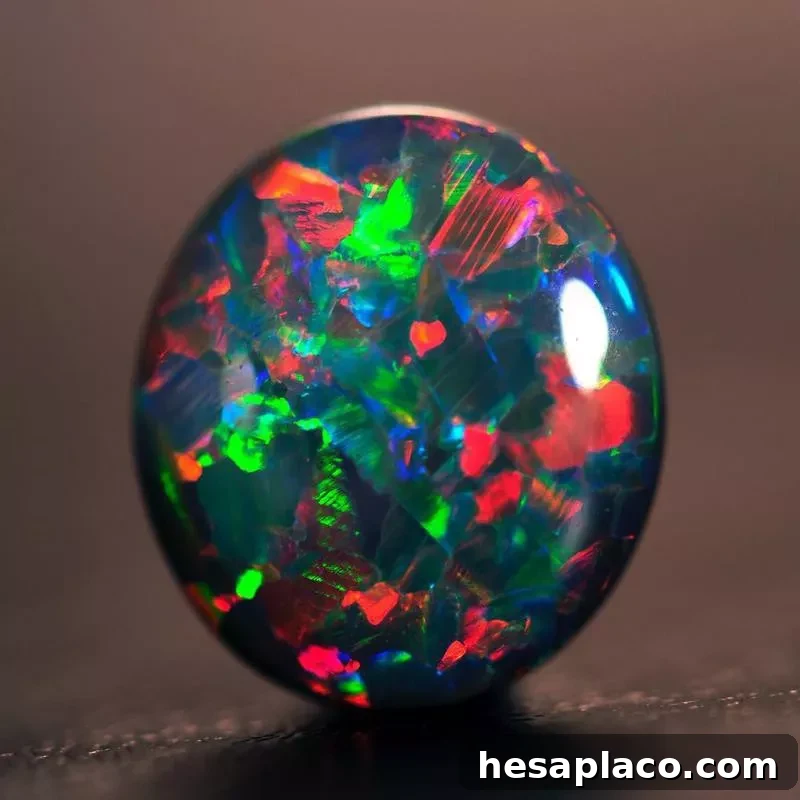
codyopalaustralia / Instagram
Price per carat: About $3,500 for top examples
Highlights: Black opals have dark backgrounds that make play-of-color spectacular. True black opals are very rare and primarily sourced in Australia and Nevada; museum-quality specimens can command seven-figure prices.
17. Benitoite
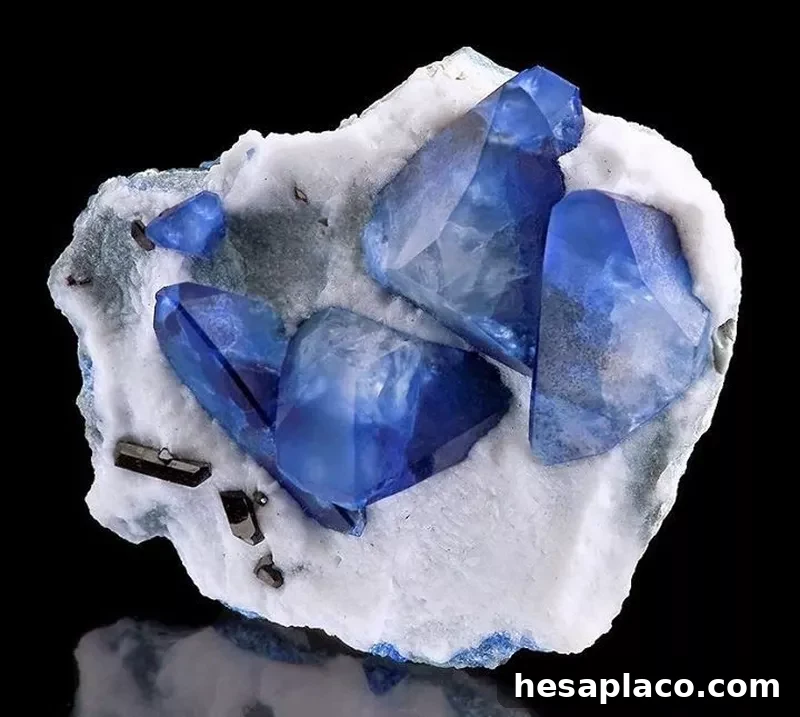
raining_zen / Instagram
Price per carat: Around $4,000
Highlights: A blue to blue-purple barium titanium silicate, benitoite is California’s state gem. Deposits are extremely limited—large facetable stones are rare—so collector-quality pieces are valuable.
16. Ruby
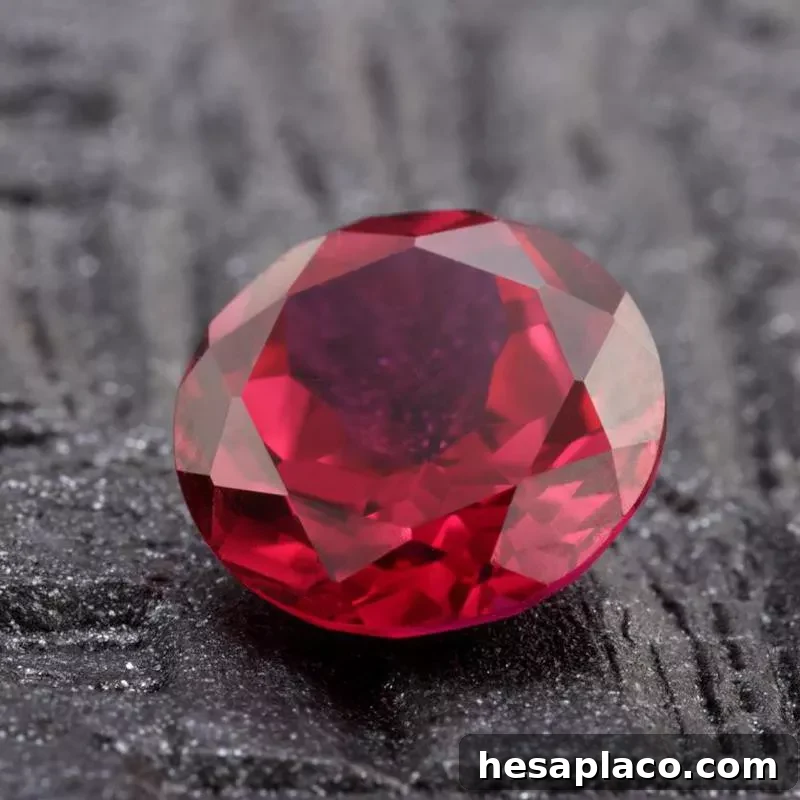
Getty Images
Price per carat: Starting around $4,500 for fine gem-quality; exceptional stones can reach $1 million+ per carat
Highlights: A red variety of corundum colored by chromium, rubies—especially those with the famed “pigeon’s blood” hue—have a long history of royal ownership. Record sales like the Sunrise Ruby demonstrate how dramatically values can escalate for top examples.
15. Musgravite
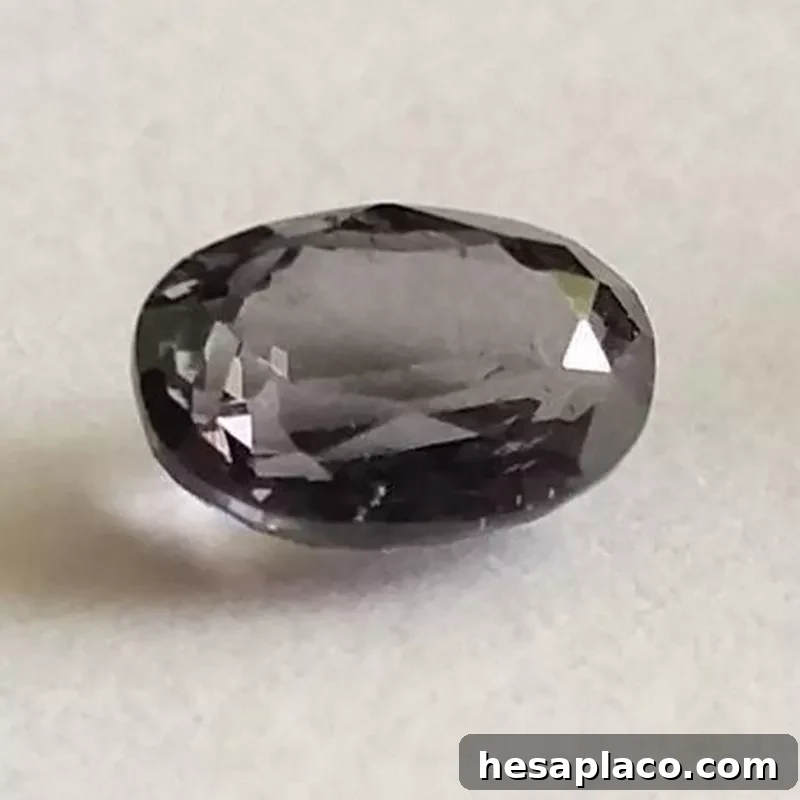
DonGuennie / Wikimedia Commons
Price per carat: Around $6,000 (top stones can fetch much more)
Highlights: A member of the taaffeite family, musgravite is exceptionally rare. Gem-quality musgravite is scarce and commands high prices; exceptional pieces have sold for tens of thousands per carat.
14. Padparadscha Sapphire
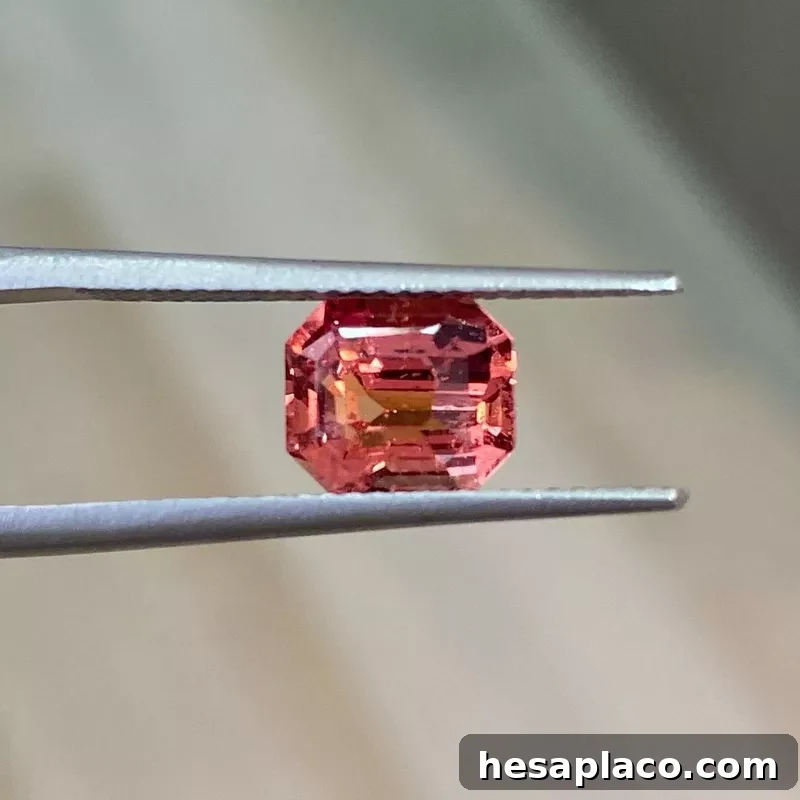
theraregem / Instagram
Price per carat: Around $8,000 for the finest examples
Highlights: The padparadscha is a salmon pink to pink-orange sapphire considered the rarest sapphire variety. Only high-quality stones with the ideal pink-orange balance command premium prices at auction.
13. Red Beryl (Bixbite)
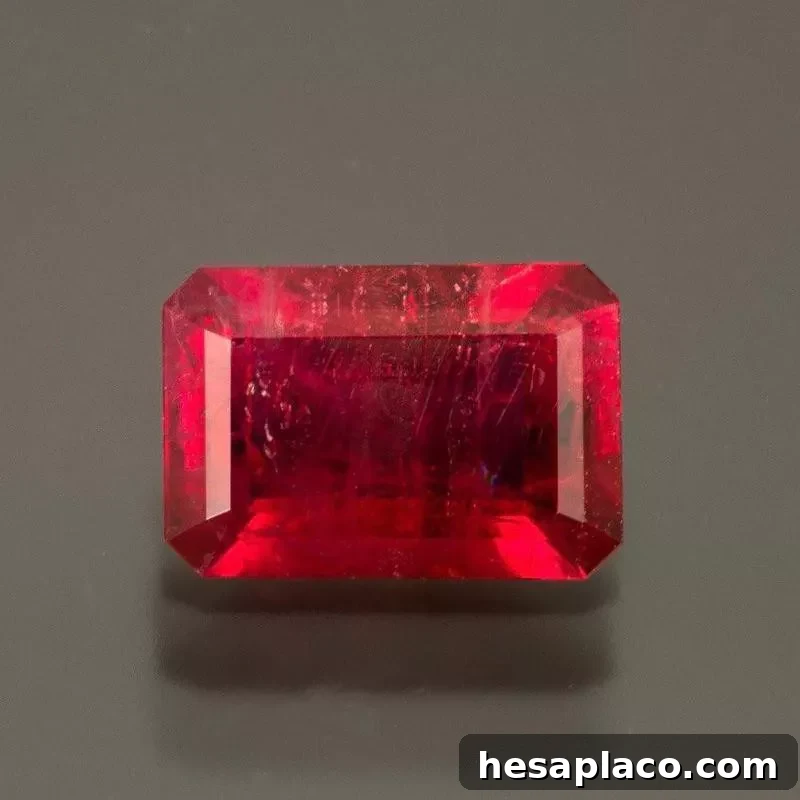
carl_larson / Instagram
Price per carat: Around $10,000
Highlights: Exceptionally rare and primarily sourced in Utah, gem-quality red beryl (bixbite) is far less common than ruby or high-quality diamonds. Large, fine-quality stones are extremely scarce and highly valued.
12. Paraiba Tourmaline
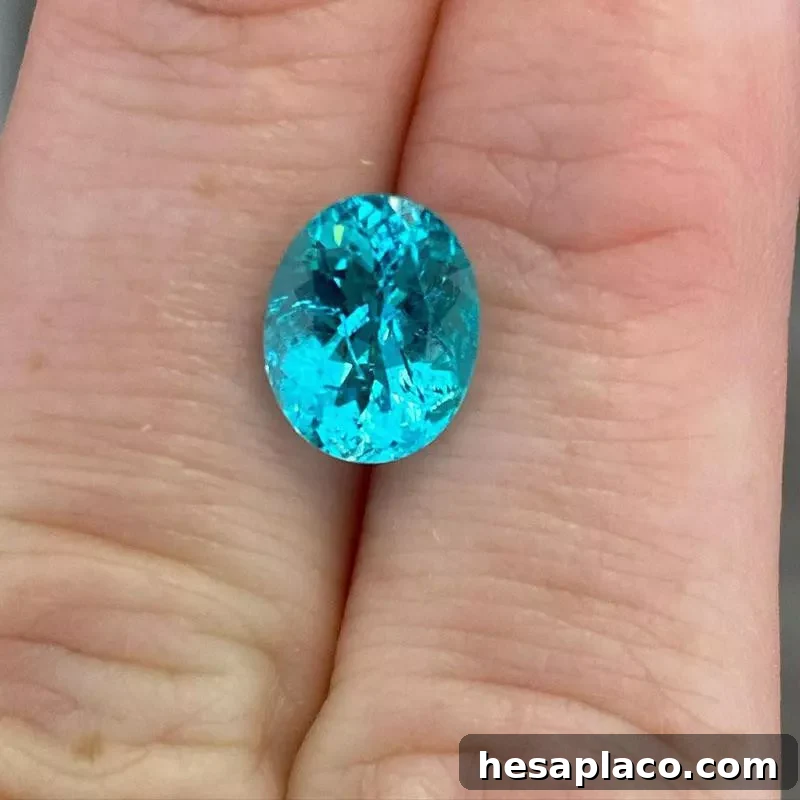
thesisgems / Instagram
Price per carat: $10,000–$20,000
Highlights: Discovered in Paraíba, Brazil in 1989, Paraíba tourmalines are famous for their vivid, “electric” blue to mint-green colors, often caused by copper traces. The finest Brazilian stones fetch the highest prices; limited supply keeps demand strong.
11. Alexandrite
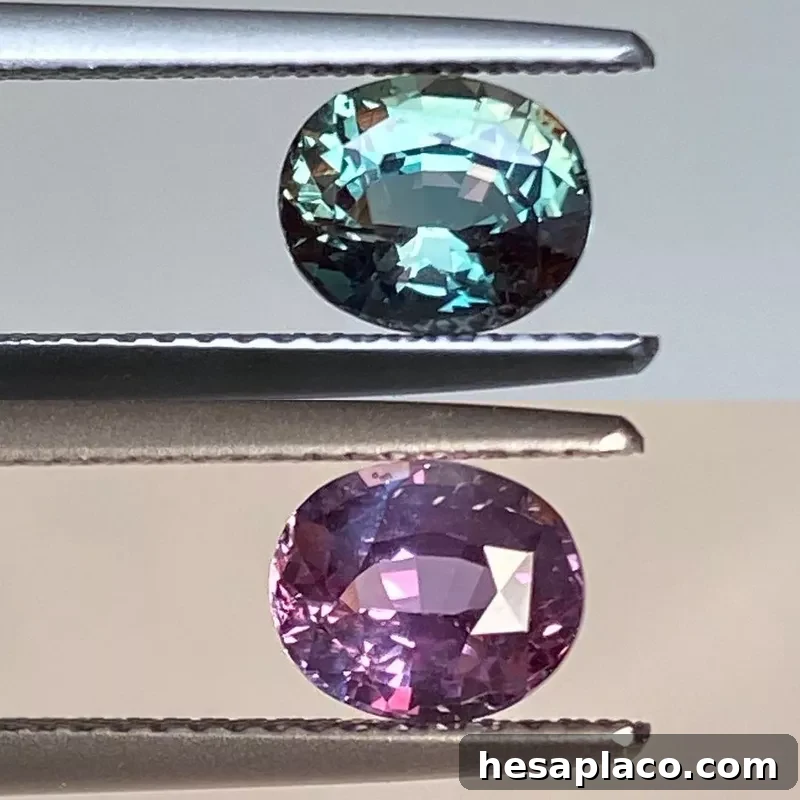
theraregem / Instagram
Price per carat: Around $12,000
Highlights: Famed for dramatic color-change (green in daylight, red under incandescent light), alexandrite was originally sourced in Russia but is now also found in East Africa, Brazil and Sri Lanka. High-quality stones are rare and command significant premiums.
10. Taaffeite
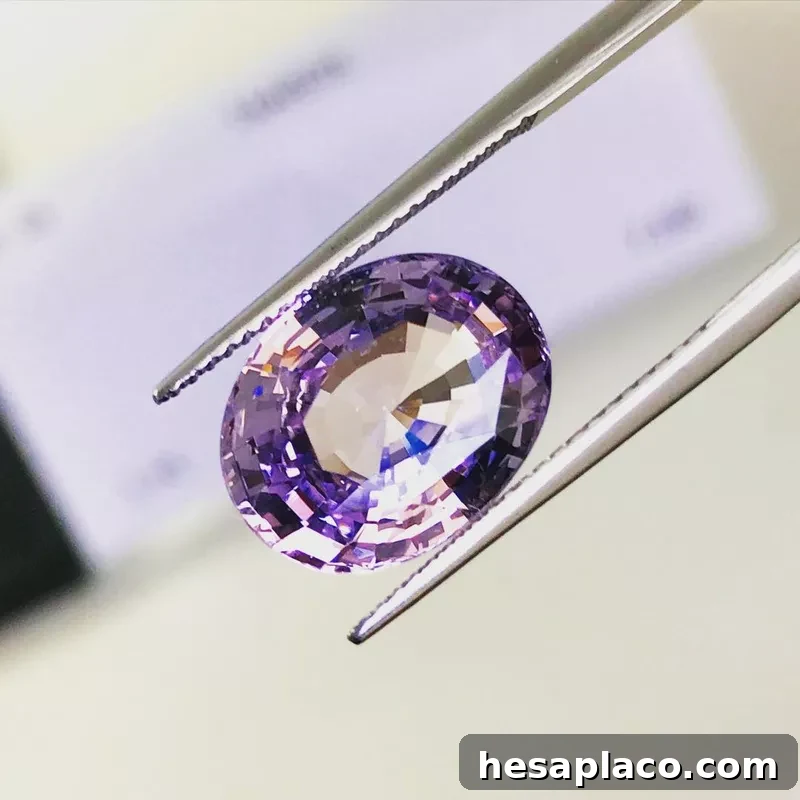
brightgems_international / Instagram
Price per carat: Up to $15,000 for gem-quality stones
Highlights: One of the rarest gems, taaffeite was first identified in 1945. It ranges from colorless to violet and can be mistaken for spinel. Very few specimens exist in the gem trade, and top-quality material is highly prized.
7. Serendibite (tie)
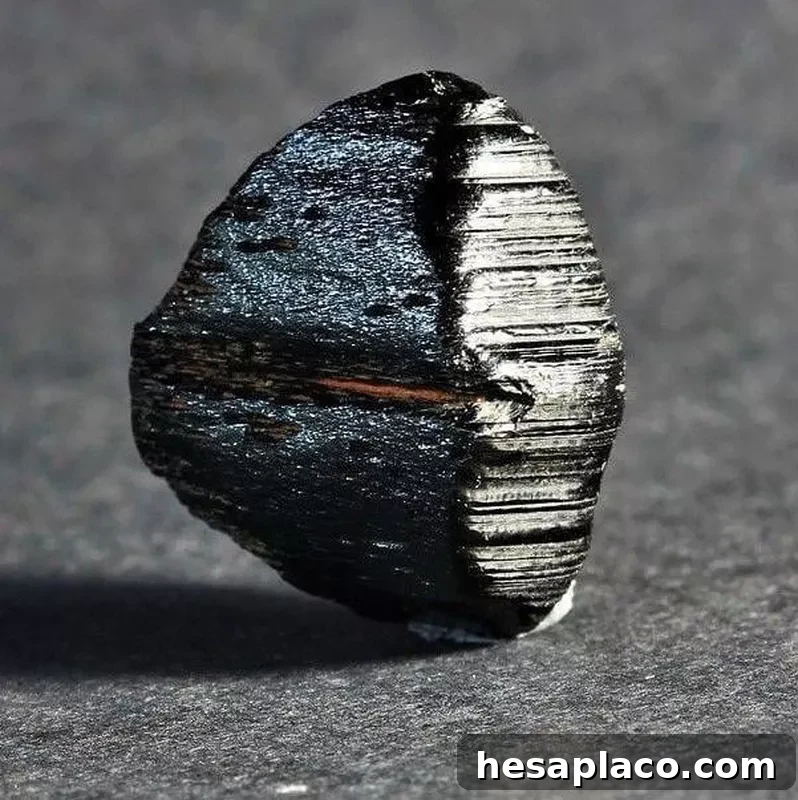
uom_geology_ / Instagram
Price per carat: Around $18,000
Highlights: An exceptionally rare boron-bearing silicate, serendibite is typically dark blue-green. Historically limited to Sri Lanka, more recent finds have been reported from Myanmar; gem-quality pieces are extremely rare and valuable.
7. Clear Diamond (tie)
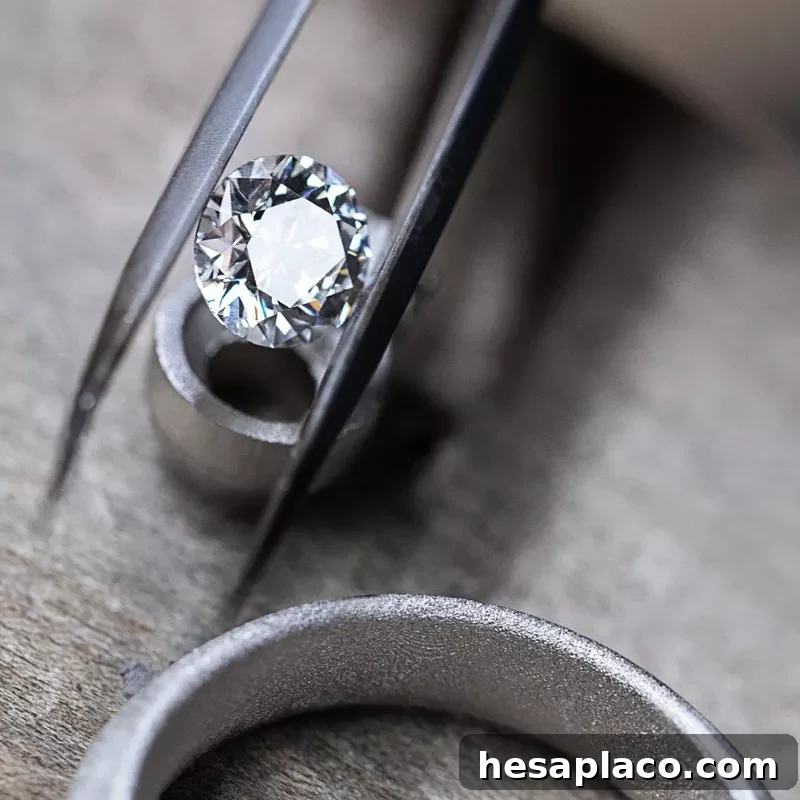
tiffanyandco / Instagram
Price per carat: About $18,000 and up for top-quality white diamonds
Highlights: Clear diamonds are graded by the 4 Cs—cut, color, clarity and carat—and demand for engagement and bridal jewelry keeps prices high for the finest stones. Historic examples and famous large stones reach tens to hundreds of millions in value.
7. Emerald (tie)
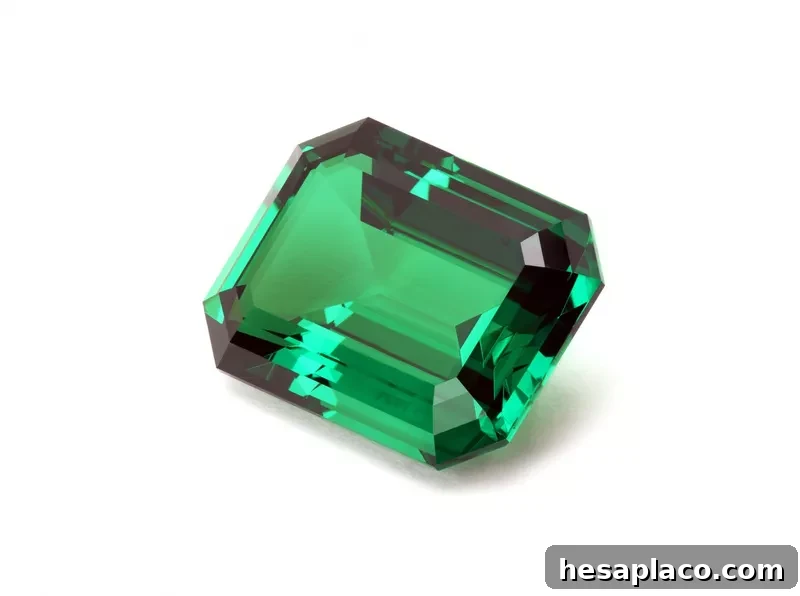
SunChan / Getty Images
Price per carat: Around $18,000 for top-quality stones
Highlights: The green variety of beryl, emeralds gain value from deep color saturation, size and clarity. Historically treasured by royalty, the finest Colombian emeralds routinely command premium prices.
5. Grandidierite (tie)
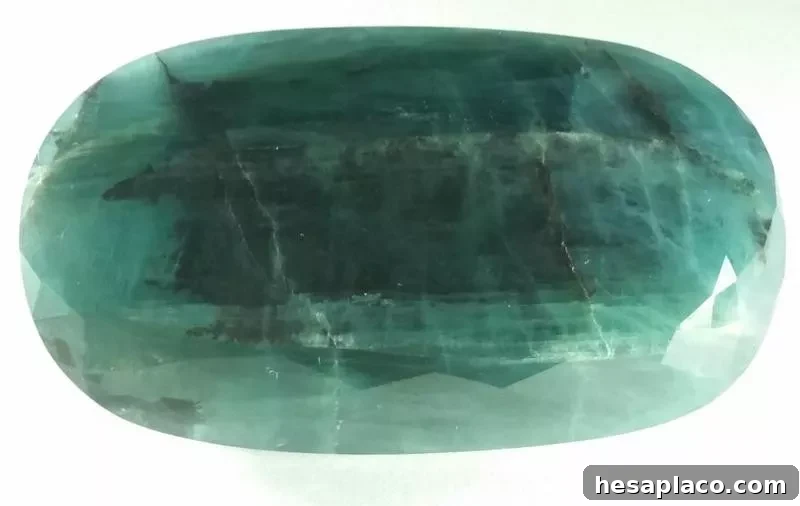
Gmerritt / Wikimedia Commons
Price per carat: Around $20,000
Highlights: Extremely rare and often pleochroic (showing different colors from different angles), grandidierite is sought after by collectors. Only a small fraction of occurrences yield gem-quality material.
5. Jadeite (tie)
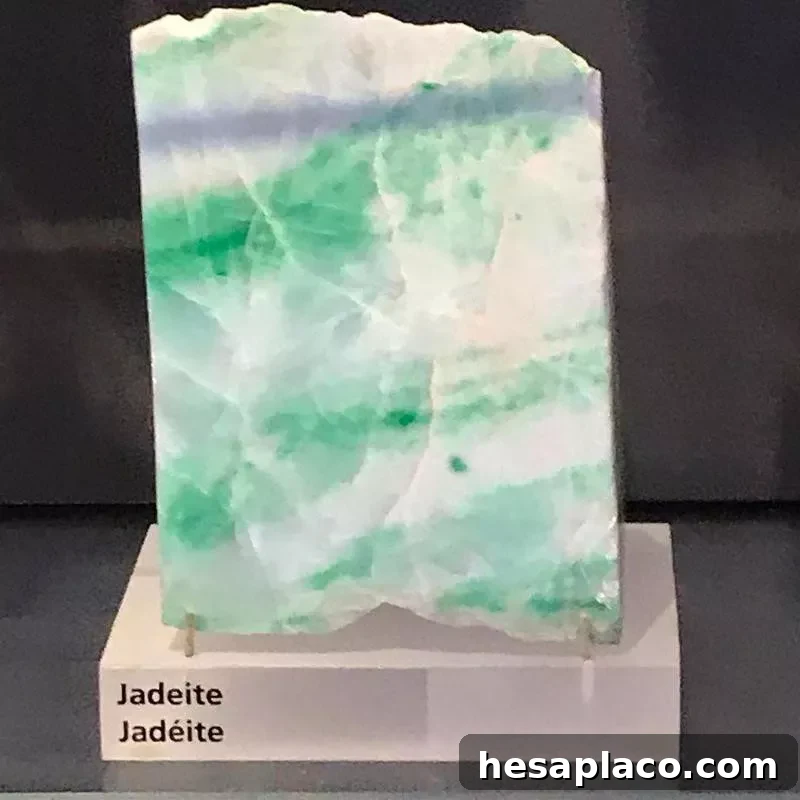
uareuniquejewelry / Instagram
Price per carat: Around $20,000 for the finest imperial-quality material
Highlights: The rarest variety of jade, highly prized in East Asian markets. Top-quality imperial jadeite with vivid, translucent green color and even texture has fetched multi-million-dollar prices at auction.
4. Painite
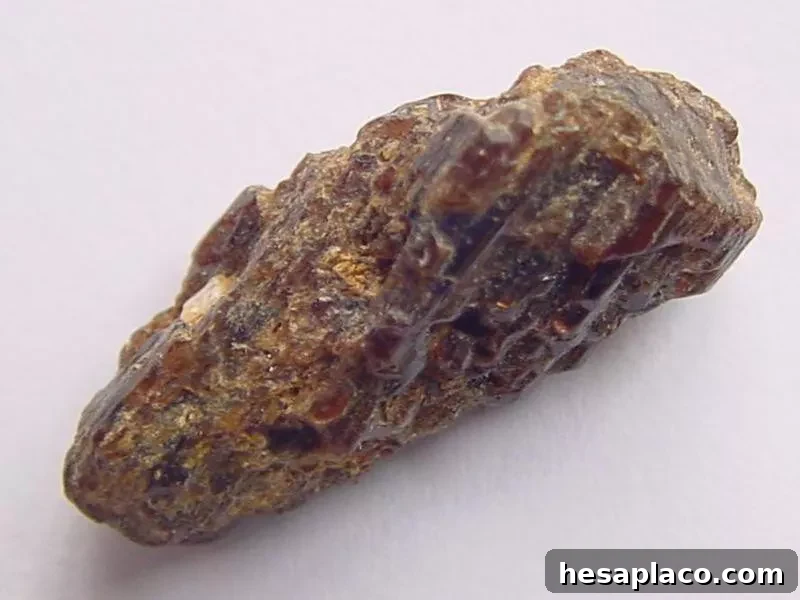
Strickja / Wikimedia Commons
Price per carat: $50,000–$60,000
Highlights: Once known from only a handful of specimens, painite is among the rarest minerals on Earth. Facetable stones are exceedingly scarce, and the highest-quality examples command very high prices.
3. Blue Diamond
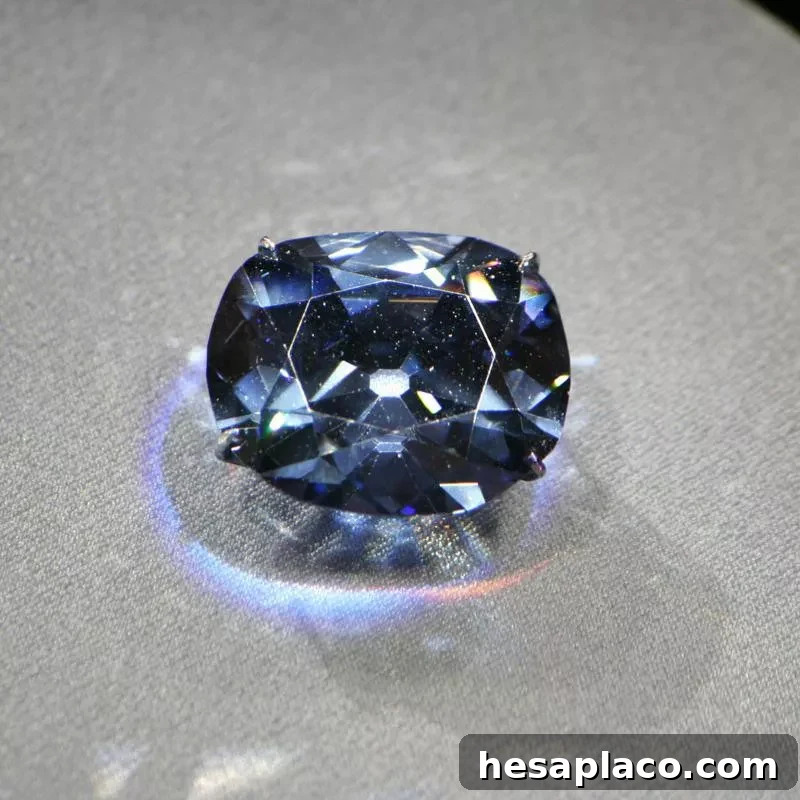
350z33 / Wikimedia Commons
Price per carat: $52,000–$300,000 and up
Highlights: Fancy blue diamonds derive their color from trace boron. Extremely rare and mined in very limited locations, top vivid blue diamonds have set auction records and can reach tens of millions of dollars.
2. Pink Diamond
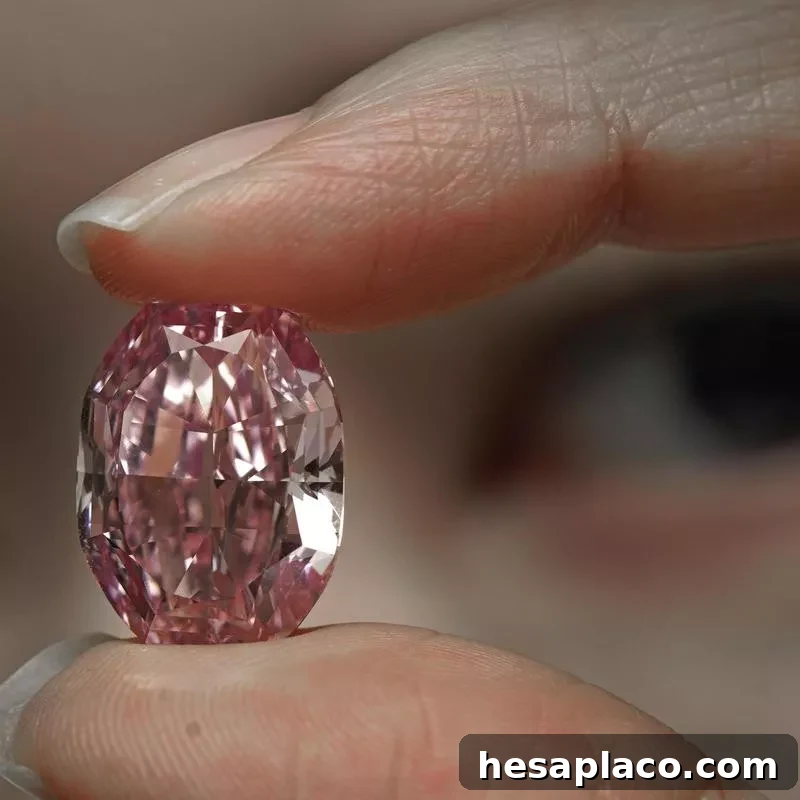
Vincent Yu / AP Photo
Price per carat: Up to $700,000 and higher for the rarest hues
Highlights: Pink diamonds represent a vanishingly small fraction of diamond production. Intense, pure pinks, especially large, flawless stones such as the Pink Star, have achieved record-breaking auction results.
1. Red Diamond
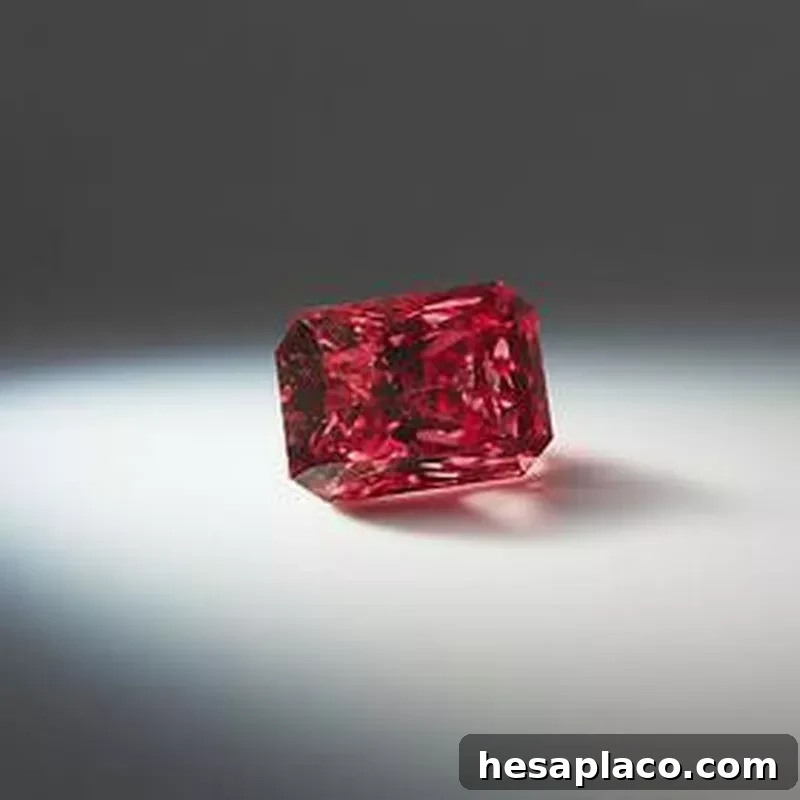
The most expensive gemstone is a red diamond. Geology.com
Price per carat: Around $1 million per carat for the rarest examples
Highlights: Red diamonds are the rarest and most expensive class of fancy-color diamond. Almost all known red diamonds weigh less than 1 carat; the Moussaieff Red (5.11 carats) is among the largest and most valuable, with mult-million-dollar valuation.
These gemstones span a wide range of origins, colors and market niches—from timeless classics used in fine jewelry to modern discoveries prized by collectors. Factors that drive value across this list include rarity, color intensity, clarity, carat weight, provenance and collector demand. Whether sought for investment, heritage or beauty, the world’s rarest gems continue to fascinate and command extraordinary prices.