
Most of us finish school able to identify a mitochondrion, yet many leave without a basic understanding of credit cards, APR, or how everyday finances actually work. Financial education often arrives late for professionals who, in hindsight, wish they’d learned practical money skills earlier. These lessons—if taught in high school—could have helped people build security, avoid costly mistakes, and reach goals sooner.
Learning the True Cost of Student Loans
Credit: Wikimedia Commons
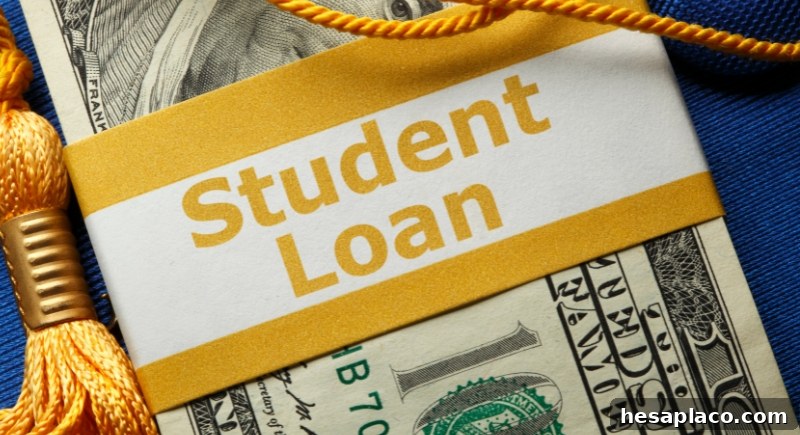
Many professionals regret how casually student debt was presented when they were young. They weren’t taught how long repayment can stretch, how interest compounds, or how to compare loan options. Teens were often encouraged to accept loans without projecting future income or exploring less costly alternatives. A simple exercise in forecasting payments, total interest, and realistic timelines could have prevented years of financial pressure.
Budgeting Isn’t Just for People With Little Money

Credit: sitthiphong
Many assumed budgets were only for those scraping by. In reality, people with high incomes can still feel financially strained when they don’t track spending. Schools often covered investment basics but skipped practical topics such as emergency assistance programs, stretching limited funds, or weekly spending plans. Learning to monitor inflows and outflows helps anyone, regardless of income, make intentional choices and avoid living paycheck to paycheck.
Why Compound Interest Matters Early

Credit: Getty Images
Small investments started early can grow substantially over decades. For example, putting even $25 a month into a tax-advantaged account instead of leaving it in a spending account can produce outsized gains thanks to compounding. Teaching teens about the power of starting early—through simple examples and age-appropriate accounts like Roth IRAs—makes future wealth-building less mysterious and more achievable.
Cash Flow Awareness Changes Everything

Credit: Getty Images
Debt rarely appears from a single mistake. More often it creeps in through repeated swipes, overlooked fees, and small lapses. Understanding weekly or monthly cash flow—what comes in and what goes out—gives people the power to avoid that slow slide. Simple, repeatable habits like tracking transactions and reconciling accounts can stop small leaks from becoming big problems.
The Psychology Behind How You Spend

Credit: pixelshot
How we perceive money affects behavior. Paying with a card feels less tangible than handing over cash, which can lead to unconscious overspending. Teaching teenagers about these psychological effects—how recurring charges accumulate and how impulse purchases work—can help them form healthier spending habits and avoid persistent buyer’s remorse.
Credit Cards Aren’t Free Money

Credit: sitthiphong
Many learned too late how credit card interest and minimum payments work. Paying only the minimum can leave balances to grow because much of the payment covers interest rather than principal. A straightforward lesson covering APR, credit utilization, billing cycles, and late fees would prevent unnecessary debt and help young people use credit safely.
Comparing Career Paths Through a Financial Lens

Credit: Getty Images
Seeing income projections alongside tuition and time-to-degree could change career decisions. Some were surprised to discover peers who chose trade training and earned more immediately. Presenting realistic, side-by-side financial outcomes—including student loan payback timelines and early-career earnings—helps teens weigh options and recognize that a single path isn’t guaranteed to be best for everyone.
Credit Score 101
Credit: Getty Images
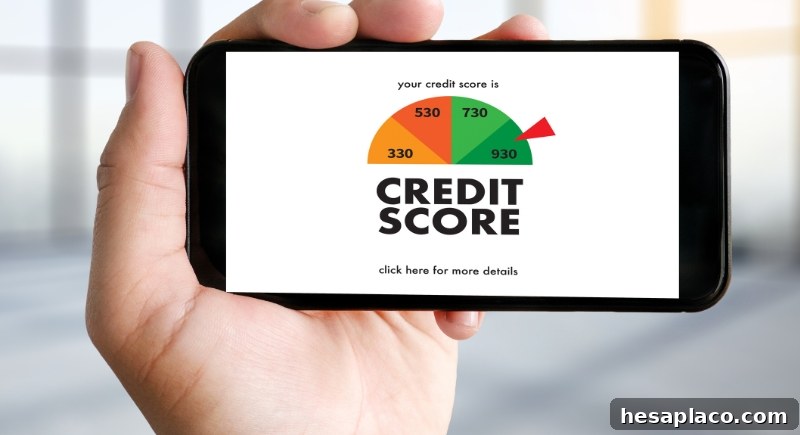
Credit histories start shaping life outcomes early. A missed payment in your late teens can increase insurance rates or complicate rental applications later. Teaching how scores are built—payment history, balances, credit age, and inquiries—and how to establish credit responsibly with low-limit cards or secured loans would reduce costly mistakes and open doors as young adults take on housing, cars, and other financial commitments.
Saving Goals Give Purpose to Frugality

Credit: Getty Images
Savings become easier when tied to something concrete. Teaching teens to set attainable goals—something as simple as concert tickets or a used car—helps them practice delayed gratification. Clear, short-term targets make budgeting relatable and motivate consistent saving, which builds confidence for larger financial milestones later on.
Understanding the Fine Print

Credit: Getty Images
Many painful surprises come from ignoring fine print. Contracts, app subscriptions, and auto-renewals often contain fees or penalties that go unnoticed. Teaching students to read and question small print—rental agreements, subscription terms, and billing statements—would help prevent unnecessary charges and empower them to spot red flags early.
You Don’t Need a Fancy Job to Start Investing

Credit: Getty Images
The idea that investing is only for those with full-time, benefits-rich jobs is misleading. You can start with small, consistent contributions through individual accounts like Roth IRAs and low-cost ETFs. Teaching practical steps for opening and funding these accounts, along with simple diversification concepts, makes investing accessible to teens working part-time or freelancing.
Debt Starts Small

Credit: Getty Images
Missing a single bill or routinely charging small amounts can become destructive if left unchecked. Early warnings about how quickly interest and late fees compound would help young people avoid credit damage. Emphasizing the long-term consequences of recurring missed payments clarifies why timely bill-paying matters for future borrowing costs.
Direct Deposit Tricks That Work

Credit: Getty Images
A simple, effective habit is splitting direct deposit between checking and savings. Routing even a small percentage of each paycheck—5% or more—into a separate savings account automates building an emergency fund. Because this money isn’t part of the daily balance, it reduces the temptation to spend and steadily grows reserves without extra effort.
The Myth of the Linear Life Path

Credit: Getty Images
Teens are often told that the route from college to career to homeownership is straightforward. Real life is messier: career changes, delayed milestones, and alternating priorities are common. Teaching varied life trajectories and realistic financial benchmarks helps young people measure progress without comparing themselves unfairly to others.
The Math Behind Taxes

Credit: Getty Images
Many adults wish they’d learned the basics of taxes sooner. Understanding tax brackets, withholdings, and self-employment obligations clarifies how take-home pay is calculated and how taxes affect job choices, benefits, and side gigs. A practical lesson on estimating taxes, reading pay stubs, and filing simple returns would reduce confusion and prevent costly surprises early in a career.
Teaching these practical financial principles in high school—loan math, budgeting, credit basics, compounding, and tax fundamentals—would give young people tools to make informed decisions. Small changes in knowledge and routine can compound into considerable long-term benefits, helping future generations avoid common pitfalls and build a more secure financial foundation.