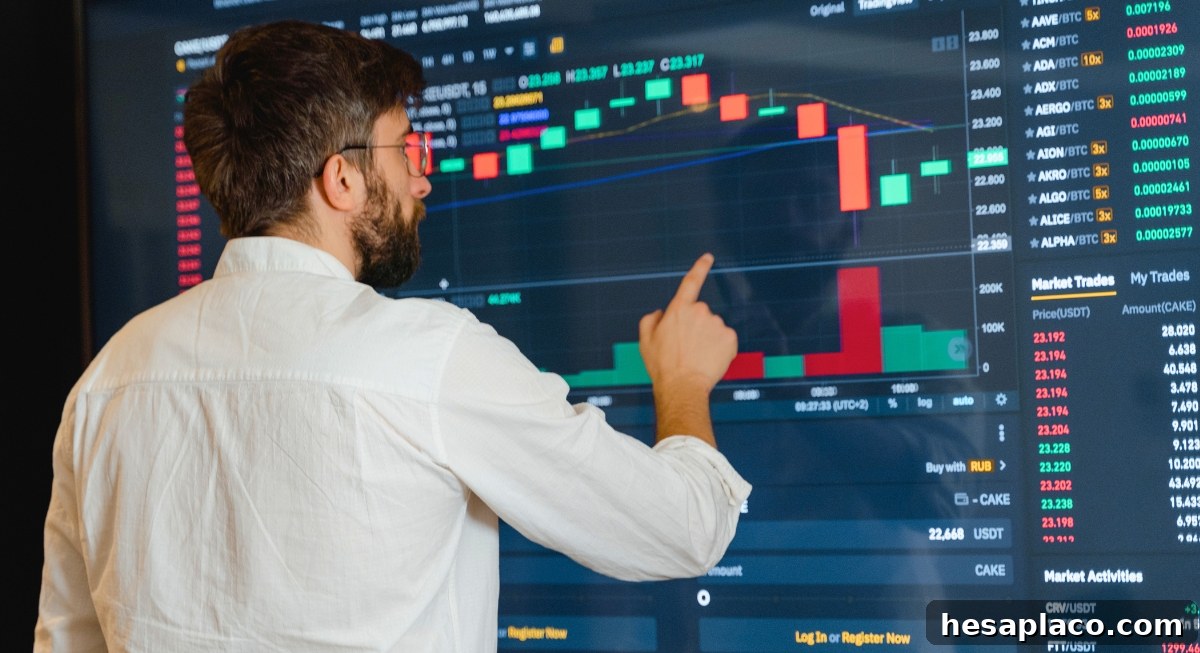
Prediction markets are attracting growing interest among Gen Z and millennial users. These online platforms allow people to place wagers on everything from elections and sports to celebrity news and breaking events, and they now handle millions of dollars in activity. For many younger participants, the draw isn’t only about profit: they enjoy testing their knowledge, following stories as they develop, and seeing whether their forecasts turn out to be right. A combination of financial pressure, internet culture, and curiosity has helped drive this trend.
Financial Goals Seem More Distant

Credit: pexels
For many young adults, milestones like buying a home and building a retirement nest egg feel farther away than they did for previous generations. Rising costs, wage stagnation, and uncertain job markets contribute to a sense of financial stagnation. Prediction markets can appear to offer a faster route: the potential for a big payoff from a successful bet feels more immediate and exciting than the slow accumulation of returns from traditional investments.
News Coverage Becomes Potential Opportunity

Credit: Getty Images
Users of prediction markets often scan headlines with a different intent. A celebrity announcement, economic release, or weather update can become actionable intelligence. Instead of passively consuming news, participants look for signals that could improve their forecasts. For many, staying informed becomes a mix of entertainment and strategy, as they hunt for edges in developing stories.
Alternatives to Traditional Gambling
Credit: pexels
Many younger people are not drawn to casino-style games that rely almost entirely on luck. Prediction markets offer a different experience: participants can research topics, track developments, and use information to guide their decisions. That appeals to those who prefer an informed, analytical approach over games of pure chance.
Social Media Amplifies Perceptions of Ease

Credit: pexels
Viral screenshots and clips of big wins spread quickly across social platforms, creating a perception that turning a small stake into a large return is common. That constant exposure to success stories can skew expectations, even though most participants do not sustain long-term profits.
Betting Feels More Interactive Than Investing
Credit: pexels
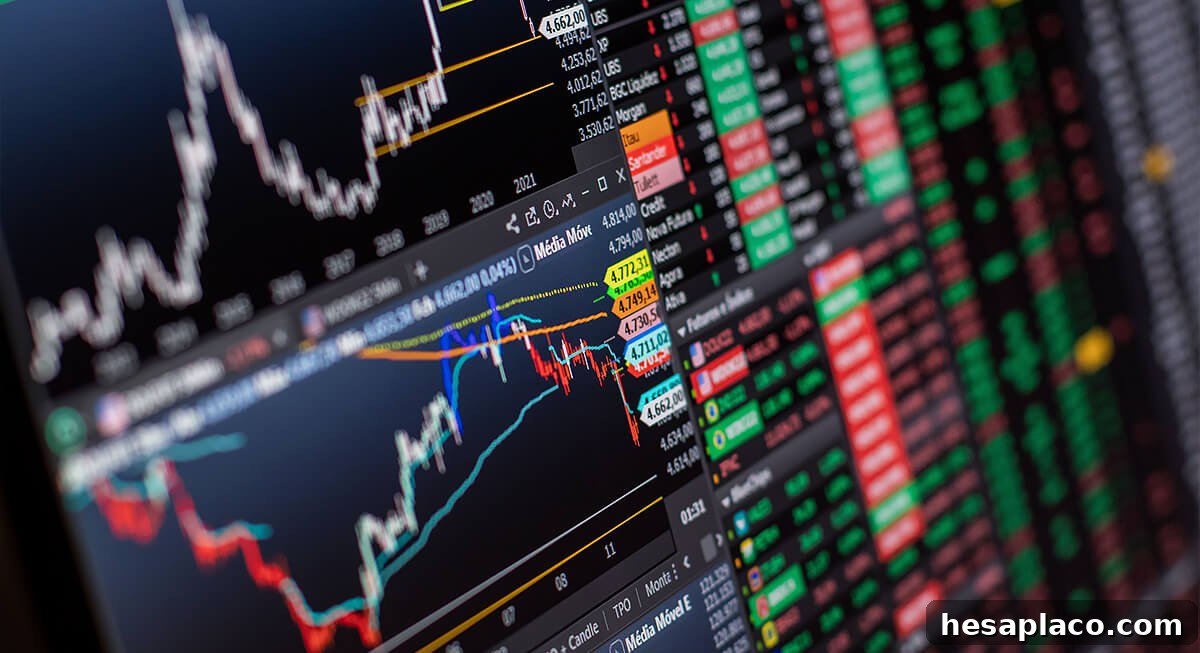
Traditional investing often rewards patience: accounts and portfolios can sit untouched for years while returns compound. Prediction markets operate on much shorter timelines. Prices and probabilities shift in real time as news breaks and opinions change, giving users a more immediate, engaging experience.
Platforms Resemble Financial Markets

Credit: pexels
Many prediction market interfaces look and feel like trading apps: prices move up and down, charts update frequently, and users buy and sell positions. That familiar presentation resonates with a generation exposed to online trading and financial apps, making prediction markets feel like a natural extension of other digital finance tools.
Competition Adds Psychological Appeal
Credit: Canva
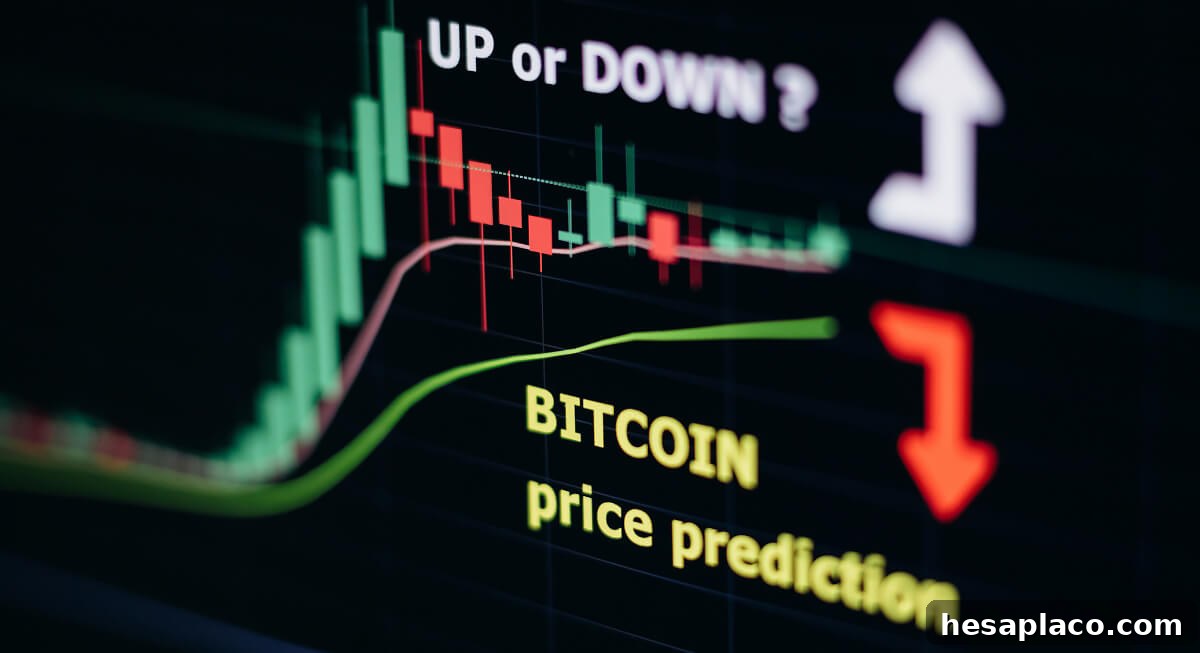
Prediction markets provide a public scoreboard where ideas are tested against outcomes. Many users enjoy the intellectual challenge of being proven right. The reward often extends beyond monetary gain: correctly forecasting an outcome can validate a user’s research and judgment, reinforcing the appeal of participation.
Crypto Culture Helped Normalize Speculation
Credit: Getty Images
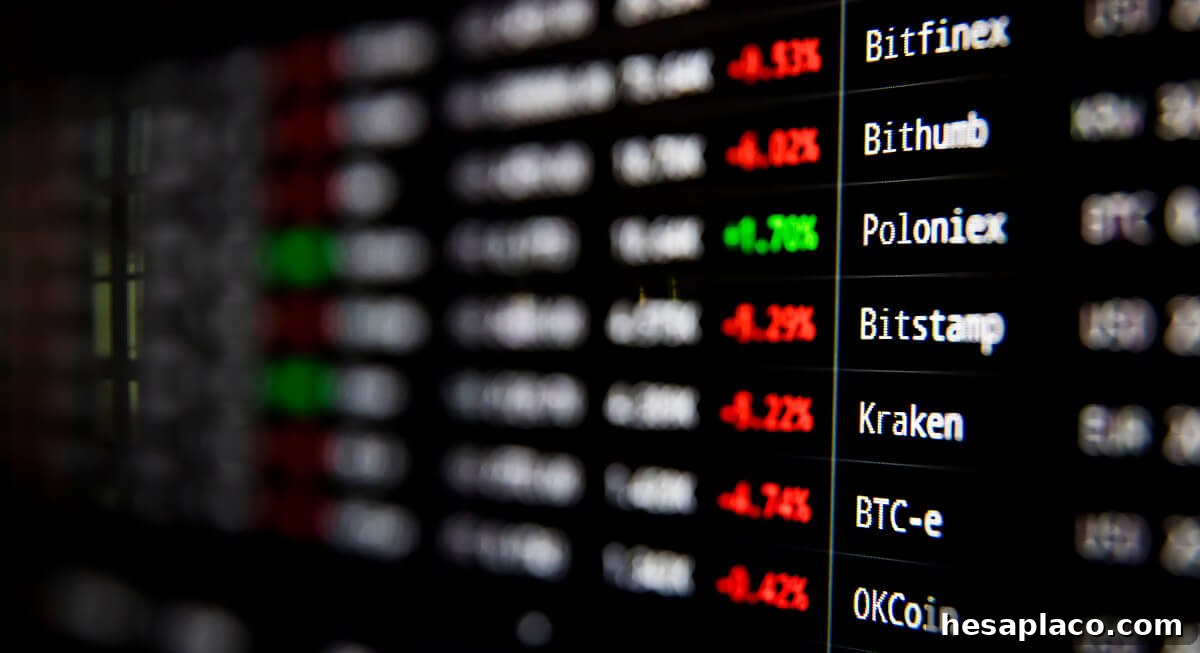
The growth of cryptocurrency introduced many young adults to online speculation and trading. Prediction markets arrived into an environment where digital assets and meme stocks were already familiar topics. Users who are comfortable with crypto often see prediction contracts as another form of risk-taking within a digital ecosystem.
Viewed as a Skill-Based Hobby

Credit: pexels
Many participants treat prediction markets like fantasy sports, chess, or other strategy games. The process involves studying trends, comparing data sources, and tracking evolving probabilities rather than simply placing a wager. That analytical, competitive dimension attracts people who enjoy skill-based hobbies and strategic decision-making.
The Lure of Beating the Odds
Credit: pexels
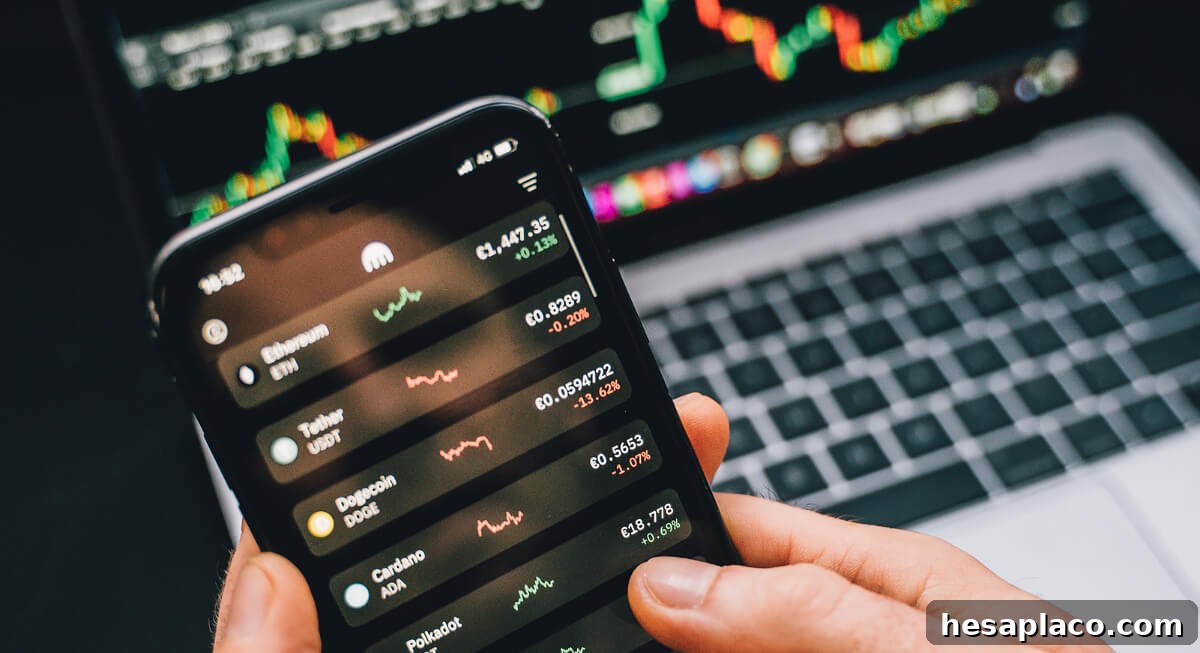
Although research shows that most users do not generate sustained profits from prediction markets, the possibility of being one of the successful traders remains compelling. Stories of large wins continue to circulate online and capture attention. The human fascination with long-shot outcomes persists, and prediction markets package that instinct into a data-driven, modern format.