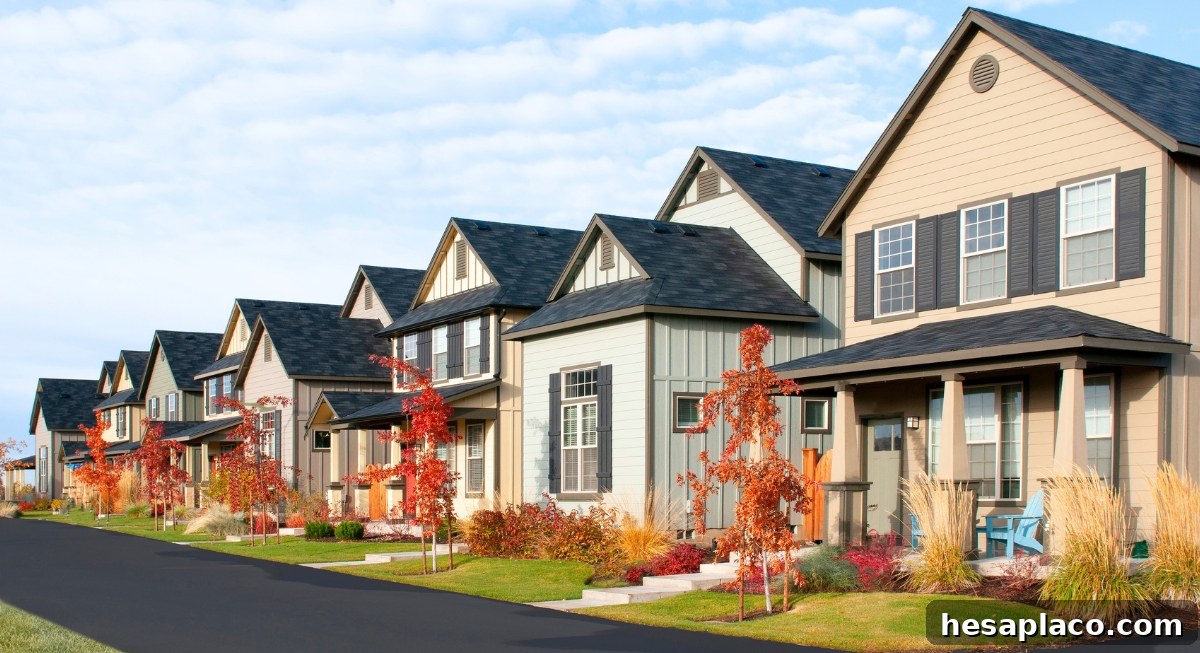
Buying a home in the United States has become increasingly difficult as prices climb nationwide. Coastal metros are often out of reach for many buyers, and even mid-sized cities can strain working-family budgets. Still, several states continue to offer relatively affordable housing, lower living costs, and realistic paths to homeownership without sacrificing quality of life.
West Virginia
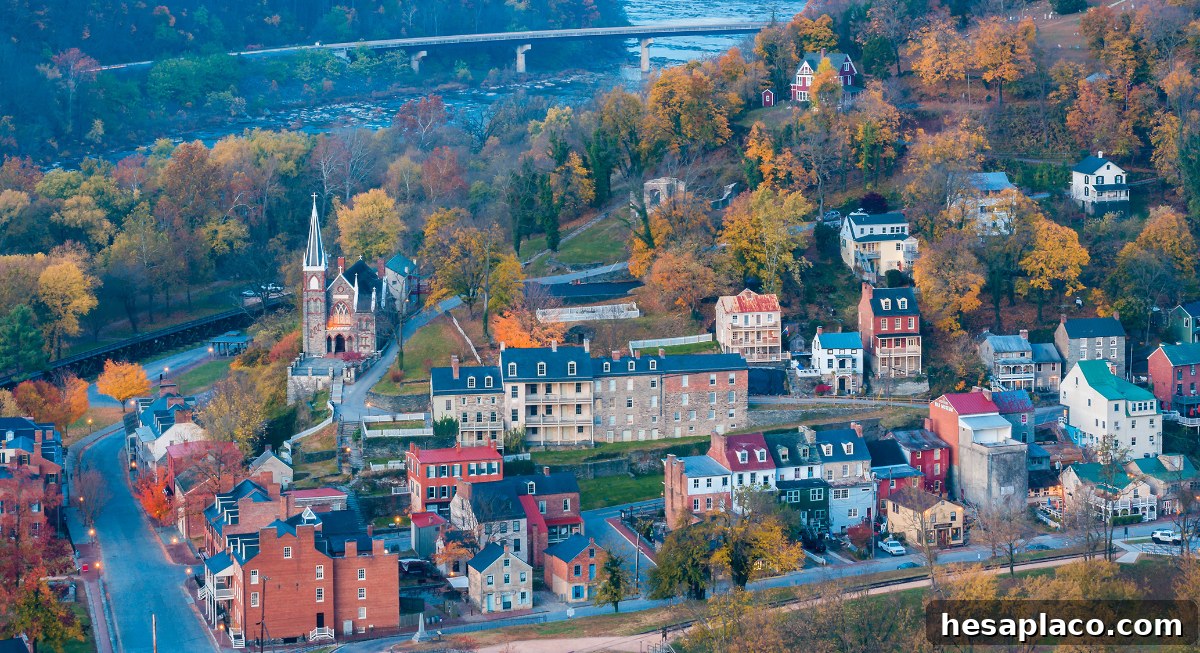
Credit: Wikimedia Commons
West Virginia ranks among the most affordable states for homebuyers. As of early 2026, the median home price is about $253,300, one of the lowest nationwide. The state’s overall cost of living is also notable—roughly 15.9 percent below the national average—so housing dollars go further. Cities like Morgantown, anchored by West Virginia University, offer vibrant college-town energy, while Charleston provides more traditional urban amenities set against the scenic Appalachian landscape.
Alabama
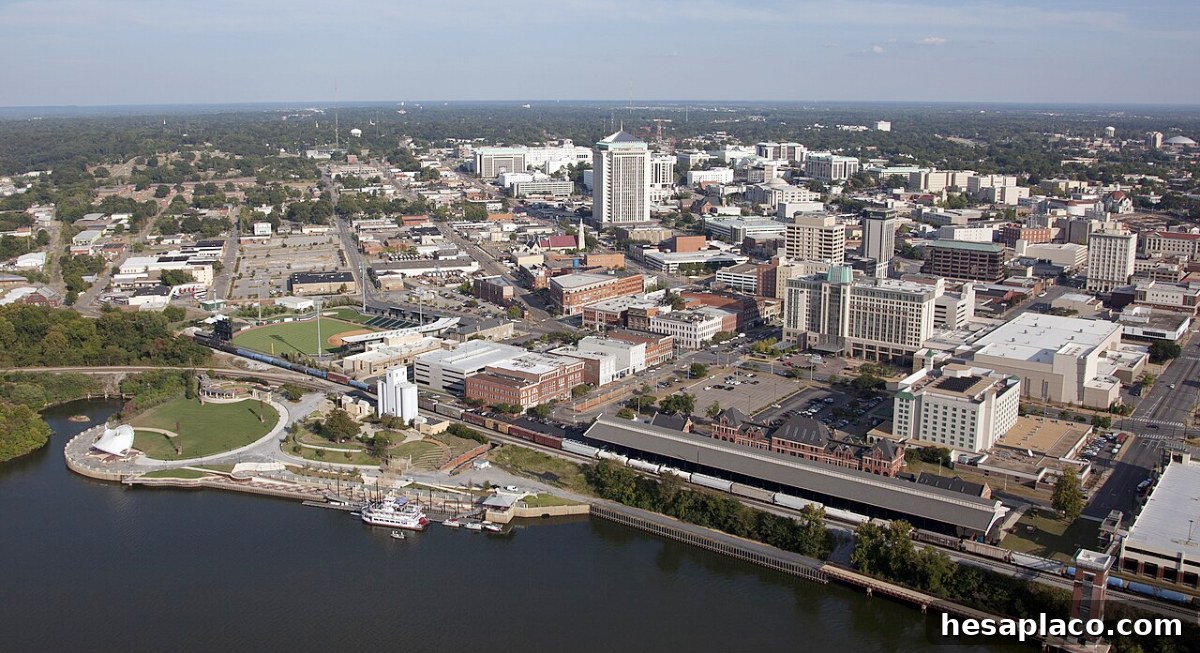
Credit: Wikimedia Commons
Alabama’s affordability is amplified by some of the lowest property taxes in the country. Typical monthly property tax bills average about $62 for many homeowners, with an effective property tax rate near 0.36 percent and a median annual bill around $742. For buyers looking to stretch their budget, that tax relief can add up. Economic growth in cities like Huntsville—home to NASA’s Marshall Space Flight Center and a growing tech and aerospace cluster—also strengthens housing demand and job prospects.
Ohio
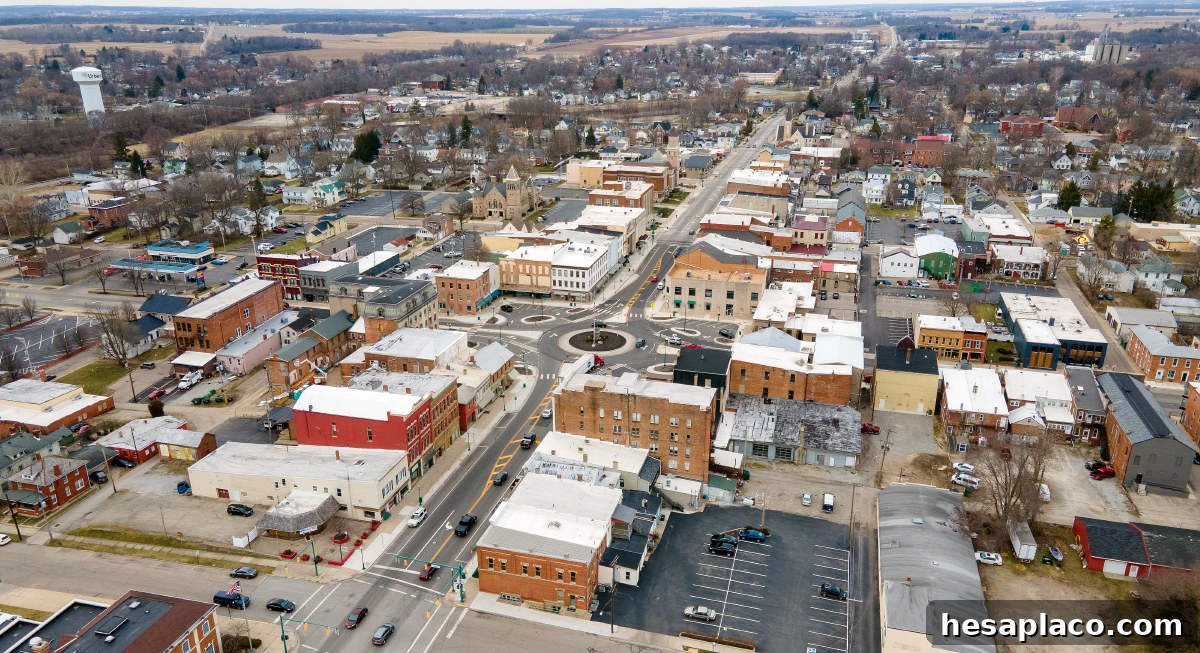
Credit: Wikimedia Commons
Ohio blends affordability with economic diversity. The statewide median home price is approximately $231,798, and homeowners’ insurance averages about $2,160 per year. Major metropolitan areas—Cleveland, Columbus, and Cincinnati—are supported by healthcare, technology, financial services, and a stable corporate presence that includes several Fortune 500 companies. That mix creates a resilient job market and multiple housing markets for buyers to consider.
Mississippi

Credit: iStockphoto
Mississippi’s cost of living is as much as 14 percent below the national average, and the median home price was near $268,000 in late 2025. That combination of lower housing costs and cheaper everyday expenses creates an appealing financial picture for many buyers. Cities such as Oxford, known for the University of Mississippi, also offer cultural amenities, dining, and strong local livability that extend beyond college-town identity.
Indiana

Credit: Wikimedia Commons
Indiana is notable for a balance between median home prices and household income that makes homeownership more attainable. The median home price is roughly $255,311, while median household income sits near $70,051—figures that together suggest reasonable housing affordability. Indianapolis has evolved into a stronger hub for healthcare and technology jobs, and the state’s broader economy benefits from automotive, pharmaceutical, and agricultural industries.
Arkansas

Credit: Wikimedia Commons
Arkansas attracts buyers with a median home price near $270,300 and the economic influence of major employers. Walmart’s headquarters in Bentonville fuels investment, supplier networks, and population growth across northwest Arkansas, while Fayetteville—home to the University of Arkansas—adds college-town amenities and steady demand. These factors help sustain local housing markets and draw buyers priced out of larger metropolitan regions.
Michigan
Credit: Wikimedia Commons
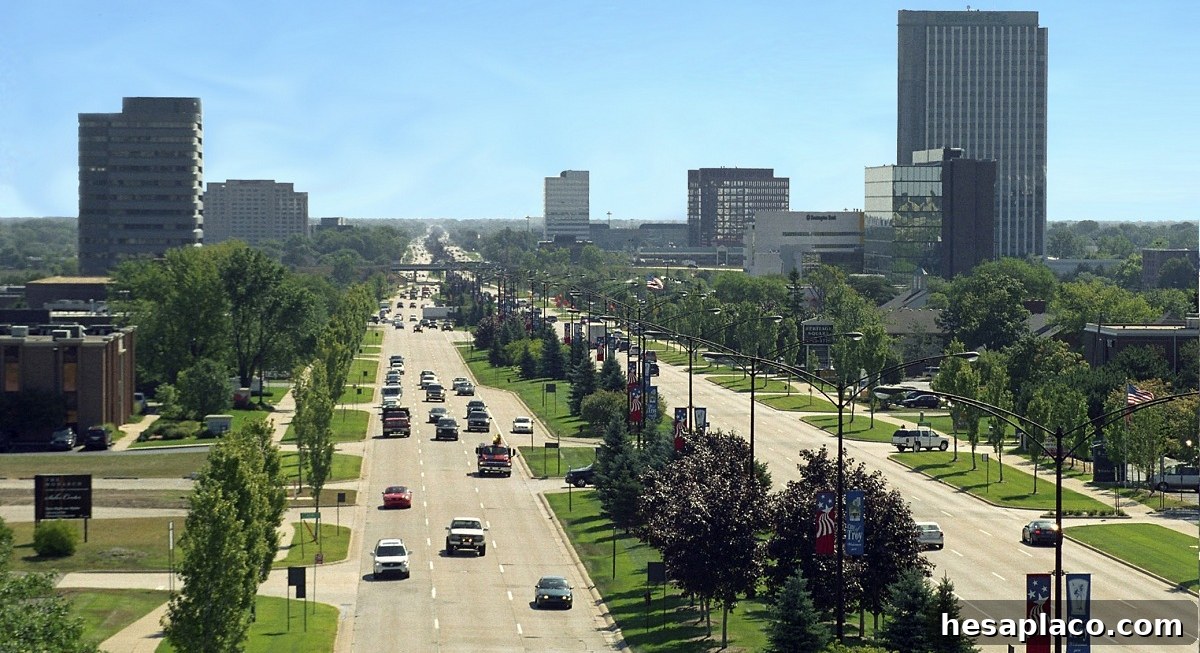
Michigan offers extensive freshwater coastline—about 3,288 miles—giving residents access to beaches, lakefront recreation, and resort towns. Despite that natural appeal, the median home price remained near $267,300 in early 2026. Census data from 2024 places the state’s median household income at about $72,389, a number slightly below the national median, making it important for buyers to weigh income and regional cost differences when considering affordability.
Missouri

Credit: Wikimedia Commons
Missouri combines reasonably priced housing with diverse city options. The median home price statewide was about $281,400 in March 2026, while the overall cost of living runs roughly 11 percent below the national average. The state contains two major metros—Kansas City and St. Louis—plus university towns like Columbia and mid-sized markets such as Springfield, giving buyers a range of lifestyle and price points to choose from.
Louisiana
Credit: Wikimedia Commons
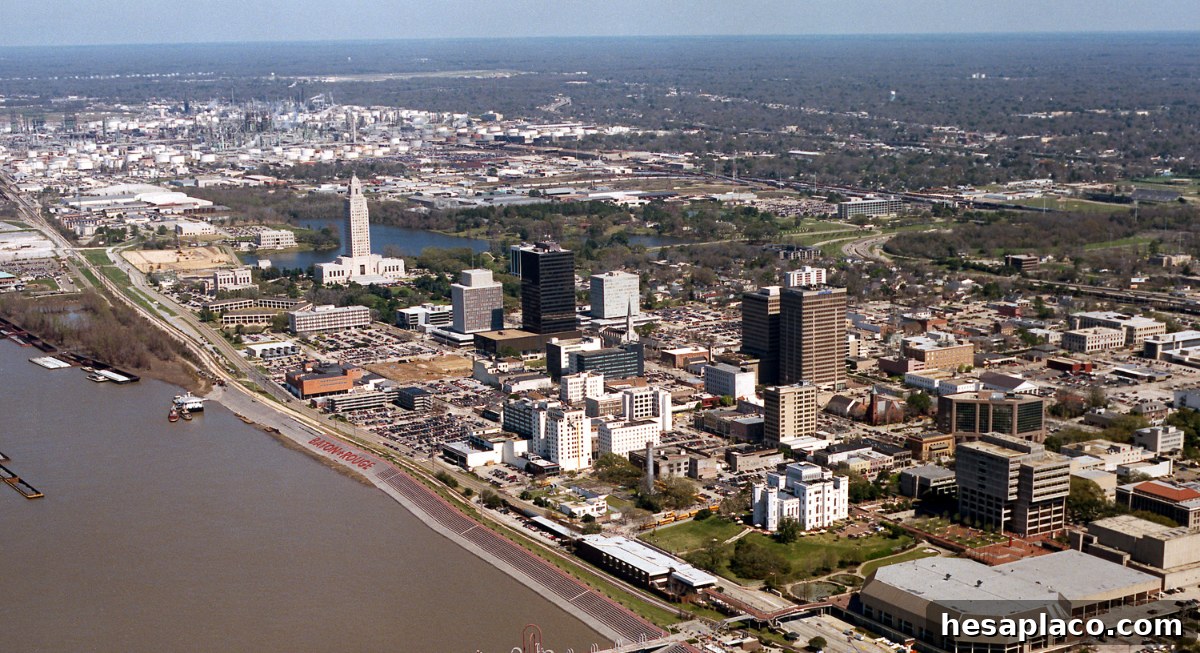
Louisiana offers a median home price around $260,300 and a cost of living about 8 percent below the national average. The state’s rich cultural scene—home to hundreds of annual festivals from Mardi Gras to regional parish events—adds lifestyle value for many buyers. In low-lying areas, flood insurance is an important expense to account for and should be factored into any homebuying budget.
Kentucky

Credit: iStockphoto
Kentucky combines affordability with strong local employers. UPS Worldport in Louisville, the company’s global air hub, employs tens of thousands and helps sustain housing demand. The median home price is near $270,000 and the cost of living is roughly 7 percent below the national average. Beyond economics, Kentucky offers notable natural attractions, including Mammoth Cave National Park with more than 426 mapped miles of underground passages, which enhances outdoor recreation and quality of life for residents.
When searching for affordability, prospective buyers should weigh local job markets, taxes, insurance costs, and natural risk factors—such as flooding—alongside median home prices. These states demonstrate that affordable homeownership is still possible in parts of the country, especially when lower costs of living and steady employment opportunities are taken into account.