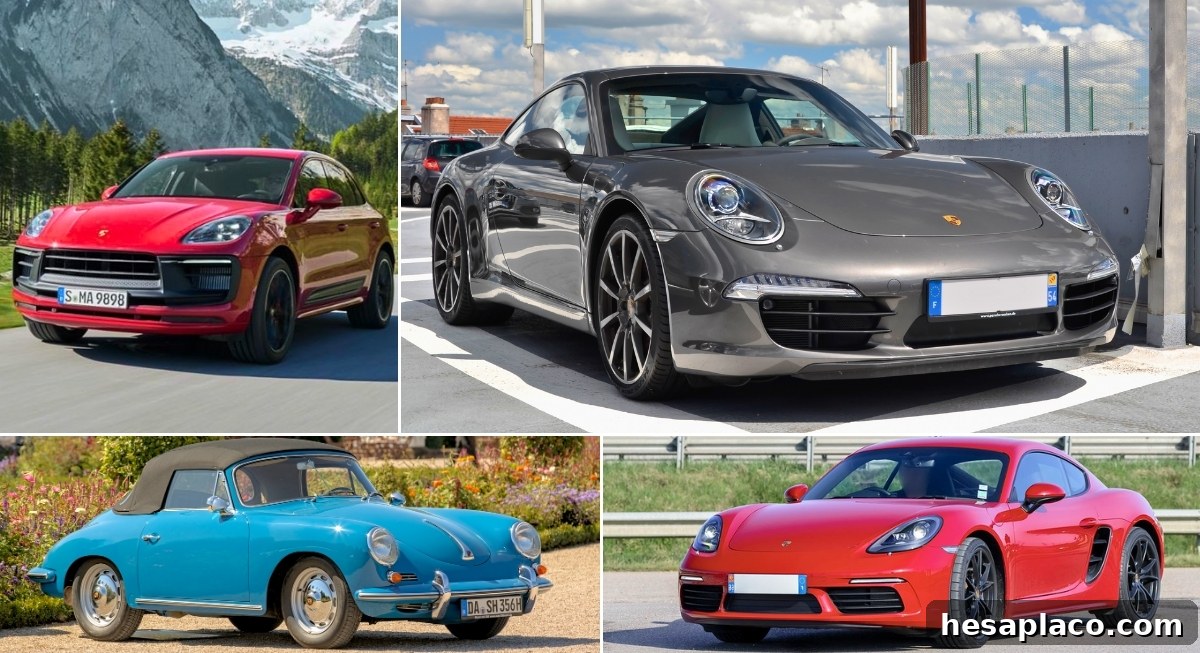
Porsche has a rare talent for turning heads. From the unmistakable silhouette to the evocative engine note, its cars carry presence, performance, and history. For enthusiasts who value styling, engineering, and a storied heritage, the following models represent Porsche’s most iconic and influential machines.
911
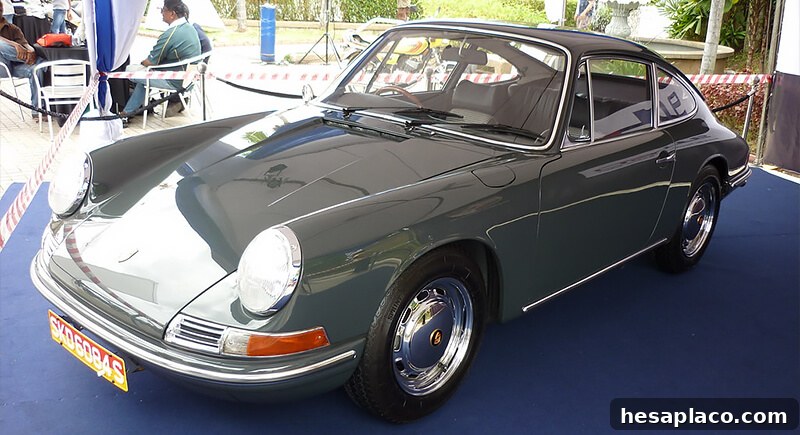
Credit: flickr
The 911 is the model most people picture when they think of Porsche. Introduced in the 1960s, it remains an enduring icon with its rear-engine configuration and instantly recognizable profile. More than a million units have been sold worldwide, and the 911 continues to blend daily usability with high-performance pedigree.
Boxster
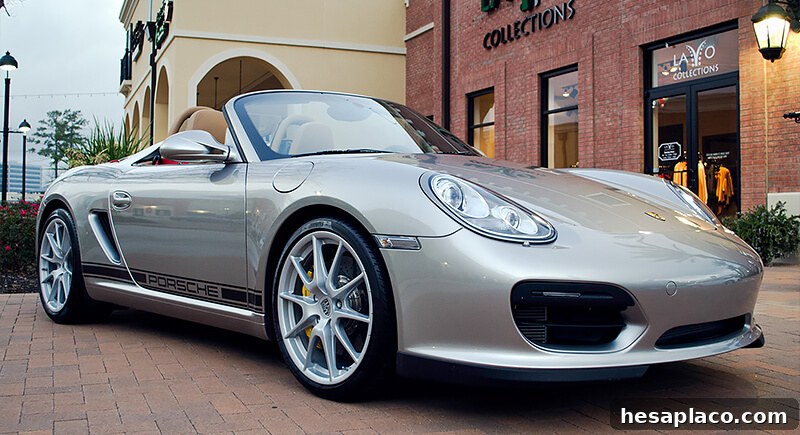
Credit: flickr
Arriving in the 1990s, the Boxster brought a mid-engine layout that revitalized Porsche’s line-up and played a pivotal role in returning the company to financial health. Its balanced handling, open-top appeal, and clever packaging — including front and rear luggage compartments — made it an instant favorite.
Cayman
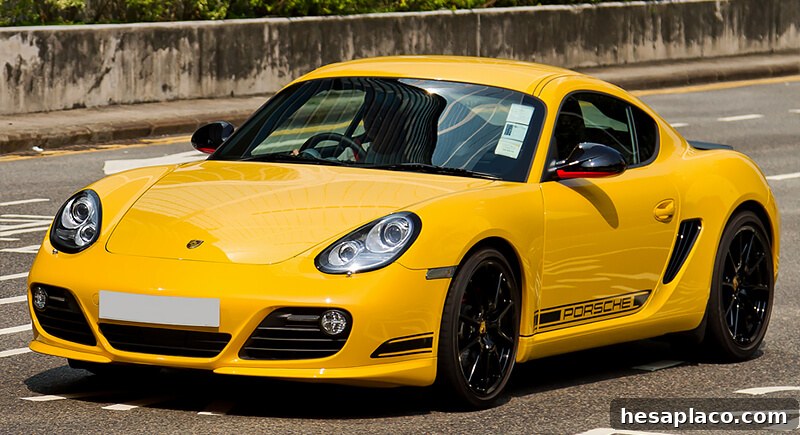
Credit: flickr
The Cayman took the Boxster’s mid-engine formula, added a fixed roof and a stiffer chassis, and produced a focused driver’s car. Praised for its precision and balance, many purists argue the Cayman’s mid-ship layout makes it one of the sharpest-handling Porsches.
928
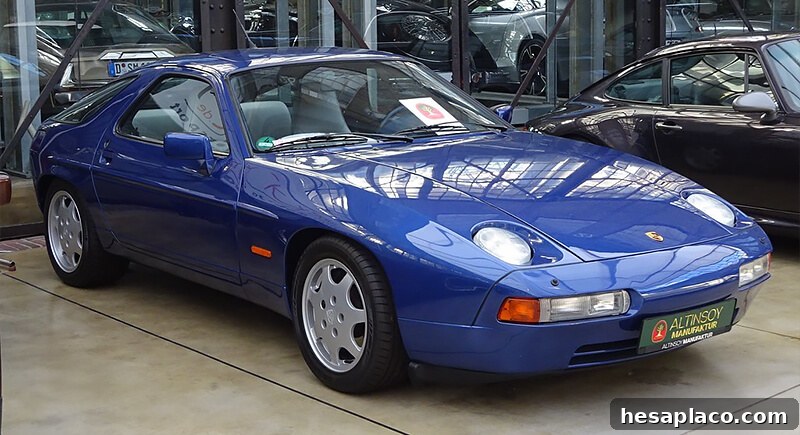
Credit: flickr
Bold and unconventional when it debuted, the 928 paired a front-mounted V8 with a grand touring character. With pop-up headlights and flowing lines, it was positioned as a possible 911 successor but ultimately carved its own niche as a luxurious, high-speed cruiser with surprisingly advanced dynamics for its era.
718
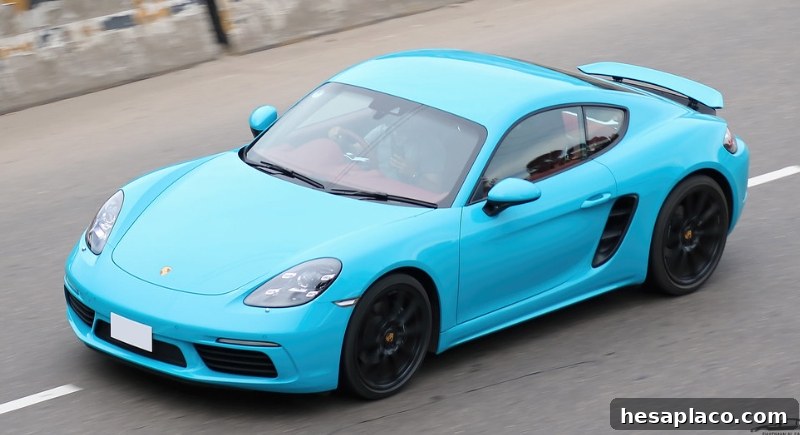
Credit: flickr
Porsche revived the historic 718 name for the Boxster and Cayman when they switched to turbocharged four-cylinder engines. While some enthusiasts missed the traditional flat-six soundtrack, the lighter, more efficient powerplants improved balance and efficiency. The 718 name recalls Porsche’s racing success at Le Mans and other events in the late 1950s.
356
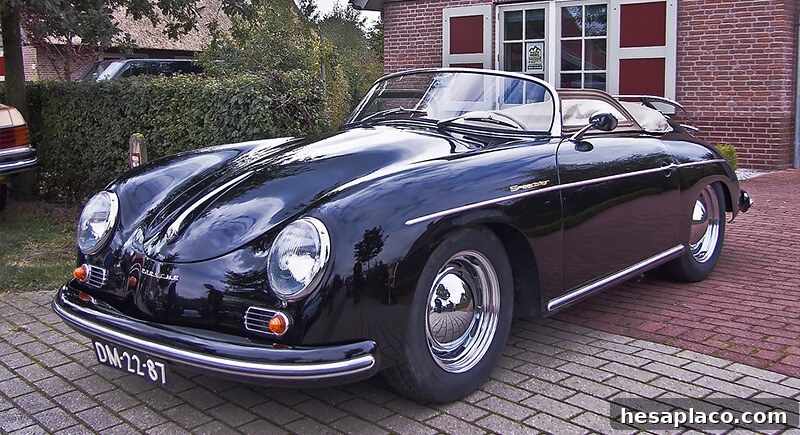
Credit: flickr
The 356 was Ferry Porsche’s response when he wanted a small, lightweight sports car to drive. Its rear-engine layout, nimble handling, and racing successes established the early DNA of Porsche. Today, original 356 models are highly collectible and often command six-figure prices at auction.
Panamera
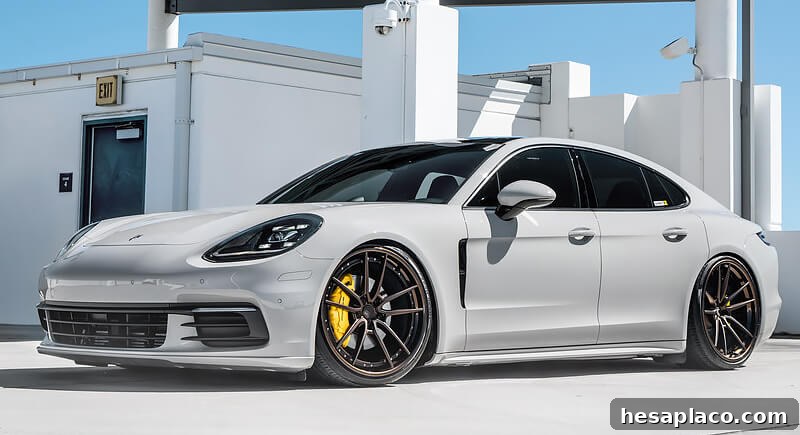
Credit: flickr
The Panamera introduced Porsche’s take on the four-door performance sedan. At first controversial among purists, it won respect for delivering sports-car dynamics combined with the practicality of seating for four and generous luggage space. Its name honors the Carrera Panamericana endurance race and reflects the model’s high-speed capabilities.
924
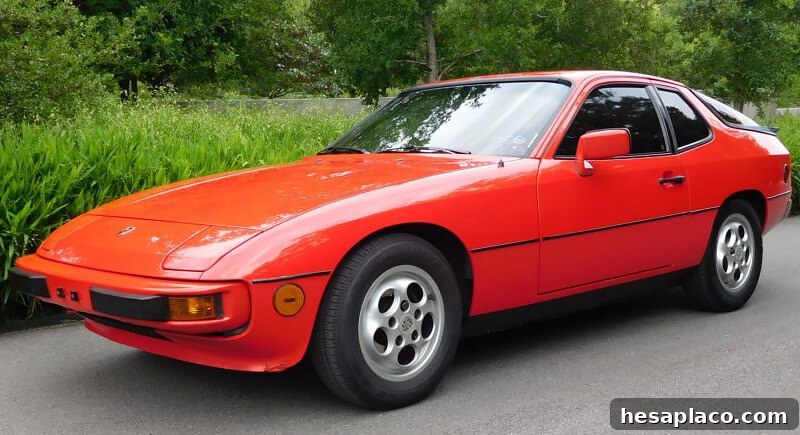
Credit: flickr
The 924 marked a shift for Porsche with a front-engine layout and shared components from other Volkswagen Group models. Affordable and accessible, it helped broaden Porsche’s customer base. While not the most powerful in the lineup, it offered engaging handling and became an entry point into Porsche ownership for many drivers.
944
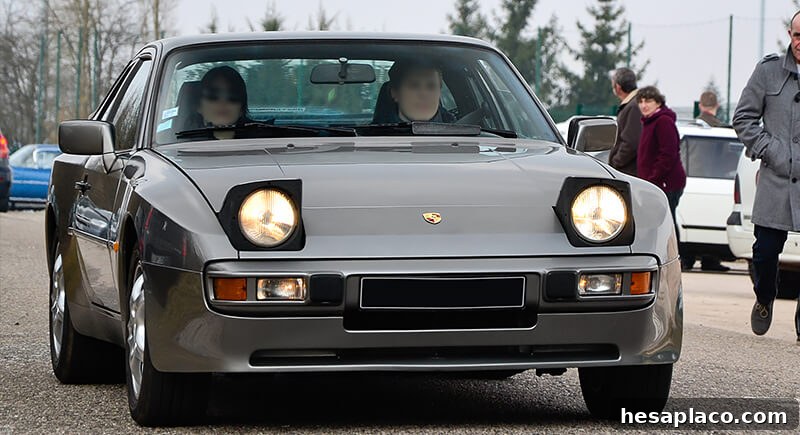
Credit: flickr
Building on the 924’s foundation, the 944 introduced wider track, improved engines, and refined dynamics. It became one of Porsche’s best sellers in the 1980s. The model’s balanced weight distribution and available turbocharged variants gave it sharp handling and credible straight-line performance.
968
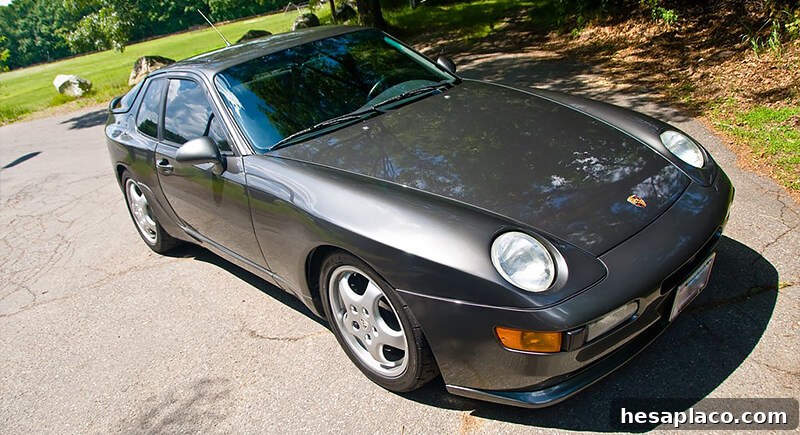
Credit: flickr
The 968 was the final evolution of Porsche’s front-engine sports car line, refining the 944 with a smoother powertrain, improved gearing, and cleaner styling. Produced until the mid-1990s, it remains appreciated by enthusiasts for its blend of usability and engaging driving dynamics.
Macan
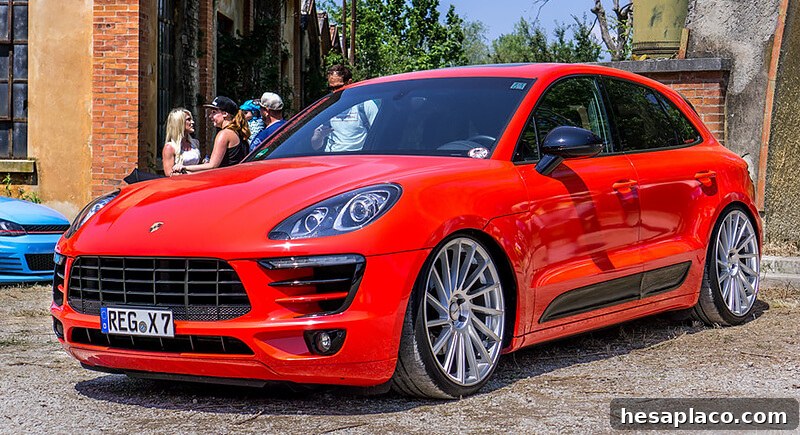
Credit: flickr
The Macan brings sports-car character to the compact SUV segment. With agile chassis tuning, potent turbocharged engines, and responsive steering, it drives more like a performance car than a typical crossover, while delivering the practicality many buyers need.
Cayenne
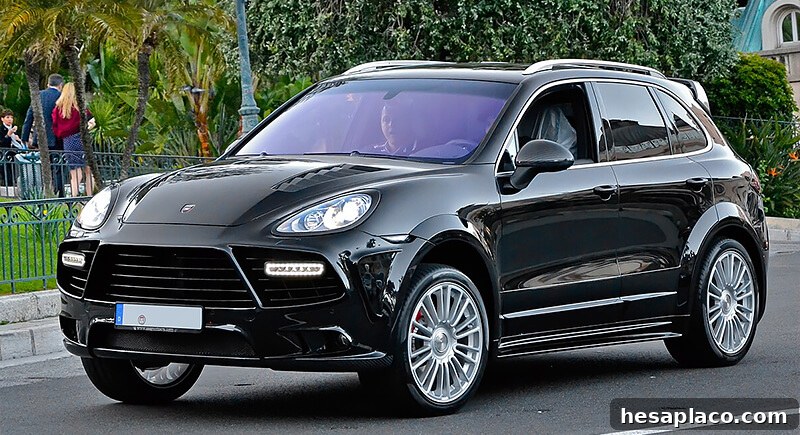
Credit: flickr
The Cayenne surprised skeptics by proving an SUV could carry Porsche DNA. Combining towing capability, on-road performance, and off-road competence, it became a crucial model for the company’s commercial success while retaining spirited driving characteristics.
Taycan
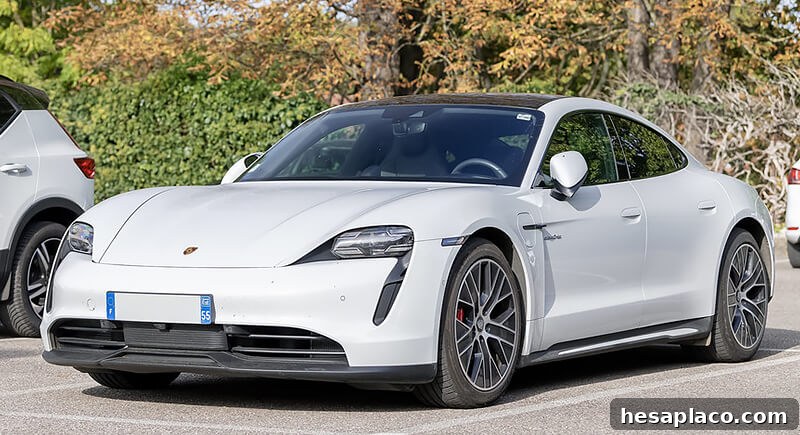
Credit: flickr
The Taycan demonstrated that electric propulsion can coexist with Porsche’s performance ethos. Capable of blistering acceleration and fast charging, it combines low-slung styling with the instant torque and precision expected from a modern Porsche, while opening a new chapter in the brand’s evolution.
918 Spyder
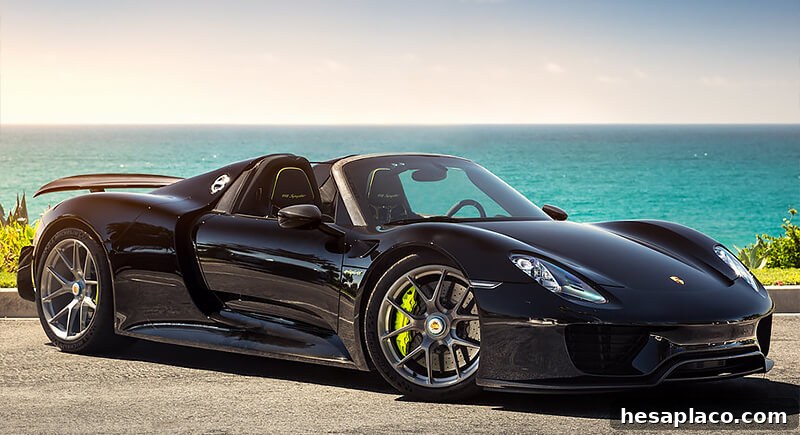
Credit: flickr
The 918 Spyder is a plug-in hybrid supercar that pairs electric motors with a high-revving V8 to produce immense power and rapid acceleration. Its advanced lightweight construction and hybrid technology positioned it at the cutting edge of performance engineering when it was released.
Carrera GT
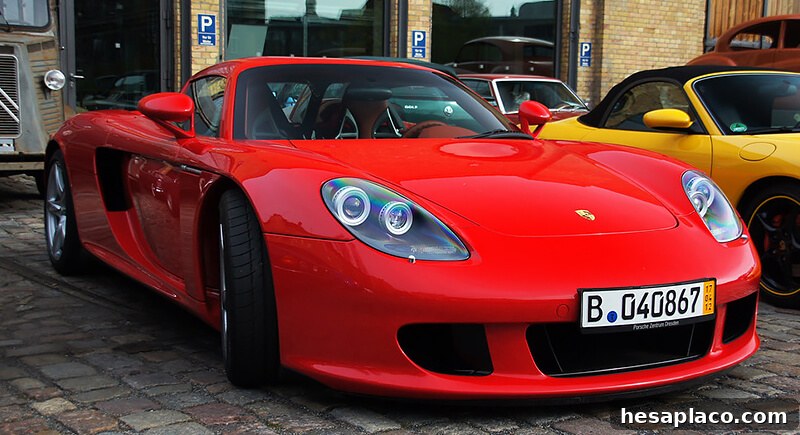
Credit: flickr
Built with a naturally aspirated V10 derived from a racing program, the Carrera GT delivers a raw, mechanical driving experience. Its high-revving engine and focused setup make it one of the most visceral and celebrated modern classics from Porsche, with limited production numbers adding to its mystique.
Mission X (The Hypercar Future)
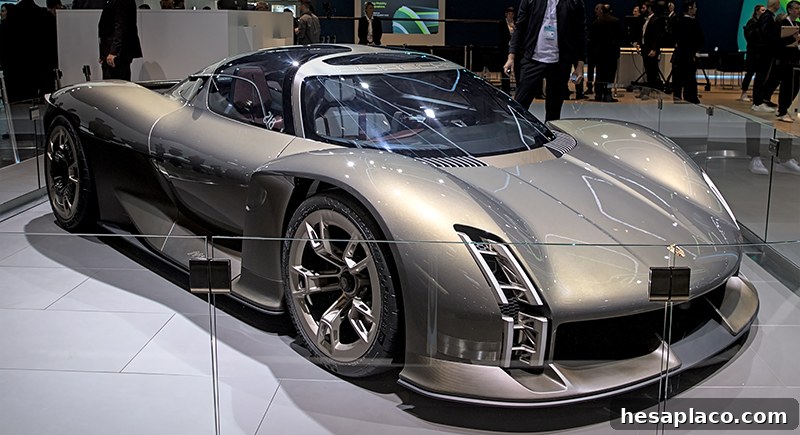
Credit: Wikimedia Commons
Unveiled as a concept, the all-electric Mission X celebrates Porsche’s future direction with dramatic proportions, advanced aerodynamics, and a hypercar-focused design language. Positioned as an exploration of what a next-generation Porsche hypercar could be, it signals the brand’s ambition in the electric performance space.
911 GT3 RS (2026 Edition)
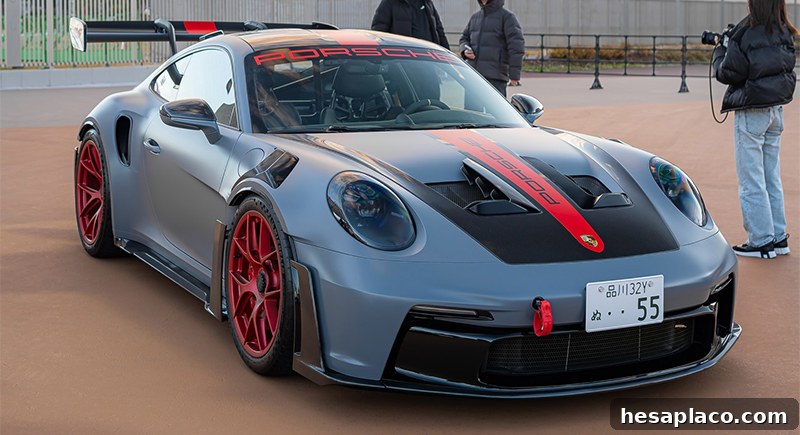
Credit: Instagram
The 2026 911 GT3 RS remains one of Porsche’s most track-focused road cars, featuring a naturally aspirated 4.0-liter flat-six that revs to high RPMs and delivers potent power. With extensive aerodynamic aids, race-derived suspension, and lightweight components, it’s engineered to excel on the circuit while still being road-legal.